Looking to boost your home’s security quickly and affordably? Installing a deadbolt on your hollow core door is a smart move you can do yourself, even if you’re not a DIY expert.
You might think it’s tricky, but with the right steps, tools, and tips, you’ll have a strong, reliable lock in no time. Keep reading, and you’ll discover exactly how to install a deadbolt that not only protects your home but also gives you peace of mind every time you lock the door.
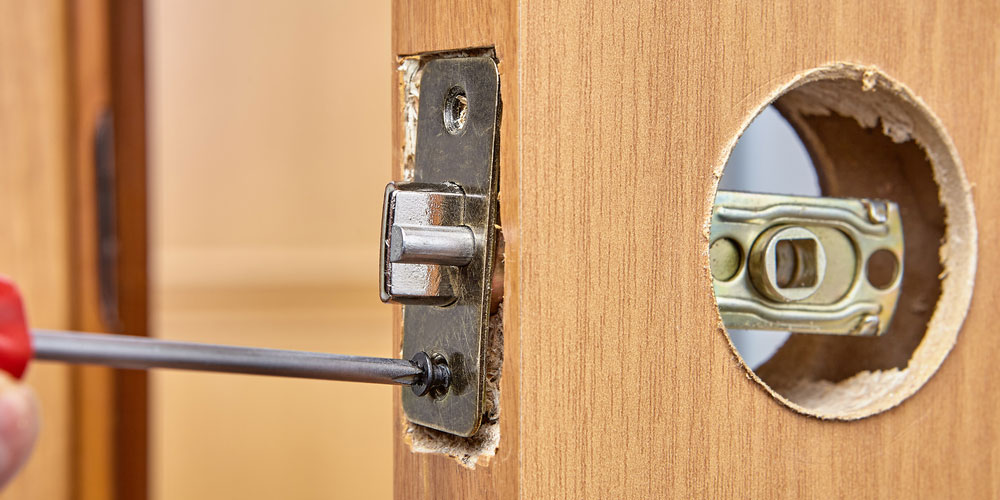
Credit: unitedlocksmith.net
Tools And Materials Needed
Installing a deadbolt on a hollow core door needs some tools and materials. Having them ready makes the job easier and faster. Each item plays a key role in a smooth installation.
Prepare everything before you start. This helps avoid stops during the work. Use the right tools to make clean holes and secure the lock well.
Tools Required For Deadbolt Installation
- Power drill with drill bits
- Hole saw (usually 2 1/8 inch diameter)
- Spade bit or hole saw for latch hole (1 inch)
- Screwdriver (Phillips and flathead)
- Measuring tape or ruler
- Pencil for marking
- Chisel for mortising
- Hammer
- Utility knife
- Level or square
Materials Needed For Installation
- Deadbolt lock set
- Wood screws (usually included with lock)
- Wood filler (optional, for fixing mistakes)
- Sandpaper (optional, for smoothing edges)
Gather all tools and materials before work. This saves time and reduces errors. Check the lock instructions for specific parts too.
Credit: www.hunker.com
Choosing The Right Deadbolt
Choosing the right deadbolt is key for securing a hollow core door. Not all deadbolts fit well or provide strong protection. Select a deadbolt designed for hollow doors to ensure a proper fit and better security.
Consider the door’s thickness and material. Hollow core doors are lighter and thinner than solid wood doors. A deadbolt made for solid doors might not work well here. Look for models labeled for hollow core or interior doors.
Type Of Deadbolt
Single-cylinder deadbolts use a key outside and a thumb turn inside. They are common and simple to use. Double-cylinder deadbolts need a key on both sides. They add security but can be tricky in emergencies. Choose the type that fits your safety needs and convenience.
Length Of The Bolt
The bolt must extend deep enough into the door frame. Hollow core doors need a bolt at least one inch long. Longer bolts reach the frame better and resist forced entry. Measure your door frame and pick a bolt length that fits well.
Material And Build Quality
Choose deadbolts made from strong materials like solid brass or steel. These resist wear and break-ins. Cheap plastic parts can fail fast. A sturdy lock lasts longer and protects better.
Ease Of Installation
Some deadbolts come with detailed instructions and tools. This helps with a smooth installation on hollow core doors. Pick a lock that matches your skill level and includes all needed parts. This saves time and frustration.
Preparing The Door
Preparing the door is the first step to install a deadbolt on a hollow core door. It sets the stage for a smooth installation. Careful preparation helps the lock fit well and work properly. The process starts with marking the right spots for drilling. Then, you make the holes carefully to avoid damage. Let’s look at these steps in detail.
Marking The Placement
Choose the height for your deadbolt. It is usually about 6 to 12 inches above the doorknob. Use a tape measure for accuracy. Mark the spot on the edge and face of the door. Use a pencil to make small, clear marks. These marks guide where to drill the holes. Double-check the measurements before moving on.
Drilling The Holes
Use a drill with the correct bit size. Start with the face hole, which goes through the door face. Drill slowly to keep the hole clean. Next, drill the edge hole for the bolt. Keep the drill straight to avoid angled holes. Clean out any wood chips after drilling. This step creates the space for the deadbolt parts.
Installing The Deadbolt
Installing the deadbolt is the key step to securing your hollow core door. This process involves placing the bolt mechanism inside the door and securing the exterior and interior parts. Taking time to fit each piece properly ensures the lock works smoothly and keeps your home safe.
Fitting The Bolt Mechanism
Start by sliding the bolt mechanism into the hole on the edge of the door. Make sure the bolt faces the right direction to lock and unlock easily. Use screws to fasten the bolt securely in place. Check that the bolt moves freely by turning it a few times.
Attaching The Exterior And Interior Plates
Next, align the exterior plate with the bolt mechanism on the outside of the door. Insert the key cylinder through the hole carefully. On the inside, place the interior plate so it matches the exterior part. Screw both plates tightly to the door. Test the deadbolt by turning the thumb turn and using the key.
Securing The Strike Plate
Securing the strike plate is a key step in installing a deadbolt on a hollow core door. The strike plate holds the bolt in place and keeps the door locked tightly. A loose or misaligned strike plate can weaken your door’s security.
Properly fixing the strike plate increases the strength of the lock. It also prevents the door from rattling or moving when closed. Let’s explore how to align and reinforce the strike plate correctly.
Aligning The Strike Plate
Start by closing the door slowly. Watch where the deadbolt hits the door frame. Mark the exact spot for the strike plate.
Place the strike plate over the mark. Check if the bolt fits inside the plate easily. Adjust the plate’s position if the bolt sticks or misses.
Use a pencil to trace around the plate’s edges. This step helps to chisel a shallow recess. The plate must sit flush with the door frame.
Reinforcing With Screws
Use long screws to secure the strike plate. Short screws offer weak support. Screws that reach the wall stud hold the plate firmly.
Remove the strike plate after marking the holes. Drill pilot holes for the screws. This prevents wood from splitting.
Attach the strike plate with screws. Tighten them fully but avoid stripping. Strong screws stop the plate from loosening over time.
Testing The Deadbolt
Testing the deadbolt is a key step after installation. It ensures your lock works well and keeps you safe. Proper testing avoids future problems and frustration. Take time to check every part carefully. This step will save effort later.
Checking Lock Operation
Start by turning the key or thumb turn. The bolt should move smoothly without sticking. Try locking and unlocking several times. Listen for any unusual sounds like grinding or clicking. Check if the bolt fully extends into the strike plate. If the bolt stops halfway, it needs adjustment. Also, test from both sides of the door. Make sure the lock engages firmly each time.
Adjusting For Smooth Function
If the deadbolt feels stiff, loosen the screws slightly. Tighten them again after testing the movement. Check the alignment of the bolt and strike plate. You might need to move the strike plate up, down, or sideways. Use a screwdriver to adjust the strike plate position. Sand or chisel the door frame gently if needed. Repeat testing after each adjustment. The bolt should slide easily and lock securely.
Tips For Hollow Core Door Security
Hollow core doors need extra care to keep them secure. These doors are light and easy to break. Adding a deadbolt helps but does not solve all security problems. Follow simple tips to make your door safer.
These tips improve strength and reduce risks. They help protect your home without costly changes. Small actions can make a big difference.
Use A Reinforced Strike Plate
The strike plate holds the deadbolt in place. Use a heavy-duty metal plate with long screws. Screws should reach the door frame, not just the door. This stops the door from being pushed open.
Install A Door Reinforcement Kit
Reinforcement kits add metal plates to weak door spots. They protect the area around the lock and hinges. This makes the door harder to break or kick in.
Choose A High-quality Deadbolt
Not all deadbolts are the same. Pick one made from strong materials. Look for one with a solid metal bolt at least one inch long. This type offers better protection.
Secure The Door Frame
The frame can be a weak point. Make sure it is strong and well-attached to the wall. Reinforce it with wood or metal if needed. A strong frame supports the deadbolt well.
Add A Door Viewer Or Peephole
A peephole lets you see who is outside without opening. It adds a layer of safety. Choose one with a wide angle for better view. Easy to install and low cost.

Credit: www.gaterslocksmith.com
Frequently Asked Questions
How Do You Prepare A Hollow Core Door For Deadbolt Installation?
First, measure and mark the correct height for the deadbolt. Use a hole saw to drill the lockset hole. Next, drill the edge bore for the latch. Ensure all holes align properly before fitting the deadbolt.
What Tools Are Needed For Deadbolt Installation?
You will need a drill, hole saw, screwdriver, chisel, measuring tape, and pencil. These tools help create precise holes and secure the deadbolt firmly on the door.
Can A Deadbolt Be Installed On Any Hollow Core Door?
Yes, most hollow core doors can accommodate a deadbolt. However, ensure the door thickness matches the deadbolt specifications for a secure fit.
How Do You Reinforce A Hollow Core Door For Deadbolt Security?
Use a metal strike plate with long screws to anchor the deadbolt. Adding a door reinforcement kit can improve resistance against forced entry.
Conclusion
Installing a deadbolt on a hollow core door improves home security. Follow each step carefully for the best fit and function. Using the right tools makes the job easier and faster. Take your time measuring and drilling to avoid mistakes.
A well-installed deadbolt adds peace of mind to your home. Keep your door strong and safe with simple upgrades like this. Try it yourself and see the difference it makes. Safety starts with small actions done the right way.