Struggling with a stubborn Defiant deadbolt that just won’t budge? You’re not alone.
When your lock won’t come off easily, it can feel frustrating and overwhelming. But don’t worry—you can fix this. You’ll learn simple, step-by-step methods to remove that defiant deadbolt without damaging your door. Keep reading, and you’ll have your lock off in no time, saving you money and stress.
Tools Needed
Removing a Defiant deadbolt requires some basic tools. Having the right tools makes the job easier and faster. Use tools that fit well and work smoothly.
These tools are common and easy to find. Prepare them before starting to avoid delays. Safety is important, so handle each tool carefully.
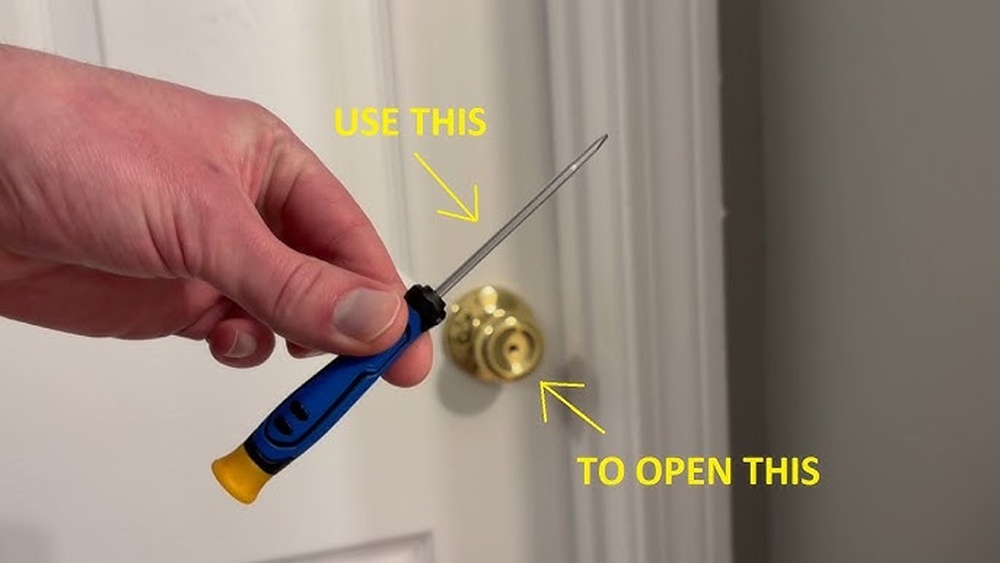
Screwdriver Set
A screwdriver set is essential. Use both flathead and Phillips screwdrivers. These help remove screws holding the deadbolt in place. Choose the right size to avoid stripping screws.
Drill And Drill Bits
A drill speeds up the removal process. Use drill bits made for metal or wood. These help loosen stuck screws or drill out the lock cylinder if needed. Be gentle to avoid damage.
Allen Wrench
Some Defiant deadbolts use Allen screws. An Allen wrench set covers different sizes. Check the screws to know which size to use. This tool can be small but very useful.
Pliers
Pliers help grip and pull small parts. Needle-nose pliers work well for tight spots. Use them to hold or twist pieces during removal. They offer good control and strength.
Utility Knife
A utility knife cuts through paint or caulk. This helps remove seals around the deadbolt. Use it carefully to avoid scratches or damage. It makes removing trim easier.

Credit: www.reddit.com
Identify The Deadbolt Type
Identifying the deadbolt type is the first step to remove a stubborn lock. Different deadbolts have different parts and mechanisms. Knowing the type helps you find the right tools and method. It also saves time and avoids damage to your door or lock.
Deadbolts come in several common types. Each has unique features you can spot easily. Examining your lock closely will guide your removal process.
Single-cylinder Deadbolt
This deadbolt has a keyhole on the outside. Inside, there is a thumb turn for locking and unlocking. It is the most common type in homes. You can usually open it from inside without a key.
Double-cylinder Deadbolt
This deadbolt requires a key on both sides. It does not have a thumb turn inside. It offers more security but can be tricky during emergencies. Knowing this type helps you prepare extra tools like spare keys.
Keyless Or Electronic Deadbolt
Keyless deadbolts use a keypad or fingerprint scanner. There is no physical keyhole. Some models have battery compartments and reset buttons. Identifying this type means you may need special instructions or batteries for removal.
Vertical Deadbolt
This lock moves up and down to lock or unlock. It often looks different from standard horizontal deadbolts. Spotting a vertical deadbolt helps avoid using wrong removal techniques.
Prepare The Door
Preparing the door is the first step to remove a defiant deadbolt safely. It sets the stage for a smooth and damage-free process. Taking time here saves effort later.
Clear space around the door. Remove any obstacles to work freely. This simple action helps avoid accidents and frustration.
Inspect The Door And Deadbolt
Look closely at the door and the deadbolt. Check for screws, plates, or any visible parts. Understanding the setup helps plan your removal steps.
Note the condition of the door wood and metal parts. Weak or damaged areas need gentle handling.
Gather Necessary Tools
Collect tools before starting. Common tools include a screwdriver, drill, and a pry bar. Use the right tools to prevent damage.
Keep everything nearby to avoid interrupting your work.
Protect The Door Surface
Use painter’s tape around the deadbolt area. This protects paint and wood from scratches. Small steps keep your door looking good.
Cover the floor with a cloth or cardboard. Catch falling debris and protect the floor.
Secure The Door
Make sure the door is stable and won’t move. Close it and use a wedge to hold it steady. A steady door makes removal easier and safer.
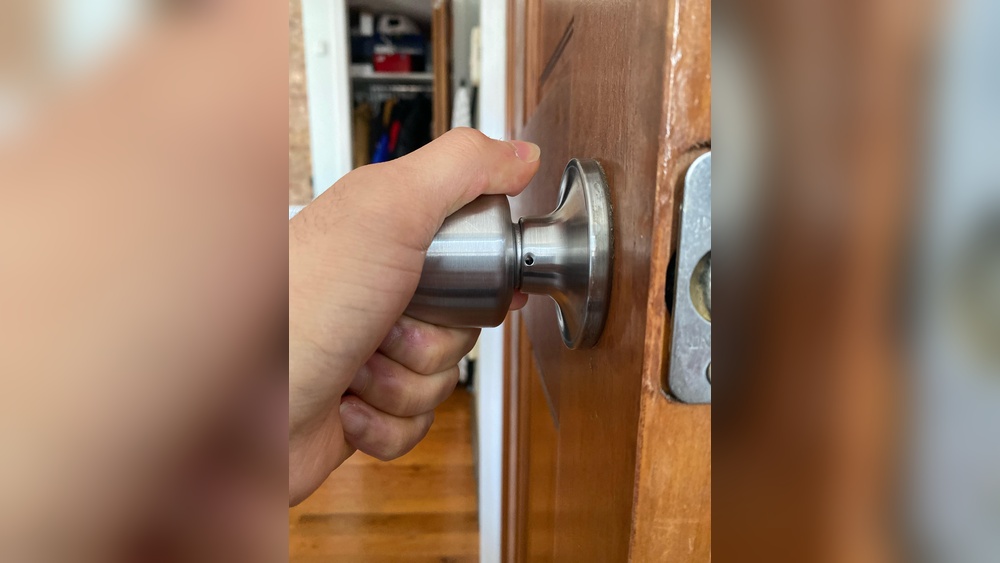
Remove The Interior Thumb Turn
Removing the interior thumb turn is the first step in taking out a Defiant deadbolt. This part controls the lock from inside your door. Taking it off carefully helps you access the inner mechanism.
The process is simple. You need basic tools and a bit of patience. Follow the steps below to remove the thumb turn safely and easily.
Locate The Thumb Turn Screw
Look closely at the thumb turn. You will see a small screw holding it in place. This screw is usually on the side or underneath the thumb turn. Use a flashlight if needed to find it clearly.
Use The Right Screwdriver
Pick a screwdriver that fits the screw perfectly. Most thumb turns use a Phillips head screwdriver. Using the wrong tool can strip the screw, making removal harder.
Unscrew The Thumb Turn
Turn the screwdriver counterclockwise to loosen the screw. Keep a firm grip on the thumb turn. Once the screw is out, gently pull the thumb turn away from the door.
Set The Thumb Turn Aside Safely
Place the thumb turn and screw in a small container. This keeps them safe and easy to find later. Avoid losing these parts to save time during reassembly.
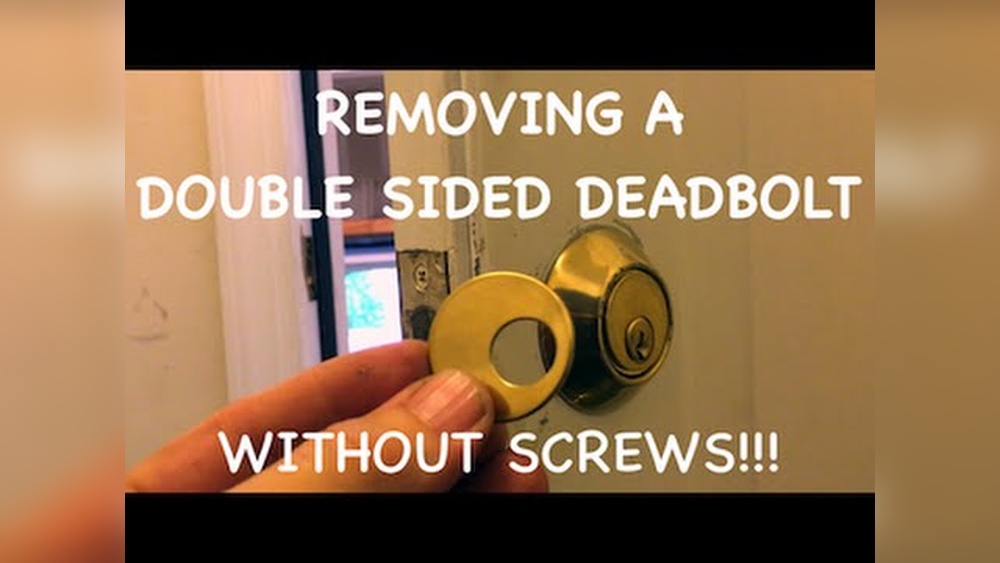
Unscrew The Exterior Plate
Unscrewing the exterior plate is the first step to remove a Defiant deadbolt. This plate covers the lock mechanism on the outside of the door. Removing it gives access to the screws and parts inside the lock. Take your time to avoid damage.
Start by locating the screws holding the exterior plate. These screws are usually visible around the edges of the plate. Use a screwdriver that fits well to prevent stripping the screws. Turn the screws counterclockwise to loosen them.
Gather The Right Tools
Use a Phillips-head screwdriver for most Defiant deadbolts. Check the screw heads before starting. A proper fit helps remove screws easily. Avoid using too much force to keep screws intact.
Remove The Screws Carefully
Turn each screw slowly and steadily. Keep the plate steady as you remove the screws. Place screws in a safe spot to avoid losing them. If screws are tight, try a little extra pressure without slipping.
Lift Off The Exterior Plate
Once screws are out, gently pull the plate away from the door. It may need a slight wiggle to come free. Avoid bending or forcing the plate to prevent damage. Set the plate aside safely.
Credit: www.reddit.com
Extract The Deadbolt Mechanism
Extracting the deadbolt mechanism is a key step in removing a Defiant deadbolt. It involves taking out the internal parts that control the lock. This allows access to the entire lock system for repair or replacement. Clear steps and simple tools make this task easier.
Careful handling prevents damage to the door and lock. Follow each step closely to remove the deadbolt smoothly. Patience and attention help avoid mistakes during extraction.
Start by locating the screws on the interior side of the deadbolt. Use a screwdriver to remove these screws. Pull the thumb turn away from the door gently. Set it aside carefully to avoid losing small parts.
Unscrew The Deadbolt Faceplate
Find the screws on the edge of the door where the deadbolt enters. Use a screwdriver to take out these screws. Remove the faceplate by pulling it straight out. This exposes the deadbolt bolt inside the door.
Extract The Deadbolt Bolt
With the faceplate removed, grasp the deadbolt bolt firmly. Pull the bolt straight out of the door cavity. If it sticks, wiggle it gently while pulling. Keep the bolt safe if you plan to reuse it.
Remove The Exterior Lock Cylinder
Turn back to the outside of the door. Locate the retaining screw under the lock cylinder. Remove this screw using a screwdriver. Pull the cylinder out carefully to avoid damage.
Handle Stubborn Deadbolts
Stubborn deadbolts can stop you from opening a door. They may feel stuck or hard to turn. This problem needs careful handling to avoid damage. Use simple tools and methods to ease the deadbolt out smoothly.
Try small steps first. Patience helps. Avoid forcing the lock too much. Let’s explore easy ways to handle these tough deadbolts.
Use Lubricants
Spray a small amount of lubricant into the keyhole. WD-40 or graphite powder works well. Lubricants reduce friction inside the lock. Wait a few minutes for it to soak in. This step makes turning the deadbolt easier.
Apply Gentle Force
Turn the key or knob slowly. Use steady pressure without forcing. If the deadbolt moves a little, keep going gently. Avoid jerky or strong moves. Gentle force prevents breaking the lock or key.
Try Alternative Tools
If the key does not work, try other tools. A pair of pliers can help turn the knob. Use a screwdriver to push or pull the bolt carefully. Be careful not to scratch or damage the door. Different tools can give better grip and control.
Replace Or Repair The Deadbolt
Dealing with a defiant deadbolt can be frustrating. Deciding between repair or replacement is key to fixing the issue effectively. Some deadbolts can be repaired if the problem is minor. Others need full replacement for security and smooth operation.
Choosing the right option saves time and money. It also ensures your door stays secure and easy to lock or unlock. Below are simple steps to help you decide and act.
Assess The Condition Of The Deadbolt
Check if the deadbolt is stuck, loose, or broken. See if the key turns smoothly or gets jammed. Look for rust, wear, or damage on the lock parts. Minor issues like dirt or misalignment can be fixed. Severe damage means replacement is better.
How To Repair A Deadbolt
Start by cleaning the lock with lubricant spray. Tighten any loose screws on the lock and door frame. Realign the strike plate if the bolt doesn’t fit well. Replace worn springs or small parts inside the lock. Test the lock after each fix to see if it works better.
Steps To Replace The Deadbolt
Remove screws holding the deadbolt on the door. Take out the old lock carefully without damaging the door. Buy a new deadbolt that fits your door’s thickness. Install the new lock by following the included instructions. Make sure the bolt moves freely and locks securely.

Credit: www.youtube.com
Frequently Asked Questions
How Do I Remove A Defiant Deadbolt Lock?
To remove a Defiant deadbolt, first unscrew the interior mounting screws. Then, carefully pull both the interior and exterior parts apart. Finally, remove the latch mechanism from the door edge by unscrewing its screws.
What Tools Are Needed To Remove A Defiant Deadbolt?
You need a Phillips screwdriver, a flathead screwdriver, and optionally pliers. These tools help unscrew mounting screws and gently pry apart lock components.
Can I Remove A Defiant Deadbolt Without Damaging The Door?
Yes, by carefully unscrewing screws and gently separating parts, you can avoid damage. Avoid forcing or prying aggressively to keep your door intact.
How Long Does It Take To Remove A Defiant Deadbolt?
Removing a Defiant deadbolt usually takes 10 to 20 minutes. It depends on your experience and the lock’s condition.
Conclusion
Removing a stubborn deadbolt can feel tricky but is doable. Take your time and follow each step carefully. Use the right tools to avoid damage or frustration. Safety matters—always keep your door secure after removal. Practice makes the process easier with each try.
Keep this guide handy for future lock troubles. Your door will work smoothly again soon. Simple effort brings great results.