Have you ever struggled with a floor jack that just won’t lift your car? It can be frustrating when you need to raise your vehicle quickly and the jack doesn’t respond.
But don’t worry—making your floor jack go up is easier than you think. You’ll discover simple steps to get your jack working smoothly and safely. Whether you’re a beginner or just need a quick fix, these tips will help you lift with confidence.
Keep reading, and soon you’ll have your floor jack doing exactly what it’s supposed to do.
Credit: www.homedepot.com
Types Of Floor Jacks
Floor jacks help lift heavy objects safely and easily. They come in different types. Each type has its own way of working. Knowing these types helps you choose the right jack for the job.
Some jacks use hydraulic power. Others use a screw or bottle shape. Each type lifts in a unique way. Understanding these differences makes lifting safer and simpler.
Hydraulic Floor Jacks
Hydraulic floor jacks use fluid pressure to lift. Pumping the handle moves fluid inside the jack. This pushes a piston upward. The piston lifts the load smoothly and with little effort.
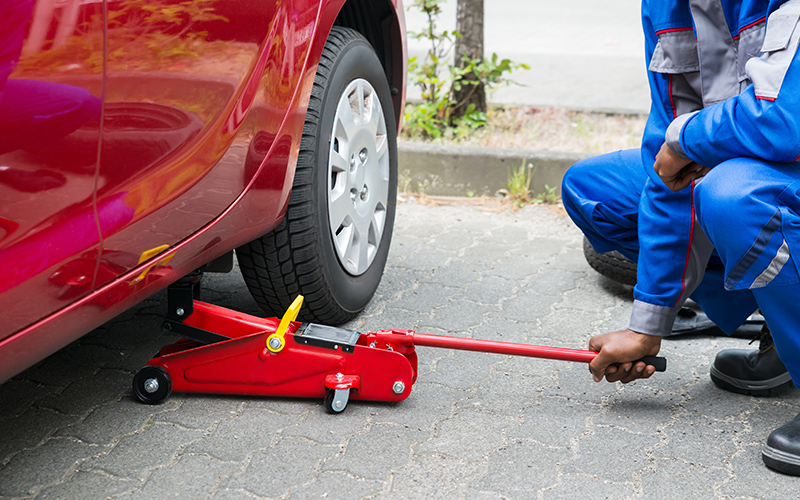
These jacks are common in garages. They lift cars quickly and safely. They have a low profile to fit under vehicles. Hydraulic jacks are strong and easy to use.
Scissor Jacks
Scissor jacks use a screw mechanism to lift loads. Turning the handle draws the arms together. This action raises the lifting pad. Scissor jacks are simple and lightweight.
They are common in car tool kits. They lift moderate weights. These jacks work well on flat surfaces. They need more effort than hydraulic jacks.
Bottle Jacks
Bottle jacks look like a small bottle. They use hydraulic fluid to raise a piston. Pumping the handle pushes the piston up. This lifts heavy objects with strong force.
Bottle jacks are compact and strong. They work well in tight spaces. They are good for trucks and large vehicles. Bottle jacks hold weight firmly once raised.
Preparing The Floor Jack
Preparing a floor jack is important before lifting any heavy object. It ensures safety and smooth operation. Taking a few minutes to check and set up the jack can prevent accidents.
Proper preparation helps the jack work efficiently and last longer. Follow simple steps to get the jack ready.
Check Fluid Levels
Hydraulic floor jacks need enough fluid to work well. Look for the fluid reservoir or oil plug. Make sure the fluid is at the right level.
Low fluid can cause the jack to lift slowly or not at all. Use the correct hydraulic oil to fill the reservoir. Avoid overfilling to stop leaks.
Inspect For Damage
Look over the jack for any cracks, rust, or broken parts. Check the wheels, handle, and lifting arm carefully.
Damaged parts can make the jack unsafe to use. Fix or replace any worn parts before trying to lift anything.
Positioning The Jack
Place the jack on a flat, solid surface. Avoid soft or uneven ground to keep it stable.
Position the jack under the vehicle’s lift point. Make sure it lines up correctly to avoid slipping.
Correct positioning helps the jack lift smoothly and safely. Take your time to get it right before pumping the handle.
Operating The Floor Jack
Operating a floor jack is simple but needs care. Knowing the right steps helps you lift safely. Each part of the process has a clear role. This guide explains how to use your floor jack well.
Locating The Lift Point
Find the correct lift point under your vehicle. This spot supports the weight best. Check the owner’s manual for the exact place. Look for a flat, strong area near the tire. Placing the jack here stops damage and keeps you safe.
Pumping The Handle
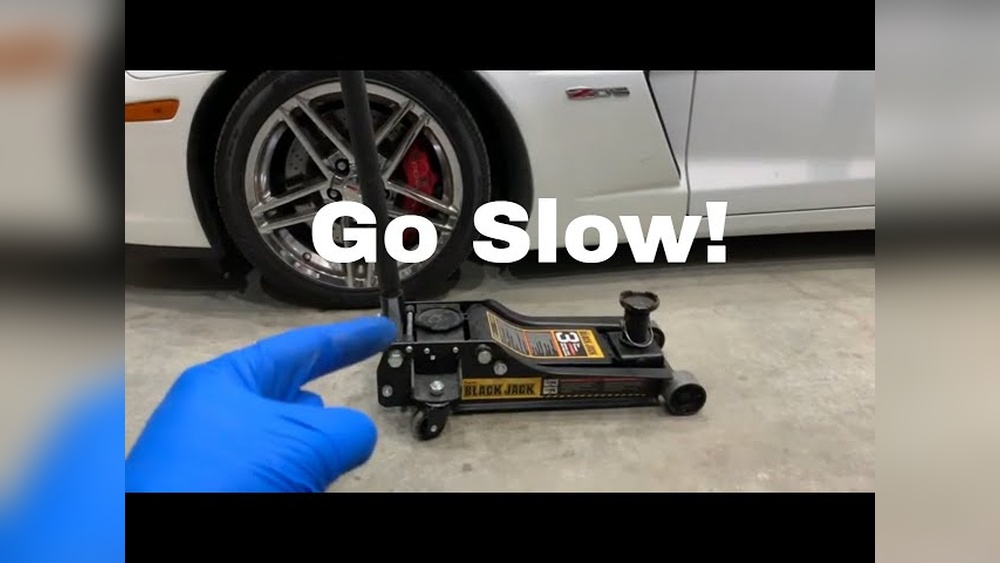
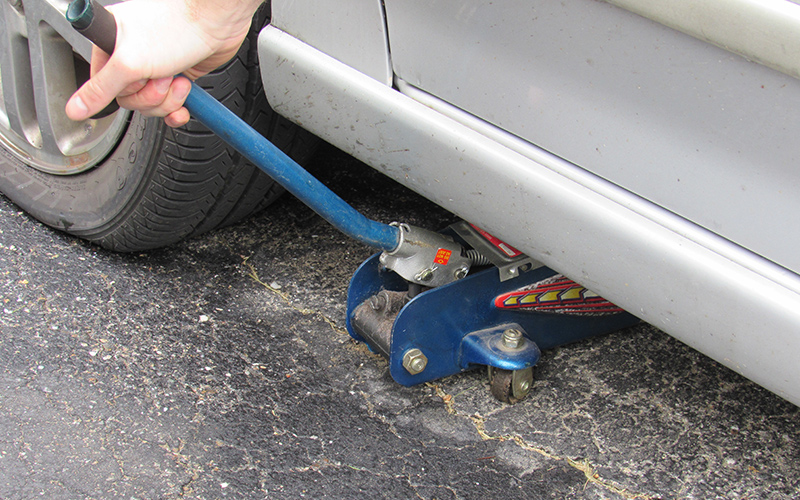
Start pumping the handle slowly and smoothly. Each pump lifts the jack higher. Keep a steady rhythm to avoid jerks. Stop if you feel resistance or hear strange sounds. Smooth pumping makes lifting easier and safer.
Raising The Load Safely
Lift the load until the tire clears the ground. Watch the jack and vehicle for any movement. Never go under the vehicle without support stands. Use jack stands to hold the weight securely. Safety comes first when raising the load.
Troubleshooting Common Issues
Troubleshooting common issues with your floor jack helps keep it working well. Problems like not lifting, slow lifting, or a hard-to-pump handle are common. Understanding these issues saves time and effort. It also helps you avoid damage or accidents.
Jack Not Lifting
Check if the jack has enough hydraulic fluid. Low fluid stops the jack from lifting. Also, look for air trapped inside the system. Bleed the jack to remove air. Another cause is a worn or damaged seal. Replace seals if you see leaks or cracks.
Slow Or Uneven Lifting
Slow lifting may mean dirty or thick hydraulic fluid. Change the fluid regularly for smooth operation. Uneven lifting can come from a bent or damaged arm. Inspect the arm and fix or replace it. Make sure the jack is on a flat surface before use.
Handle Difficult To Pump
Hard pumping happens if the handle’s pivot is dry or rusty. Lubricate the pivot points with oil. Check if the release valve is fully closed. A loose valve makes pumping harder. Tighten the valve to the correct level.
Maintenance Tips
Maintaining your floor jack helps it work smoothly and last longer. Regular care prevents problems that stop it from lifting properly. Simple steps keep the jack safe and ready to use whenever you need it.
Regular Lubrication
Keep all moving parts of the floor jack well-lubricated. Use light machine oil or grease on the joints and wheels. Lubrication reduces friction and wear. It helps the jack lift easily without sticking or noise.
Checking For Leaks
Inspect the jack for oil leaks often. Leaks lower hydraulic pressure and make lifting hard. Look under the jack and around seals for wet spots. Fix leaks quickly by replacing worn seals or adding fluid.
Proper Storage
Store the floor jack in a dry, clean place. Avoid damp or dusty areas that cause rust or clog parts. Keep the jack lowered to reduce stress on the hydraulic system. Proper storage protects the jack and keeps it ready to use.

Credit: www.youtube.com
Credit: www.homedepot.com
Frequently Asked Questions
How Do You Operate A Floor Jack Safely?
To operate a floor jack safely, position it under the vehicle’s lifting point. Pump the handle smoothly to raise the jack. Always use jack stands for support. Avoid sudden movements and never exceed the jack’s weight limit. Ensure the surface is flat and stable before lifting.
Why Won’t My Floor Jack Lift The Vehicle?
If your floor jack won’t lift, check for air in the hydraulic system. Release any pressure and try pumping the handle slowly. Inspect for leaks or low hydraulic fluid. Also, ensure the release valve is fully closed. Worn seals may require repair or replacement.
How High Can A Typical Floor Jack Lift?
Most floor jacks lift between 6 and 20 inches high. The maximum height depends on the model and its design. Always check your jack’s specifications before use. Never exceed the recommended height for safety reasons.
What Maintenance Keeps A Floor Jack Working Well?
Regularly check hydraulic fluid levels and top up if low. Inspect for leaks, rust, or damaged parts. Lubricate moving components to ensure smooth operation. Store the jack in a dry place to prevent corrosion. Proper maintenance extends the jack’s lifespan.
Conclusion
Using a floor jack correctly keeps you safe and your work easy. Check the jack’s parts before lifting. Pump the handle steadily to raise it. Always place the jack on a flat, solid surface. Never rush the process or ignore safety steps.
Practice a few times to get comfortable. This simple tool saves effort on many jobs. Keep it clean and well-oiled for best use. Remember, careful handling helps avoid accidents. Now, you can lift confidently and work smarter.