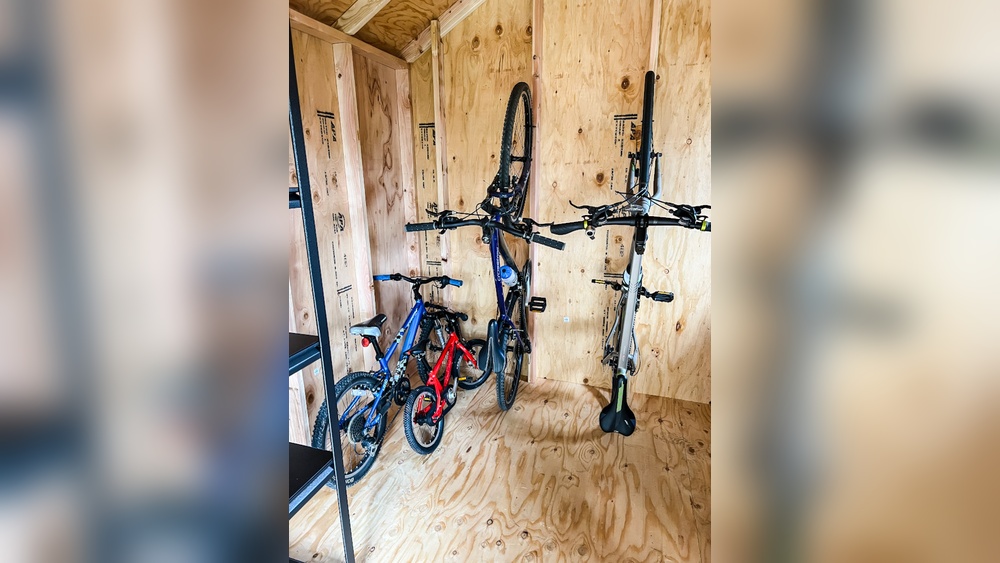
Looking for a smart way to save space and keep your bike safe? Hanging your bike on a wall with hooks is an easy and effective solution you can do yourself.
Imagine freeing up floor space, preventing damage, and making your bike a cool part of your room’s decor. In this guide, you’ll discover simple steps to hang your bike securely and stylishly, even if you’re not a DIY expert. Ready to transform your space and protect your bike?
Let’s get started!
Choosing The Right Hooks
Choosing the right hooks for hanging your bike on a wall is important. The right hooks keep your bike safe and save space. Picking hooks that fit your bike’s size and weight is key. Also, the material and strength of the hooks matter a lot. This guide helps you find the best hooks for your bike.
Types Of Bike Hooks
Bike hooks come in many shapes and styles. Some hooks hold the bike by the wheel. Others support the frame. There are vertical hooks that save more space. Horizontal hooks are easier to use. Choose a type that fits your wall space and bike style.
Weight Capacity Considerations
Check the hook’s weight limit before buying. Your bike’s weight must be less than the hook’s capacity. This prevents the hook from bending or breaking. Heavy bikes need strong hooks. Light bikes can use simple hooks. Always choose hooks with a higher weight rating than your bike.
Material And Durability
Hooks come in steel, plastic, or coated metal. Steel hooks are strong and last long. Plastic hooks may break under heavy weight. Coated hooks resist rust and protect your bike. Choose hooks made from durable materials. This keeps your bike safe for years.

Credit: storeyourboard.com
Selecting The Ideal Wall Spot
Choosing the right spot on your wall is key to hanging your bike safely and easily. The wall must hold the bike’s weight without damage. Picking a good location also makes your bike easy to grab and put away. This step helps keep your space tidy and your bike protected.
Assessing Wall Material
Check what type of wall you have. Drywall is common but may not hold heavy weight. Brick, concrete, or wood walls are stronger options. Use hooks made for your wall type. This keeps the bike steady and prevents accidents.
Finding A Stud
Studs are wooden beams behind drywall. They support heavy items best. Use a stud finder to locate these beams. Mark the stud area before drilling. Hanging your bike on a stud keeps hooks secure and your bike safe.
Height And Accessibility
Pick a height that lets you hang and remove the bike easily. Too high can be hard to reach. Too low may waste space. Make sure the bike does not block doors or walkways. Easy access saves time and effort every day.
Preparing Your Tools And Materials
Preparing your tools and materials is the first step to hang your bike on a wall with hooks. Having everything ready helps you work faster and safer. It also prevents mistakes and frustration. This part of the process sets the foundation for a smooth installation.
Essential Tools Needed
You need a few basic tools. A drill is necessary to make holes in the wall. Use a screwdriver to tighten screws into the hooks. A tape measure helps find the right height for your bike. A pencil marks the spots where you drill. Anchors and screws hold the hooks firmly in place. Choose hooks that fit your bike’s weight and size.
Safety Gear Tips
Safety should be your priority. Wear safety goggles to protect your eyes from dust and debris. Use gloves to keep your hands safe from sharp edges. A dust mask prevents inhaling particles from drilling. Make sure to work in a well-lit area. Keep your workspace clear to avoid trips and falls.

Credit: www.liv-cycling.com
Step-by-step Hook Installation
Installing hooks on your wall is a simple way to hang your bike safely. Follow these steps carefully to ensure the hooks hold well. Preparation and accuracy are key for a secure setup. This guide breaks down the process into clear, easy tasks. Start with marking the correct positions for your hooks.
Marking Hook Positions
Choose a spot on the wall to hang your bike. Measure the distance between the bike’s hanging points. Use a pencil to mark spots on the wall. These marks show where the hooks will go. Check the marks are level using a ruler or spirit level. Correct placement keeps your bike balanced and steady.
Drilling And Anchoring
Select a drill bit that fits the wall anchors. Drill holes at the marked positions carefully. Insert wall anchors into the holes. Anchors keep the hooks firm, especially in drywall or plaster. Press anchors flush with the wall surface. Avoid drilling too deep or wide holes.
Securing The Hooks
Align the hooks with the wall anchors. Screw the hooks into the anchors tightly. Use a screwdriver or drill for a strong hold. Check the hooks do not move or wiggle. Hang your bike gently to test the strength. Tight hooks protect your bike and wall.
Hanging Your Bike Safely
Hanging your bike on a wall helps save space and keeps your bike safe. Doing it correctly prevents damage and keeps the bike steady. Follow simple steps to hang your bike safely and avoid common mistakes. Proper hook placement, protecting the frame, and adjusting for bike types matter most.
Proper Hook Placement For Balance
Place hooks where the bike feels balanced and stable. Usually, hooks go under the top tube or on the wheels. Check that the bike does not tilt or slip. Space hooks wide enough to support the bike’s weight. Secure hooks firmly into wall studs or anchors. Balance stops the bike from falling or swinging.
Avoiding Frame Damage
Protect the bike frame by using padded hooks or covers. Avoid sharp hooks that can scratch or dent the frame. Place hooks on strong parts like the frame’s top tube, not on delicate parts. Do not hang the bike by the wheels only. Regularly check the hooks for wear or damage.
Adjusting For Different Bike Types
Different bikes need different hanging methods. Mountain bikes often need wider hook spacing. Road bikes are lighter and may hang well by the wheels. Kids’ bikes might need lower hooks for easy reach. Check your bike’s shape and weight before hanging. Adjust hook position to fit your bike safely.
Maximizing Space With Multiple Bikes
Storing multiple bikes on a wall saves floor space and keeps your area tidy. Using hooks properly helps hang more bikes safely and neatly. Planning the layout is key to avoid clutter and damage.
Spacing Hooks Correctly
Measure the width of each bike before placing hooks. Leave enough space between hooks for bike handlebars and pedals. Space hooks about 12 to 18 inches apart for most bikes. Proper spacing prevents bikes from touching and scratching each other. Mark spots on the wall to keep hooks even and aligned.
Vertical Vs. Horizontal Hanging
Vertical hanging saves the most floor space. Hang bikes by the front or rear wheel to stand them upright. This method fits many bikes in a small area. Horizontal hanging uses more wall space but keeps bikes easy to grab. Choose vertical hanging for tight spaces and horizontal for wide walls.
Using Additional Storage Accessories
Install shelves or baskets near bike hooks for helmets and gear. Use wall-mounted racks to hold bike tools and pumps. Hooks with built-in trays catch small parts or gloves. These accessories keep everything organized and close to your bikes. Combine hooks and storage to make the most of your wall space.
Maintaining Your Wall Bike Storage
Maintaining your wall bike storage keeps your bike safe and your space neat. Regular care helps avoid damage to both the bike and the wall. It also extends the life of your hooks and storage setup. Simple steps can make a big difference in keeping everything secure and clean.
Regular Hook Inspection
Check your hooks often for signs of wear or bending. Look for loose screws or nails in the wall. Tighten any loose parts to keep hooks firm and stable. Replace hooks if they show cracks or rust. This prevents accidents and protects your bike from falling.
Cleaning Tips
Dust and dirt can build up on hooks and walls. Wipe hooks with a damp cloth to remove grime. Use mild soap if needed, but avoid harsh chemicals. Clean the wall area around the hooks to stop dirt buildup. Keeping the storage clean helps maintain a fresh look and prevents damage.
Handling Seasonal Changes
Humidity and temperature changes affect your bike and hooks. In damp seasons, check for rust and dry hooks thoroughly. Avoid storing your bike in places with extreme heat or cold. Adjust your storage setup to protect from moisture and temperature shifts. Seasonal care keeps your wall bike storage safe year-round.

Credit: www.liftingitalia.com
Frequently Asked Questions
How Do I Choose The Right Hooks For Bike Hanging?
Select sturdy hooks rated for your bike’s weight. Look for rust-resistant, padded hooks to protect the frame. Ensure the hooks fit your bike’s tire or frame size for secure hanging and easy access.
Where Is The Best Place To Hang A Bike On The Wall?
Choose a wall with studs for strong support. Avoid drywall-only areas to prevent damage. Hang your bike at a height that’s easy to reach and keeps it out of high-traffic zones.
How Do I Safely Install Bike Hooks On Drywall?
Locate studs using a stud finder and mark them. Use screws rated for heavy loads and drill pilot holes. Avoid hanging directly on drywall without anchors to prevent accidents or damage.
Can I Hang Any Type Of Bike Using Wall Hooks?
Most bikes, including road, mountain, and hybrid, can be hung. Ensure the hooks are suitable for your bike’s tire width or frame shape. Adjust hook placement to avoid scratching or bending the bike.
Conclusion
Hanging your bike on the wall saves space and keeps it safe. Choose strong hooks and find the right spot on the wall. Make sure to measure and mark before drilling holes. Secure the hooks tightly to hold the bike’s weight.
This simple method helps keep your room tidy and your bike easy to reach. With a little care, your bike stays in good shape and your space looks neat. Try it yourself and enjoy the benefits of a well-organized home.