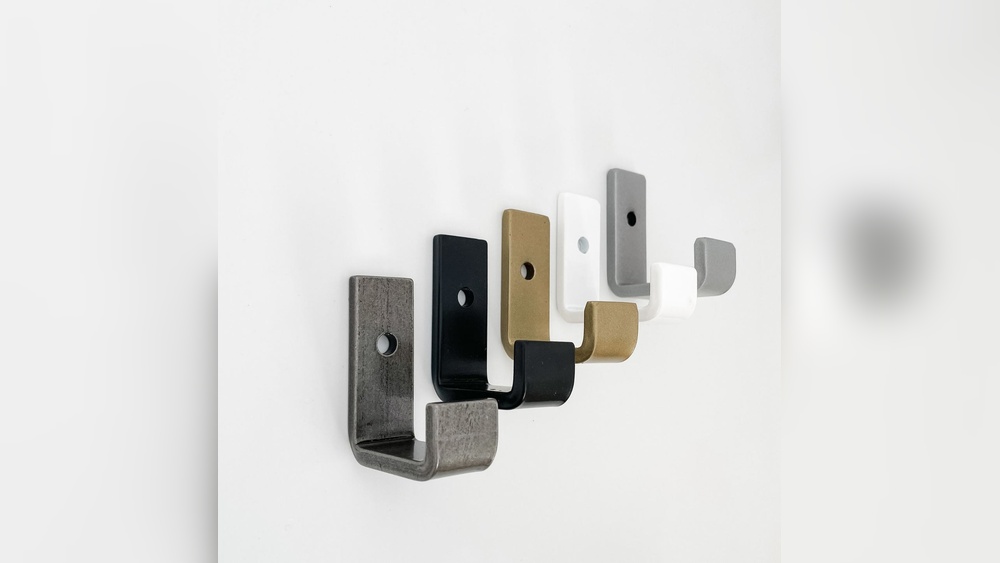
Looking for a way to add charm and function to your space? Making stone wall hooks is easier than you think, and they bring a unique, rustic touch to any room.
Imagine creating sturdy hooks that not only hold your keys, coats, or bags but also become a stylish feature on your walls. In this guide, you’ll discover simple steps to craft your own stone wall hooks, even if you’ve never worked with stone before.
Ready to transform your walls and organize your space with a personal touch? Let’s dive in and make something amazing together.

Credit: beachyrustica.mysupadupa.com
Choosing The Right Stone
Choosing the right stone is key to making strong, lasting wall hooks. The stone must be tough enough to hold weight. It should also look good and fit your space. Picking the right stone makes your project easier and more successful.
Types Of Stones For Hooks
Many stones work well for hooks. Granite is very strong and wears well. Limestone has a smooth surface and is easy to shape. Slate is flat and attractive for a modern look. Sandstone offers a natural texture and warm color. Each stone brings a unique style and strength.
Selecting Durable Materials
Durability matters most for stone wall hooks. Choose stones that resist cracking and breaking. Hard stones last longer under daily use. Check the stone for any cracks or weak spots. Avoid soft stones that may chip or crumble easily.
Sourcing Stones Locally
Finding stones near you saves money and effort. Local stones often match your environment better. Visit quarries or natural stone suppliers. You might find unique stones that add character. Always ask about the stone’s quality and origin.

Credit: www.amazon.com
Tools And Materials Needed
Making stone wall hooks requires the right tools and materials. Choosing the correct items helps create strong and durable hooks. It also makes the process easier and safer. Prepare everything before starting your project.
Essential Tools For Shaping
Start with tools that shape the stone. A chisel and hammer are key for carving. Use a stone grinder for smoothing edges. A drill with a masonry bit helps make holes for mounting. A measuring tape ensures correct size and placement.
Hardware And Fasteners
Choose strong screws or anchors to fix hooks to walls. Use wall plugs designed for stone surfaces. Hooks can be metal or sturdy wire shaped to hold items. Pick rust-resistant materials to prevent damage over time.
Safety Equipment
Wear safety goggles to protect your eyes from dust and chips. Use gloves to guard your hands during carving. A dust mask keeps you safe from inhaling stone particles. Work in a well-ventilated area to reduce dust buildup.
Preparing The Stone
Preparing the stone is an important step before making stone wall hooks. It makes sure the hooks hold well and look good. Careful preparation helps the stone last longer and keeps the hooks stable. Follow these steps to get the stone ready for your project.
Cleaning And Smoothing
Start by cleaning the stone surface. Remove dirt, dust, and loose pieces with a brush or cloth. Washing the stone with water can help clear stubborn grime. Let the stone dry completely before the next step.
Smooth the surface using sandpaper or a stone file. This removes rough spots and makes drilling easier. A smooth area helps the hook stick better and prevents cracks.
Marking Hook Placement
Decide where to place each hook on the stone. Use a pencil or chalk to mark these spots clearly. Measure carefully to keep the hooks evenly spaced. Clear marks help guide your drilling and avoid mistakes.
Drilling Holes Safely
Wear safety glasses and gloves before drilling. Choose the right drill bit for stone or masonry. Start drilling slowly to avoid cracking the stone. Keep the drill steady and apply light pressure.
Drill holes to the correct depth for your hooks. Clean out dust from the holes before inserting hooks. Safe drilling protects both you and the stone.

Credit: www.amazon.com
Attaching Hook Hardware
Attaching hook hardware to a stone wall requires care and the right tools. This step ensures your hooks hold well and last long. Follow simple guidelines to secure hooks firmly in stone.
Choosing The Right Hooks
Select hooks made of sturdy materials like stainless steel or brass. These resist rust and hold weight well. Choose hooks with a flat base for better contact with the stone. Consider the size of the items you plan to hang. Bigger items need stronger, larger hooks.
Securing Hooks To Stone
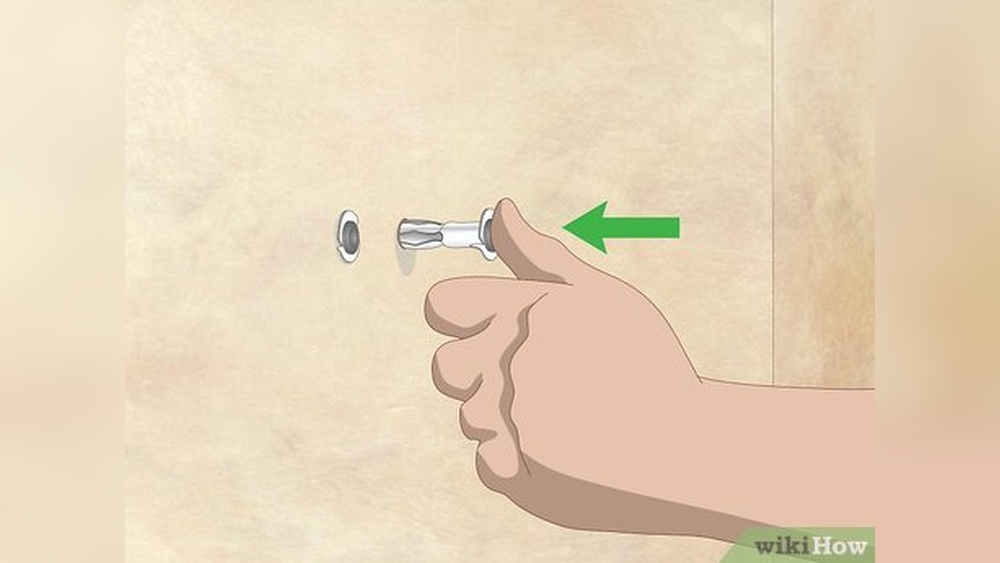
Mark the spot on the stone where you want the hook. Use a masonry drill bit to make a small hole. Drill slowly to avoid cracking the stone. Insert a plastic anchor into the hole for extra grip. Screw the hook into the anchor tightly but gently. Avoid overtightening to prevent damage.
Ensuring Stability And Strength
Test the hook by gently pulling it after installation. A firm hook will not move or wiggle. For heavy items, use multiple hooks for support. Check hooks regularly for any looseness. Tighten screws if needed to maintain stability.
Finishing Touches
Finishing touches bring your stone wall hooks to life. These final steps protect and beautify your creation. They also ensure your hooks last a long time. Pay attention to these details for a polished look.
Sealing And Protecting Stone
Apply a stone sealer to protect against moisture and dirt. Use a brush or spray for even coverage. Let the sealer dry fully before use. This step keeps your stone strong and clean for years.
Adding Decorative Elements
Decorate hooks with paint or small accents. Choose colors that match your room’s style. Attach small stones or metal pieces carefully. These touches make each hook unique and eye-catching.
Mounting Tips For Walls
Use strong anchors for heavy stone hooks. Mark drill spots carefully before drilling. Ensure hooks are level and secure on the wall. Check stability by gently pulling after installation.
Creative Ideas And Uses
Stone wall hooks add charm and function to any space. They bring a natural, rustic look that fits many styles. These hooks are versatile and strong. You can use them inside your home or outside. Here are some creative ideas to use stone wall hooks in different ways.
Hooks For Indoor Spaces
Stone hooks work well in hallways and entryways. Hang coats, hats, or scarves on them. In kitchens, use hooks for towels or utensils. Bathrooms benefit from stone hooks for robes or towels. They create a cozy, natural feel. Stone hooks also fit well in bedrooms to hold jewelry or bags. These hooks keep items organized and easy to reach.
Outdoor Hook Applications
Stone hooks are perfect for gardens and patios. Hang tools, watering cans, or gloves near your garden area. Use them to display outdoor lights or decorations. On porches, stone hooks hold hats or jackets. They resist weather and add a rugged look. These hooks make outdoor spaces tidy and stylish.
Combining Multiple Hooks
Group several stone hooks for a strong visual impact. Create a pattern or row to hang many items. Mixing different sizes adds interest. Use grouped hooks in mudrooms for family coats. In kitchens, group hooks for pots and pans. This arrangement saves space and looks neat. Multiple hooks offer more storage and decorative appeal.
Troubleshooting Common Issues
Troubles with stone wall hooks can slow your project. Fixing these issues keeps your hooks strong and safe. This section explains simple solutions for common problems.
Fixing Loose Hooks
Loose hooks happen when the screws or anchors fail. Tighten screws with a screwdriver first. If that does not help, remove the hook and check the hole.
Fill the hole with wood filler or epoxy. Wait for it to dry. Drill a new pilot hole carefully. Reattach the hook with a longer or thicker screw for better grip.
Dealing With Cracks
Cracks in the stone can weaken the hook’s hold. Clean the crack gently with a brush. Use a stone or masonry adhesive to fill the crack.
Apply the adhesive with a small tool or brush. Let it dry completely before reattaching the hook. Avoid heavy items on cracked stone to prevent worse damage.
Maintaining Stone Hooks Over Time
Check hooks regularly for loosening or damage. Clean hooks and stone surface with a soft cloth. Avoid harsh chemicals that can erode stone or metal.
Re-tighten screws every few months to keep hooks secure. Replace hooks that show rust or wear. Proper care extends the life of your stone wall hooks.
Frequently Asked Questions
What Materials Are Needed To Make Stone Wall Hooks?
You need natural stones, strong adhesive, metal hooks, a drill, and safety gear. Choose durable stones for lasting hooks. Use masonry adhesive for a secure bond. Metal hooks should match your wall style and weight requirements.
How Do You Attach Hooks To A Stone Wall?
Clean the wall surface and stone. Apply strong masonry adhesive to the stone’s back. Press firmly onto the wall and let it cure. For heavy hooks, use a drill and anchors for extra support.
Can Stone Wall Hooks Hold Heavy Items?
Yes, if properly installed. Use large, solid stones and heavy-duty adhesive. Secure hooks with anchors in drilled holes for maximum strength. Always check weight limits before hanging heavy objects.
Are Stone Wall Hooks Suitable For Outdoor Use?
Absolutely, stone wall hooks are weather-resistant. Choose stones that withstand outdoor elements. Use waterproof adhesive and rust-proof metal hooks. Regularly inspect for damage to ensure durability.
Conclusion
Making stone wall hooks is simple and fun. You only need a few tools and some patience. These hooks add charm and usefulness to any room. Try different shapes and sizes to fit your style. Enjoy the process and the final product.
Your space will look unique and feel more organized. Keep practicing to improve your skills. Small projects like this bring big satisfaction. Give it a try today!