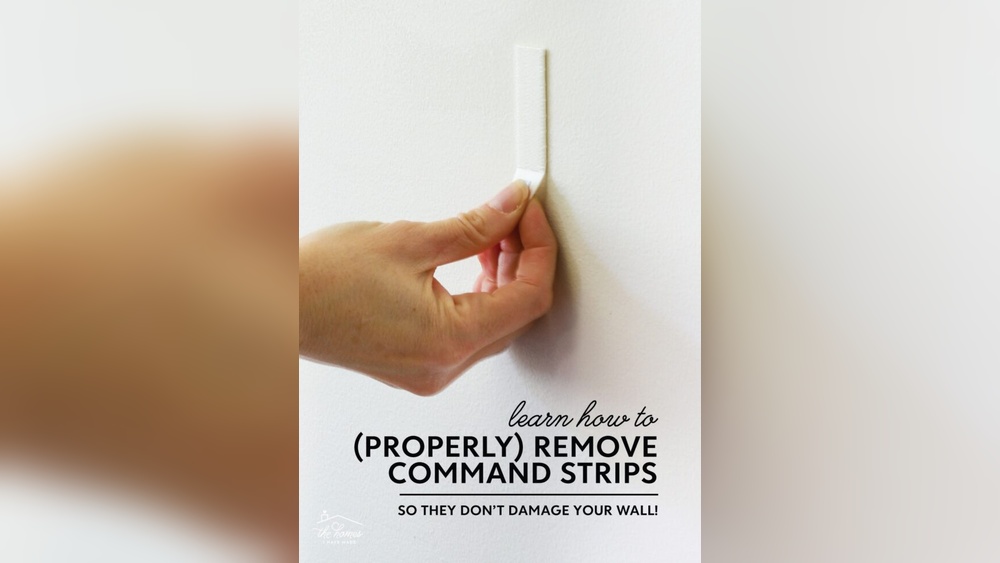
Have you ever pulled a Command hook off your wall, only to find a patch of paint peeling away with it? It’s frustrating, especially when you’ve worked hard to keep your walls looking perfect.
But what if you could remove those hooks easily without damaging your paint or leaving a mess behind? You’ll discover simple, effective steps to get Command hooks off your wall safely. Say goodbye to ruined paint and hello to hassle-free removal.
Keep reading—you’ll be amazed at how easy it can be!
Credit: thehomesihavemade.com
Why Paint Peels With Command Hooks
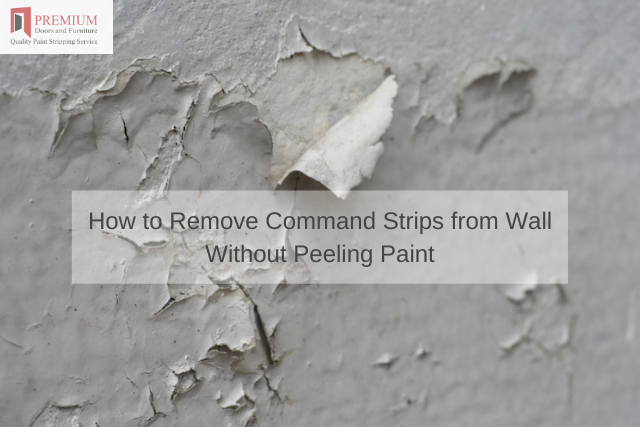
Command hooks are popular for hanging items without nails or screws. They use strong adhesive strips that stick firmly to walls. Sometimes, paint peels off when removing these hooks. This can damage your wall and ruin the look. Understanding why paint peels helps prevent this problem.
Adhesive Strength And Wall Surface
Command hooks use strong glue to hold items tightly. This glue sticks to both the hook and the wall surface. If the wall has weak or old paint, the glue pulls the paint off when removed. Smooth walls with fresh paint usually hold better. Rough or textured walls increase the risk of peeling paint.
The adhesive strength is good for holding weight but can be too strong for some paint types. Paint that is not well bonded to the wall can lift easily. Walls with multiple layers of paint or poor preparation are more vulnerable.
Common Mistakes During Removal
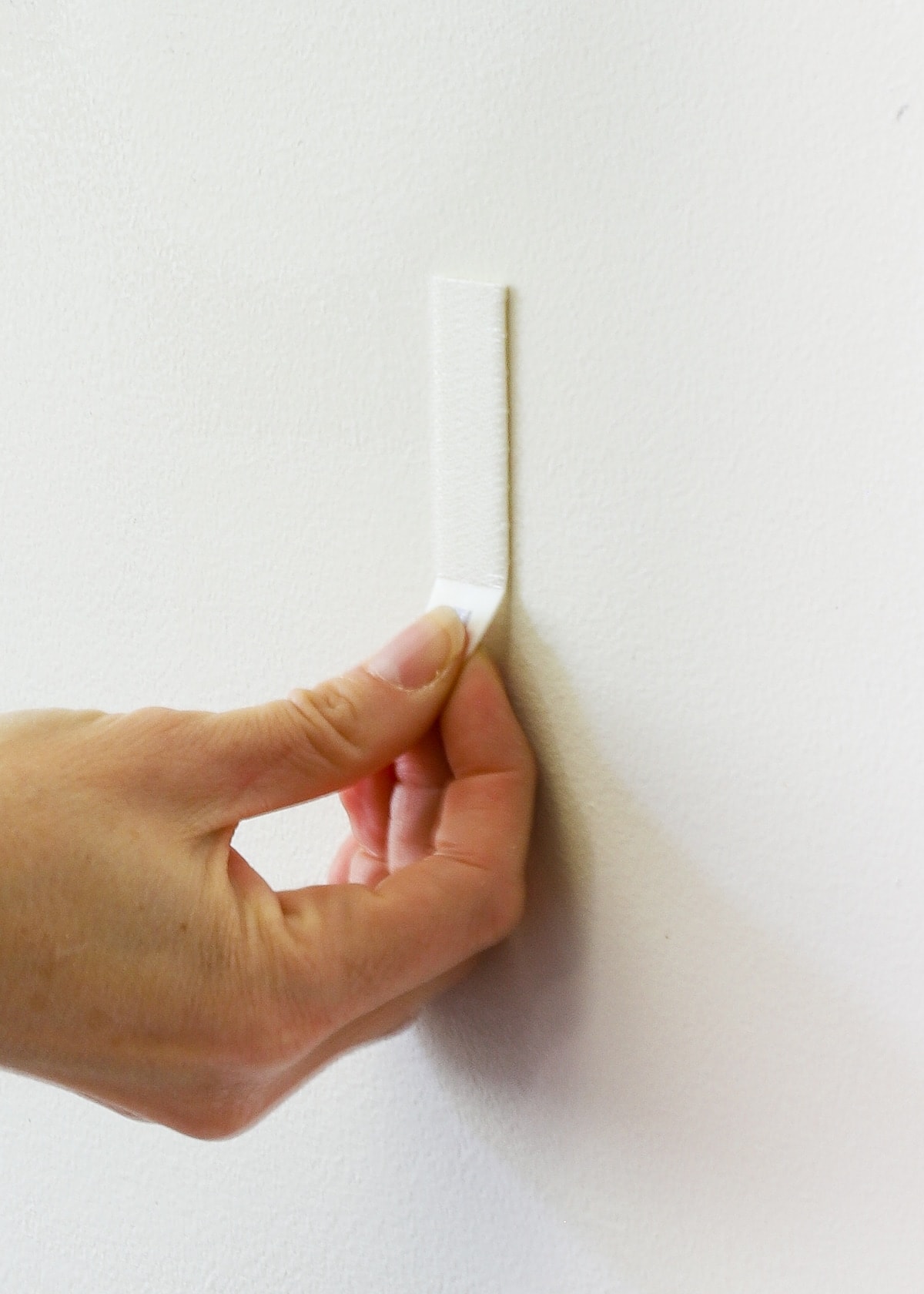
People often pull the hook off quickly. This sudden force can rip the paint away. The right method involves slowly stretching the adhesive strip downwards. Pulling it straight out or too fast causes damage.
Another mistake is removing the hook without warming the adhesive. Heat softens the glue, making removal easier. Cold or dry walls make the glue stick tighter. Not following the removal instructions increases paint peeling risk.
Credit: premiumdoorstripping.co.uk
Tools Needed For Safe Removal
Removing Command hooks without peeling paint needs care and the right tools. The tools help soften the adhesive and gently separate the hook from the wall. Using the correct items prevents damage and keeps your wall smooth. Here are the essential tools for safe removal.
Hair Dryer Or Heat Gun
Heat softens the glue, making it easier to remove hooks. A hair dryer or heat gun works well for this task. Warm the adhesive by moving the heat source over the hook area. Keep the heat low to avoid wall damage. This step loosens the glue without peeling paint.
Dental Floss Or Fishing Line
Dental floss or fishing line helps cut through the adhesive gently. Slide the floss or line behind the hook base. Use a sawing motion to separate the glue from the wall. This method reduces pulling on the paint. It is effective and safe for delicate surfaces.
Plastic Card Or Spatula
A plastic card or spatula lifts the hook without scratching the wall. Slide the card under the hook’s edge after heating the glue. Gently pry the hook away while moving the floss or line. Avoid using metal tools that can damage paint. Soft, plastic tools protect your wall’s finish.
Step-by-step Removal Process
Removing Command hooks without peeling paint needs care and the right steps. Following a clear method helps protect your walls. This step-by-step process shows how to remove hooks safely. It keeps your paint intact and your walls looking good.
Warm The Adhesive
Use a hairdryer to warm the adhesive strip. Hold it close but not too hot. Heat softens the glue, making it easier to remove. Warm the strip for about 30 seconds. This step reduces the chance of paint damage.
Slide Floss Behind The Hook
Take a piece of dental floss or thin string. Gently slide it behind the Command hook base. Move it slowly from side to side. The floss cuts through the softened adhesive. Be careful not to press too hard on the wall.
Gently Pull To Release Adhesive
Pull the floss downward, stretching the adhesive strip. Keep the pull steady and slow. Avoid sudden or fast movements. The adhesive will stretch and release without peeling paint. Stop if you feel resistance, then try warming again.

Credit: www.reddit.com
Tips To Protect Paint While Removing
Removing Command hooks without damaging paint takes care and patience. The right steps help keep your walls looking fresh and clean.
These tips protect paint while you remove hooks. Follow them closely to avoid peeling or marks on your wall.
Pull Slowly And Steadily
Pull the adhesive strip down slowly. Use even pressure to avoid sudden jerks. This helps release the glue gently. Quick pulls can peel paint off the wall. Keep your hand steady for a smooth removal.
Use Heat To Soften Adhesive
Apply gentle heat with a hairdryer to the adhesive strip. Warmth softens the glue, making it easier to pull off. Hold the hairdryer a few inches away for a few seconds. Avoid overheating, which can damage paint or wall texture.
Avoid Sharp Tools
Do not use knives or metal scrapers to remove the hook. Sharp tools can scratch or gouge the wall surface. Use your hands or plastic cards instead. They help lift the strip safely without harming the paint.
Aftercare For Walls Post Removal
After removing Command hooks, the wall needs some care. Proper aftercare keeps your wall smooth and damage-free. It helps maintain the paint and surface look fresh. Follow simple steps to clean and repair the wall. This care makes sure your walls stay ready for new hooks or decorations.
Clean Residual Adhesive
Sticky residue may remain on the wall after hook removal. Use a soft cloth with warm soapy water to wipe it gently. Avoid harsh scrubbing to protect the paint. Rubbing alcohol or adhesive removers work well on tough spots. Test a small area first to prevent paint damage. Clean the wall fully before moving to the next step.
Touch Up Paint If Needed
Small paint chips or marks can appear after hook removal. Use matching wall paint to fix these spots. Apply paint with a small brush or sponge for control. Let the paint dry completely before touching the area. This step keeps your wall looking neat and fresh. It also helps blend any imperfections smoothly.
Prevent Future Damage
Choose hooks designed for your wall type to avoid damage. Follow the package instructions for correct removal. Avoid pulling hooks off quickly or at an angle. Press gently when removing to protect the paint. Regular wall checks help catch any early damage. Proper care extends the life of your painted walls.
Alternatives To Command Hooks
Finding ways to hang items without damaging walls is important. Command hooks are popular but can sometimes peel paint. Choosing the right alternative protects your walls and keeps your space neat.
Several options work well and do not harm paint or drywall. These alternatives offer easy removal and strong holding power. They fit different needs and wall types.
Non-damaging Wall Hooks
Non-damaging wall hooks use gentle adhesives or special clips. They hold pictures, keys, or light decorations. These hooks peel off cleanly without leaving marks or peeling paint. They are good for renters or those who change decor often. Installation is simple and needs no tools.
Removable Adhesive Strips
Removable adhesive strips stick firmly to walls but come off easily. They work on smooth, clean surfaces like painted drywall or tile. These strips support moderate weight and do not damage paint when removed. They are perfect for hanging frames or small shelves. Follow the instructions to avoid leftover residue.
Magnetic Or Suction Hooks
Magnetic hooks attach to metal surfaces without adhesives. They hold items without touching the wall paint at all. Suction hooks work on glass, tile, or smooth metal. They create a vacuum seal to stay in place. Both options are reusable and leave no marks behind. Ideal for bathrooms, kitchens, or metal doors.
Frequently Asked Questions
How Do I Remove Command Hooks Without Damaging Paint?
Gently pull the adhesive strip downward, stretching it slowly. Avoid pulling outward or upward to protect the paint. This method releases the adhesive safely without peeling or damaging your wall’s surface.
What Is The Best Way To Stretch Command Hook Strips?
Hold the strip firmly at the bottom edge. Pull it straight down, keeping it parallel to the wall. Stretch the strip slowly until it releases completely without tearing or peeling paint.
Can Heat Help Remove Command Hooks Safely?
Yes, warming the adhesive with a hairdryer softens it. Heat the strip gently for 30 seconds before pulling. This reduces adhesive strength and helps prevent paint damage.
Why Does Paint Peel When Removing Command Hooks?
Pulling the strip at an angle or too quickly can peel paint. Also, removing hooks from freshly painted walls can cause damage. Proper technique and waiting at least a week after painting are crucial.
Conclusion
Removing Command hooks without peeling paint is easy and safe. Warm the adhesive with a hairdryer to loosen it. Pull the tab slowly, straight down, not out. This stops damage to your wall’s surface. Take your time and be gentle throughout.
Small steps protect your paint and finish. Now, you can keep your walls clean and smooth. No need to worry about unsightly marks or holes. Just follow these simple steps for perfect results. Your walls will thank you for the careful removal.