Hanging a robe hook on a chimney wall might sound tricky, but with the right steps, you can do it easily and securely. You want your robe hook to hold up without damaging your wall, right?
This guide will show you exactly how to choose the best spot, use the right tools, and install the hook so it stays strong for years. By the end, you’ll have a neat and practical solution that fits perfectly on your chimney wall.
Ready to get started? Let’s dive in!

Credit: www.amazon.com
Choosing The Right Robe Hook
Choosing the right robe hook is important for a chimney wall. The wrong hook can cause damage or not hold well. Picking the best hook helps it last longer and look good. Consider the material, design, size, and weight before buying. These factors affect how well the hook works and fits your space.
Material And Design Options
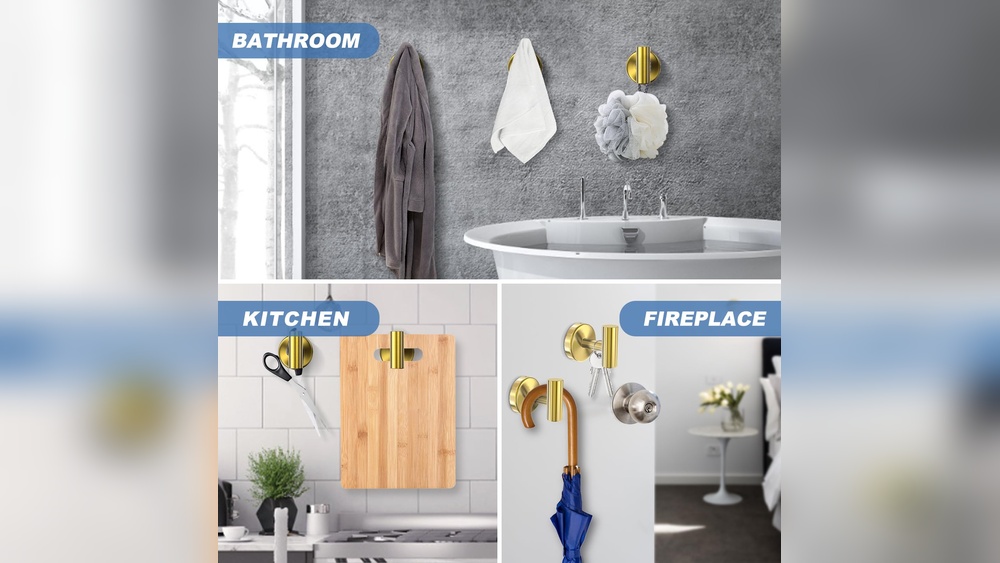
Robe hooks come in many materials like metal, plastic, and wood. Metal hooks are strong and last a long time. Stainless steel and brass resist rust and moisture well. Plastic hooks are light and often cheaper. Wood hooks add a natural look but may not hold heavy items.
The design matters for style and function. Simple hooks are easy to use and clean. Some hooks have double arms for extra hanging space. Pick a design that matches your room’s look and fits your needs.
Size And Weight Considerations
Size matters to fit the space on your chimney wall. Small hooks save space but hold less weight. Large hooks hold heavier robes or multiple items. Check the hook’s weight limit before buying. Make sure it can hold your robe without bending or falling.
Consider the size of your robes too. Thick or heavy robes need stronger hooks. Thin robes work fine on smaller hooks. Matching size and weight keeps your hook safe and steady.

Credit: www.reddit.com
Tools And Materials Needed
Hanging a robe hook on a chimney wall requires the right tools and materials. Using proper equipment makes the job easier and safer. Prepare all items before starting to avoid interruptions.
Essential Tools List
- Power drill with masonry bit
- Screwdriver (Phillips or flathead)
- Measuring tape
- Level
- Pencil or marker
- Wall anchors for masonry
- Robe hook with screws
- Hammer (optional for anchors)
Recommended Safety Gear
- Safety goggles to protect eyes from dust
- Dust mask to avoid inhaling brick dust
- Work gloves to protect hands
- Ear protection if drilling for long periods
Preparing The Chimney Wall
Preparing the chimney wall is the first step to hang a robe hook safely and securely. The chimney surface must be clean and dry. This helps the hook stick well or the screws hold firmly.
Choosing the right spot on the chimney wall matters. It affects how strong and useful the hook will be. Taking time to prepare the wall makes the job easier and lasts longer.
Cleaning The Surface
Remove dust, dirt, and loose particles from the chimney wall. Use a stiff brush or a vacuum cleaner for this. Clean walls help the adhesive or screws grip better. Avoid using water if the wall is porous. Let the wall dry completely before moving on.
Locating The Best Spot
Find a strong part of the chimney wall to hang the hook. Avoid weak or crumbly areas. Check for any cracks or damage. Choose a spot that is easy to reach and suits your needs. Mark the spot lightly with a pencil for accuracy.

Credit: shabbyfufu.com
Marking And Measuring
Marking and measuring are the first steps to hang a robe hook securely on a chimney wall. Accurate marks make sure the hook stays straight and strong. Taking time here prevents mistakes later. This part needs focus and care.
Using A Level And Tape Measure
Start by choosing the spot for your robe hook. Use a tape measure to find the right height on the chimney wall. Measure twice to avoid errors. Hold the level against the wall to check if the mark is even. The bubble in the level should be centered. This guarantees the hook will hang straight. Repeat these steps for each mark needed for your hook.
Marking Drill Points
With the tape measure and level, mark the drill points on the wall. Use a pencil for clear, light marks. Place the marks where the screws will go. Double-check distances between points to keep balance. Clear marks guide you during drilling. Avoid moving the level or tape after marking. This keeps the measurements precise and the hook stable.
Drilling Into The Chimney Wall
Drilling into a chimney wall requires care and the right tools. Chimney walls are often made of brick or stone, which are hard materials. You need to drill properly to avoid cracks or damage. Preparing well helps you hang your robe hook securely and safely.
Choosing The Right Drill Bit
Select a masonry drill bit for brick or stone walls. These bits have a special tip that cuts through hard surfaces. Pick a size that matches the anchor or screw you will use. Using the correct drill bit reduces the risk of breaking the wall.
Drilling Techniques For Masonry
Mark the exact spot where you want to drill. Use a hammer drill if possible; it makes drilling easier. Start drilling slowly to keep the bit steady. Apply firm but gentle pressure to avoid cracking the wall. Clear out dust from the hole often. This helps the drill work better and the anchor to fit tightly.
Installing Wall Anchors
Installing wall anchors is a key step to hang a robe hook on a chimney wall safely. The chimney surface is usually hard and uneven, making anchors necessary. Anchors provide strong support and stop screws from pulling out. Choosing the right type and installing it correctly ensures your robe hook stays in place for a long time.
Types Of Anchors For Chimney Walls
Plastic anchors work for light loads but may not hold well in chimney bricks. Metal expansion anchors fit tight in drilled holes and offer stronger support. Sleeve anchors expand inside the hole, gripping the chimney surface firmly. Choose anchors rated for masonry to avoid slipping or damage. Check the weight limit and size before buying.
Proper Anchor Installation
Start by marking the spot for the robe hook. Use a hammer drill with a masonry bit to drill holes. Drill to the right depth matching the anchor length. Clean dust out of the holes for better grip. Insert the anchors gently, tapping with a hammer if needed. Screw the robe hook carefully into the anchor, avoiding over-tightening. Test the hook’s hold by pulling gently.
Mounting The Robe Hook
Mounting the robe hook on a chimney wall needs care and the right tools. The chimney surface is often uneven or made of brick, so extra steps help ensure a strong hold. This guide covers how to attach the hook securely and check its position.
Attaching The Hook To Anchors
Start by drilling holes where you want the hook. Use a drill bit made for masonry or brick. Insert wall anchors into the holes. These anchors hold screws tightly in the chimney material.
Next, align the robe hook with the anchors. Screw it in slowly to avoid cracking the wall. Tighten the screws until the hook feels firm. Avoid over-tightening, which can damage the anchors or wall.
Ensuring Stability And Alignment
Check the hook’s position with a level. The hook must be straight for proper use and looks. Press gently on the hook to test its strength. It should not wiggle or feel loose.
Adjust the screws if needed, then clean the area. A well-mounted robe hook stays secure and lasts long. This simple care ensures your hook serves well on the chimney wall.
Testing And Adjustments
After hanging the robe hook on your chimney wall, testing and making adjustments is essential. This step ensures the hook stays secure and functions well. Proper testing prevents damage and keeps your robe safe.
Weight Testing The Hook
Place your robe or a similar item on the hook. Check if the hook holds the weight without moving or bending. Gently pull down on the robe to test strength. If the hook feels loose, it needs better support. Repeat this test a few times to confirm stability.
Making Final Adjustments
Look closely at the hook’s angle and position. Adjust the screws if the hook leans or shifts. Tighten all screws firmly but avoid over-tightening. Ensure the hook sits flush against the chimney wall. Small tweaks improve durability and keep your robe hook sturdy.
Maintenance Tips
Maintaining your robe hook on a chimney wall keeps it strong and looking good. Regular care helps avoid damage and extends its life. Follow simple steps to clean and check your hook.
Cleaning The Hook
Use a soft cloth to wipe the hook gently. Avoid harsh chemicals that can damage the finish. A mix of mild soap and water works well. Dry the hook after cleaning to stop rust and stains. Clean it regularly to keep it fresh and shiny.
Inspecting For Wear And Tear
Check the hook often for loose screws or cracks. Look at the wall area around the hook for damage. Tighten screws if the hook feels loose. Replace the hook if it shows signs of breaking. Early checks prevent bigger problems later.
Frequently Asked Questions
How Do I Drill Into A Chimney Wall Safely?
Use a masonry drill bit and a hammer drill for safe drilling. Wear protective gear and avoid hitting any wires or pipes inside the wall. Mark the spot clearly before drilling.
What Type Of Anchors Work Best On Chimney Walls?
Use heavy-duty masonry anchors like sleeve anchors or concrete screws. These provide strong support for hanging robe hooks on brick or stone surfaces. Avoid plastic anchors, as they may not hold well.
Can I Hang A Robe Hook Without Damaging The Chimney?
Yes, by using adhesive hooks or clamps designed for brick surfaces. These avoid drilling and preserve the chimney’s integrity. However, they may support lighter loads only.
How High Should I Install A Robe Hook On A Chimney Wall?
Install the hook at a convenient height, typically between 48 to 60 inches from the floor. This allows easy access for hanging robes and towels comfortably.
Conclusion
Hanging a robe hook on a chimney wall is easier than it seems. Use the right tools and follow the steps carefully. Mark the spot, drill with care, and secure the hook tightly. This method keeps your hook strong and steady.
Enjoy a neat and organized space with your new robe hook. Small efforts bring big changes to your room’s look. Keep practicing, and soon you’ll do it with confidence. Simple tasks like this make your home more functional and nice.