Have you ever struggled with a floor jack that just won’t go down? It can be frustrating when you’re ready to finish a job, but your jack seems stuck, leaving you stuck too.
Knowing how to get your floor jack to lower safely and smoothly can save you time and keep you safe. You’ll discover simple steps and easy fixes that anyone can use—no special tools or skills needed. Keep reading, and you’ll never have to worry about a stuck floor jack again.

Credit: www.reddit.com
Common Reasons Floor Jack Won’t Lower
Floor jacks are essential tools for lifting heavy objects safely. Sometimes, they fail to lower after lifting. Knowing common reasons why a floor jack won’t go down helps you fix it quickly.
Problems with floor jacks usually involve air pressure, fluid, valves, or mechanical parts. Each issue affects the jack’s ability to release pressure and lower smoothly.
Air Pressure Issues
Air trapped inside the hydraulic system can stop the jack from lowering. This air prevents fluid from flowing back into the reservoir. Bleeding the jack removes trapped air and restores proper function. Without releasing air, the jack stays stuck in the raised position.
Hydraulic Fluid Problems
Low or dirty hydraulic fluid causes the jack to malfunction. The fluid moves pressure to lift and lower the jack. If the fluid level is low, there is not enough pressure to lower it. Old fluid may clog the system, making it hard to release pressure. Checking and replacing hydraulic fluid often solves the problem.
Valve Malfunctions
The release valve controls the jack’s lowering action. If this valve is stuck or broken, the jack will not go down. Dirt, rust, or damage can block the valve from opening. Cleaning or replacing the valve allows fluid to flow back, enabling the jack to lower.
Mechanical Blockages
Parts inside the jack can get stuck or jammed. Dirt, rust, or worn parts cause mechanical blockages. These blockages stop the jack from moving down. Regular maintenance and lubrication help prevent these issues. Inspect the jack carefully to find and fix mechanical jams.

Credit: www.reddit.com
Safety Precautions Before Fixing
Safety is the top priority before fixing a floor jack. It protects you from injuries and damage. Taking simple steps can make a big difference. Always prepare well before starting the repair.
Wear Protective Gear
Wear gloves to protect your hands from sharp parts. Safety glasses shield your eyes from dirt and debris. Closed-toe shoes prevent foot injuries. Dress in clothes that cover your skin well.
Secure The Jack Properly
Place the jack on a stable spot before working. Use blocks or stands to hold the jack steady. Never rely on the jack alone to support weight. Check the jack’s locking mechanism before starting.
Work On A Flat Surface
Choose a flat, solid surface for the repair. Avoid slopes or uneven ground that cause slipping. Concrete floors or garage bays work best. A flat surface keeps the jack balanced and safe.
Quick Fixes To Lower A Stuck Floor Jack
Floor jacks sometimes get stuck and won’t go down. It can be frustrating, especially during urgent tasks. This section offers quick fixes that help lower a stuck floor jack safely. Each fix is easy to try and does not need special tools.
Follow these steps to bring your floor jack back to working order fast.
Check And Adjust The Release Valve
The release valve controls the jack’s lowering speed. It might be tight or blocked. Find the valve near the handle or base. Turn it slowly counterclockwise to open. If it does not move, try cleaning around it. Dirt or rust can stop it from working well.
Bleed Air From The System
Air trapped inside the hydraulic system causes the jack to stay up. Locate the bleed valve if available. Open it gently to let air escape. Pump the handle a few times to push air out. Close the valve securely after bleeding.
Inspect And Refill Hydraulic Fluid
Low or dirty hydraulic fluid affects jack performance. Check the fluid level through the fill hole or sight glass. Add the recommended hydraulic fluid if the level is low. Avoid overfilling. Clean fluid keeps the system smooth and responsive.
Lubricate Moving Parts
Moving parts may stick due to rust or dirt. Apply a light machine oil or grease on joints and hinges. Move the handle up and down to spread lubrication. Smooth parts help the jack lower without resistance.
When To Seek Professional Help
Knowing when to seek professional help with your floor jack can save time and prevent injury. Some problems need expert attention beyond simple fixes. Identifying these issues early keeps your equipment safe and working well.
Persistent Hydraulic Leaks
Hydraulic leaks often cause a floor jack to fail. If oil keeps leaking despite tightening seals, call a professional. Leaks reduce lifting power and create safety risks. Experts can locate and fix leaks properly.
Damaged Internal Components
Inside parts like valves and pistons wear out or break over time. These damages stop the jack from lowering correctly. Repairing internal components requires special tools and skills. Professionals know how to handle these repairs safely.
Safety Concerns
Any sign of instability or unusual noises means stop using the jack. Faulty floor jacks can cause accidents and injuries. A professional inspection ensures the jack is safe to use. Never risk personal safety over small repairs.
Preventive Tips To Keep Floor Jack Working
Keeping your floor jack working smoothly saves time and effort. Regular care stops problems before they start. Simple steps help the jack go down easily every time. Follow these tips to keep your floor jack in top shape.
Regular Maintenance Schedule
Check the floor jack often. Look for leaks and damaged parts. Change the oil every few months. Clean dirt and dust from all moving parts. Tighten bolts and screws to avoid loose pieces. This keeps the jack safe and working well.
Proper Storage Practices
Store the floor jack in a dry place. Avoid damp areas that cause rust. Lower the jack completely before storing it. Cover the jack to keep dust off. Keep it away from heavy tools or objects. Good storage extends the life of your jack.
Avoid Overloading
Know the weight limit of your floor jack. Never lift more than the rated capacity. Overloading strains the pump and seals. It can cause the jack to fail or get stuck. Use the right jack for the job size. Protect your tool by lifting safely.

Credit: www.youtube.com
Frequently Asked Questions
How Do I Safely Lower A Floor Jack?
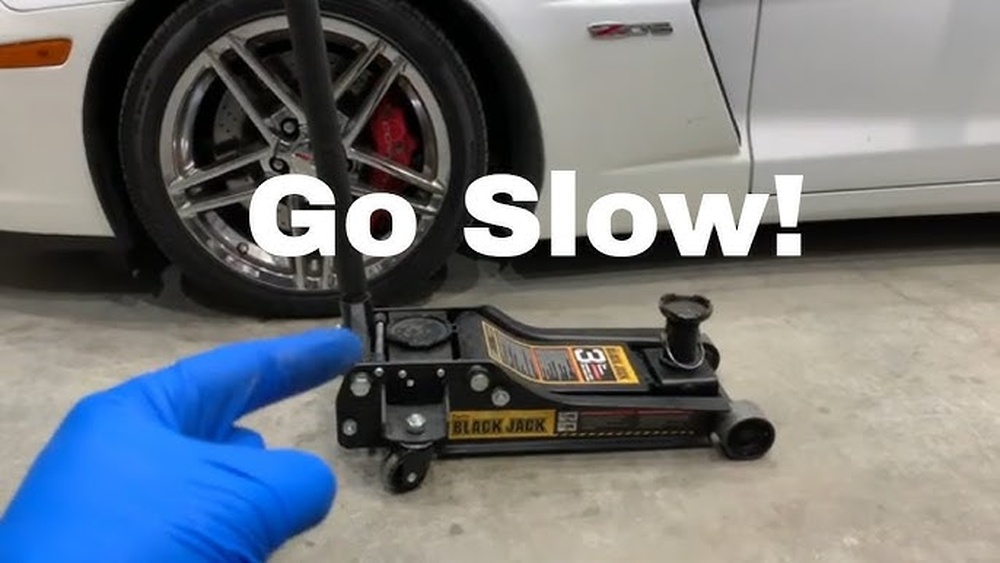
To safely lower a floor jack, slowly turn the release valve counterclockwise. This releases hydraulic pressure gradually. Always ensure the vehicle is stable before lowering. Never lower the jack too quickly to avoid accidents or damage.
Why Won’t My Floor Jack Go Down?
If your floor jack won’t go down, check for trapped pressure. The release valve might be stuck or clogged. Lubricate the valve and ensure it is fully opened. Also, inspect for hydraulic fluid leaks or air in the system.
Can I Fix A Stuck Floor Jack Release Valve?
Yes, you can fix a stuck release valve by cleaning and lubricating it. Use penetrating oil and gently tap the valve to free it. If damaged, replacing the valve might be necessary to restore proper function.
What Causes A Floor Jack To Stay Raised?
A floor jack may stay raised due to internal hydraulic pressure or a faulty release valve. Air trapped inside can also cause this issue. Bleed the jack and check all components for damage to resolve the problem.
Conclusion
Getting a floor jack to go down can be simple with the right steps. Check the release valve first. Make sure it is fully open and clean. Use light pressure on the handle to lower the jack slowly. Avoid forcing the jack down quickly.
Regular maintenance helps keep the jack working well. Keep the jack clean and lubricated. These small actions save time and keep you safe. Remember, patience is key when lowering a floor jack. Practice these tips to handle your jack with ease.