Are you planning to add shelves but not sure which shelf brackets to choose? Picking the right brackets is key to making your shelves strong and stylish.
The wrong type can lead to wobbly shelves or even damage to your walls. In this guide, you’ll discover exactly what kind of shelf brackets fit your needs, whether you’re holding heavy books or just displaying small decor. Keep reading to find the perfect match for your space and make your shelves both safe and attractive.

Credit: shelfology.com
Types Of Shelf Brackets
Shelf brackets come in many types. Each type serves a different purpose. Choosing the right bracket keeps shelves strong and stylish. Some brackets hide under the shelf. Others show off with unique designs. Some hold heavy items. Some fit small spaces.
Floating Brackets
Floating brackets are hidden inside the shelf. They give a clean, modern look. These brackets hold shelves without visible support. Perfect for a sleek and simple style. They work best with light to medium weight shelves. Installation requires careful drilling for strong hold.
L-shaped Brackets
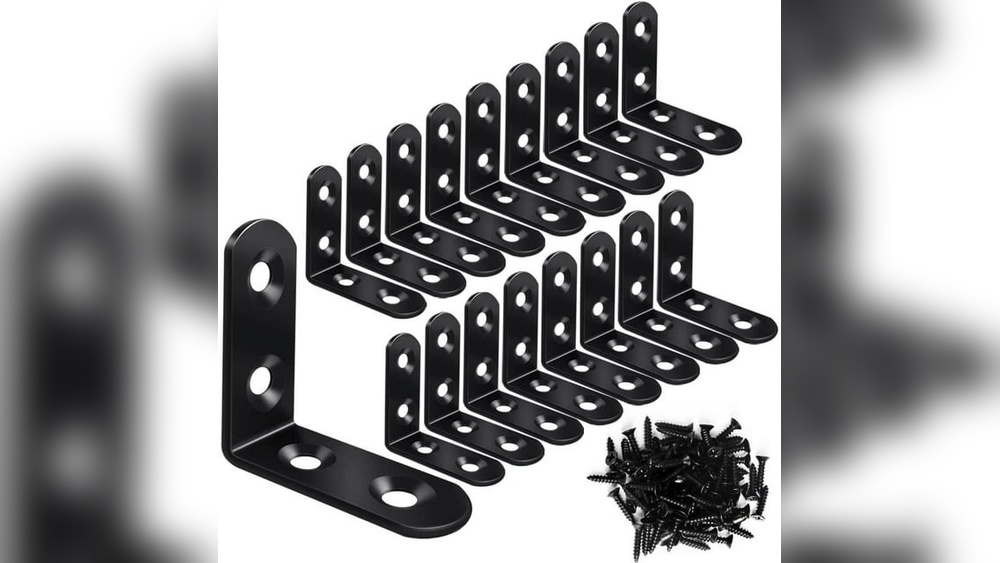
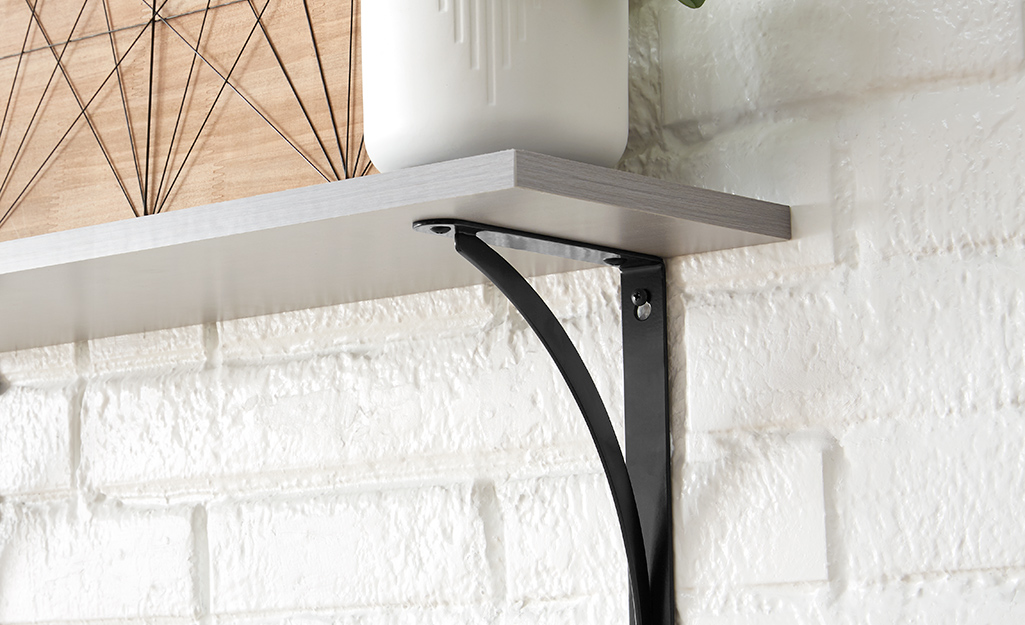
L-shaped brackets are common and easy to use. They form a right angle to support shelves. These brackets show on the wall and under the shelf. Made from metal or wood, they come in many sizes. Ideal for most rooms and shelf types. They provide solid support for everyday use.
Decorative Brackets
Decorative brackets add style to your shelves. They come in many shapes and patterns. Made from metal, wood, or plastic, they match any décor. These brackets are both functional and pretty. Great for living rooms, kitchens, and bedrooms. They hold shelves and improve the room’s look.
Heavy-duty Brackets
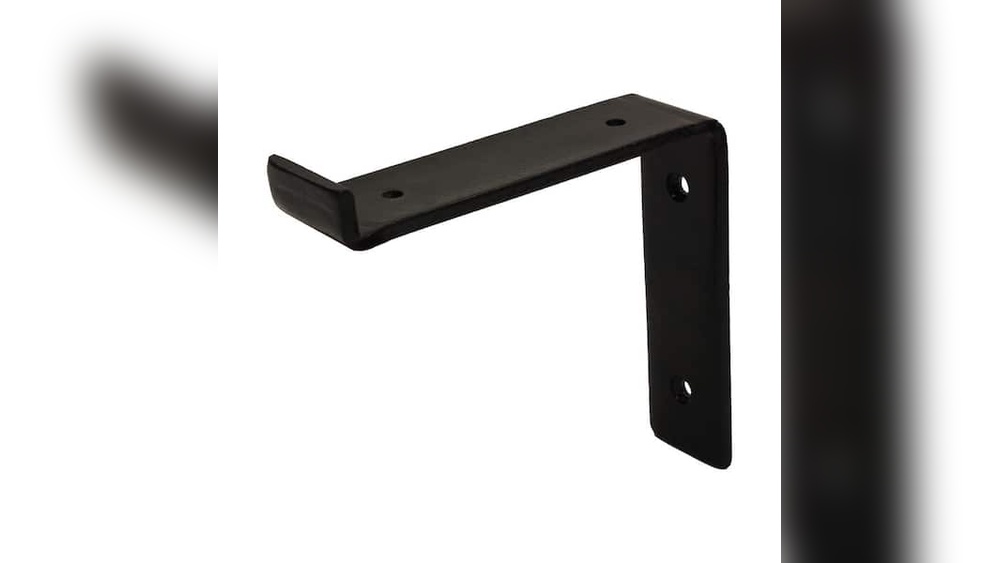
Heavy-duty brackets hold heavy shelves and items. Made from strong metal, they offer extra support. Used for garages, workshops, or storage rooms. These brackets prevent shelves from bending or breaking. Perfect for heavy books, tools, or equipment. Choose heavy-duty brackets for maximum strength.
Credit: www.homedepot.com
Materials And Finishes
Choosing the right shelf brackets means thinking about materials and finishes. These affect strength, style, and durability. Different materials suit different needs and spaces. Finishes protect the brackets and add to their look. Understanding these options helps pick the best brackets for your shelves.
Steel And Iron
Steel and iron brackets are strong and sturdy. They support heavy shelves and items well. These metals last long and resist bending. Black or silver iron brackets add a classic or industrial style. They work great in kitchens, garages, or living rooms. Steel brackets often have a clean, modern look.
Wood
Wood brackets bring a warm, natural feel. They come in many types, like oak, pine, or walnut. Wooden brackets fit well in cozy or rustic rooms. They may not hold as much weight as metal. Wood can be painted or stained to match your decor. Ideal for light to medium shelf loads.
Aluminum And Plastic
Aluminum brackets are lightweight and resist rust. They suit humid areas like bathrooms or outdoors. Plastic brackets are cheap and easy to install. They are best for very light shelves or decoration. Both materials offer many color choices. Not as strong as steel or wood but practical for small shelves.
Coatings And Paints
Coatings protect brackets from rust and wear. Powder coating creates a tough, smooth surface. Paint adds color and extra protection. Some finishes hide scratches and fingerprints well. Choose finishes that match your room’s style. Proper coating extends the life of your brackets.
Choosing Brackets By Shelf Weight
Choosing the right shelf brackets depends mainly on how much weight your shelf will hold. Brackets support the shelf and keep it safe. Knowing the weight class helps pick the correct bracket type. This prevents shelves from bending or falling. Shelves can be light, medium, or heavy load. Each type needs different brackets for the best support.
Lightweight Shelves
Lightweight shelves hold items like small plants, picture frames, or books. These shelves need simple brackets, often made from plastic or thin metal. Small L-shaped brackets or floating shelf brackets work well. They keep the shelf stable without extra bulk. Light shelves need less support, so choose brackets that are easy to install.
Medium Load Shelves
Medium load shelves hold heavier items such as kitchenware or electronics. Metal brackets made from steel or aluminum are common for this type. Look for brackets with a stronger arm and multiple screw holes. This type spreads weight evenly and adds extra strength. Medium load shelves need brackets that balance durability and style.
Heavy Load Shelves
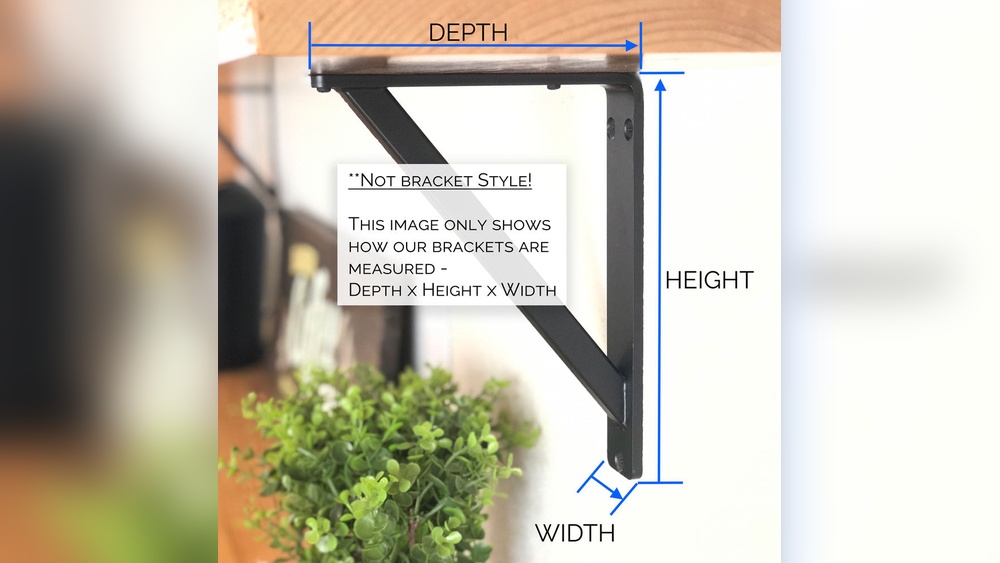
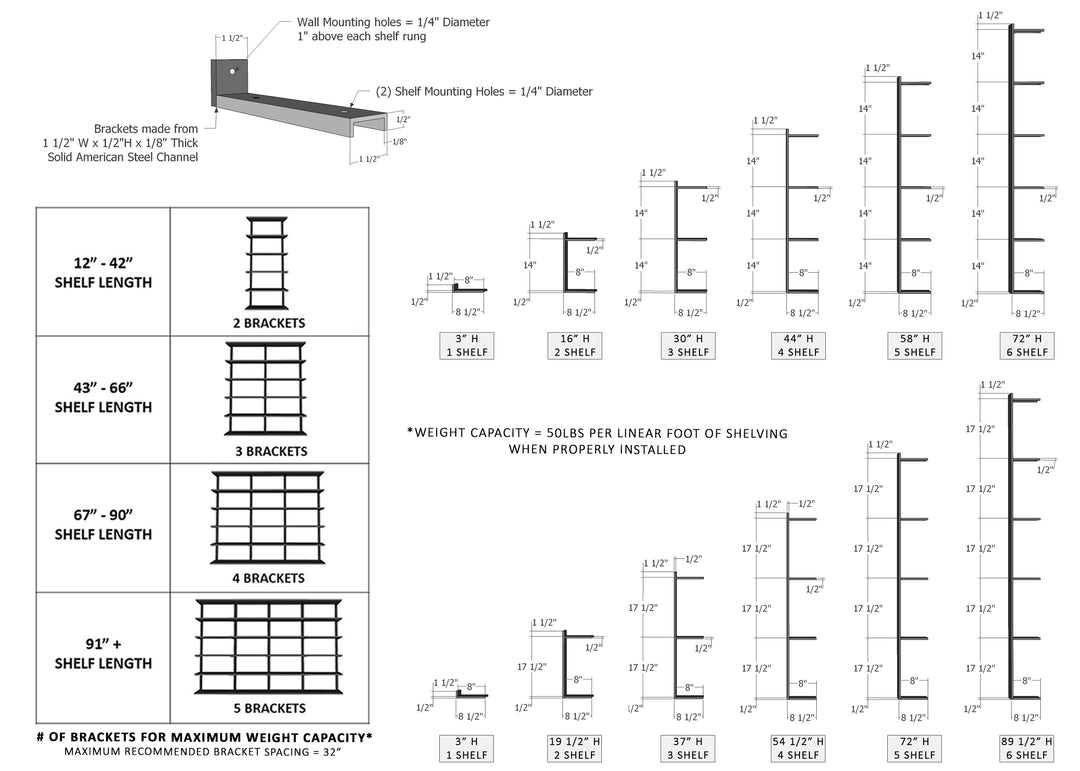
Heavy load shelves support heavy tools, books, or storage boxes. Use heavy-duty brackets made from thick steel or iron. These brackets often have diagonal supports or braces for extra strength. Wall studs should hold these brackets firmly. Heavy load brackets prevent bending or accidents under high weight. Safety is the priority for heavy shelves.
Credit: vaultfurniture.com
Style Matching Tips
Choosing the right shelf brackets means matching the style of your space. Shelf brackets do more than hold shelves. They add to the room’s look and feel. Picking brackets that fit your style makes your shelves stand out. This guide breaks down style tips for popular looks.
Modern Minimalist
Modern minimalist style uses clean lines and simple shapes. Choose brackets with smooth edges and no extra details. Metal brackets in black, white, or silver work well. Thin, flat brackets keep the look light and airy. Avoid bulky or ornate designs that clutter the space.
Rustic And Vintage
Rustic and vintage styles love warmth and character. Look for brackets made of wood or wrought iron. A distressed or aged finish adds charm. Curved or decorative brackets fit well here. These brackets pair nicely with wooden shelves that show natural grain.
Industrial Look
The industrial style blends metal and wood with a raw feel. Choose brackets made of heavy, dark metal. Exposed screw heads and rivets add to the look. L-shaped or pipe brackets often suit industrial shelves. The goal is a strong, functional, and rugged appearance.
Classic Elegance
Classic elegance calls for timeless and refined brackets. Look for designs with gentle curves or scrolls. Brass, gold, or antique white finishes match well. These brackets often have fine details but stay balanced. They pair best with polished wood shelves.
Installation Essentials
Installing shelf brackets correctly ensures your shelves stay strong and safe. Follow these basic steps to secure your brackets well. Proper installation helps your shelves hold weight without damage or risk of falling.
Finding Wall Studs
Wall studs are vertical wooden beams inside walls. Brackets fixed into studs hold much more weight. Use a stud finder to locate them. Move the finder slowly along the wall. Mark the spots where it detects a stud. Drill your bracket screws into these marks for best support.
Using Anchors
Anchors help when you cannot find studs. They spread the weight across the drywall. Choose anchors that fit your wall type and shelf weight. Insert anchors before screwing brackets in. This prevents the bracket from pulling out. Make sure anchors fit snugly and hold firm.
Proper Bracket Spacing
Spacing brackets correctly keeps shelves stable. Place brackets no more than 16 to 24 inches apart. Closer spacing works for heavy or long shelves. Avoid placing brackets too far apart. This stops shelves from sagging or breaking under weight.
Common Mistakes To Avoid
Choosing the right shelf brackets can be tricky. Many make simple mistakes that cause shelves to fail. Avoiding these errors helps your shelves stay strong and safe. Focus on how much weight the shelf holds, the wall type, and bracket placement.
Overloading Shelves
Each bracket has a weight limit. Putting too much weight on shelves causes brackets to bend or break. Heavy items need stronger brackets or more brackets for support. Always check the weight rating before buying brackets.
Ignoring Wall Material
Not all walls hold brackets the same way. Drywall alone can’t support heavy shelves. You must find studs or use special anchors for stability. Brackets attached only to drywall may fall off easily.
Poor Bracket Alignment
Brackets must line up correctly for even weight support. Uneven brackets create pressure points and can make shelves tilt. Measure carefully and use a level to ensure brackets are straight and balanced.
Maintenance And Durability
Choosing the right shelf brackets is just the start. Maintenance and durability matter a lot. Good care keeps brackets strong and looking good. It also stops damage and saves money. Understanding how to clean, protect, and replace brackets helps them last longer.
Cleaning Tips
Dust brackets often with a soft cloth. Use mild soap and water for dirt. Avoid harsh chemicals that can damage the finish. Dry brackets well after cleaning to stop water marks. Clean brackets every few weeks to keep them fresh.
Rust Prevention
Metal brackets can rust if wet. Keep them dry by wiping off spills quickly. Use a rust-resistant spray for extra protection. Check brackets in humid places for early rust signs. Paint or seal metal brackets to block moisture.
When To Replace Brackets
Look for cracks, bends, or rust spots. Loose brackets that wobble need replacement. If brackets can’t hold weight safely, change them. Replace brackets showing wear to avoid shelf collapse. Choose new brackets that match the shelf size and weight.
Frequently Asked Questions
What Types Of Shelf Brackets Are Best For Heavy Loads?
Heavy-duty metal brackets, like steel or iron, provide the best support. Choose brackets with wide arms and strong wall anchors. These ensure stability for heavy shelves and items.
How Do I Choose Brackets For Floating Shelves?
Select hidden or concealed brackets designed for floating shelves. They provide a clean, modern look and strong support without visible hardware.
Can I Use Decorative Brackets For Kitchen Shelves?
Yes, decorative brackets add style and function. Choose sturdy materials like wrought iron or wood to balance aesthetics and strength in kitchens.
What Size Brackets Do I Need For My Shelf Depth?
Brackets should be at least two-thirds the shelf’s depth. This provides proper support and prevents sagging or tipping.
Conclusion
Choosing the right shelf brackets makes all the difference. Consider your shelf’s weight and style first. Metal brackets suit heavy items. Wood brackets add a warm touch. Measure carefully before buying. Secure brackets firmly to the wall for safety. Simple steps lead to sturdy, attractive shelves.
Your space will look neat and organized. Shelf brackets blend function with style. Ready to pick the best ones?