Are you struggling to find the right shelf bracket for your space? Choosing the perfect bracket can make all the difference between a sturdy shelf and a wobbly mess.
You want something that not only holds your items safely but also fits your style and needs. This guide will help you understand exactly what shelf bracket you need, so you can make a confident choice without any guesswork. Keep reading to discover simple tips that will save you time, money, and frustration.
Your shelves—and your peace of mind—will thank you.

Credit: cascadeironco.com
Types Of Shelf Brackets
Shelf brackets are essential for supporting shelves safely and stylishly. Different types serve different needs and styles. Choosing the right bracket depends on the weight and look you want.
Here are common types of shelf brackets to consider for your project.
Standard Brackets
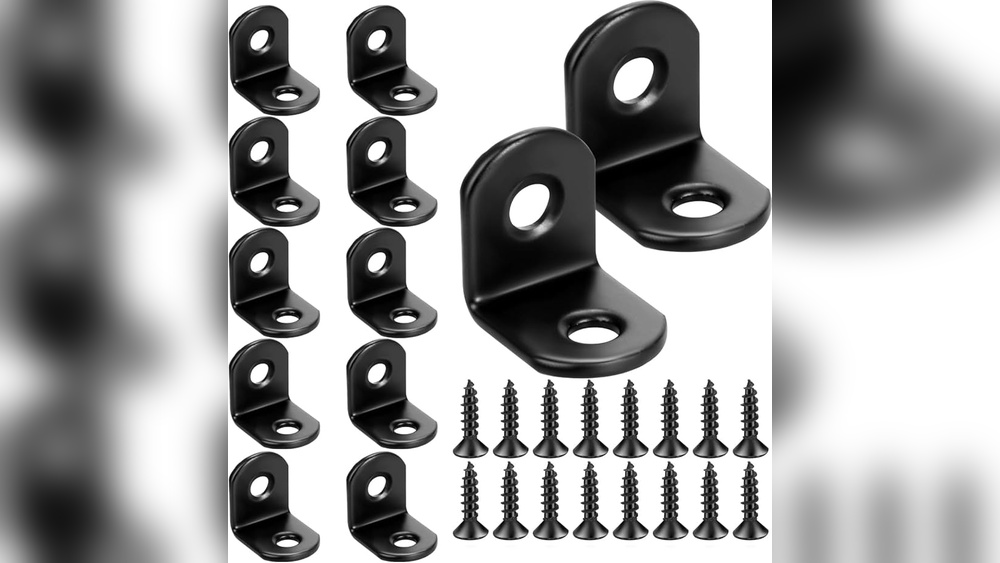
Standard brackets are the most common and versatile. They usually have an L-shape with two arms. One arm attaches to the wall, the other supports the shelf. These brackets work well for light to medium loads. They are simple to install and come in many sizes and finishes.
Floating Brackets
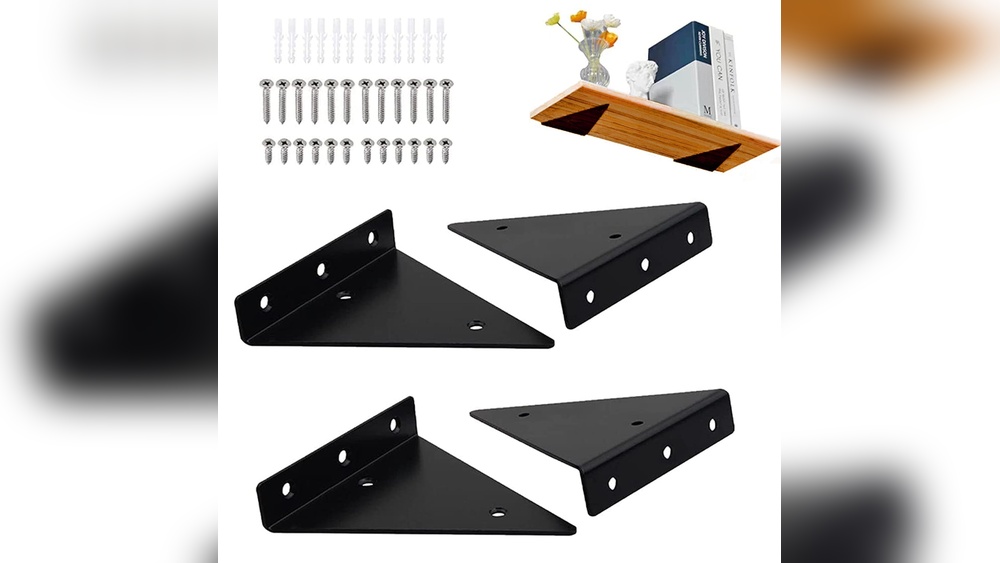
Floating brackets create a clean, modern look. They hide inside the shelf, making it appear as if it floats on the wall. These brackets need strong wall anchors. They are best for light to medium shelves without heavy items. Floating brackets fit well in minimalist spaces.
Heavy-duty Brackets
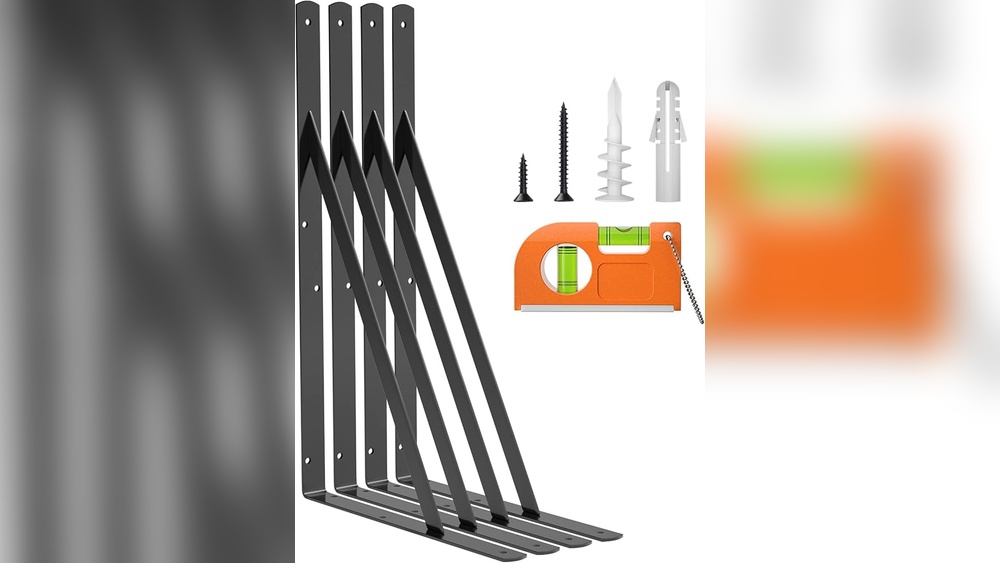
Heavy-duty brackets handle strong loads and large shelves. They are larger and thicker than standard brackets. Made from steel or iron, these brackets ensure safety with heavy objects. Ideal for garages, kitchens, or workshops. Heavy-duty brackets provide extra support and stability.
Decorative Brackets
Decorative brackets add style and charm. They come in many designs, such as scrolls, flowers, or geometric patterns. These brackets support shelves while enhancing room decor. Often made from metal or wood, they suit vintage or rustic themes. Decorative brackets combine function and beauty in one.
Materials And Finishes
Choosing the right shelf bracket means thinking about materials and finishes. These affect strength, style, and how long the bracket lasts. Different materials suit different shelves and rooms.
Finishes add protection and improve looks. They help the bracket match your space and keep it safe from rust or wear.
Metal Brackets
Metal brackets offer strong support. They hold heavy shelves and items well. Steel and iron are common metals used. They resist bending and breaking easily. Metal brackets suit modern and industrial spaces. They often have a sleek, simple look.
Wooden Brackets
Wooden brackets bring warmth and charm. They match wood shelves perfectly. These brackets work well in classic or rustic rooms. Wood can be carved into shapes for a decorative touch. They provide moderate support but are less strong than metal.
Plastic Brackets
Plastic brackets are light and affordable. They come in many colors and styles. These work best for small shelves and light items. Plastic brackets resist water, making them good for bathrooms. They do not hold heavy weight well.
Common Finishes
Finishes protect and decorate brackets. Powder coating makes metal brackets tough and rust-free. Paint adds color and style to wood and metal. Clear varnish shows wood grain and stops damage. Matte and glossy finishes change the look and feel. Choose a finish that fits your room’s style and use.
Weight Capacity Considerations
Choosing the right shelf bracket is not just about style or size. The weight it can hold is very important. If the bracket cannot support the shelf load, the shelf might fall. This can cause damage or injury. Understanding weight capacity helps you pick the safest bracket for your needs.
Estimating Shelf Load
Start by thinking about what will go on your shelf. Books, plants, or kitchen tools all have different weights. Measure or guess the total weight. Don’t forget the shelf’s own weight. Add this to your estimate to find the full load.
Bracket Load Ratings
Each bracket has a load rating. This number shows the maximum weight it can safely hold. Find this rating on the product label or manual. Choose a bracket with a rating higher than your shelf load estimate. This ensures it can handle the weight without bending or breaking.
Safety Margins
Never use a bracket that matches your estimated load exactly. Pick one with extra capacity. A good rule is to add 20 to 30 percent more than your estimated weight. This safety margin accounts for unexpected heavy items or pressure. It keeps your shelf stable and secure for a long time.

Credit: hovr.helpjuice.com
Shelf Size And Bracket Placement
Shelf size and bracket placement affect shelf strength and stability. Choosing the right brackets depends on the shelf length and the wall type. Proper bracket placement helps hold weight evenly. It prevents the shelf from sagging or falling.
Consider the shelf size first. Larger shelves need more support. The bracket placement should match the shelf length and weight. This helps keep your shelf safe and secure.
Bracket Spacing
Bracket spacing depends on shelf length and load. For shelves up to 3 feet, two brackets usually work. Longer shelves need more brackets spaced evenly. Place brackets about 16 to 24 inches apart. This spacing balances support and looks good.
Bracket Length
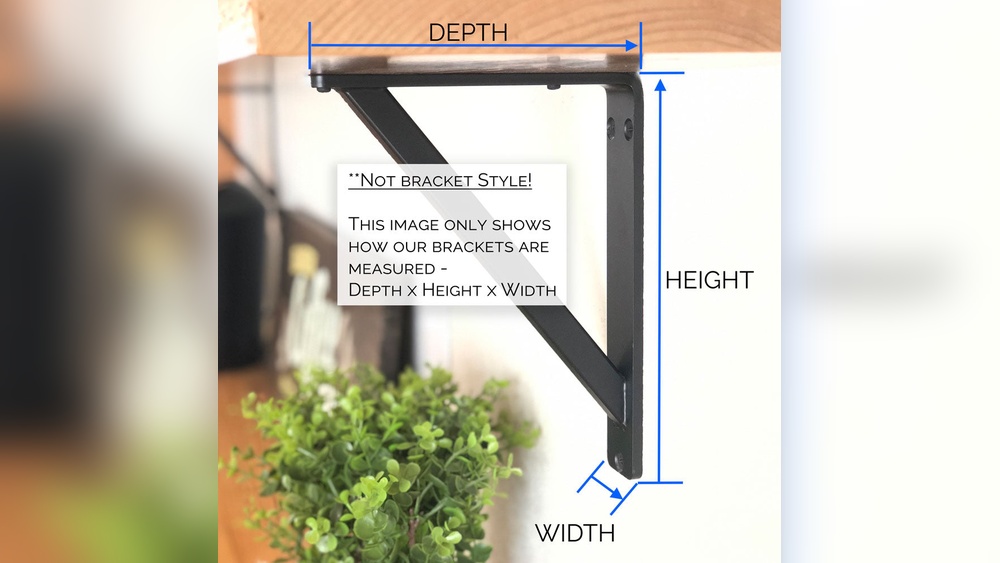
Bracket length should match shelf depth. The bracket arm must support the full shelf width. Choose brackets slightly longer than the shelf depth. This stops the shelf from tipping forward. Short brackets can cause instability and damage.
Wall Type And Anchoring
Wall type affects bracket choice and anchoring. Drywall needs anchors to hold brackets firmly. Use wall plugs or toggle bolts for heavy loads. Brick or concrete walls require masonry anchors. Wood walls allow screws directly into studs. Secure anchoring prevents brackets from pulling out.
Installation Tips
Installing shelf brackets properly keeps shelves strong and safe. Follow simple tips to get the best results. Good installation helps your shelves hold weight and last longer. Use the right tools and methods to avoid problems. Watch out for common mistakes that can cause shelves to fall.
Tools Needed
Gather all tools before starting. You will need a drill, screwdriver, level, tape measure, pencil, and wall anchors. A stud finder helps find strong wall spots. Choose the right drill bit size for screws. Having these tools ready makes installation easier.
Mounting Techniques
Find wall studs for strong support. Mark bracket spots with a pencil. Use a level to keep brackets straight. Drill pilot holes to prevent wall damage. Attach brackets with screws into studs or anchors. Check bracket stability before placing the shelf.
Common Mistakes To Avoid
Do not skip finding studs or using anchors. Avoid uneven bracket placement. Do not overtighten screws to stop damage. Avoid using wrong bracket size for shelf weight. Never ignore checking level and stability. These errors can cause shelves to fail.

Credit: shelfology.com
Design And Aesthetic Factors
Design and aesthetic factors play a big role in choosing the right shelf bracket. The bracket should fit the room’s style and look good with other décor. This helps create a balanced and pleasing space. Small details like color and shape matter a lot. They can change the whole feel of the room.
Matching Brackets To Room Style
Pick brackets that match the room’s style. For a modern room, choose sleek, simple brackets. Rustic rooms work well with wooden or wrought iron brackets. Classic rooms often suit ornate metal brackets. The bracket style should blend with other furniture and décor. This makes the room feel connected and complete.
Color Coordination
Color matters a lot for shelf brackets. Choose colors that match or contrast nicely with the wall. White or black brackets work well in many rooms. Wooden brackets can add warmth with natural tones. Bright colors can add a pop and make shelves stand out. Use color to either blend in or create a focal point.
Custom Bracket Options
Custom brackets offer unique shapes and finishes. They fit special design needs or unusual shelves. Custom options let you pick the size, material, and color. This helps create a perfect match for your room. Custom brackets can be a good choice for unique décor or personal style.
Budget And Availability
Choosing the right shelf bracket involves thinking about both budget and availability. These factors help narrow down options and find the best fit for your needs. Knowing the cost and where to buy makes the process easier. Also, deciding between making your own brackets or buying ready-made ones affects your budget and time.
Cost Ranges
Shelf brackets come in many price ranges. Basic metal brackets can cost just a few dollars each. Decorative or heavy-duty brackets may cost $20 or more. Wood brackets often fall in the middle price range. Prices depend on materials, size, and style. Setting a budget first helps to avoid overspending.
Where To Buy
You can find shelf brackets at many places. Hardware stores and home improvement centers carry a wide selection. Online shops offer many styles and price points. Some stores provide fast shipping and easy returns. Checking local stores may save on delivery fees. Compare options to find what fits your budget and style.
Diy Vs Pre-made
Making your own shelf brackets can save money. It requires some tools and skills, but allows customization. Pre-made brackets save time and are ready to use. They come in many designs and strengths. Choose DIY if you want a unique look or have a tight budget. Pick pre-made for convenience and quick installation.
Frequently Asked Questions
What Types Of Shelf Brackets Are Best For Heavy Loads?
Heavy-duty metal brackets are ideal for supporting heavy shelves. They provide strong, reliable support and prevent sagging. Look for steel or iron brackets with reinforced designs to ensure durability. Always check the weight rating before purchase to match your shelf load needs.
How Do I Choose The Right Size Shelf Bracket?
Select brackets that match your shelf depth and wall support needs. The bracket length should be at least two-thirds the shelf depth. This ensures adequate support and stability. Measure your shelf thickness and weight capacity before deciding on bracket size.
Can Shelf Brackets Be Used On Drywall Alone?
Drywall alone cannot support heavy shelf brackets safely. Use anchors or find studs to secure brackets properly. For heavier shelves, always screw brackets into wall studs. This prevents damage and ensures the shelf holds weight safely.
Are Decorative Shelf Brackets As Strong As Functional Ones?
Decorative brackets vary in strength, so check specifications carefully. Some are purely aesthetic and not designed for heavy loads. Choose brackets that combine style with solid materials like steel for both looks and support.
Conclusion
Choosing the right shelf bracket keeps your shelves strong and safe. Consider the weight and style before buying. Metal brackets suit heavy loads, while wood works for light items. Measure your space carefully to fit brackets well. Simple designs often blend best with home decor.
Proper brackets help your shelves last longer and hold more. Take time to pick brackets that match your needs and room. A good choice makes your shelving both useful and nice to see.