Are you planning to install a 6-shelf unit and wondering what size bracket you need? Choosing the right bracket is crucial to keep your shelves sturdy and safe.
If the bracket is too small, your shelves could wobble or even collapse. Too big, and it might look awkward or be hard to install. You’ll discover exactly how to pick the perfect bracket size for your 6-shelf setup. Keep reading to make sure your shelves not only look great but hold everything you need without a hitch.
Choosing Bracket Size
Choosing the right bracket size for a 6-shelf unit is important. The right bracket keeps shelves steady and safe. It supports the weight and fits the shelf size. Picking the correct bracket size avoids damage and saves money. Let’s explore how to choose the perfect bracket size.
Measuring Shelf Dimensions
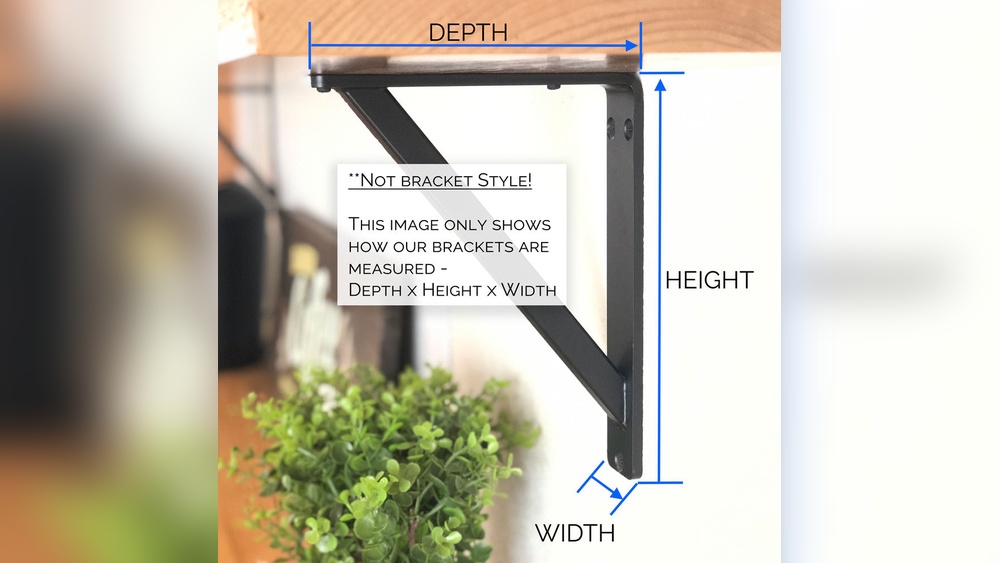
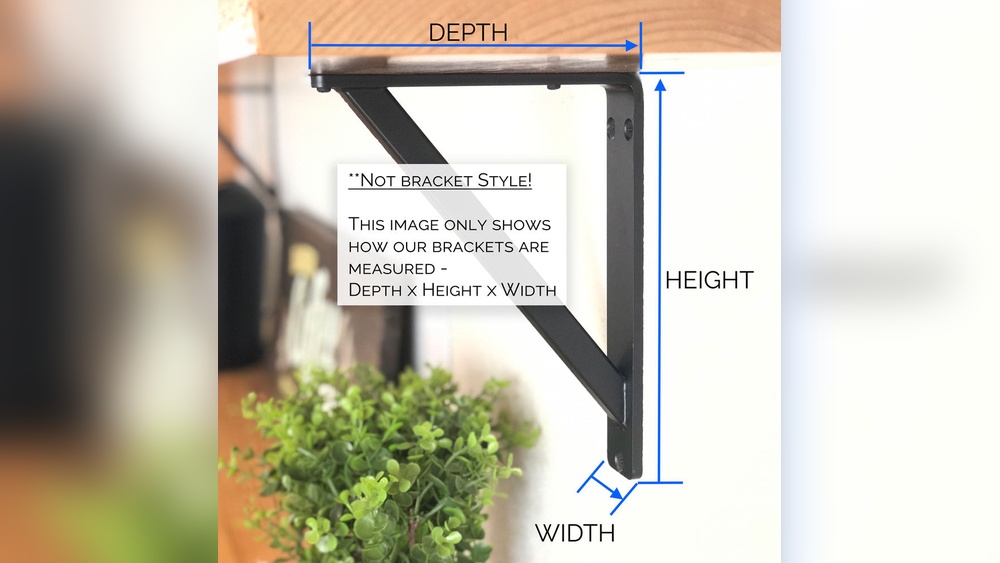
Measure the length and depth of each shelf carefully. Use a tape measure for accuracy. Bracket length should match or slightly exceed shelf depth. This ensures full support under the shelf. Measure thickness too. Thicker shelves may need larger brackets for balance.
Weight Capacity Considerations
Estimate the total weight the shelves will hold. Add books, decorations, or other items’ weight. Choose brackets that support more weight than your estimate. This extra strength prevents bending or breaking. Check the product details for weight limits on brackets.
Material Strength Factors
Bracket material affects strength and durability. Steel brackets hold more weight than plastic ones. Wood brackets look nice but may weaken over time. Metal brackets resist bending and last longer. Pick materials suited for your shelf’s load and use.

Credit: www.amazon.com
Types Of Shelf Brackets
Shelf brackets hold shelves securely on walls. Choosing the right type depends on the shelf size and weight. For a 6-shelf setup, strong and reliable brackets are important. Different brackets offer various support styles and looks. Understanding each type helps you pick the best one.
Brackets vary in shape, size, and strength. Some are hidden, while others add to the shelf design. Here are common bracket types for shelves.
L-brackets
L-brackets are simple and strong. They form a 90-degree angle, supporting shelves from below. These brackets fit easily under each shelf corner. They work well for medium-weight shelves. Installation is easy with screws into the wall and shelf. L-brackets are visible but add a classic look.
Floating Brackets
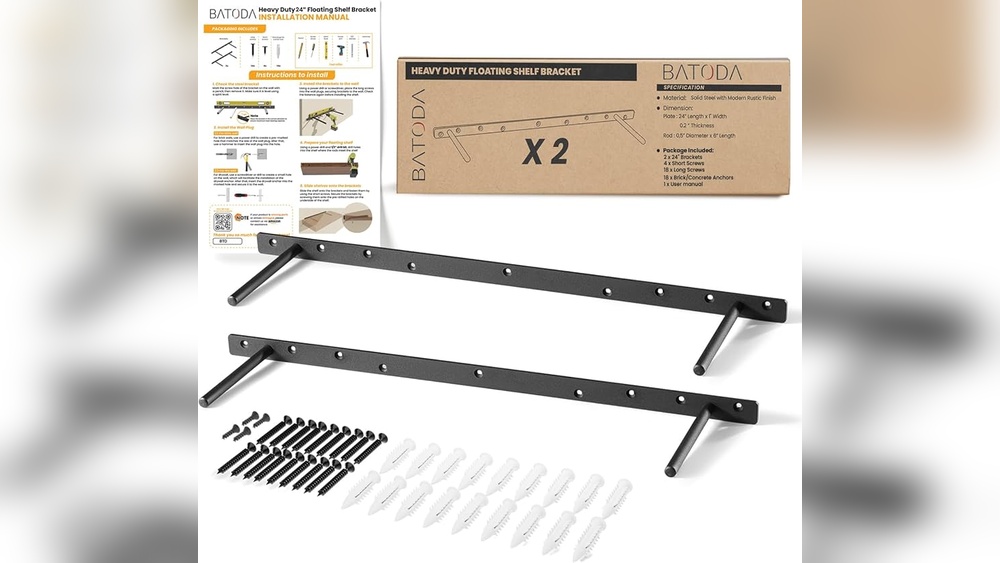
Floating brackets hide behind the shelf. They give a clean, modern look without visible supports. These brackets slide into the shelf, holding it flush to the wall. Floating brackets suit lightweight to medium shelves. They require precise mounting and strong walls. Perfect for sleek designs and minimal decor.
Heavy-duty Brackets
Heavy-duty brackets support large, heavy shelves. Made of thick metal or steel, they handle more weight. These brackets often have extra arms or braces. They are ideal for shelves holding books, tools, or heavy items. Heavy-duty brackets ensure safety and stability. Installation may need wall studs for full support.
Installation Tips
Installing brackets for a 6 shelf unit needs careful attention. Proper installation ensures the shelves stay strong and safe. This section shares simple tips for perfect bracket setup. Follow these steps to avoid common mistakes and secure your shelves firmly.
Stud Location And Spacing
Find wall studs first. Studs give the best support for heavy shelves. Use a stud finder tool for accuracy. Mark stud positions clearly on the wall. Space brackets evenly along the shelf length. This spreads the weight evenly and stops sagging.
Proper Fasteners
Choose fasteners that match your wall type. Use wood screws for studs and anchors for drywall. Pick screws long enough to hold brackets firmly. Avoid short screws; they may not support weight well. Tighten screws fully but do not overdrive them.
Leveling And Alignment
Check shelf level before fixing brackets completely. Use a spirit level for best results. Adjust bracket positions until shelves are straight. Align brackets at the same height on the wall. This keeps shelves balanced and neat in appearance.
Credit: www.walmart.com
Common Mistakes To Avoid
Choosing the right bracket size for a 6 shelf setup can be tricky. Many people make simple mistakes that cause shelves to be unstable or unsafe. Avoiding these errors helps ensure your shelves hold up well and last long.
Underestimating Load
Not knowing how much weight your shelves will carry is a common error. Smaller brackets may look fine but fail under heavy loads. Always check the weight limit of each bracket before buying. Think about the heaviest items you will place on the shelves.
Incorrect Bracket Placement
Placing brackets too far apart weakens shelf support. Brackets should be spaced evenly and close enough to hold the shelf firmly. Avoid putting brackets only at the ends. Proper placement spreads the weight and keeps shelves steady.
Ignoring Wall Material
Different walls hold weight differently. Drywall alone cannot support heavy shelves. Use anchors or screws suitable for your wall type. Brackets need to be firmly attached to studs or solid parts of the wall. This prevents shelves from falling.
Enhancing Shelf Stability
Enhancing shelf stability is key to a strong and safe shelving unit. A 6 shelf setup must hold weight evenly. Stability prevents shelves from sagging or falling. It ensures your items stay secure over time.
Choosing the right bracket size helps, but other steps boost strength. Using the right supports and checking regularly keeps shelves firm. These tips help you get the most from your shelving.
Using Multiple Brackets
Using several brackets spreads the load across the shelf. This reduces pressure on each bracket. More brackets mean less risk of bending or breaking. Place brackets evenly under each shelf for best support.
Reinforcing With Support Strips
Support strips add extra strength along the shelf’s length. They help stop the shelf from sagging under heavy weight. Attach strips under the shelf, near the back edge. This simple step improves stability greatly.
Regular Maintenance Checks
Check your shelves often to catch problems early. Tighten loose brackets and screws to keep shelves steady. Look for signs of wear or damage on brackets and shelves. Fixing small issues prevents bigger shelf failures later.
Credit: www.diycartel.com
Frequently Asked Questions
What Size Bracket Supports A 6 Shelf Unit?
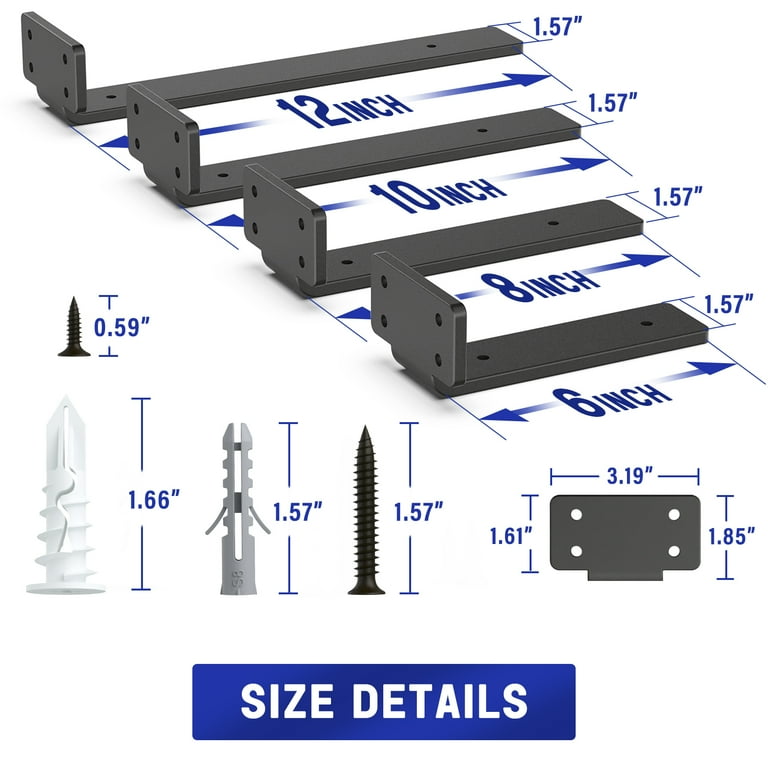
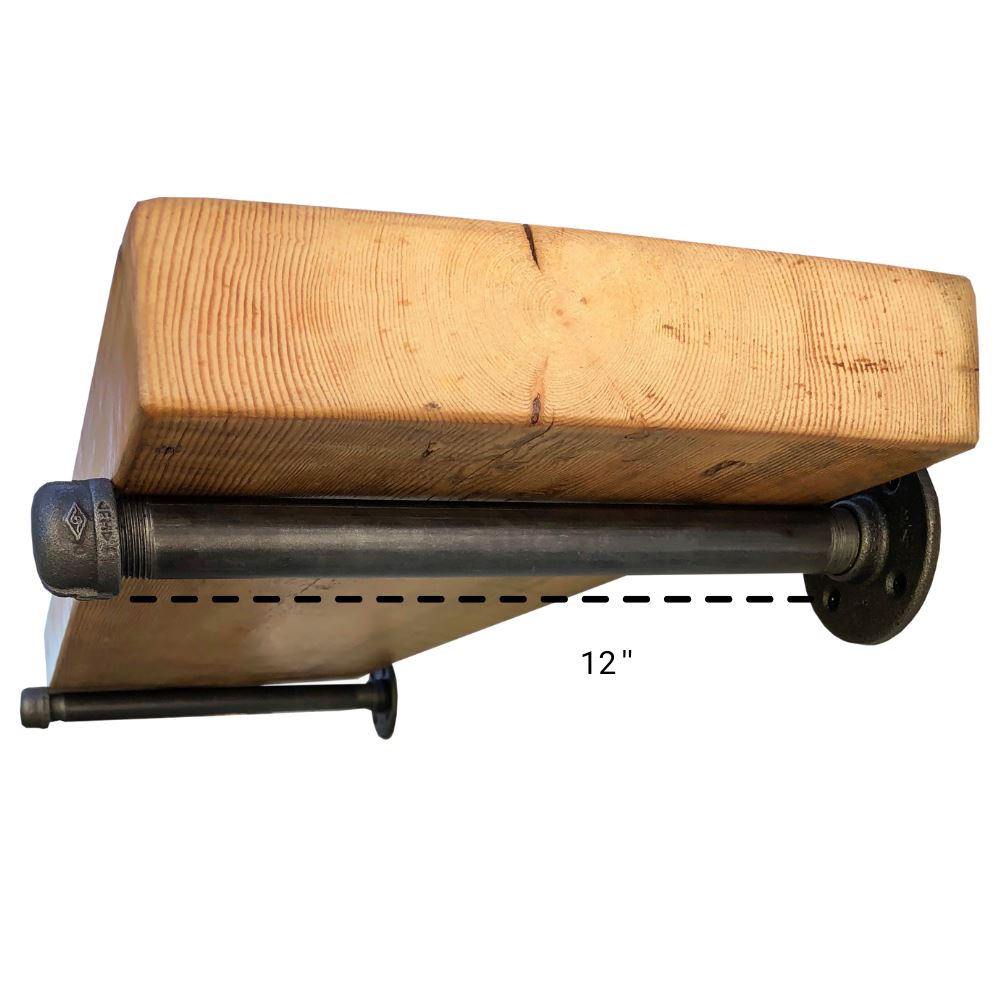
A 6 shelf unit typically requires brackets that are 10 to 12 inches long. This size offers strong support and balance for the shelves.
How To Choose The Right Bracket Size For Shelves?
Measure your shelf depth, then pick a bracket at least two-thirds that length. This ensures optimal strength and stability.
Can Smaller Brackets Hold Heavy 6 Shelf Units?
Smaller brackets might not support heavy loads well. Always use brackets sized appropriately to avoid sagging or damage.
What Bracket Material Is Best For 6 Shelf Supports?
Steel or heavy-duty metal brackets provide the best strength for 6 shelf units. They ensure durability and long-term support.
Conclusion
Choosing the right bracket size keeps your 6 shelf sturdy and safe. Strong brackets hold weight without bending or breaking. Always check the shelf material and load before buying brackets. Proper size brackets make your shelves last longer. Small mistakes can cause shelves to fall or tilt.
Take time to measure and pick the best fit. A well-supported shelf looks neat and works well. Use this guide to find the best bracket size for your 6 shelf. Simple steps lead to strong, lasting shelves.