Choosing the right size bracket for your 10-shelf setup can feel tricky. You want something strong enough to hold everything safely but also neat and stylish.
If you pick the wrong size, your shelves might wobble or even fall. You’ll discover exactly how to find the perfect bracket size to keep your shelves steady and looking great. By the end, you’ll feel confident making the best choice for your space and needs.
Keep reading to get the answers you need!
Choosing Bracket Types
Choosing the right bracket type is key for a 10 shelf unit. Brackets support the shelves and keep them steady. The correct choice ensures safety and long-lasting use. Consider the style, strength, and material before deciding.
Fixed Vs Adjustable Brackets
Fixed brackets hold shelves at one set height. They are strong and simple. Great for shelves that do not need changing. Adjustable brackets let you change shelf height. Useful if you want to move shelves often. Choose based on how often you plan to adjust the shelves.
Material Options
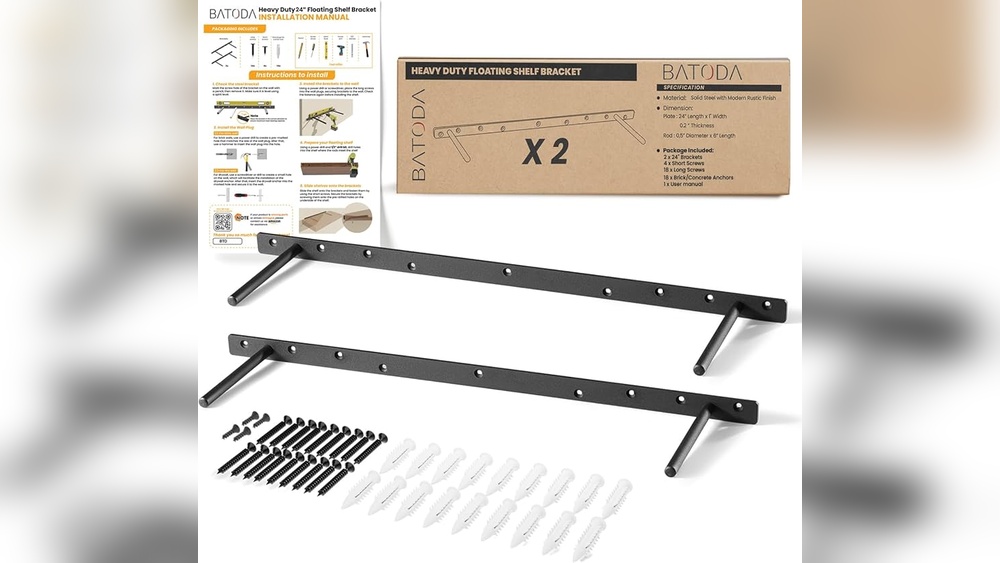
Brackets come in metal, wood, and plastic. Metal brackets are strong and last long. Wood brackets match wooden shelves well. Plastic brackets are light but less strong. Pick a material that fits your shelf style and weight needs.
Weight Capacity Considerations
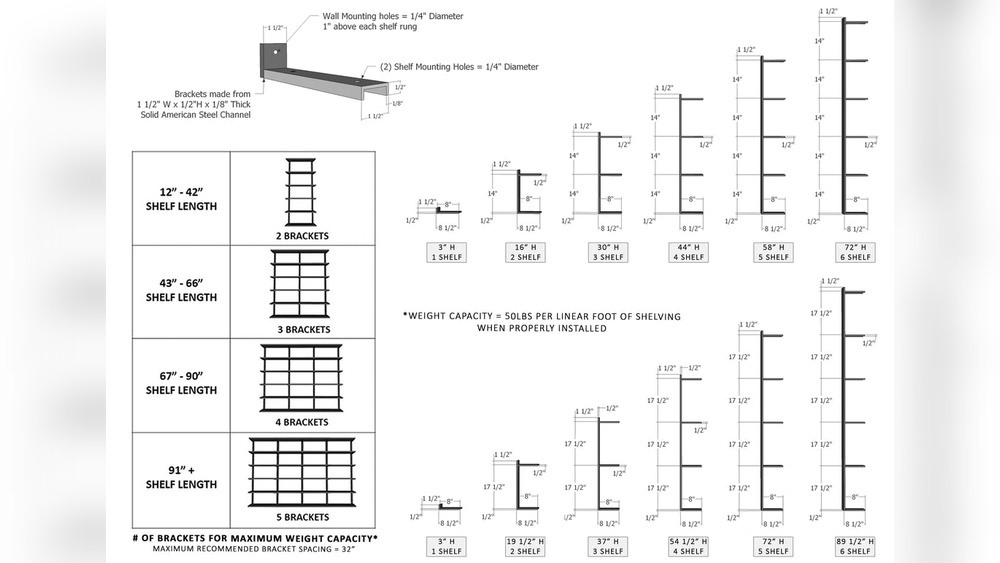
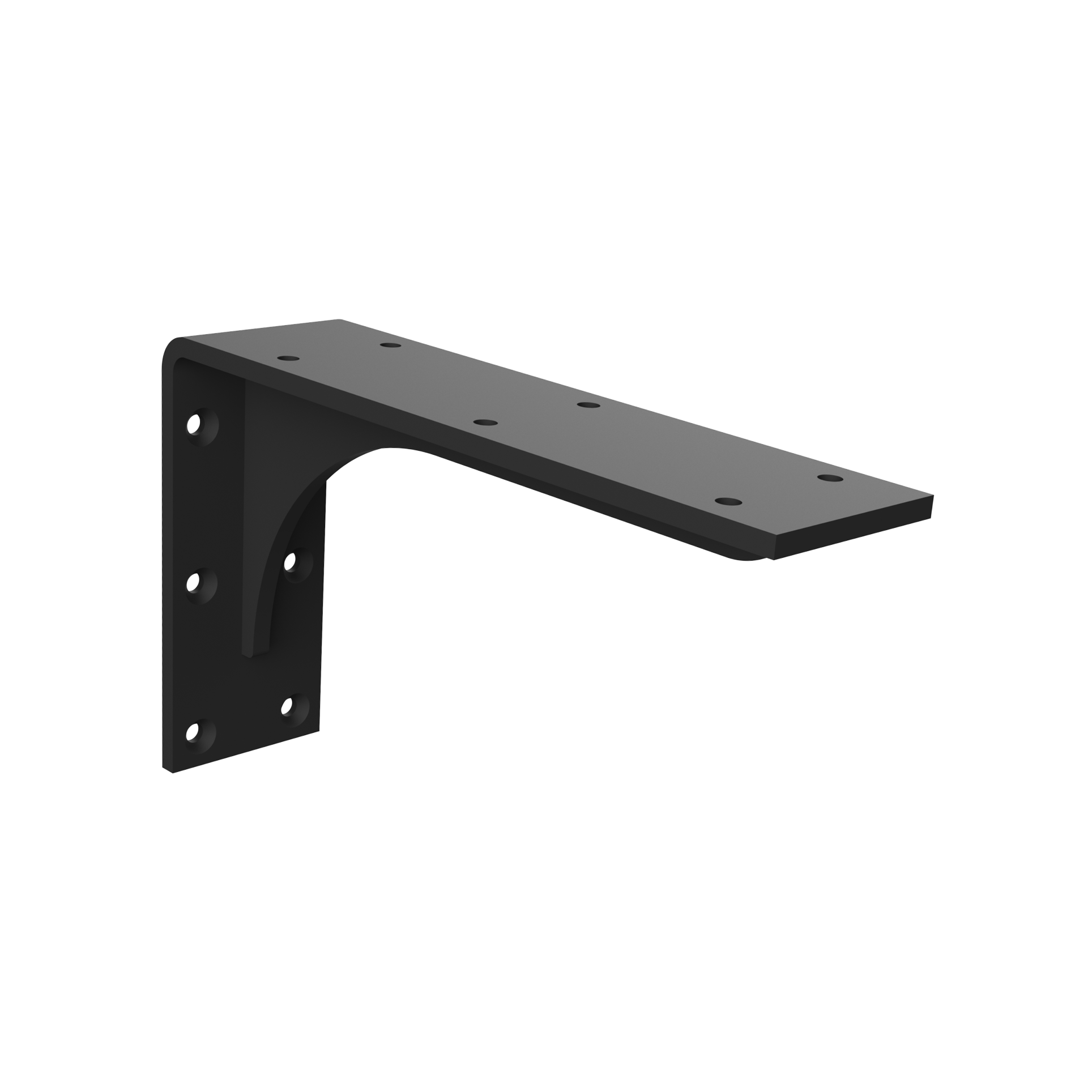
Each bracket holds a certain weight. Check the weight limit before buying. Heavy shelves need brackets with high weight capacity. Spread weight evenly across all brackets. This keeps shelves safe and stable.
Credit: ironsupports.com
Measuring Shelf Dimensions
Measuring your shelf dimensions is the first step before choosing the right bracket size. Accurate measurements help ensure the shelf stays stable and supports weight well. Taking careful measurements also avoids mistakes during installation. Follow these simple steps to get the correct dimensions for your 10-shelf setup.
Length And Depth
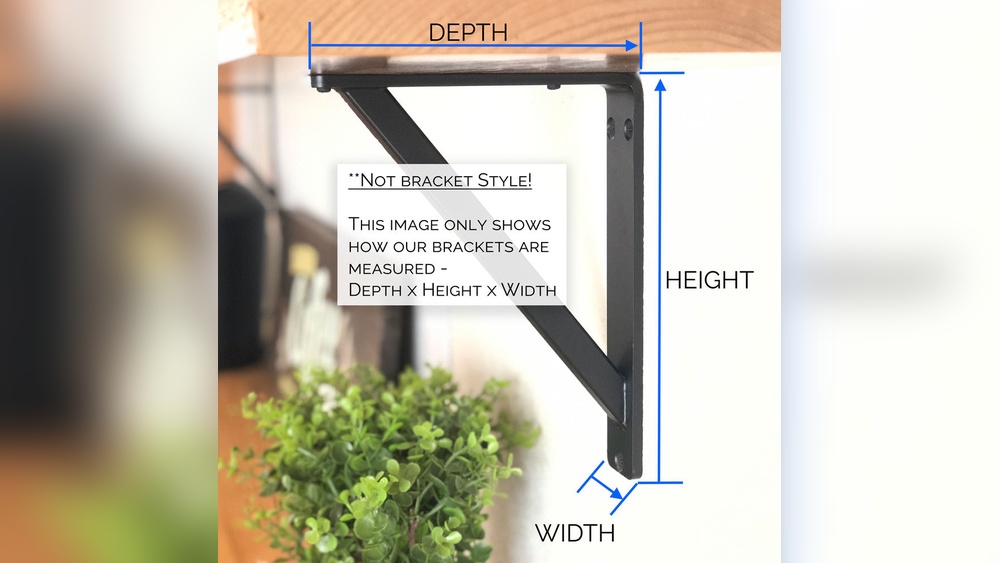
Measure the length of each shelf from one end to the other. This tells you how wide the bracket needs to be. Next, measure the depth from the front edge to the back wall. The bracket should support the shelf fully along this depth. Write down both numbers for each shelf.
Thickness Of Shelves
Check how thick the shelves are. This thickness affects the bracket’s design and strength. Measure the thickness with a ruler or tape. Thicker shelves may require sturdier brackets to hold the weight. Knowing this helps pick brackets that fit well under the shelf.
Spacing Between Shelves
Measure the vertical space between each shelf. This space decides how large the bracket’s vertical arm should be. Proper spacing lets you place brackets without blocking shelf use. Keep track of spacing to ensure all brackets fit correctly.
Calculating Load Requirements
Calculating the load requirements is a key step in choosing the right bracket size for a 10-shelf unit. Proper calculation ensures the shelves hold the weight safely without bending or breaking. This process involves estimating the total weight, understanding how weight spreads across shelves, and adding safety margins for extra support.
Estimating Total Weight
Start by adding the weight of all items you plan to place on the shelves. Include the weight of the shelves themselves. Use the heaviest objects as a guide. This helps to find the maximum load the brackets must support.
Weight Distribution Across Shelves
Not all shelves carry the same load. Some may hold heavier items than others. Check where you will place heavy objects. Even weight distribution reduces stress on each bracket. Uneven weight can cause shelves to tilt or brackets to fail.
Safety Margins
Always add a safety margin to your load calculations. This means choosing brackets that can hold more than the estimated weight. A safety margin of 20-30% is common. It protects against unexpected heavy loads or movement over time.
Selecting Bracket Size
Choosing the right bracket size is key for a 10-shelf setup. Brackets hold the shelves and weight safely. Wrong size causes instability or damage. Focus on length, width, and matching the shelf size. These factors ensure strong, balanced support.
Clear brackets make your shelves look neat and last longer. Let’s break down how to pick the best size for your brackets.
Bracket Length Recommendations
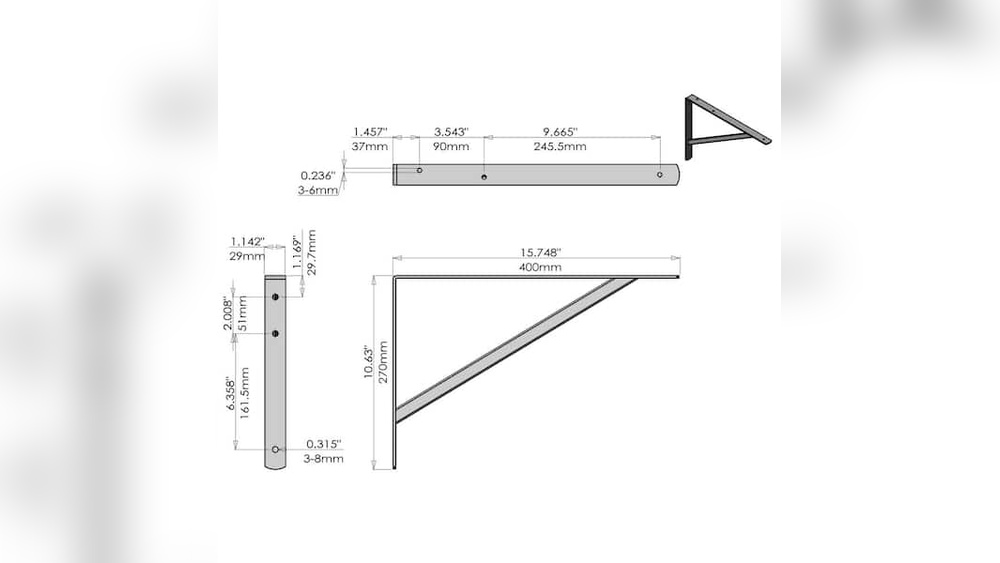
Bracket length should match shelf depth. For shelves 10 to 12 inches deep, use brackets about 10 inches long. Longer brackets give better support for heavy items. Short brackets may cause shelves to tip or sag. Measure your shelf depth before choosing length.
Bracket Width And Support
Bracket width affects how well it holds weight. Wider brackets spread the load evenly. Choose brackets at least 1 to 2 inches wide. Thin brackets can bend under heavy weight. Strong materials like steel improve support. Check the bracket’s thickness too.
Matching Bracket Size To Shelf Size
Brackets should fit your shelf size for balance. Small shelves need smaller brackets for a neat look. Large shelves require bigger brackets for stability. Make sure brackets cover at least two-thirds of the shelf depth. This reduces stress on the wall and shelf.
Installation Tips
Installing brackets for a 10-shelf setup requires careful attention. Proper installation ensures shelves hold weight safely. Follow these tips for a secure and neat finish.
Wall Type And Anchors
Identify your wall type before installation. Drywall, concrete, or brick walls need different anchors. Use plastic anchors for drywall and metal anchors for concrete. Choose anchors that match the bracket size and shelf weight. Secure anchors tightly to avoid shelf sagging or falling.
Bracket Placement
Place brackets evenly along the shelf length. For a 10-shelf unit, space brackets about 16 to 24 inches apart. Position brackets near studs for extra support. Keep brackets aligned to maintain shelf balance and appearance. Avoid placing brackets too close to shelf edges.
Tools Needed
Gather tools before starting. Common tools include a drill, level, screwdriver, and measuring tape. A stud finder helps locate wall studs quickly. Use a pencil for marking bracket positions. Having the right tools makes installation easier and faster.
Common Mistakes To Avoid
Choosing the right bracket size for a 10 shelf setup is very important. Many people make common mistakes that cause shelves to fail or become unsafe. Avoiding these errors helps keep your shelves strong and stable. Here are some key mistakes to watch out for.
Using Undersized Brackets
Small brackets cannot hold heavy shelves or items. They bend or break easily under pressure. Always select brackets that match the shelf length and weight. Larger brackets provide better support and last longer.
Ignoring Weight Limits
Every bracket has a weight limit. Overloading brackets causes them to fail quickly. Check the maximum weight each bracket can handle. Add the weight of the shelf and all items on it. Choose brackets with a higher weight capacity than needed.
Poor Wall Anchoring
Brackets need strong anchors to hold them to the wall. Using weak anchors or no anchors causes brackets to pull out. Use proper wall anchors for your wall type. Secure brackets firmly to avoid accidents and damage.
Maintaining Shelf Stability
Maintaining shelf stability is key for safe and lasting use. A 10-shelf setup needs careful attention to keep it steady. Proper care prevents accidents and damage over time. Small steps can greatly improve shelf strength and durability.
Regular Inspections
Check your brackets and shelves often. Look for loose screws, cracks, or bends. Early detection helps fix problems before they grow. Use a level to confirm shelves stay even. Regular checks keep your shelves safe and solid.
Adjusting Brackets Over Time
Brackets may shift as shelves hold weight. Tighten screws or reposition brackets if needed. Keep shelves flush against the wall. Adjustments prevent wobbling and uneven weight distribution. This simple step extends shelf life.
Handling Heavy Loads Safely
Place heavy items on lower shelves to reduce stress. Avoid overloading brackets beyond their weight limit. Use brackets sized to support your shelf’s total load. Distribute weight evenly across all shelves. Safe loading keeps your shelves stable and secure.

Credit: www.reddit.com

Credit: woodworking.stackexchange.com
Frequently Asked Questions
What Size Bracket Supports A 10-inch Shelf?
For a 10-inch shelf, use brackets at least 8 to 10 inches long. This size provides strong support and stability, preventing sagging. Always choose brackets rated for the shelf’s weight and material for optimal safety and durability.
How To Choose Brackets For Heavy 10 Shelves?
Select brackets made from sturdy materials like steel or heavy-duty aluminum. Ensure they have a weight rating that exceeds your shelf load. Properly secure them into wall studs to maximize support and prevent bending or falling.
Can I Use Smaller Brackets For A 10 Shelf?
Using smaller brackets than the shelf depth is not recommended. Brackets shorter than 8 inches may not provide enough support. This can lead to sagging or shelf failure, especially under heavy loads.
What Bracket Style Fits A 10-inch Shelf Best?
L-shaped or floating brackets work well for 10-inch shelves. L-shaped brackets provide visible support and strength. Floating brackets offer a sleek, modern look but must be strong and properly installed.
Conclusion
Choosing the right bracket size keeps your shelves steady and safe. Strong brackets hold the weight without bending or breaking. Measure the shelf length and thickness before buying brackets. Always pick brackets that fit the shelf size and weight. Proper brackets protect your items and walls from damage.
Simple steps lead to a sturdy and neat shelf setup. Trust the right size for a long-lasting shelf solution.