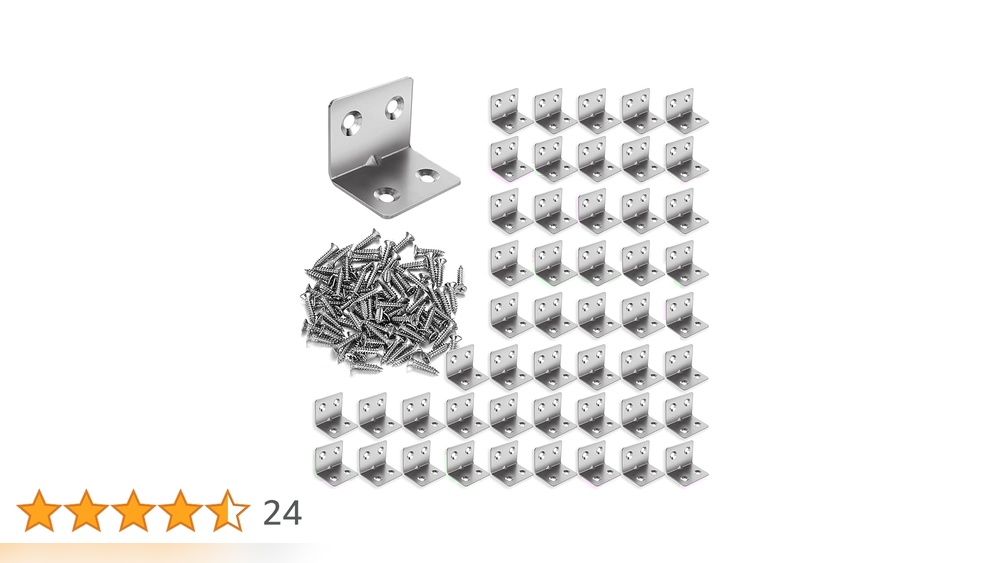
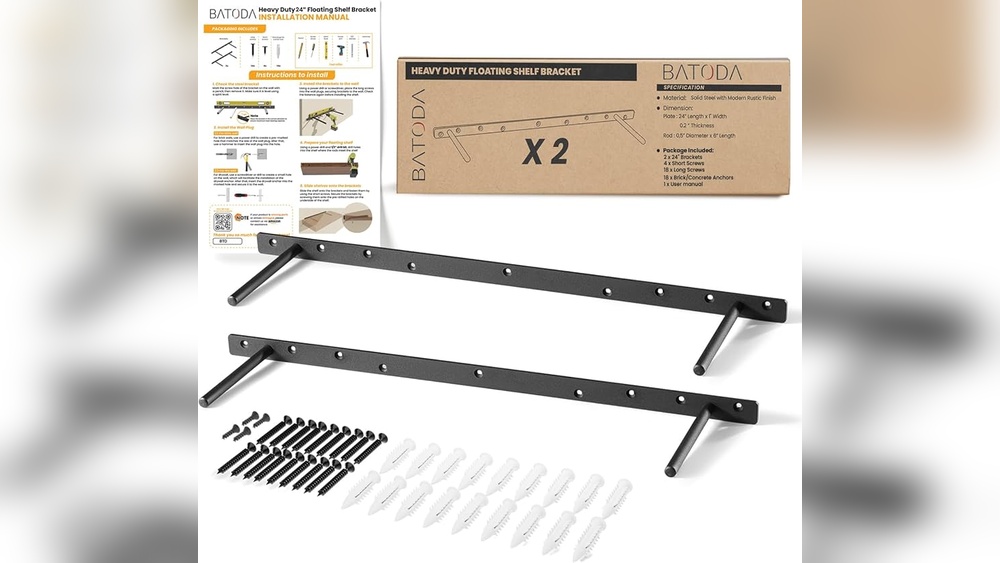
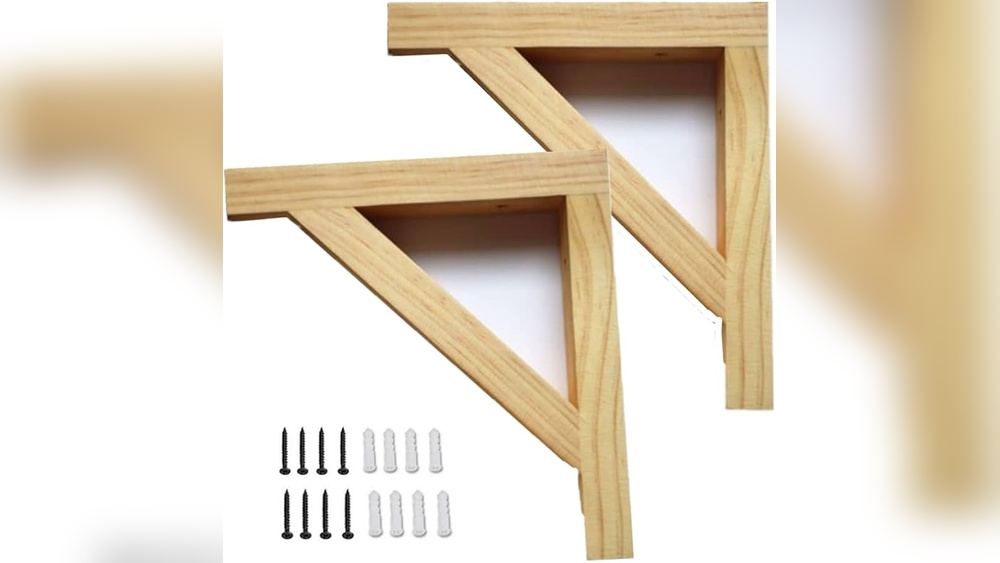
Choosing the right metal for your shelf bracket might seem like a small detail, but it can make a big difference in strength, style, and safety. You want a bracket that holds up your shelves without bending or breaking under weight.
But with so many metal options out there, how do you pick the best one for your needs? You’ll discover which metals work best for shelf brackets, why they matter, and how to make the perfect choice for your space.
Keep reading, and you’ll never worry about your shelves again.

Credit: wallniture.com
Types Of Metals For Shelf Brackets
Choosing the right metal for shelf brackets affects strength, style, and durability. Different metals offer unique benefits. Understanding these metals helps pick the best shelf bracket for your space.
Steel
Steel is strong and supports heavy loads. It resists bending and lasts a long time. Steel brackets often have a sleek, modern look. They work well in kitchens and workshops. Steel can be painted to match any room.
Aluminum
Aluminum is light but still strong. It does not rust, so it suits damp areas like bathrooms. Aluminum brackets are easy to install. They have a clean, simple style. This metal fits well in minimalist designs.
Brass
Brass adds a warm, golden shine to shelves. It is not as strong as steel but looks elegant. Brass resists corrosion and lasts well indoors. This metal suits decorative shelves in living rooms or offices. It brings a classic feel to any space.
Wrought Iron
Wrought iron is heavy and very strong. It has an old-fashioned, rustic charm. This metal holds large, heavy shelves securely. Wrought iron brackets often feature detailed designs. They suit vintage or industrial-style rooms.
Copper
Copper offers a unique, reddish color. It resists rust and develops a natural patina over time. Copper brackets add character and warmth. This metal works well in artistic or rustic interiors. It combines beauty with moderate strength.

Credit: www.amazon.com
Strength Comparison Of Metals
Choosing the right metal for a shelf bracket depends on its strength. Different metals offer different levels of support and durability. This section compares common metals used for shelf brackets based on their strength. Understanding these factors helps in picking the best metal for your needs.
Load-bearing Capacity
Load-bearing capacity means how much weight a metal can hold. Steel brackets usually hold the most weight. They work well for heavy shelves or large items. Aluminum brackets hold less weight but suit lighter loads. Brass is less common but offers moderate support for decorative shelves.
Durability And Longevity
Durability means how long a metal lasts without damage. Steel is very durable and resists wear over time. Aluminum does not rust easily, making it good for damp areas. Brass is resistant to corrosion but can tarnish and lose shine. Proper coating improves the life of all metals.
Resistance To Bending And Warping
Bending and warping happen when metal bends under pressure. Steel resists bending better than aluminum and brass. Aluminum can bend under heavy loads but returns to shape if not overloaded. Brass is softer and bends more easily, so it suits lighter shelves or decorative use.
Metal Finishes And Coatings
Metal finishes and coatings protect shelf brackets from rust and damage. They also improve the bracket’s look and lifespan. Choosing the right finish helps your shelves stay strong and stylish. Each finish offers different benefits and suits various environments.
Powder Coating
Powder coating covers metal with a dry powder. The powder melts and forms a smooth, hard layer. This finish resists scratches, chips, and fading. Powder coating comes in many colors. It is perfect for indoor and outdoor shelves.
Galvanization
Galvanization adds a protective zinc layer to steel. It stops rust and corrosion from moisture. This coating is ideal for outdoor use or damp places. Galvanized brackets last long without needing much care. The finish looks shiny and metallic.
Anodizing
Anodizing thickens the natural oxide layer on aluminum. It improves corrosion resistance and surface hardness. This finish can be clear or colored. Anodized brackets have a smooth, matte look. They work well in humid or salty air.
Painted Finishes
Painted finishes add color and a protective barrier. Paint can be glossy, matte, or satin. It shields metal from rust and weather damage. Painted brackets offer many design options. Regular touch-ups keep the finish fresh and strong.
Style Considerations For Metal Brackets
Choosing the right metal for shelf brackets is not just about strength. Style plays a big role too. Metal brackets come in many designs that can change the look of your space. The right style makes your shelves stand out or blend in smoothly.
Think about the overall feel of your room. The bracket style should match or enhance it. This helps create a balanced and pleasing look.
Modern Vs. Traditional Designs
Modern metal brackets have clean lines and simple shapes. They often use steel or aluminum with a sleek finish. These designs suit minimal or contemporary interiors well.
Traditional brackets are more detailed. They may feature curves, scrolls, or decorative patterns. Wrought iron and brass are common metals here. These fit classic or vintage styles better.
Color And Texture Options
Metal brackets come in many colors. Black, white, silver, and bronze are popular choices. You can also find painted or powder-coated options.
Texture varies too. Smooth finishes give a polished look. Rough or hammered textures add a rustic feel. Choose texture based on the mood you want.
Matching With Interior Decor
Brackets should blend with your room’s colors and materials. Match metal tones with door handles or light fixtures for a unified look.
Consider shelf material. Wood shelves pair well with warm metals like bronze. Glass or metal shelves look great with cooler metals like steel.
Installation Tips For Metal Brackets
Installing metal shelf brackets correctly ensures strong support and safety. Proper installation prevents shelves from falling or tilting. Follow these tips to secure your metal brackets firmly and evenly.
Choosing The Right Anchors
Anchors hold brackets securely in walls. Use anchors that match your wall type. For drywall, use plastic or metal anchors. For concrete or brick, use masonry anchors. Check weight limits on anchor packages. Strong anchors keep shelves stable and safe.
Proper Placement And Spacing
Place brackets evenly under the shelf for balance. Space brackets no more than 24 inches apart. Position brackets near shelf edges for support. Avoid placing brackets too close or too far. Correct spacing stops shelf sagging and damage.
Tools Needed
Gather these tools before starting installation: drill, screwdriver, level, tape measure, and pencil. A drill makes holes for anchors. Use a level to keep brackets straight. Measure carefully to mark bracket spots. Having the right tools saves time and effort.
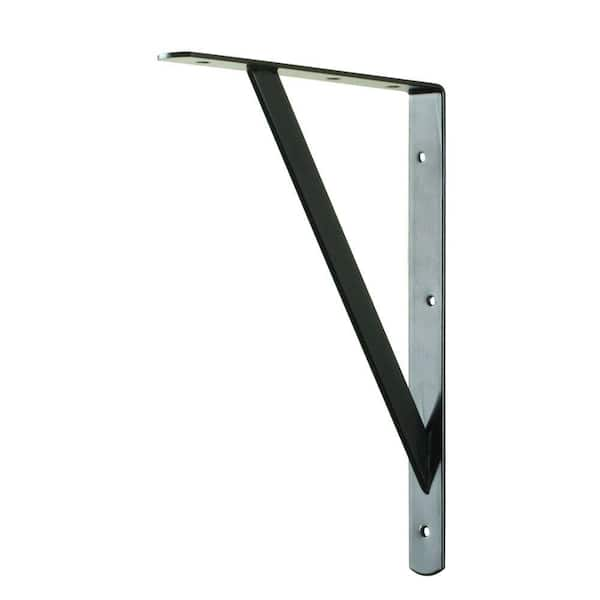
Credit: www.homedepot.com
Cost And Maintenance
Choosing the right metal for a shelf bracket involves considering cost and maintenance. These factors affect your budget and the effort needed to keep shelves looking good. Different metals vary in price, cleaning needs, and how long they last. Understanding these can help you pick the best option.
Price Differences Among Metals
Steel brackets usually cost less than brass or aluminum. Iron can be affordable but may need extra protection against rust. Aluminum tends to be pricier but offers good strength and light weight. Brass is the most expensive but adds a classic look. Budget guides your choice between metals.
Cleaning And Upkeep
Steel and iron brackets may need regular cleaning to stop rust. Use a dry cloth or mild soap for dirt. Aluminum cleans easily with water and dries fast. Brass requires polishing to keep shine and avoid tarnish. Simple cleaning keeps brackets neat and durable.
Longevity Vs. Investment
Cheaper metals might wear out faster and need replacing. More costly metals often last longer and resist damage. Consider how long you want the shelf to stay strong. Spending more now can save money on repairs later. Think about value, not just price.
Common Mistakes To Avoid
Choosing the right metal for a shelf bracket is important. Avoiding common mistakes helps keep shelves safe and strong. Many people make simple errors that cause brackets to fail. Knowing what to watch out for saves time and money.
Overloading Brackets
Putting too much weight on brackets is a big mistake. Every metal type has a weight limit. Heavy items need stronger metals like steel or iron. Overloading weak metals causes bending or breaking. Always check the bracket’s weight capacity before use.
Ignoring Wall Material Compatibility
Brackets must match the wall material. Metal brackets need proper anchors for drywall, brick, or wood. Using wrong anchors makes the shelf unstable. The wall might crack or the bracket might pull out. Know your wall type and use fitting anchors.
Improper Installation Techniques
Incorrect installation damages brackets and walls. Screws must go into wall studs or solid anchors. Loose screws reduce bracket strength and cause wobbling. Use a level to keep shelves straight. Tighten screws firmly but do not overtighten and strip them.
Frequently Asked Questions
What Metals Are Best For Shelf Brackets?
Steel and aluminum are the most popular metals for shelf brackets. Steel offers strong support and durability. Aluminum is lightweight and resistant to rust. Both metals provide reliable strength and longevity for different shelving needs.
Is Stainless Steel Good For Shelf Brackets?
Yes, stainless steel is excellent for shelf brackets. It resists corrosion, making it ideal for humid environments. Stainless steel also provides strong support and a sleek, modern look. It’s a durable choice for both indoor and outdoor shelving.
Can Iron Shelf Brackets Support Heavy Loads?
Cast iron brackets can support heavy loads effectively. They are strong, durable, and hold weight well. However, they may rust if not properly coated or painted. Iron brackets are perfect for heavy-duty shelving with proper maintenance.
Why Choose Aluminum For Shelf Brackets?
Aluminum is lightweight, corrosion-resistant, and easy to install. It offers moderate strength and lasts long without rusting. Aluminum brackets are ideal for lighter shelves and moist areas like bathrooms or kitchens. They combine functionality with aesthetic appeal.
Conclusion
Choosing the right metal for a shelf bracket matters a lot. Steel offers strong support for heavy items. Aluminum is light and resists rust well. Brass adds style but suits lighter loads. Think about where you will use the bracket.
Indoor or outdoor? Heavy or light shelves? The best metal fits your needs and space. A good choice keeps shelves safe and sturdy for years. Simple and smart metal picks make shelf mounting easy.