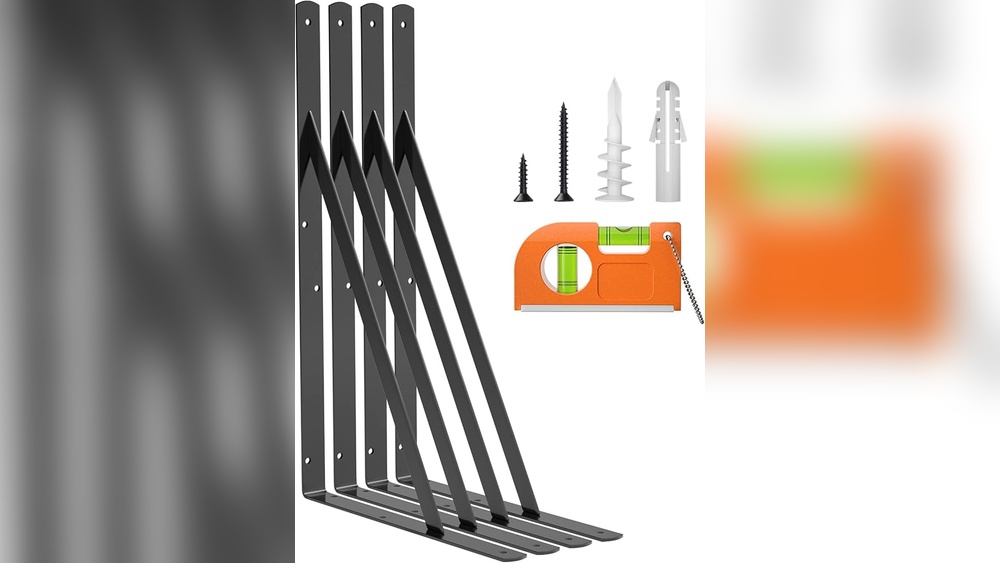
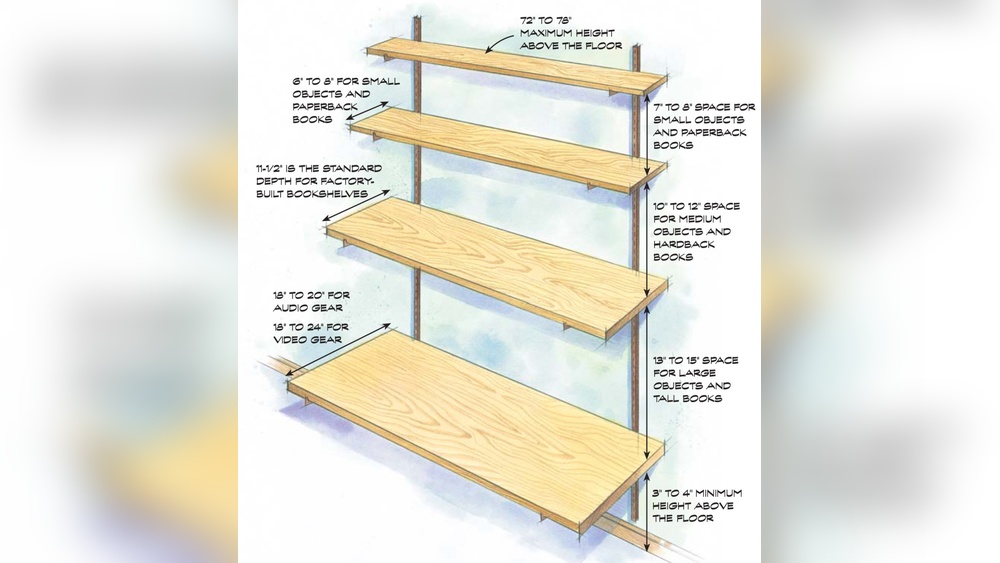
Are you planning to install shelves but unsure what size shelf brackets you need? Choosing the right size is key to making sure your shelves stay strong and secure.
Too small, and your shelf could sag or even fall. Too big, and you might waste space and money. You’ll discover simple tips to find the perfect bracket size for your shelves. Keep reading to avoid common mistakes and get your shelves looking great and holding up perfectly.
Your walls—and your belongings—will thank you!
Choosing Bracket Size
Choosing the right size for shelf brackets is important for a strong and stable shelf. The correct bracket size supports the shelf properly. It also keeps your items safe and prevents damage. Several factors affect the choice of bracket size. Understanding these helps you pick the best brackets for your shelves.
Match Bracket Length To Shelf Depth
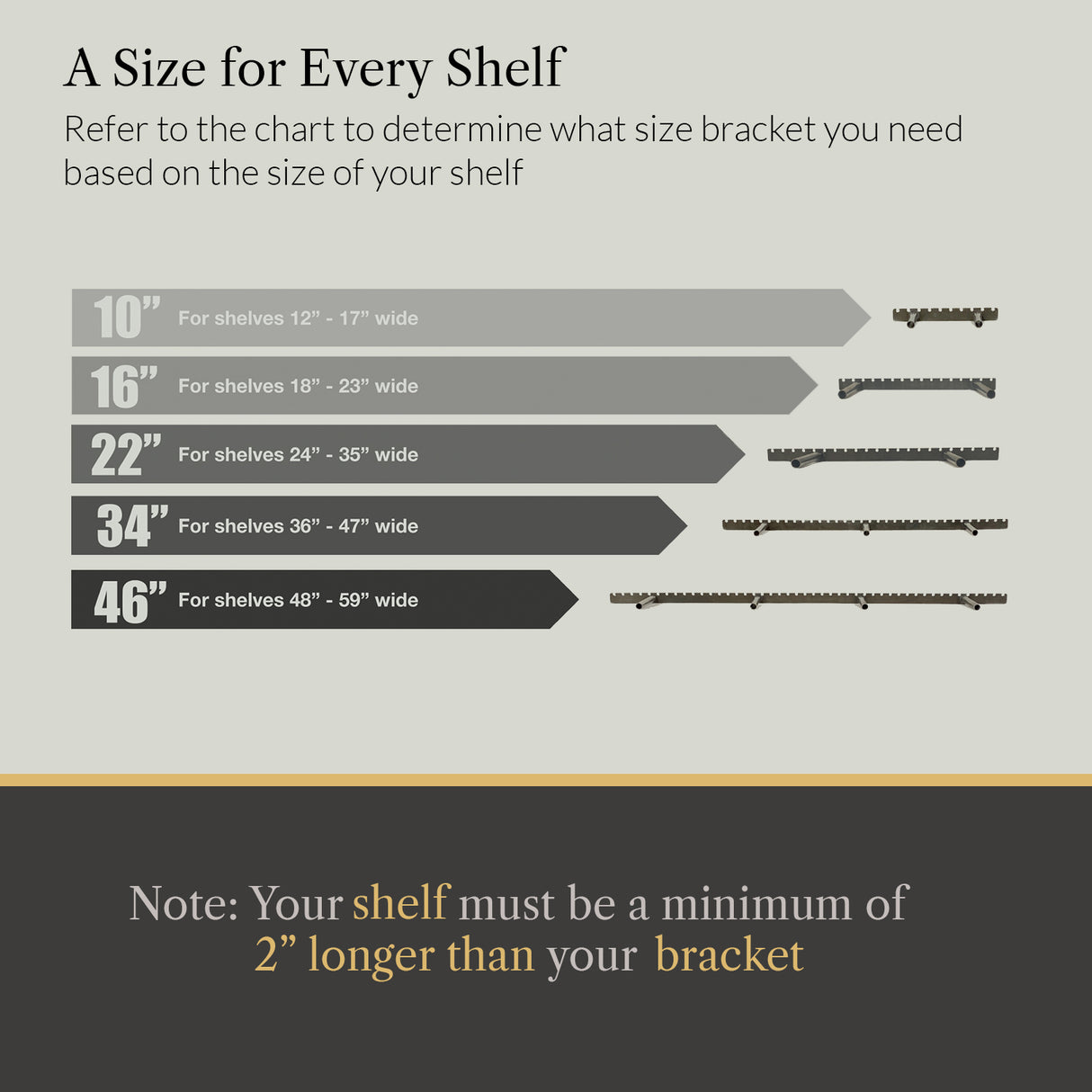
The bracket length should be close to the shelf depth. A bracket too short will not support the shelf well. A longer bracket gives better balance and support. Measure your shelf depth before buying brackets. Pick a bracket that is at least 75% of the shelf depth. This ensures the shelf does not sag or tilt.
Consider Shelf Weight Capacity
Think about the weight your shelf will hold. Heavy items need stronger, larger brackets. Check the weight limit of the bracket before purchase. Use brackets with higher weight ratings for heavy shelves. Small brackets work for light shelves only. Overloading brackets can cause them to bend or break.
Material Impact On Bracket Size
The bracket material affects its size and strength. Metal brackets are strong and can be smaller. Wood brackets need to be bigger for the same support. Plastic brackets are usually for light loads. Choose material based on shelf use and style. Strong materials allow more flexibility in bracket size.
Types Of Shelf Brackets
Shelf brackets hold shelves in place and support weight. Choosing the right type helps match your room’s style and shelf size. Different brackets fit different needs. Some focus on strength. Others add a decorative touch. Some are hidden for a clean look.
Standard L-brackets
Standard L-brackets have a simple right-angle shape. They are strong and easy to install. These brackets work well for heavy shelves. Use them in kitchens, garages, or offices. They come in metal or plastic. Sizes vary to fit small or big shelves.
Floating Brackets
Floating brackets hide inside the shelf. They create a clean, modern look. Shelves seem to “float” on the wall. These brackets need precise drilling. They work best for light to medium loads. Use them in living rooms or bedrooms.
Decorative Brackets
Decorative brackets add style to shelves. They come in many shapes and materials. Some have scrolls or patterns. These brackets support light to medium shelves. Use decorative brackets to match your room’s design. They combine function and beauty.
Measuring For Shelf Brackets
Measuring for shelf brackets is the first step to a strong and stable shelf. Accurate measurements ensure the brackets fit well and support the shelf properly. Taking the right measurements helps avoid mistakes and saves time. It also makes your shelf look neat and professional.
Measuring Shelf Thickness
Start by measuring the thickness of the shelf board. Use a ruler or tape measure. Place it at the edge of the shelf. Note the exact thickness in inches or centimeters. Choose brackets that match or slightly exceed this thickness. This helps the bracket hold the shelf firmly without slipping.
Determining Load Requirements
Think about what you will put on the shelf. Heavy items need stronger and larger brackets. Light items need smaller brackets. Estimate the total weight the shelf will carry. Look for brackets with a load capacity above your estimate. This ensures safety and long-lasting support.
Wall Type And Anchoring
Check your wall type before choosing brackets. Drywall, brick, or concrete walls need different anchors. For drywall, use anchors or screws made for hollow walls. Brick and concrete need heavy-duty anchors or masonry screws. Proper anchoring keeps the shelf steady and secure.

Credit: www.homedepot.com
Material Choices
Choosing the right material for your shelf brackets affects strength and style. Each material has unique features that suit different needs. Understanding these can help you pick the best fit for your shelves.
Steel Brackets
Steel brackets offer strong support and durability. They hold heavy items without bending or breaking. Steel works well for industrial or modern shelf designs. It often comes with a powder coating to stop rust. This material is perfect for kitchens and garages.
Aluminum Brackets
Aluminum brackets are light yet strong. They resist rust, making them ideal for humid rooms. Aluminum supports medium weight shelves well. Its shiny look fits contemporary and minimalist decor. This material is easy to install and maintain.
Wooden Brackets
Wooden brackets bring warmth and charm to shelves. They support light to medium loads depending on thickness. Wood suits rustic, classic, or farmhouse styles. It can be painted or stained to match furniture. Wooden brackets add a natural touch to any room.
Installation Tips
Installing shelf brackets properly is key to strong, safe shelves. This section covers easy tips. They help you place and secure brackets well. Follow these steps for stable shelves that hold weight safely.
Proper Placement And Spacing
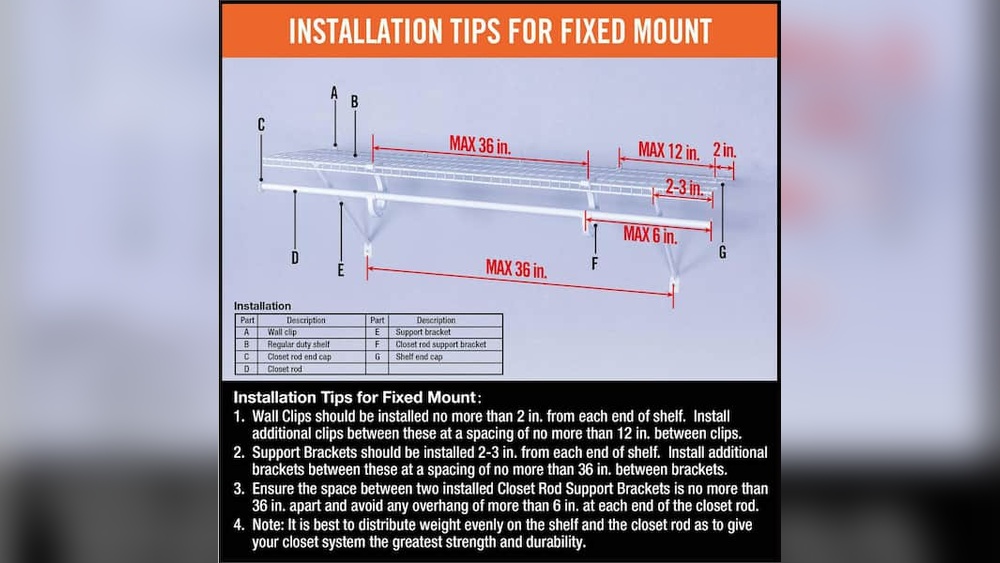
Place brackets evenly under the shelf for balance. Measure the shelf length before marking spots. Brackets should go about one-quarter the length from each end. Keep brackets straight and level to avoid tilted shelves. Space brackets no more than 24 inches apart for good support.
Securing Brackets To Different Walls
Use screws designed for your wall type. For drywall, use wall anchors to hold screws tight. Concrete or brick walls need masonry anchors. Wooden walls accept wood screws directly. Tighten all screws firmly but avoid over-tightening, which can damage the wall.
Using Studs For Maximum Support
Studs provide the strongest hold for brackets. Use a stud finder to locate studs behind the wall. Mark stud positions before drilling. Attach brackets directly into studs with long screws. This method supports heavier shelves and prevents wall damage.
Credit: www.ultrashelf.com
Common Mistakes
Choosing the right shelf brackets is not just about size. Many people make simple mistakes that cause shelves to fail. These errors can lead to damage or unsafe shelves. Understanding common mistakes helps you avoid problems and keep your shelves strong.
Using Undersized Brackets
Picking brackets that are too small is a frequent error. Small brackets do not support enough weight. They can bend or break under pressure. Always match the bracket size to the shelf length. Bigger shelves need bigger brackets for proper support.
Ignoring Weight Limits
Each bracket has a weight limit. Ignoring this can cause shelves to collapse. Check the weight the bracket can hold. Add the weight of items you plan to place on the shelf. Choose brackets with a higher limit than your total weight.
Poor Wall Anchoring
Strong brackets need strong wall anchors. Using weak or wrong anchors can fail. Drywall anchors may not support heavy shelves. Find studs or use heavy-duty anchors for safety. Proper anchoring keeps shelves stable and safe over time.
Custom Solutions
Standard shelf brackets may not always fit your needs. Custom solutions help create strong, perfect shelves. You can adjust brackets to match your shelf size and weight. This approach saves money and time. It also ensures safety and stability.
Custom solutions let you build shelves that hold heavy items. You can change bracket size or combine pieces for extra strength. These options work well for unique spaces and heavy loads.
Diy Bracket Modifications
Modify shelf brackets at home to fit your shelf size. Cut or drill brackets carefully for a perfect fit. Use a metal saw or drill for accurate changes. Sand rough edges to avoid damage or injury. Paint brackets after modification to protect them from rust. These small changes improve shelf support and look.
Combining Brackets For Heavy Loads
Combine two or more brackets under one shelf for heavy items. Place brackets evenly to spread weight and reduce pressure. Use strong screws and anchors to fix brackets securely. Check weight limits on each bracket before combining. This method increases shelf strength without extra cost.
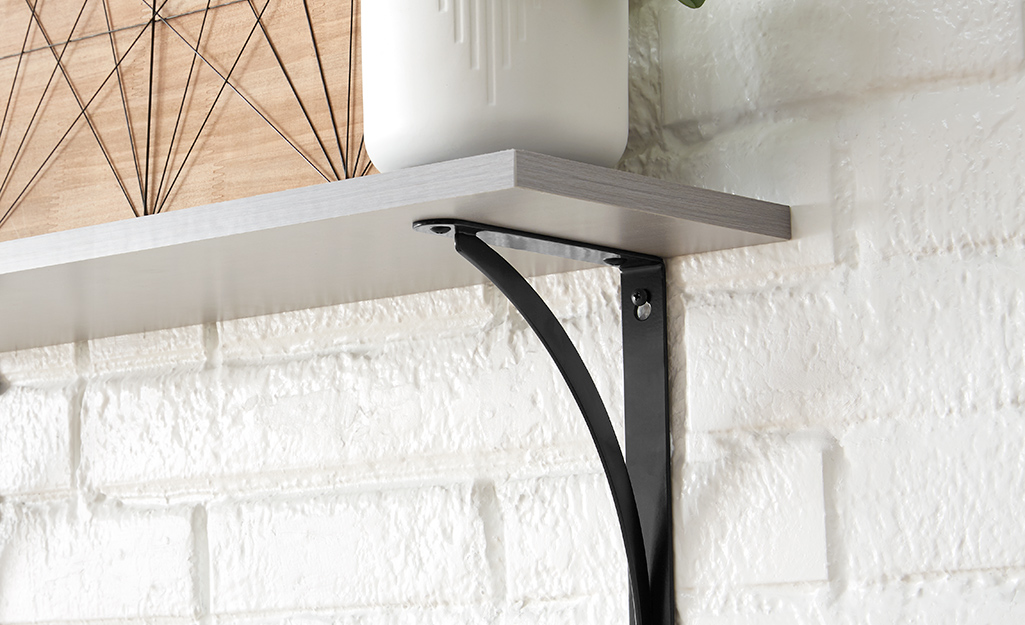
Credit: www.homedepot.com
Frequently Asked Questions
What Size Shelf Brackets Support Heavy Loads?
For heavy loads, choose brackets 8-12 inches long. Longer brackets distribute weight better, increasing shelf stability and strength.
How To Measure Shelf Bracket Size Correctly?
Measure the depth of your shelf from front to wall. Choose a bracket at least equal or slightly longer than this measurement.
Can I Use Small Brackets For Large Shelves?
Small brackets may not support large shelves adequately. Use brackets matching shelf length for proper support and safety.
What Materials Affect Shelf Bracket Size Choice?
Heavier materials like wood or metal need larger brackets. Lighter materials may work with smaller brackets, depending on shelf load.
Conclusion
Choosing the right shelf bracket size keeps your shelves safe and strong. Measure your shelf depth and weight before buying brackets. Bigger brackets hold more weight and provide better support. Small brackets work for light or shallow shelves. Always pick brackets that fit your shelf and wall type.
Proper bracket size prevents accidents and saves money. Now, you can install shelves with confidence and ease. Simple steps lead to sturdy, lasting shelves in your home.