Are you ready to install your shelf brackets but unsure what size screws to use? Picking the right screws might seem simple, but it’s actually the key to making sure your shelves stay strong and secure.
Using screws that are too small can cause your shelves to wobble or even fall, while screws that are too big can damage your walls or brackets. You’ll discover exactly what size screws work best for different types of shelf brackets and walls.
By the end, you’ll have the confidence to choose the perfect screws and get your shelves up safely and easily. Keep reading to avoid costly mistakes and make your shelving project a success.
Credit: www.homedepot.com
Choosing The Right Screw Size
Picking the correct screw size is important for shelf brackets. The right screw keeps the shelf stable and safe. Too small screws might not hold weight well. Too large screws can damage the wall or bracket. Understanding screw sizes helps make a strong, lasting shelf.
Several factors affect which screw size works best. Knowing these helps you choose the perfect screw for your shelf bracket.
Factors Affecting Screw Size
The type of wall matters a lot. Drywall, wood, or concrete all need different screws. The thickness of the bracket also affects screw length. The weight of items on the shelf changes the needed screw size. Heavier loads need longer and thicker screws. The screw material matters for strength and rust resistance.
Common Screw Sizes For Shelf Brackets
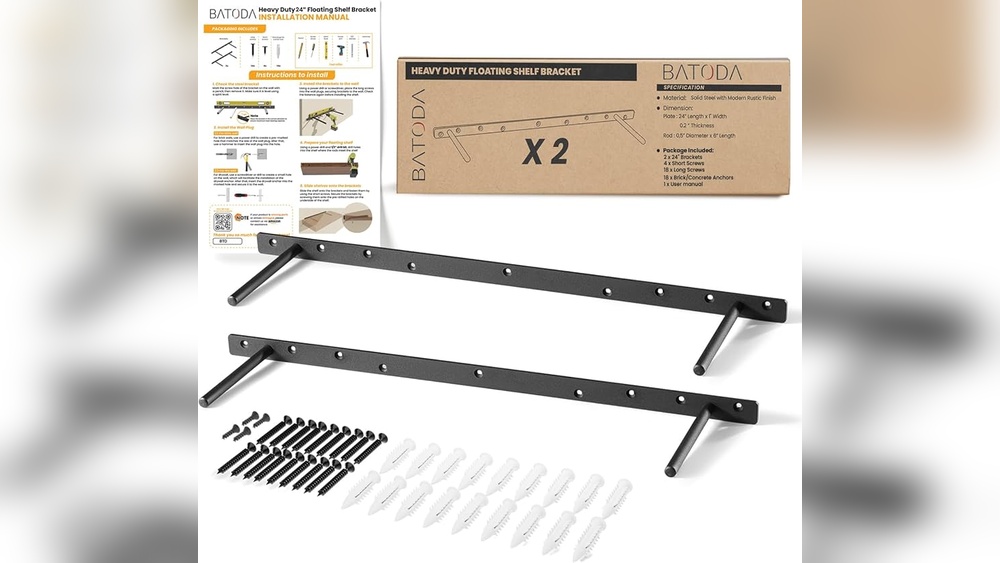
Screws from 1.5 to 2.5 inches often work well. 8 or 10 gauge screws are common for most brackets. For heavier shelves, use thicker screws like 12. Wood screws are good for wooden walls and studs. Use wall anchors with screws for drywall to improve hold. Always match the screw length to bracket thickness and wall type.

Credit: www.amazon.com
Material Matters
Choosing the right screw size depends on the material of your wall or shelf. Different materials need different screws to hold shelf brackets firmly. Using the wrong screws can cause shelves to fall or damage walls. Understanding the material helps pick screws that fit well and last longer.
Screws For Wood Surfaces
Wood is strong and holds screws well. Use wood screws that are long enough to go deep into the wood. Screws about 1.5 to 2.5 inches work best for most shelves. Choose screws with a sharp tip and coarse thread. They grip the wood tightly without splitting it.
Screws For Drywall And Plaster
Drywall and plaster are soft and brittle. Screws alone do not hold well here. Use drywall anchors or toggle bolts along with screws. Choose screws about 1.5 to 2 inches long. Anchors spread the load and prevent damage. They keep shelves steady on weak walls.
Screws For Masonry Walls
Masonry walls need special screws called masonry screws. These screws are hard and can cut into brick or concrete. Drill pilot holes with a masonry bit first. Use screws 2 to 3 inches long for strong holding. These screws resist rust and last a long time.
Length And Diameter Guidelines
Choosing the right screw size for shelf brackets ensures your shelves stay secure and stable. Two key factors are screw length and diameter. Both affect how well the bracket holds the shelf and the wall. Understanding these guidelines helps pick the best screws for strong support.
Recommended Length For Strong Support
Screw length depends on the wall type and bracket size. The screw must go deep enough into the wall stud or anchor. A good rule is to use screws at least 1.5 to 2 inches long for wood studs. For drywall anchors, longer screws up to 2.5 inches may be needed. Avoid screws that are too short. They won’t hold the bracket firmly. Too long screws may damage the wall or bracket.
Choosing The Correct Diameter
Screw diameter affects strength and fit. Thicker screws hold better but need larger holes. Common sizes for shelf brackets range from 8 to 12. Use 8 screws for light to medium shelves. For heavy shelves, 10 or 12 screws provide extra strength. Choose screws that fit bracket holes tightly. Loose screws can weaken the shelf support.
Screw Types And Their Uses
Selecting the right screw type is key for strong shelf brackets. Screws come in different shapes and materials. Each type fits specific surfaces and needs. Knowing their uses helps pick the best one for your shelves.
Wood Screws
Wood screws have sharp points and coarse threads. They grip wood firmly without splitting it. These screws work great for wooden shelves and brackets. Choose screws long enough to hold the bracket securely.
Sheet Metal Screws
Sheet metal screws have sharp threads that cut into metal. They can fasten metal brackets or attach brackets to metal studs. These screws need pre-drilled holes for easy insertion. Use them for metal-to-metal or metal-to-wood connections.
Masonry Screws
Masonry screws are made for brick, concrete, or stone walls. They have tough threads that bite into hard surfaces. Use them with anchors to hold heavy shelf brackets safely. These screws resist rust and last long outdoors or indoors.
Installation Tips For Maximum Strength
Installing shelf brackets correctly is crucial for strong, safe shelves. Proper installation prevents shelves from sagging or falling. Follow these simple tips to ensure maximum strength and long-lasting support.
Pre-drilling And Pilot Holes
Always pre-drill holes before inserting screws. This step prevents wood from splitting. Use a drill bit slightly smaller than the screw size. Pilot holes guide screws straight into the wall or bracket. This makes installation easier and more secure.
Using Wall Anchors
Wall anchors add extra support for screws in drywall or plaster. Choose anchors rated for the shelf’s weight. Insert anchors into pre-drilled holes before screwing brackets. Anchors spread the load and prevent screws from pulling out.
Proper Bracket Placement
Place brackets evenly under the shelf for balanced support. Measure spacing and align brackets with wall studs when possible. Studs provide the strongest hold for screws. Avoid placing brackets too far apart to reduce shelf bending.

Credit: vadania.com
Troubleshooting Common Issues
Using the right screws for shelf brackets is important. Sometimes problems still happen. Knowing how to fix these issues helps keep shelves safe and strong. Here are solutions to common problems with shelf brackets and screws.
Loose Screws
Loose screws can make shelves unstable. Tighten them with a screwdriver. If screws keep loosening, use thread-locking glue. Choose screws that fit the bracket holes well. Avoid screws that are too short or thin.
Bracket Wobbling
Wobbling brackets cause shelves to shake. Check if screws go deep into the wall studs. Use longer screws for better grip. Use a level to make sure brackets are straight. Add more brackets if the shelf is too long.
Wall Damage Prevention
Wall damage can happen from wrong screws or heavy loads. Use wall anchors for drywall support. Avoid over-tightening screws to prevent cracks. Pick screws with a wide thread for better hold. Spread weight evenly to reduce pressure on one point.
Frequently Asked Questions
What Size Screws Work Best For Shelf Brackets?
Typically, 8 or 10 screws, 1. 5 to 2. 5 inches long, work best for shelf brackets. They provide strong support and fit most wall types.
How Do I Choose Screw Length For Shelf Brackets?
Choose screws long enough to anchor through the bracket and wall stud. Usually, 1. 5 to 2. 5 inches is ideal for stability.
Can I Use Drywall Screws For Shelf Brackets?
Drywall screws are not ideal alone as they lack strength. Use wood or masonry screws anchored into studs or anchors for safety.
What Screw Type Is Best For Metal Shelf Brackets?
Use self-tapping metal screws or machine screws with anchors for metal brackets. This ensures a secure, durable installation.
Conclusion
Choosing the right screw size ensures your shelf brackets stay strong. Use screws that fit both the bracket holes and wall type. Too small screws may cause the shelf to fall. Too large screws can damage the wall or bracket.
Always check the weight your shelf will hold. Proper screws keep your shelves safe and steady. Simple steps make a big difference in your shelf’s strength. Take time to pick the best screws for your project. Your shelves will last longer and hold more weight securely.