
Have you ever stared at that stubborn hook on your wall, wondering how to get it off without damaging your paint or leaving ugly holes? You’re not alone.
Removing hooks can be tricky, especially when you want your walls to look clean and fresh afterward. But don’t worry—this guide will show you simple, effective ways to take down hooks safely. By the end, you’ll have the confidence to handle any wall hook removal with ease and keep your space looking perfect.
Ready to get started? Let’s dive in!
Types Of Wall Hooks
Wall hooks come in many types. Each type has a different way to hold items and attach to walls. Knowing the type helps in safe removal without damage. Some hooks stick with glue, others use nails or screws. Magnets offer a tool-free option. Choose the right method to remove hooks carefully.
Adhesive Hooks
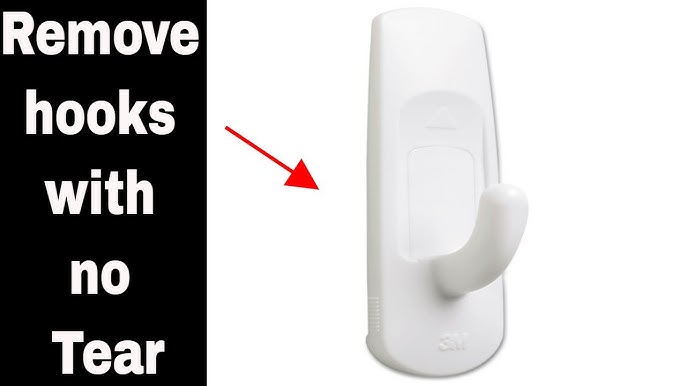
Adhesive hooks stick to walls using glue. They do not need nails or screws. These hooks are easy to place and remove. Peel them off slowly to avoid wall damage. Use heat from a hairdryer to soften glue. This makes removal smoother and cleaner.
Screw-in Hooks
Screw-in hooks attach with screws. They need a drill or screwdriver for installation. These hooks hold heavy items securely. To remove, turn the screw counterclockwise. Pull the hook out gently after unscrewing. Fill the hole with putty to hide marks.
Nail Hooks
Nail hooks use small nails for support. They are simple and quick to install. Use a hammer to remove them carefully. Pull the nail straight out to avoid wall damage. Patch the hole with spackle or filler. Sand the spot for a smooth finish.
Magnetic Hooks
Magnetic hooks work on metal surfaces only. No tools or wall damage occur during use. Remove by lifting the hook off the metal surface. They are reusable and easy to move. Ideal for metal doors or cabinets. Not suitable for drywall or wood walls.

Credit: www.youtube.com
Tools You’ll Need
Removing a hook from the wall is easier with the right tools. Having these tools ready saves time and prevents damage. Some tools are common and found in most homes. Others are designed for specific tasks and make removal smoother.
Basic Household Tools
A screwdriver is essential for unscrewing hooks fastened with screws. A pair of pliers helps grip and twist stubborn hooks. A putty knife can gently pry hooks loose without harming the wall. A cloth or sponge is useful to clean the area after removal. A step stool might be necessary for hooks placed high on the wall.
Specialized Removal Tools
A wall hook remover tool is designed to pull hooks without damage. A stud finder helps locate wall studs behind the hook. A drill can quickly remove screws if manual tools fail. A spackle knife and spackle help fill small holes left behind. Sandpaper smooths the patched surface for painting or finishing.
Removing Adhesive Hooks
Removing adhesive hooks from walls can be tricky. The goal is to avoid damage to the paint or surface. Different hooks use different adhesives. Knowing how to remove them safely helps keep your walls clean and smooth.
Peeling Off Slowly
Start by lifting the edge of the hook gently. Pull it slowly at a low angle. Slow peeling reduces the risk of paint peeling or wall damage. If you feel resistance, stop and try another method. Patience is key for a clean removal.
Using Heat To Soften Adhesive
Heat helps soften the sticky glue beneath the hook. Use a hairdryer on low heat. Hold it a few inches from the hook. Warm the area for about 30 seconds. Then, try peeling the hook again slowly. Heat makes the adhesive less sticky and easier to remove.
Applying Solvents Safely
Some adhesives need a solvent to break down. Use rubbing alcohol or adhesive remover. Test the solvent on a small wall spot first. Apply it gently with a cotton ball or cloth. Let it sit for a few minutes. Avoid soaking the wall to prevent damage. Wipe off the softened glue carefully.
Credit: www.reddit.com
Taking Out Screw-in Hooks
Removing screw-in hooks from walls is a simple task that anyone can do. These hooks twist into the wall and hold items like pictures or keys. Taking them out carefully prevents wall damage and keeps your space neat.
Follow easy steps to remove these hooks safely and fix the wall after.
Using Screwdrivers Correctly
Choose a screwdriver that fits the hook’s screw head well. A proper fit stops slipping and damage. Turn the screwdriver slowly to loosen the hook. Do not force it if it feels stuck. Gentle pressure works best.
Handling Stuck Hooks
Hooks can get stuck from paint or wall material. Try wiggling the hook gently side to side. Use a pair of pliers for better grip if needed. Avoid pulling hard to stop wall damage. A little patience helps remove stuck hooks safely.
Filling Screw Holes
After removing the hook, small holes remain on the wall. Fill holes with spackling paste or wall filler. Use a putty knife to smooth the surface. Let the filler dry completely before sanding. Sand lightly to match the wall’s texture. This makes the wall ready for painting or new decorations.
Removing Nail Hooks
Removing nail hooks from the wall is a simple task. It requires care to avoid damage to the wall. This section explains easy steps to remove nail hooks safely and fix any marks left behind.
Levering Nails Out
Use a flat tool like a claw hammer or a pry bar. Place it under the nail head gently. Push down slowly to lift the nail out. Avoid pulling too hard to prevent wall damage. Work steadily until the nail comes out completely.
Protecting Wall Surface
Place a thin piece of wood or a cloth between the tool and wall. This protects the paint and drywall from scratches. Move the tool carefully during levering. This simple step keeps the wall smooth and clean.
Repairing Nail Holes
Fill small holes with spackling paste or wall filler. Use a putty knife to apply the filler evenly. Let it dry for a few hours. Sand the area lightly to make it smooth. Paint over the spot to match the wall color.
Cleaning Up After Removal
Removing a hook from the wall often leaves marks and residue. Cleaning up after removal is essential to restore the wall’s look. Proper cleanup prepares the surface for repainting or rehanging items. This process involves removing leftover adhesive, sanding rough spots, and touching up paint. Each step helps the wall look smooth and fresh again.
Removing Residual Adhesive
Sticky residue can stay on the wall after removing a hook. Use a gentle adhesive remover or rubbing alcohol. Apply a small amount to a cloth and rub the residue gently. Avoid harsh chemicals that can damage paint. Repeat until all adhesive is gone. Wipe the area with a clean, damp cloth to remove any leftover remover.
Sanding And Smoothing Walls
Wall surfaces may feel rough or bumpy after hook removal. Lightly sand the area with fine-grit sandpaper. Sand in small, circular motions to smooth edges. Be careful not to sand too hard or too much. Clean off dust with a dry cloth. A smooth surface helps paint stick better and look even.
Touching Up Paint
Paint may chip or fade around the hook spot. Use matching paint to cover the area. Apply paint with a small brush or sponge for control. Let the first coat dry completely before adding a second. Blend the edges to match the wall. Fresh paint makes the wall look clean and new again.
Preventing Wall Damage
Preventing wall damage is key when using hooks. Walls can crack, peel, or get holes from wrong hooks or bad installation. Taking care helps keep walls clean and smooth. Follow simple steps to protect your walls while hanging items.
Choosing The Right Hook
Pick hooks made for your wall type. Light hooks for drywall, stronger ones for brick or wood. Use adhesive hooks for light items to avoid nails. Choose hooks with smooth edges to prevent paint damage. Check the weight limit on the package before buying.
Proper Installation Tips
Clean the wall surface before placing a hook. Use a level to keep hooks straight. Press adhesive hooks firmly and hold for 30 seconds. For nails, use a small drill hole first. Avoid putting hooks too close to corners or edges.
Safe Removal Practices
Remove hooks slowly and carefully. Pull adhesive hooks sideways, not straight out. Use heat from a hairdryer to soften glue. For nails, pull gently with pliers and fill holes with spackle. Clean any residue with mild soap and water.
Credit: www.youtube.com
Frequently Asked Questions
How Do I Safely Remove A Hook From The Wall?
Use a screwdriver or pliers to gently loosen the hook. Avoid sudden force to prevent wall damage. Slowly pull the hook out once it’s loose.
What Tools Are Needed To Remove Wall Hooks?
Common tools include a screwdriver, pliers, and a putty knife. Optional items are spackling paste and sandpaper for patching holes.
Can I Remove Hooks Without Damaging The Wall?
Yes, by removing screws or nails gently and filling holes afterward. Use appropriate tools and patch any holes for a smooth finish.
How Do I Fix Holes After Removing A Hook?
Fill holes with spackling paste or wall filler. Let it dry, then sand it smooth. Repaint the area if needed.
Conclusion
Removing a hook from the wall is simple with the right steps. Take your time and use gentle tools to avoid damage. Clean the area well after removing the hook. Small holes can be fixed easily with some putty. Patience helps keep your walls looking fresh and neat.
Now, you can hang new items without worry. A smooth wall means a better home feel. Try these tips next time you remove a hook.

