If you need to secure a fire escape to a brick wall, getting it right is crucial for your safety and peace of mind. You want your fire escape to be strong, stable, and reliable when it matters most.
But how do you make sure it’s anchored properly without risking damage to your wall or compromising the structure? In this guide, you’ll discover simple, step-by-step methods to anchor your fire escape firmly and safely. By the end, you’ll feel confident that your setup will hold up under pressure, protecting you and your loved ones when every second counts.
Keep reading to learn the essential tips and tricks that make anchoring a fire escape both easy and effective.

Credit: www.youtube.com
Tools And Materials Needed
Anchoring a fire escape into a brick wall requires the right tools and materials. Using proper equipment ensures safety and durability. This section lists what you need to get started. Prepare well to make the job easier and secure.
Essential Tools
- Drill with masonry bit – for making holes in brick
- Hammer – to tap anchors into place
- Wrench or socket set – to tighten bolts securely
- Measuring tape – to mark exact spots on the wall
- Level – to keep the fire escape straight and even
- Safety glasses – to protect eyes from dust and debris
- Dust mask – to avoid inhaling brick dust
- Chalk or pencil – to mark drilling points clearly
Recommended Materials
- Expansion anchors or sleeve anchors – designed for brick walls
- Heavy-duty bolts and nuts – to hold fire escape firmly
- Metal fire escape brackets – to support the structure
- Rust-resistant paint or sealant – to protect metal parts
- Concrete or mortar patch – to fill any gaps around anchors
- Washers – to spread bolt pressure evenly
Preparing The Brick Wall
Preparing the brick wall is a vital step before anchoring a fire escape. This step ensures the safety and stability of the installation. It involves checking the wall’s condition and marking where the anchors will go. Careful preparation helps avoid future problems like loose anchors or wall damage.
Inspecting The Wall Condition
Start by examining the brick wall carefully. Look for cracks, loose bricks, or damaged mortar. These issues weaken the wall and can cause the fire escape to fail. Tap the bricks gently to hear if any sound hollow or weak. Check if the mortar between bricks is solid and not crumbling. A strong, healthy wall is necessary for secure anchoring.
Marking Anchor Points
Next, decide where to place the anchors. Use a tape measure and level to mark spots evenly. Marks should align with the fire escape’s mounting holes. Mark points on solid bricks, not on mortar joints. Proper marking helps keep the fire escape stable and balanced. Double-check each mark before drilling to avoid mistakes.
Choosing The Right Anchors
Choosing the right anchors is key to securing a fire escape safely. The right anchor holds the fire escape firmly to the brick wall. A weak or wrong anchor can cause serious safety issues. Understanding the different types of anchors helps in making the best choice. Consider the wall type and the fire escape weight when selecting anchors.
Types Of Anchors For Brick
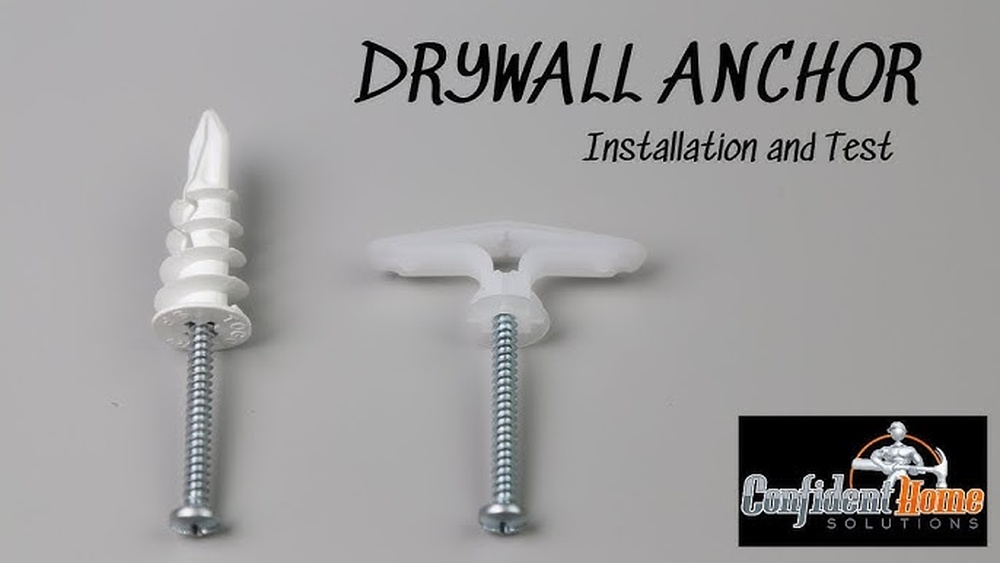
There are several anchor types for brick walls. Sleeve anchors expand inside the hole, gripping tightly. Wedge anchors offer strong hold in solid bricks. Masonry screws are easy to install and remove. Epoxy anchors use glue to fix bolts inside drilled holes. Each type has its own strength and use case.
Selecting Based On Wall Type
Brick walls vary in hardness and condition. Solid bricks work well with wedge or sleeve anchors. Hollow bricks need hollow wall anchors or epoxy anchors. Check the brick’s condition before choosing. Old or crumbly bricks may require special anchors or extra support. Matching anchors to brick type ensures firm, safe installation.
Drilling Holes Into Brick
Drilling holes into a brick wall is a crucial step when anchoring a fire escape. It requires careful attention to avoid damaging the brick or weakening the wall. Precise drilling ensures the fire escape stays secure and safe for use. Proper tools and techniques make the job easier and more effective.
Using The Correct Drill Bit
Select a masonry drill bit designed for brick and stone. These bits have a strong tip made of carbide. A regular drill bit will wear out quickly and may cause cracks. Match the drill bit size to the anchor bolts you will use. This ensures a tight fit and strong hold.
Ensuring Proper Hole Depth
Check the anchor bolt length before drilling. Mark the drill bit with tape to measure depth. Drill slowly and steadily to reach the marked depth. Avoid drilling too deep or too shallow. Correct depth helps the anchor hold firmly in the brick.
Installing The Anchors
Installing anchors is a key step to secure a fire escape on a brick wall. The anchors hold the fire escape firmly and keep it safe for use. Choosing the right type of anchor and installing it properly matters a lot. This section explains two common anchor types and how to install them correctly.
Setting Expansion Anchors
Expansion anchors work well in solid brick walls. First, drill a hole that matches the anchor size. Clear out dust from the hole for a tight fit. Insert the expansion anchor into the hole carefully. Tighten the anchor bolt slowly. As you tighten, the anchor expands and grips the brick firmly. Make sure the anchor feels secure before attaching the fire escape. Avoid overtightening to prevent brick damage.
Using Sleeve Anchors
Sleeve anchors offer strong support in brick walls. Drill a hole slightly larger than the anchor sleeve. Remove dust and debris from the hole completely. Push the sleeve anchor inside the hole. Tighten the bolt steadily. This action expands the sleeve, locking it in place. Check the anchor’s stability by gently pulling on it. A tight anchor ensures your fire escape will stay fixed.

Credit: www.amazon.com
Attaching The Fire Escape
Attaching the fire escape securely to a brick wall is crucial for safety. This step ensures the fire escape stays strong and stable. Proper attachment prevents accidents and keeps everyone safe during emergencies. Follow these clear steps to attach the fire escape correctly.
Aligning The Fire Escape Frame
Start by positioning the fire escape frame against the brick wall. Use a level to check the frame is straight. Mark the points where the frame meets the wall. These marks guide where to drill holes for bolts. Double-check the frame’s position before moving on.
Securing With Bolts And Screws
Drill holes into the brick at the marked points. Choose bolts designed for masonry walls. Insert the bolts through the fire escape frame into the holes. Tighten the bolts firmly but avoid over-tightening. Use washers to spread the pressure and protect the frame. Check each bolt to ensure the fire escape is solidly fixed.
Testing Stability And Safety
Testing the stability and safety of a fire escape anchored into a brick wall is critical. It ensures the structure can support weight and resist movement. This step prevents accidents and keeps everyone safe during emergencies.
Checking For Firmness
Start by pressing and shaking the fire escape gently. Look for any movement or wobbling at the anchor points. The fire escape should feel solid and fixed without any looseness. Check the bricks around the anchors for cracks or damage. Firmness means the anchors hold well and the wall is strong enough.
Performing Load Tests
Apply weight on the fire escape to test its strength. Use weights or have someone stand carefully on it. Observe if the fire escape holds steady without bending or shifting. Test each section, especially near the anchors. A good load test confirms the fire escape can support people safely.

Credit: www.dreamstime.com
Maintenance Tips
Maintaining a fire escape anchored to a brick wall is important for safety. Regular care keeps the structure strong and reliable. Small problems can turn into big dangers without attention.
Regular Inspections
Check the fire escape often. Look for loose bolts or cracked bricks. Notice any movement when you push or pull the escape. Early signs of damage need fixing fast. Use a flashlight to see hidden areas clearly. Make a habit of inspecting at least twice a year.
Addressing Rust And Wear
Rust weakens metal parts of the fire escape. Remove rust with a wire brush or sandpaper. Apply rust-resistant paint to protect metal surfaces. Replace any parts that are too worn or broken. Keep metal clean and dry to slow down rusting. Regular care extends the life of the fire escape.
Frequently Asked Questions
What Tools Are Needed To Anchor A Fire Escape Into Brick?
You need a drill with masonry bits, anchors, screws, a wrench, and a level. These tools ensure a secure, precise installation.
How Do You Choose The Right Anchor For Brick Walls?
Select anchors designed for masonry, like sleeve or wedge anchors. They provide strong holding power for fire escape safety.
Can I Install A Fire Escape Without Professional Help?
Yes, if you have experience with masonry and follow safety guidelines. However, professionals ensure compliance with local codes and secure installation.
How Deep Should Anchors Be Drilled Into A Brick Wall?
Drill holes at least 2. 5 inches deep to accommodate anchors fully. Proper depth ensures maximum holding strength and wall safety.
Conclusion
Anchoring a fire escape into a brick wall takes care and the right tools. Start by choosing strong anchors and drilling carefully. Check that every bolt fits tight and the escape holds firm. Safety matters most; a solid fire escape can save lives.
Follow each step slowly and double-check your work. This way, your fire escape will be safe and reliable. Trust the process and keep safety first. You will feel confident knowing your fire escape stands strong.