If you own a floor jack, you know how important it is to keep it working smoothly. But do you know how to put oil in your floor jack the right way?
Adding oil might sound simple, but doing it wrong can cause damage or reduce its performance. In this guide, you’ll learn exactly how to oil your floor jack step by step. By the end, your jack will be ready to lift heavy loads safely and easily every time you need it.
Keep reading to make sure you’re taking care of your tool the right way.
Choosing The Right Oil
Choosing the right oil for your floor jack is important for its smooth operation. The correct oil helps keep the jack working well and lasts longer. Using the wrong oil can cause damage and make lifting harder. Learn about the types of oils, their thickness, and where to buy them. This knowledge helps you pick the best oil for your floor jack.
Types Of Floor Jack Oils
Hydraulic oil is the most common for floor jacks. It moves easily and supports pressure. Some floor jacks use motor oil, but this depends on the model. Avoid using engine oil, transmission fluid, or brake fluid. These can harm the jack’s seals and parts. Check your jack’s manual for the recommended oil type.
Viscosity And Quality
Viscosity means how thick or thin the oil is. Floor jack oil should have medium viscosity. Too thick oil slows down the jack’s movement. Too thin oil can leak and reduce pressure. Use high-quality hydraulic oil to protect the jack’s parts. Good oil reduces wear and prevents rust inside the jack.
Where To Buy
Buy floor jack oil at auto parts stores or hardware shops. You can also find it online from trusted sellers. Choose products with good reviews and clear labels. Avoid very cheap or unknown brands. Proper oil helps your floor jack work safely and last longer.

Credit: www.youtube.com
Preparing Your Floor Jack
Preparing your floor jack before adding oil is very important. It helps keep the jack working smoothly and safely. Taking time to prepare ensures the oil goes in correctly and the jack lasts longer.
Start by making sure the jack is clean and ready. You also need to gather the right tools and follow safety steps. These simple actions make the process easier and safer for you.
Safety Precautions
Always wear gloves to protect your hands from oil. Use safety glasses to keep oil out of your eyes. Work in a well-ventilated area to avoid breathing in fumes. Keep the jack on a flat, stable surface to stop it from moving. Never put your hands under the jack while adding oil.
Cleaning The Jack
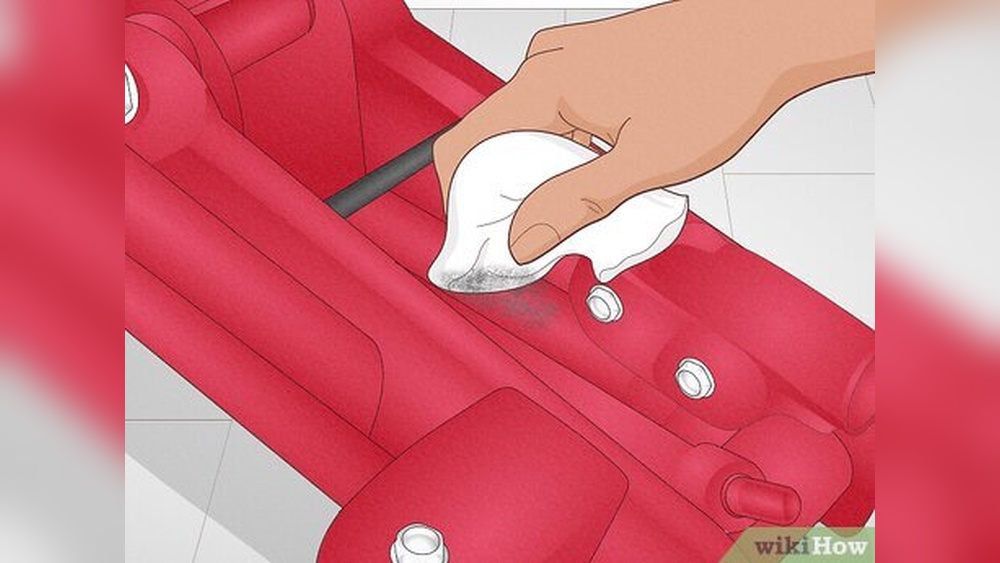
Remove dirt and dust from the jack’s surface with a clean cloth. Check for old oil leaks and wipe them off. Clean the oil fill plug area to stop dirt from entering. Use a brush to clean hard-to-reach spots. A clean jack helps oil flow better inside the system.
Gathering Tools And Materials
Get the right type of oil for your floor jack. Find a clean funnel to pour oil without spilling. Have a wrench or screwdriver to open the oil fill plug. Keep some rags nearby for quick clean-ups. Having everything ready saves time and prevents mistakes.
Locating The Oil Reservoir
Locating the oil reservoir on your floor jack is the first step to proper maintenance. Knowing where the oil goes helps keep your jack working smoothly. The reservoir stores hydraulic fluid that powers the jack’s lifting mechanism. Finding it is simple once you know what to look for.
Identifying The Fill Port
The fill port is usually a small, round opening on the jack’s body. It often has a cap or plug you can unscrew. This port is where you add hydraulic oil. Look near the jack’s base or side. It may be marked with a label or symbol showing oil or fluid.
Accessing The Reservoir
To reach the reservoir, clean the area around the fill port first. Dirt can enter the system if you skip this step. Unscrew the fill port cap carefully. Use a rag to wipe away any dust or grime inside the opening. This prevents contamination of the oil. Now the reservoir is ready for oil filling or checking.

Credit: www.wikihow.com
Draining Old Oil
Draining old oil from your floor jack is an important step before adding new oil. Old oil can collect dirt and lose its ability to lubricate properly. Removing it helps keep your floor jack working smoothly and safely. This process is simple but must be done carefully to avoid spills and damage.
When To Drain
Drain the oil if it looks dark or dirty. Check your floor jack every six months or after heavy use. If the jack feels stiff or noisy, it may need an oil change. Regular checks help keep the jack in good condition and extend its life.
Proper Disposal Methods
Used oil is harmful to the environment. Do not pour it down drains or on the ground. Collect the old oil in a clean container with a tight lid. Take it to a recycling center or a service station that accepts used oil. Proper disposal protects water and soil from pollution.
Adding New Oil
Adding new oil to your floor jack keeps it working smoothly and safely. Over time, oil can get dirty or low, affecting the jack’s performance. Replacing the oil is simple but needs care. Follow the right steps to fill the oil correctly.
Filling Techniques
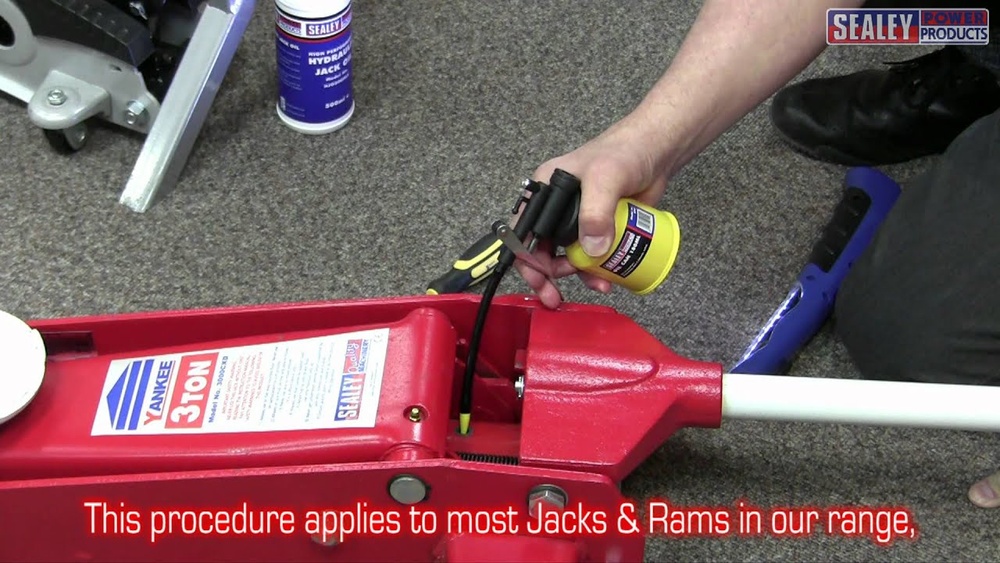
Start by placing the jack on a flat surface. Open the oil filler plug carefully. Use a clean funnel to avoid dirt. Slowly pour the new hydraulic oil into the hole. Stop pouring when the oil reaches the right level. Avoid rushing to prevent spills.
Avoiding Overfill
Too much oil can cause damage. Overfilling makes the jack hard to use. Fill the oil slowly and check often. Leave some space for oil to expand. Stop adding oil once it reaches the recommended mark. Wipe off any spilled oil immediately.
Checking Oil Levels
After filling, check the oil level with a dipstick or by sight. The oil should be just below the filler hole. If it’s too low, add a little more. If it’s too high, drain the extra oil carefully. Proper oil level ensures smooth jack operation.
Bleeding Air From The System
Bleeding air from the system is a key step after adding oil to your floor jack. Air bubbles can get trapped inside the hydraulic system. These bubbles stop the jack from working smoothly. Removing air ensures the jack lifts properly and safely. This process keeps the jack in good condition and extends its life.
Why Bleeding Is Important
Air in the hydraulic system causes poor jack performance. The jack may feel spongy or weak. It might not lift heavy loads properly. Trapped air reduces the pressure needed for lifting. Bleeding removes this air and restores full power. This step prevents damage and keeps the jack reliable.
Step-by-step Bleeding Process
First, locate the release valve on your floor jack. Open it slowly to let out pressure. Next, pump the handle several times to push air out. Keep the valve open during this process. Watch for bubbles escaping with the fluid. Once no more bubbles appear, close the valve. Check the jack’s lift to ensure it works well. Repeat if the jack still feels soft or weak.
Testing The Floor Jack
Testing your floor jack after adding oil is important. It ensures the jack works well and stays safe to use. This step helps spot any problems early. You can avoid damage or accidents by checking the jack carefully.
Checking For Smooth Operation
Start by pumping the jack handle slowly. The jack should lift smoothly without jerks. Listen for strange noises like squeaks or grinding. These sounds may mean the oil is not enough or not spread well. Make sure the jack lowers smoothly too. If it moves unevenly, more oil or repairs might be needed.
Identifying Leaks Or Issues
Look under and around the jack for oil leaks. Wet spots or drips show that oil is escaping. Leaks reduce the jack’s strength and can cause damage. Check seals and fittings for cracks or damage. Tighten any loose bolts to stop leaks. Catching these issues early keeps your jack working longer and safer.

Credit: www.youtube.com
Maintenance Tips
Proper maintenance keeps your floor jack working smoothly and safely. Regular care helps avoid costly repairs and extends its life. Focus on oil care as a key part of maintenance. Clean oil means better lifting and less wear.
Follow these simple tips to keep your floor jack in top shape.
Regular Oil Checks
Check the oil level every time before use. Low oil can cause the jack to fail or work poorly. Use a clean cloth to wipe the filler plug. Remove the plug and look inside the reservoir. Add oil if the level is low. Use the oil type recommended by the manufacturer.
Storage Recommendations
Store the floor jack in a dry, cool place. Avoid damp areas that cause rust and oil contamination. Keep the jack lowered to relieve pressure on seals. Cover it with a cloth or plastic to protect from dust. Proper storage keeps oil clean and parts safe.
Signs You Need An Oil Change
Dark, dirty oil means it needs changing. If the jack lifts slowly or feels spongy, check the oil. Strange noises during use can signal old or low oil. Change oil every 6 to 12 months or as the manual suggests. Fresh oil keeps the jack working strong and safe.
Frequently Asked Questions
How Often Should I Change Oil In My Floor Jack?
Change the oil in your floor jack every 6 to 12 months. Regular oil changes ensure smooth operation and prevent rust or damage. Always check the manufacturer’s guide for specific recommendations and use the correct hydraulic oil type.
What Type Of Oil Is Best For Floor Jacks?
Use high-quality hydraulic jack oil or ISO 32 hydraulic oil for floor jacks. Avoid motor oils or brake fluids, as they can damage seals and cause leaks. Proper oil ensures efficient lifting and prolongs the jack’s life.
How Do I Safely Add Oil To My Floor Jack?
First, lower the jack completely and place it on a flat surface. Remove the oil fill plug carefully. Slowly pour the recommended oil until it reaches the fill mark. Replace the plug tightly and test the jack for proper function.
Can I Use Motor Oil Instead Of Hydraulic Oil?
No, do not use motor oil in a floor jack. Motor oil lacks the proper viscosity and additives needed for hydraulic systems. Using the wrong oil can damage seals and reduce the jack’s performance and lifespan.
Conclusion
Keeping your floor jack well-oiled helps it work smoothly. Regular oil changes prevent rust and damage. Always check the oil level before use. Clean the jack to avoid dirt buildup. Follow safety steps to avoid accidents. Proper care extends your jack’s life.
Small efforts make big differences in tool performance. Take time to maintain your equipment well. Your floor jack will stay reliable and safe. Simple maintenance saves money and trouble later.