Looking to hang wall hooks without leaving ugly holes or marks behind? You’re not alone.
Whether you want to organize your space, display decorations, or add some extra storage, damaging your walls can quickly turn your plans into a headache. But what if you could get sturdy hooks up without the mess or stress? This guide will show you simple, smart ways to hang wall hooks that protect your walls and keep your space looking flawless.
Keep reading—you’ll discover easy tricks that anyone can do, saving you time, money, and frustration.
Credit: www.walmart.com
Choosing The Right Hooks
Choosing the right hooks is key to hanging items without harming your wall. The hooks must suit the wall type and the weight of what you hang. Picking the wrong hook can cause holes, marks, or even falling items. This section helps you find hooks that work well and keep your walls safe.
Types Of Wall Hooks
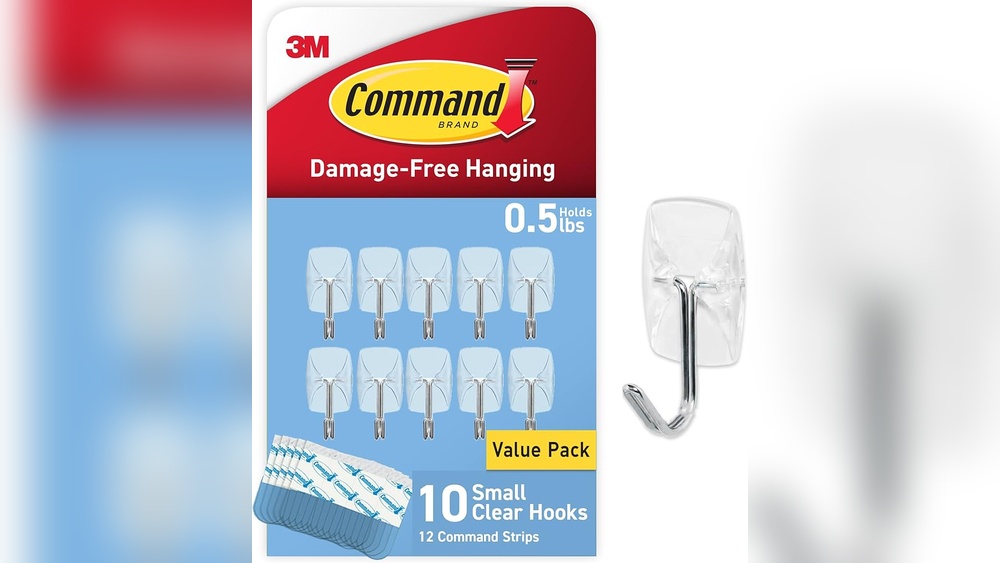
There are many types of wall hooks. Some stick with adhesive, so no nails or screws are needed. Others use nails or screws for stronger hold. Command hooks are popular for light items. Picture hooks hold frames securely. Over-the-door hooks hang on doors without drilling. Each type suits different needs and walls.
Materials And Weight Limits
Hooks come in plastic, metal, or wood. Metal hooks often hold heavier items. Plastic hooks work well for light things. Always check the weight limit on the hook package. Hanging heavy objects on weak hooks can damage the wall. Choose hooks that support the weight you need safely.
Preparing Your Wall
Preparing your wall is the first step to hang hooks without damage. A clean and suitable surface helps hooks stick better. It also prevents marks or holes on the wall. Taking time to prepare saves effort later.
Cleaning The Surface
Start by wiping the wall with a damp cloth. Remove dust, dirt, and grease. Use mild soap and water if needed. Let the wall dry completely before hanging hooks. A clean surface ensures strong hook adhesion.
Checking Wall Material
Know your wall type before choosing hooks. Drywall, plaster, tile, and wood need different hooks. Check if the wall has paint or wallpaper. Some hooks work better on smooth walls. Matching hooks to wall material prevents damage.
Damage-free Hanging Methods
Hanging wall hooks without harming your walls is simple with damage-free methods. These methods keep your walls safe and clean. They work well for renters, dorm rooms, or anyone avoiding holes and marks. You can hang many items without worry.
Below are some easy options to hang hooks without damage.
Adhesive Hooks
Adhesive hooks stick directly to the wall using strong glue. They hold light to medium weight items. No nails or screws are needed. When removed, they leave little or no residue. Clean the wall surface before applying the hook for better hold. Press the hook firmly and wait before hanging items. Perfect for keys, small bags, or decorations.
Command Strips
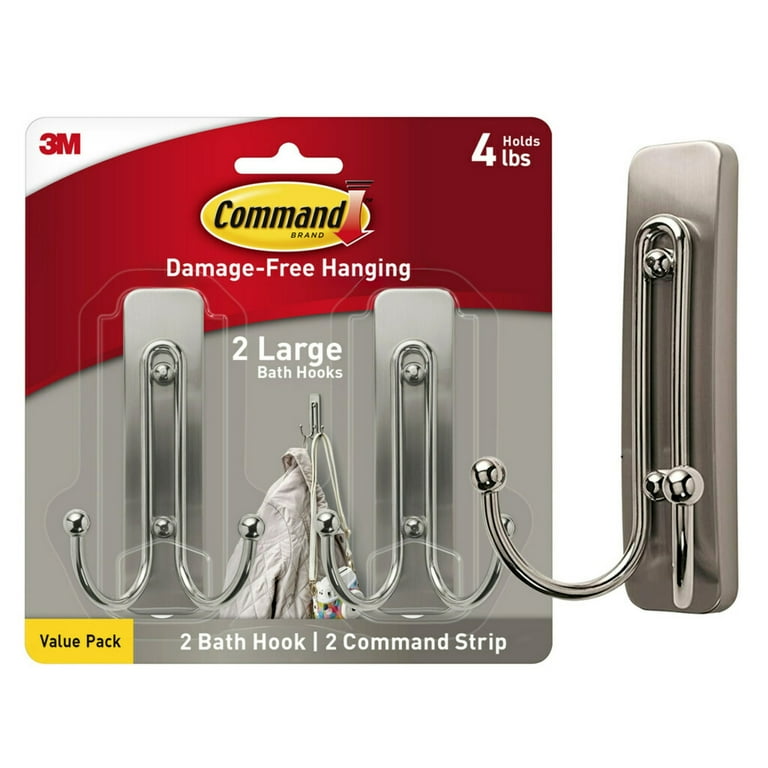
Command strips are a popular choice for damage-free hanging. They use double-sided tape that sticks well but peels off cleanly. Strips come in different sizes for various weights. Press the strip on the hook and wall, then wait a few minutes. To remove, pull the tab slowly to release the adhesive. Great for pictures, towels, or kitchen utensils.
Magnetic Hooks
Magnetic hooks work on metal surfaces like refrigerators or metal doors. They hold items without adhesives or holes. These hooks are easy to move and adjust. Ideal for hanging kitchen tools, keys, or small plants. Check the weight limit before use to avoid falls. A smart solution for metal walls or appliances.

Credit: www.amazon.com
Using Minimal Tools
Hanging wall hooks without damage needs care and simple tools. Using minimal tools keeps the process easy and quick. It also lowers the risk of mistakes that can harm walls. Small tools like a drill, screwdriver, and anchors often do the job well.
Pilot Holes And Anchors
Making pilot holes helps guide screws into the wall. Use a small drill bit to make the hole first. This prevents the wall from cracking or breaking. Anchors add extra hold for heavy hooks or items. Push or tap the anchor gently into the pilot hole. Then, screw the hook into the anchor for firm support. This method works well on drywall and plaster.
Avoiding Large Nails And Screws
Large nails or screws can create big holes and cracks. These holes are hard to fix and spoil the wall’s look. Choose small nails or screws that fit the hook size. Smaller tools cause less wall damage and hold hooks securely. Use a level to place hooks straight and avoid re-drilling. This keeps your walls neat and damage-free.
Tips For Heavy Items
Hanging heavy items on the wall needs care. Walls can crack or get holes if not done right. Use strong support to hold weight safely. This section gives tips to hang heavy hooks without damage.
Finding Studs
Studs are wooden beams behind the wall. They hold the most weight. Use a stud finder tool to locate them. Mark the spots with a pencil. Always attach hooks to studs for better strength.
When you find a stud, drill a small pilot hole first. This prevents wood from splitting. Screw the hook directly into the stud. It will hold heavy items firmly without risk.
Using Wall Anchors Safely
Wall anchors help support heavy hooks in drywall. Choose anchors designed for the weight you hang. Insert anchors carefully into a drilled hole. Avoid pushing them in with too much force.
Use screws that fit the anchors well. Tighten screws slowly to prevent damage. Never overload anchors beyond their weight limit. Anchors distribute weight evenly and protect your wall.
Removing Hooks Without Marks
Removing wall hooks without leaving marks can protect your walls and keep them looking fresh. The right method helps avoid holes, scratches, or sticky residue. Taking care during removal is important for smooth, clean walls.
Proper Removal Techniques
Start by gently loosening the hook from the wall. Pull slowly and evenly to prevent paint from peeling. Use a hairdryer on low heat to warm adhesive hooks. Warmth softens glue, making removal easier. For hooks with nails, carefully wiggle them out. Use pliers with a cloth to avoid wall damage. Never yank hooks quickly; this can cause marks.
Cleaning Residue
After removing hooks, check for leftover adhesive. Use a soft cloth with warm, soapy water to clean small sticky spots. For tougher residue, apply a little rubbing alcohol or vinegar. Test a small area first to protect paint. Gently rub the residue until it disappears. Avoid harsh scrubbing that could harm the wall surface.
Maintaining Wall Integrity
Maintaining wall integrity is important when hanging hooks. Small holes and marks can weaken your wall over time. Taking care of the wall keeps it strong and looking good. You can enjoy your space without worry.
Regular Inspection
Check your wall often for any signs of damage. Look for cracks, holes, or peeling paint around the hooks. Early detection helps you fix problems before they get worse. Use a soft cloth to clean the area gently. This keeps the wall surface smooth and safe.
Touch-up Paint Tips
Use matching paint to cover small holes and marks. Dab the paint lightly with a small brush. Let it dry completely before adding more layers. This method keeps the wall looking fresh and neat. Avoid thick paint layers to prevent lumps. Touch-ups help the wall stay strong and attractive.

Credit: www.officesupply.com
Frequently Asked Questions
How Do I Hang Wall Hooks Without Holes?
Use adhesive hooks or removable strips designed for walls. They stick firmly without drilling, avoiding holes and damage. Choose hooks suitable for your wall type and weight needs for best results.
What Are The Best Hooks For Damage-free Walls?
Command hooks and 3M adhesive strips work well. They hold strong yet peel off cleanly. Avoid nails or screws if you want to prevent wall damage.
Can I Hang Heavy Items Without Damaging Walls?
Use heavy-duty adhesive hooks or wall anchors if drilling. For no damage, limit weight to what adhesive hooks support, usually under 5 pounds. Always check product weight limits before hanging.
How To Remove Wall Hooks Without Ruining Paint?
Slowly peel adhesive hooks off at a 45-degree angle. Use heat from a hairdryer to soften glue if needed. Avoid pulling hard to prevent paint peeling or wall damage.
Conclusion
Hanging wall hooks can be easy and safe for your walls. Use the right tools and methods for the best results. Avoid nails or screws that leave big holes. Choose hooks made for your wall type. Take your time to measure and mark spots carefully.
Small steps make a big difference. Your walls stay clean, and hooks hold strong. A simple task done well saves money and effort. Enjoy your organized space without worry.