If you use a Craftsman floor jack, you know how important it is to keep it working smoothly. Over time, the hydraulic fluid inside your jack can run low, making it harder to lift your vehicle safely.
But don’t worry—refilling your Craftsman floor jack is easier than you might think. In this guide, you’ll learn exactly how to refill your jack step-by-step, so it works like new again. Keep reading, and you’ll save time, avoid costly repairs, and get your jack back in top shape in no time.
Credit: paulstravelpictures.com
Tools And Materials Needed
Refilling a Craftsman floor jack requires specific tools and materials. Having the right items ready makes the task easier and safer. This section lists everything needed to refill your floor jack correctly.
Hydraulic Fluid
Use the correct hydraulic fluid for your Craftsman floor jack. Check the user manual for the recommended type. Avoid using motor oil or other liquids that can damage the jack.
Clean Rags
Clean rags help wipe off dirt and spills. They keep the work area tidy and prevent contaminants from entering the jack.
Funnel
A small funnel helps pour the fluid without spilling. It fits into the fluid opening and guides the liquid inside smoothly.
Wrench Or Socket Set
A wrench or socket set may be needed to open the fluid reservoir. Check the jack for bolts or screws securing the cap.
Protective Gloves
Wear protective gloves to keep your hands clean. Hydraulic fluid can irritate the skin, so gloves offer safety during the refill process.
Preparing The Floor Jack
Preparing the floor jack is the first step before refilling it. Proper preparation helps keep the jack in good condition and works safely. Take time to get the jack ready. This makes refilling easier and more effective.
Safety Precautions
Always wear safety gloves and glasses. The hydraulic fluid can irritate your skin and eyes. Work in a well-ventilated area to avoid inhaling fumes. Keep the jack on a flat, stable surface. Make sure the jack is lowered completely before starting. Avoid any sudden movements to prevent accidents.
Cleaning The Jack
Remove dirt and grease from the jack’s exterior. Use a clean cloth and mild detergent. Wipe the area around the refill valve carefully. This stops dirt from entering the hydraulic system. Clean tools help keep the jack working longer. Dry the jack thoroughly before refilling the fluid.
Locating The Hydraulic Fluid Reservoir
Locating the hydraulic fluid reservoir is the first step to refill your Craftsman floor jack. This reservoir holds the fluid that powers the jack’s lifting mechanism. Without the right fluid level, the jack will not work properly. Knowing where to find it helps you keep the jack in good condition.
The reservoir is usually inside the main body of the floor jack. You need to open a small panel or remove a cover to see it. This part is designed to be easy to access for regular maintenance. Finding it quickly saves time and avoids frustration.
Check The Owner’s Manual
The owner’s manual has clear instructions and images. It shows the exact location of the fluid reservoir. Manuals often explain how to open the jack safely. Keep the manual handy for any future maintenance tasks.
Look Near The Handle Or Base
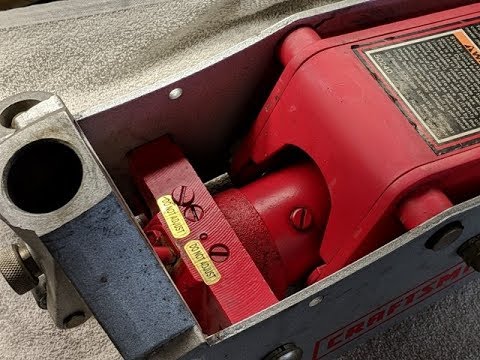
On most Craftsman floor jacks, the reservoir is near the handle or base. A small screw or cap covers it. This cap is usually marked or colored differently. Removing it reveals the fluid inside the reservoir.
Identify The Fluid Cap
The fluid cap is round and easy to twist off. It may have a symbol or label. Sometimes, it has a small vent hole to let air pass. Be gentle when removing the cap to avoid damage.
Use A Flashlight For Better Visibility
Lighting helps you see inside the jack. Shine a flashlight into the reservoir area. This reveals the fluid level and any dirt or debris. Clean the area around the cap before opening it.
Draining Old Hydraulic Fluid
Draining old hydraulic fluid from your Craftsman floor jack is an important step. It keeps the jack working smoothly. Old fluid can cause damage and reduce lifting power. Changing the fluid helps maintain safety and performance.
Drain the fluid carefully. It prevents spills and mess. Use the right tools and follow steps for a clean job.
Prepare Your Work Area
Place the floor jack on a flat surface. Keep old fluid container nearby. Wear gloves to protect your hands. Have rags ready for any spills.
Locate The Drain Plug
Find the drain plug at the base of the jack. It may be a small bolt or screw. Use a wrench to loosen it slowly. Be ready for fluid to start flowing out.
Drain The Hydraulic Fluid
Let the old fluid drain completely. Tilt the jack if needed to remove all fluid. Avoid rushing the process. Proper draining removes dirt and debris.
Dispose Of Old Fluid Properly
Collect the used fluid in a safe container. Take it to a recycling center or hazardous waste site. Do not pour it down drains or on the ground.
Choosing The Right Hydraulic Fluid
Choosing the right hydraulic fluid for your Craftsman floor jack is important. The fluid helps the jack work smoothly and safely. Using the wrong fluid can cause damage or reduce performance.
Hydraulic fluids come in different types. Each type has unique properties that affect how well your floor jack works. Picking the correct fluid keeps the jack reliable and extends its life.
Types Of Hydraulic Fluid Suitable For Craftsman Floor Jacks
Most Craftsman floor jacks use a specific type of hydraulic oil. Common types include mineral-based and synthetic oils. Mineral-based oil is the standard choice for many jacks.
Synthetic oils offer better temperature stability and last longer. Check your jack’s manual to see which type the manufacturer recommends.
Viscosity And Its Importance
Viscosity means how thick the oil is. The right thickness helps the jack lift smoothly. Oil that is too thick or too thin can cause problems.
Choose a fluid with the viscosity rating suggested by Craftsman. This keeps the hydraulic system working correctly in all weather conditions.
How To Identify Quality Hydraulic Fluid
Good hydraulic fluid should be clean and free from impurities. Look for fluids that meet industry standards and certifications. Avoid used or contaminated fluids to prevent damage.
Buy fluid from trusted brands to ensure consistent quality. This protects your floor jack and keeps it working well.
Credit: www.youtube.com
Refilling The Floor Jack
Refilling a Craftsman floor jack is essential to keep it working well. Over time, the hydraulic fluid may drop or get dirty. Refilling the jack restores its lifting power and safety. This process is simple and needs only a few steps.
Filling The Reservoir
Start by placing the jack on a flat surface. Locate the reservoir cap on the jack’s body. Use a clean cloth to wipe around the cap to stop dirt from entering. Unscrew the cap carefully and set it aside.
Pour the correct hydraulic fluid slowly into the reservoir. Use only the fluid recommended in the jack’s manual. Fill the reservoir until the fluid reaches just below the top edge. Avoid overfilling, as this can cause leaks or damage.
Once filled, screw the cap back tightly to prevent spills. Clean any spilled fluid from the jack’s surface before use.
Checking Fluid Levels
After filling, check the fluid level regularly. Use the dipstick or sight glass if your jack has one. The fluid should be at the proper level for smooth operation.
Lower the jack completely and observe the fluid. If the level drops quickly, inspect for leaks or worn seals. Top up fluid as needed to maintain the right level.
Keep the fluid clean. Dirty fluid reduces the jack’s efficiency and can cause damage. Change the fluid periodically as recommended by the manufacturer.
Bleeding Air From The System
Bleeding air from the system is a key step when refilling a Craftsman floor jack. Air trapped inside can cause the jack to work poorly. It makes lifting heavy loads unsafe and difficult. Removing air helps the jack operate smoothly and safely. This process is simple but important. Follow the steps carefully for the best results.
Prepare The Floor Jack For Bleeding
Start by placing the floor jack on a flat surface. Make sure the jack is lowered completely. Locate the hydraulic fluid reservoir. Remove the fill plug carefully. Keep a clean rag nearby to catch any spills. This setup makes the bleeding process easier and safer.
Release The Air From The System
Use the handle to pump the jack slowly. Pump about 10 to 15 times. This action pushes trapped air out. Watch for bubbles in the fluid. When bubbles stop, most air is out. Keep the fill plug open during this step.
Refill And Seal The Reservoir
Add hydraulic fluid as needed to keep the level steady. Avoid overfilling the reservoir. Once the fluid level is right, replace the fill plug. Tighten it securely to prevent leaks. Test the jack by lifting a small load. It should lift smoothly without jerks.
Testing The Floor Jack
Testing the floor jack after refilling is crucial for safety and performance. It ensures the jack works smoothly and holds weight properly. This step helps you spot any problems early, avoiding accidents or damage. Follow simple checks to confirm your Craftsman floor jack is ready for use.
Lifting And Lowering
Start by placing the jack under a sturdy object. Pump the handle slowly to lift the load. Watch how the jack rises and holds the weight. It should lift smoothly without jerking or slipping. Lower the jack gently using the release valve. The descent must be steady and controlled. Any sudden drops or resistance mean the jack needs more adjustment.
Inspecting For Leaks
Check around the jack for oil leaks or drips. Look near the hydraulic cylinder and seals. Leaks reduce pressure and can cause the jack to fail. Clean the area first to spot fresh leaks easier. If you find any fluid, tighten fittings or replace damaged parts. No leaks mean your floor jack is sealed well and ready for safe use.
Maintenance Tips
Proper maintenance keeps your Craftsman floor jack working well. It helps avoid damage and extends the jack’s life. Simple steps can make a big difference.
Check Hydraulic Fluid Level Regularly
Look at the fluid level before every use. Low fluid can cause the jack to fail. Use the correct hydraulic fluid as the manual says. Never mix fluids from different brands.
Clean The Jack Surface
Wipe dirt and dust off the jack after every use. Dirt can clog the moving parts. Use a clean cloth to avoid scratches. Keep the jack dry to stop rust.
Inspect For Leaks And Damage
Look closely for oil leaks around the seals. Leaks reduce lifting power and can cause accidents. Check for cracks or dents on the frame. Replace worn parts quickly.
Lubricate Moving Parts
Apply grease to the joints and wheels often. Lubrication helps parts move smoothly. Use a light machine oil or grease as suggested. Avoid over-lubricating to keep dirt away.

Credit: www.wikihow.com
Frequently Asked Questions
How Often Should I Refill A Craftsman Floor Jack?
Refill your Craftsman floor jack when hydraulic fluid is low or performance drops. Check fluid levels every 6 months to ensure smooth operation and prevent damage.
What Type Of Fluid Is Best For Craftsman Floor Jacks?
Use high-quality hydraulic jack oil recommended by Craftsman. Avoid automotive transmission or brake fluids as they can harm seals and reduce jack efficiency.
How Do I Safely Refill The Hydraulic Fluid?
Lower the jack and clean the refill port area. Remove the fill plug slowly, add fluid gradually, then replace the plug tightly to avoid leaks.
Can I Use Motor Oil Instead Of Hydraulic Fluid?
No, motor oil is not suitable for hydraulic systems. It can damage seals and reduce the jack’s lifting power. Always use the correct hydraulic fluid.
Conclusion
Refilling your Craftsman floor jack keeps it working well and safe. Follow each step carefully to avoid mistakes. Check the oil level often to prevent damage. Clean the jack before refilling to keep dirt out. Taking care of your jack saves money and time.
Small actions make a big difference in tool life. Keep your floor jack ready for any job. Simple maintenance helps your tools last longer.