Have you ever found yourself locked out, standing just inches away from your door but unable to get in? Knowing how to pick a deadbolt with a credit card can save you time and stress in those frustrating moments.
It’s a simple trick that anyone can learn, even without special tools or skills. You’ll discover step-by-step how to use a credit card to unlock a door quickly and safely. Keep reading—you’ll be surprised at how easy it can be to get back inside when you need to.
Tools Needed
Picking a deadbolt with a credit card requires specific tools. Having the right tools makes the process easier and safer. You need a flexible card and a few additional items to help.
Choosing The Right Card
Use a card made of plastic, like an old gift card. Avoid your bank or credit cards to prevent damage. The card should be flexible but strong. It must fit between the door and the frame. Thinner cards slide easier than thick ones. A worn-out card works better than a new one.
Additional Items To Have
Have a flathead screwdriver for any small adjustments. A lubricant spray can help loosen the lock if it feels tight. Carry a flashlight to see the lock clearly. Gloves protect your hands during the process. These extra items make the task smoother and safer.
Preparing The Door
Preparing the door is the first step to pick a deadbolt with a credit card. It helps you understand the lock and the door’s position. This makes the process smoother and safer. Take your time to check everything carefully.
Checking The Lock Type
Not all locks can be picked with a credit card. Most deadbolts have a solid bolt that won’t move with a card. Look for a spring bolt, which is easier to slide open. Check if the lock has a latch or a deadbolt. A latch can be pushed back with a card, but a deadbolt cannot.
Aligning The Door Frame
The door must fit well in the frame. If the door is crooked, it will be harder to slip the card. Make sure the door closes smoothly without extra force. Adjust the door or frame if needed. A well-aligned door increases the chance of sliding the card between the door and frame.
Inserting The Card
Inserting the card properly is the first step in picking a deadbolt with a credit card. The card must slide between the door and the frame. It needs to be placed correctly to push the latch back. This step requires patience and a gentle touch. A wrong move can damage the card or the lock.
Proper Card Positioning
Hold the card at a slight angle. Insert it above the latch, where the door meets the frame. The card should slip in smoothly. Avoid forcing it. The goal is to slide the card between the latch and the strike plate. Move the card slowly until you feel it push the latch.
Applying The Right Pressure
Use steady, gentle pressure on the card. Push it while trying to turn the door handle. Too much force can bend the card or break the lock. Too little pressure will not move the latch. Apply just enough to slide the latch back. Keep trying with small adjustments in pressure and angle.
Manipulating The Lock
Manipulating the lock with a credit card is a simple trick. It uses pressure and motion to move the latch. The goal is to slide the latch back and open the door. This method works best on spring latch locks, not deadbolts with strong deadbolts.
Sliding The Card
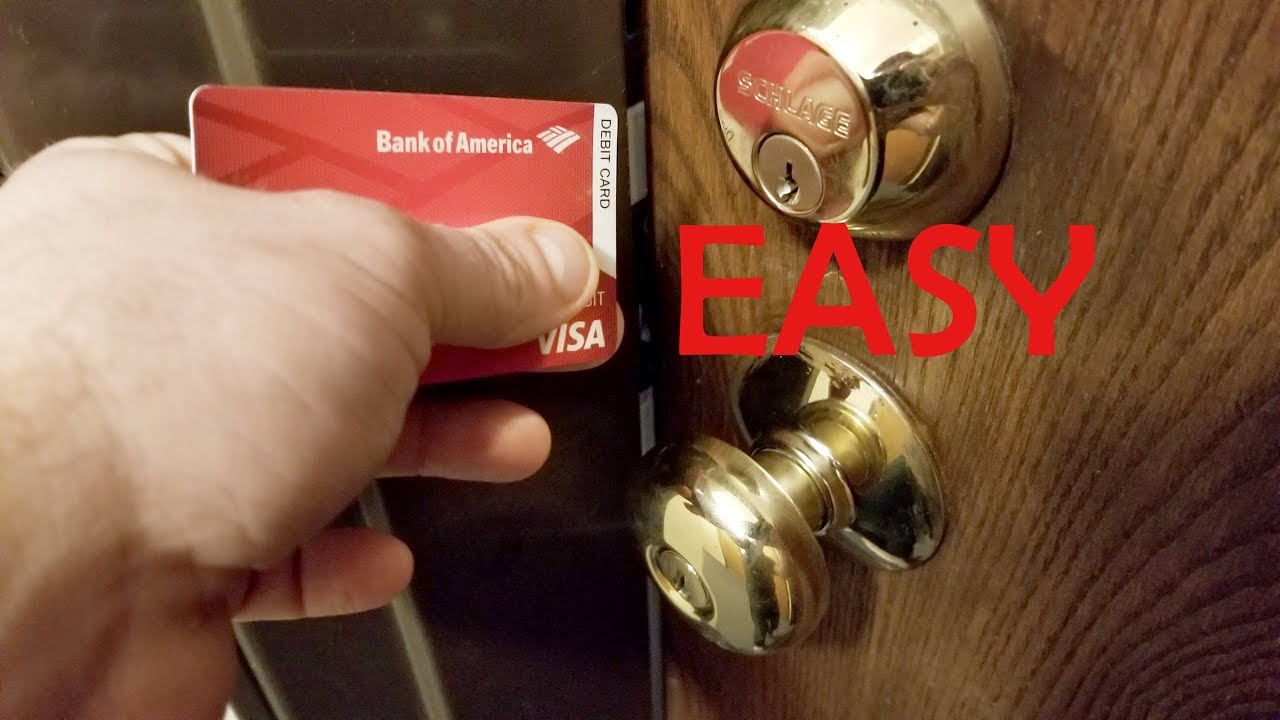
Choose a flexible card, like a plastic or old credit card. Insert the card between the door frame and the latch. Push the card in gently at an angle. Slide it down toward the latch bolt. Use steady pressure to push the latch back.
Do not force the card hard. Too much force can damage the card or door. Keep sliding the card until the latch moves. Once the latch is pushed inside, the door will open.
Wiggling Techniques
After sliding the card, try small wiggling motions. Wiggle the card up and down or side to side. This helps the card find the right position. It also loosens the latch from the strike plate.
Stay patient and keep gentle movements. Wiggling can take a few tries. It helps the latch release smoothly without damage. Stop once the door starts to open.
Opening The Door
Opening a door with a credit card requires patience and a gentle touch. The goal is to slide the card between the door and the frame to push the latch back. This action lets the door open without using a key.
Focus on the edge of the door where the latch is located. Insert the card slowly and wiggle it to find the right spot. The card must be flexible but strong enough to push the latch.
When The Lock Clicks
Listen carefully for a click sound. This sound means the latch has moved enough to open the door. Stop moving the card once you hear the click. Push the door gently while holding the card in place. The door should swing open smoothly.
Troubleshooting Common Issues
Sometimes the door does not open easily. The latch might be too tight or the card may not reach it. Try a different card if yours is too soft or thick. Move the card up and down to find the latch’s exact position. Avoid forcing the card too hard. This can damage the door or card.

Credit: cnyglock.com
Safety And Legal Considerations
Using a credit card to pick a deadbolt can seem like a quick solution. Still, it is important to understand the safety and legal risks. This method should be handled with care. Knowing the rules and risks protects you and others from trouble.
When Picking Is Permitted
Only try picking a lock if you own the property or have permission. Picking locks without permission is illegal and can lead to serious trouble. Some places have strict laws against lock picking tools or methods. Check local laws before attempting any lock picking. Always respect other people’s property and privacy.
Avoiding Damage To The Lock
Using a credit card incorrectly can damage the lock or door. A damaged lock may cost money to fix or replace. Use a flexible, thin card to reduce harm. Slide the card gently between the door and frame. Avoid forcing the card, which can bend or break it. Keep the lock clean and lubricated to help the process. Taking care prevents extra problems and expenses.
Alternatives To Credit Card Picking
Credit card picking works only on certain locks. Many deadbolts are too strong for this method. Several safer and more effective options exist. These alternatives help you gain access without damage.
Using Lock Picking Tools
Lock picking tools offer a precise way to open deadbolts. Tools like tension wrenches and picks fit inside the lock. Skilled users can turn the pins and release the bolt. This method requires practice and patience. It does not harm the lock or door.
Lock picking kits are affordable and easy to carry. Beginners can find tutorials online to learn basic techniques. Always use these tools legally and responsibly.
Calling A Locksmith
A locksmith is a professional trained to handle locked doors. They use special tools and skills to open deadbolts safely. Locksmiths work quickly and reduce the risk of damage. This option saves time and stress.
Hiring a locksmith is wise if you are locked out. They can also change locks or make new keys. Keep a locksmith’s contact number handy for emergencies.

Credit: www.youtube.com
Credit: www.youtube.com
Frequently Asked Questions
How Can I Pick A Deadbolt With A Credit Card?
You can slide a flexible credit card between the door and frame. Push the card to retract the latch bolt. This method works on spring latch locks, not on deadbolts with a deadlock mechanism.
Is Picking A Deadbolt With A Credit Card Legal?
Using a credit card to pick a lock without permission is illegal. It is considered unauthorized entry or burglary. Always get proper authorization before attempting to pick any lock.
What Types Of Locks Can A Credit Card Open?
Credit cards work best on spring latch locks or simple door latches. They cannot open deadbolts with a deadlock function. Deadbolts require specialized tools or keys for unlocking.
Can Any Credit Card Be Used To Pick A Deadbolt?
Not all credit cards are suitable. Flexible, thin plastic cards work best. Rigid cards may break or fail to slide properly. Avoid damaging valuable or important cards.
Conclusion
Picking a deadbolt with a credit card takes patience and care. Practice gently to avoid damage to your card or lock. This method works best on simple locks, not high-security ones. Always respect property and use this skill responsibly. Understanding how locks work can help in emergencies.
Stay safe and use these tips wisely to handle basic lock situations.