You’ve just taken down an adhesive hook, but now you’re left staring at your wall, worried about peeling paint or sticky residue. Removing these hooks without damaging your paint can feel tricky, but it doesn’t have to be.
What if you could get your wall looking perfect again, with no marks or scratches? You’ll discover simple, effective ways to remove adhesive hooks safely—so your walls stay smooth and clean. Keep reading, and say goodbye to those annoying wall stains for good.
Types Of Adhesive Hooks
Adhesive hooks come in many types. Each type has different features. Knowing these types helps remove hooks safely. It also protects your wall paint. Understanding the materials and stickiness levels is key. This knowledge guides how to handle each hook.
Common Materials
Adhesive hooks use various materials. Plastic hooks are light and affordable. Metal hooks hold heavier items. Some hooks have rubber or silicone pads. These pads protect surfaces from scratches. Foam-backed hooks offer extra cushioning. The material affects how the hook sticks. It also impacts removal ease and paint safety.
Stickiness Levels
Hooks have different stickiness strengths. Light-duty hooks hold small items. Medium-duty hooks carry moderate weight. Heavy-duty hooks support heavy objects. Stickiness depends on the adhesive type. Some adhesives are water-based and gentle. Others use stronger chemicals for firm grip. The stronger the adhesive, the harder to remove. Choosing the right stickiness level avoids wall damage.
Signs Of Paint Damage
Removing an adhesive hook from a wall can harm the paint. Knowing the signs of paint damage helps you act fast. Spotting damage early saves your wall and keeps it looking fresh.
Peeling And Bubbling
Peeling happens when the paint lifts from the wall surface. It looks like small flakes or large sheets coming off. Bubbling shows as tiny bubbles under the paint. These bubbles mean moisture or poor adhesion. Both peeling and bubbling warn of paint damage under the hook.
Discoloration
Discoloration changes the paint color near the hook. It might look lighter, darker, or uneven. This happens when the adhesive reacts with paint chemicals. Discoloration weakens the paint and may lead to peeling later. Watch for any color change before removing the hook.
Preparation Before Removal
Before you remove an adhesive hook from your wall, some preparation is necessary. Taking time to prepare helps protect your paint and wall surface. It also makes the removal process smoother and safer.
Preparation involves gathering the right tools and clearing the area around the hook. These steps reduce the risk of damage and accidents. Let’s explore these preparations in detail.
Gathering Tools
Collect all tools before you start. You will need dental floss or fishing line to slide behind the hook. A hairdryer helps soften the adhesive. Use a plastic card or scraper to gently lift edges. Have a clean cloth and mild soapy water ready for cleaning. Having tools nearby saves time and reduces wall contact.
Clearing The Area
Remove any objects near the hook. Clear shelves, pictures, or furniture that might block access. This gives you enough space to work carefully. Keep pets and children away to avoid accidents. Cover the floor or nearby furniture with a cloth or newspaper. This protects surfaces from falling debris or adhesive residue.

Credit: www.reddit.com
Removing Hooks With Heat
Removing adhesive hooks from walls can be tricky without harming the paint. Heat softens the glue, making removal easier. Applying heat carefully helps peel the hook off smoothly. This method reduces the risk of paint damage.
Using A Hair Dryer
A hair dryer is a common tool for applying heat. Set it to medium or high heat. Hold the dryer a few inches from the hook. Move it slowly around the edges for about one minute. The heat softens the adhesive under the hook. After heating, gently pull the hook away from the wall. If it resists, apply more heat and try again. This method works well on most painted surfaces.
Heat Application Tips
Keep the hair dryer moving to avoid overheating one spot. Too much heat can damage paint or wall texture. Test the heat on a small area first. Use a cloth or plastic card to lift the hook gently. Avoid sharp tools that can scratch the wall. Patience is key; heat and gentle pressure work best. This approach helps keep your wall looking smooth and clean.
Using Dental Floss Or Fishing Line
Using dental floss or fishing line is a simple way to remove adhesive hooks from walls. These thin, strong lines can slide behind the hook’s base. This helps break the sticky bond without peeling paint or leaving marks.
This method works well on smooth wall surfaces. It avoids harsh chemicals and tools that might damage paint. It takes patience but keeps your walls safe and clean.
Sliding Technique
Take a long piece of dental floss or fishing line. Slide it gently behind the hook’s base. Hold the floss tight with both hands.
Move it back and forth in a sawing motion. This cuts through the adhesive slowly. Keep the floss close to the wall to avoid paint damage.
Continue until the hook releases from the wall. Pull the floss out carefully. Wipe off any sticky residue with a soft cloth.
Safety Precautions
Use gentle movements to avoid scratching the wall. Do not force the floss or fishing line too hard. This can damage the paint or wall surface.
Wear gloves to protect your hands from cuts. Keep the floss away from children and pets. Make sure the area is well-lit to see clearly.
If the adhesive feels too strong, stop and try another method. Protect your walls to keep them looking fresh and clean.

Credit: www.reddit.com
Adhesive Solvents And Cleaners
Removing adhesive hooks from walls can leave sticky residue behind. Using the right solvents and cleaners helps to remove this residue. The goal is to clean the wall without harming the paint. Choosing safe and effective products is key for a smooth removal process.
Choosing The Right Solvent
Select a solvent that dissolves adhesive without damaging paint. Rubbing alcohol and white vinegar are gentle options. Commercial adhesive removers also work but test first on a small area. Avoid harsh chemicals like acetone or paint thinner. These can strip paint and cause discoloration. Always pick solvents labeled safe for painted surfaces.
Safe Application Methods
Apply the solvent with a soft cloth or cotton ball. Dab gently on the adhesive residue. Let it sit for a few minutes to soften the glue. Avoid scrubbing hard as it may peel paint. Wipe the area clean with a damp cloth afterward. Repeat the process if needed, but be patient and careful.
Removing Residue Safely
Removing adhesive hook residue from walls requires care. Paint can peel or stain easily. The key is to clean gently. Use the right tools and mild cleaners. This keeps your wall safe and clean.
Gentle Scraping Tools
Use soft tools to scrape off sticky bits. A plastic card or a wooden stick works well. Avoid metal scrapers that can scratch paint. Scrape slowly and lightly. This prevents damage to the wall surface.
Cleaning With Mild Solutions
Apply mild soap and water to the residue. Use a soft cloth or sponge to wipe gently. Rinse with clean water and dry with a towel. For tough spots, try a small amount of rubbing alcohol. Test on a hidden area first. Mild cleaning protects paint and removes stickiness safely.
Credit: thehomesihavemade.com
Preventing Paint Damage
Removing adhesive hooks can be tricky. The paint on your wall is delicate and can peel or chip easily. Preventing paint damage is the top priority. Taking your time and being careful helps keep your walls looking fresh. Gentle methods work best to avoid leaving marks or holes.
Slow And Steady Removal
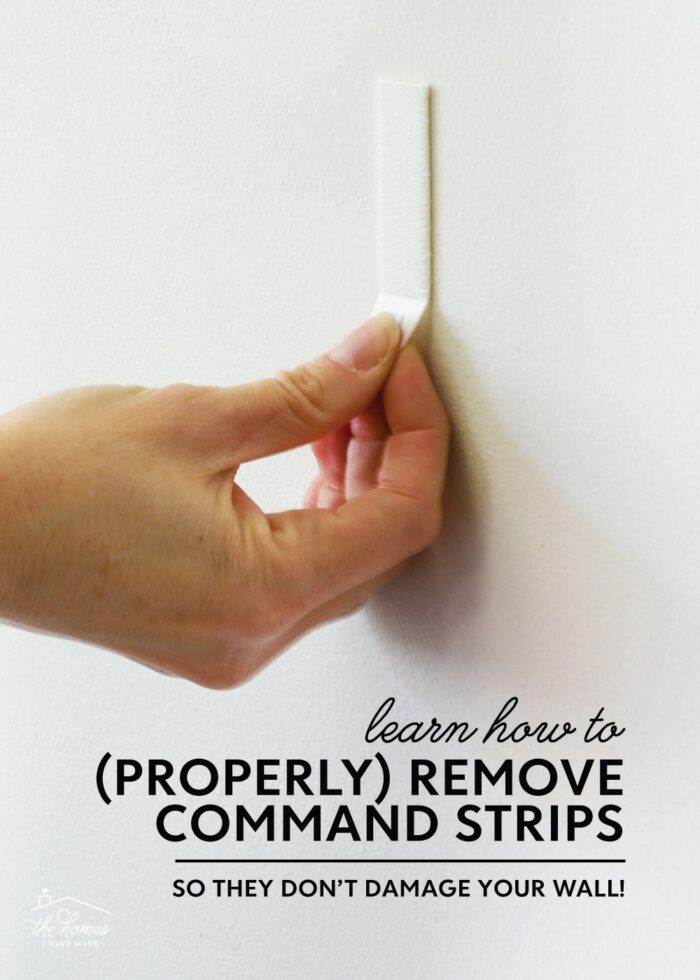
Pull the hook off slowly. Fast pulling can rip the paint. Hold the base of the hook close to the wall. Stretch the adhesive strip gently along the wall. Keep the strip parallel to the surface. This reduces stress on the paint layer. Take breaks if needed. Slow removal gives the paint time to adjust. This lowers the risk of damage.
Testing Small Areas First
Before removing the whole hook, test a small corner. Gently peel a tiny edge of the adhesive strip. Watch how the paint reacts. If the paint lifts or peels, stop immediately. Try warming the strip with a hairdryer to soften the glue. Test again after warming. Testing small areas helps avoid big mistakes. It shows which method is safest for your wall.
Tips For Future Hook Removal
Removing adhesive hooks without damaging paint requires care and the right approach. Planning ahead helps protect your walls. Choosing the right hooks and installing them properly makes future removal easier. These tips save time and keep walls looking fresh.
Selecting Removable Hooks
Pick hooks designed for easy removal. Look for labels like “damage-free” or “removable.” These hooks use special adhesives that peel off cleanly. Avoid strong glues or permanent tapes. Choose hooks that suit your wall type. Use hooks with pull tabs for quick removal. This reduces the chance of paint peeling.
Proper Installation Methods
Clean the wall surface before sticking the hook. Dirt and dust reduce adhesive strength. Press the hook firmly for a few seconds. Follow the instructions on the package carefully. Avoid placing hooks on freshly painted walls. Let paint cure for at least two weeks. This helps the paint harden and stick better. Use light to medium weight items on hooks. Heavy items may cause hooks to pull off paint.
Frequently Asked Questions
How Do I Safely Remove An Adhesive Hook From A Wall?
Gently pull the hook’s tab sideways, not outward. Use heat from a hairdryer to soften the adhesive for easy removal. Avoid pulling hard to prevent paint damage.
Can I Use Heat To Remove Adhesive Hooks Without Damage?
Yes, applying gentle heat softens the adhesive. Use a hairdryer on low heat for 30 seconds. This makes the hook easier to peel off without peeling paint.
What Household Items Help Remove Adhesive Hooks Safely?
A hairdryer and dental floss work well. Heat the adhesive, then slide floss behind the hook to cut through the glue. This method minimizes wall damage.
How To Clean Residue After Removing An Adhesive Hook?
Use warm soapy water or rubbing alcohol on a soft cloth. Gently rub the residue until it lifts. Avoid harsh chemicals that can damage paint.
Conclusion
Removing adhesive hooks without harming paint takes care and patience. Use gentle heat or oil to loosen the glue. Pull slowly and at an angle to avoid damage. Clean any leftover sticky residue with mild soap or rubbing alcohol. Taking small steps protects your wall’s finish.
Now, your wall stays clean and ready for new decor. Easy and safe—just follow these simple tips.