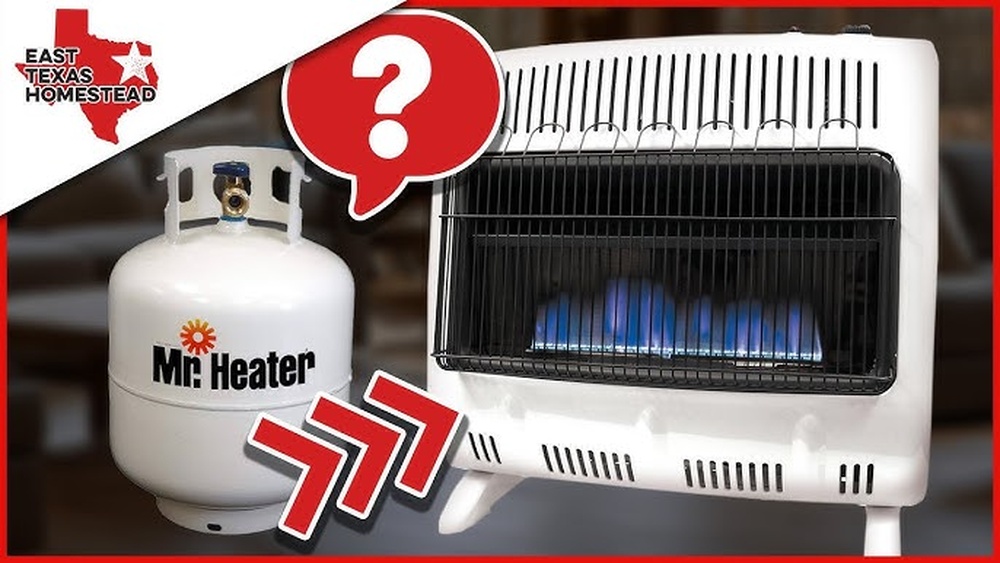
If you want to keep your space warm and cozy with a wall propane heater, connecting it to a 20lb tank is a smart move. But you might be wondering how to do it safely and correctly.
Don’t worry—this guide will walk you through every step, so you can set up your heater without stress or mistakes. By the end, you’ll feel confident and ready to enjoy warmth whenever you need it. Keep reading to learn the simple process that will make your heater work perfectly with your propane tank.

Credit: www.posudaeuro-market.ru
Choosing The Right Propane Tank
Choosing the right propane tank is key for safe and efficient heater use. It affects how long the heater runs and how safely it operates. Pick a tank that suits your heater’s needs and your usage patterns. This section explains the main points to consider.
Tank Size And Capacity
The tank size affects how long your heater can run. A 20lb tank holds about 4.7 gallons of propane. It is a good size for many wall propane heaters. Larger tanks last longer but are heavier and harder to move. Smaller tanks are easy to carry but need frequent refills. Choose a tank size that fits your heater’s fuel needs and your convenience.
Safety Certifications
Safety is the top priority with propane tanks. Always choose tanks with proper safety certifications. Look for labels from bodies like DOT or CSA. These labels mean the tank meets safety rules and is tested for leaks and pressure. Using certified tanks reduces risk of accidents. Check the tank’s condition and date before use.
Compatibility With Heater
Not all tanks fit every heater. Check your heater’s manual for tank recommendations. The tank valve and connection type must match the heater’s hose. Using the wrong connection can cause leaks or poor performance. Make sure the tank pressure suits the heater’s input needs. Proper compatibility ensures safe and smooth operation.
Gathering Necessary Tools And Materials
Gathering the right tools and materials is the first step to hook a wall propane heater to a 20lb tank. Using proper equipment ensures safety and smooth installation. Take time to collect everything before starting. This saves effort and avoids mistakes.
Regulator And Hose
The regulator controls gas flow from the tank to the heater. Choose one that fits your heater model. The hose connects the tank to the heater. Use a hose made for propane use and the correct length. Check for any cracks or damage before use.
Wrench And Sealant
A wrench tightens connections between parts. Select the right size to avoid slipping. Use thread sealant designed for gas fittings. This prevents leaks at connection points. Avoid regular tape; it does not hold gas safely.
Leak Detector Solution
Leak detector solution helps find gas leaks after installation. You can buy a ready-made spray or make one with soap and water. Spray it on connections and watch for bubbles. Bubbles mean gas is escaping and needs fixing.
Preparing The Propane Tank
Preparing the propane tank is a key step before hooking it to a wall propane heater. Proper preparation helps ensure safety and smooth operation. Take your time to inspect and ready the tank. This prevents leaks and other issues that may occur during use.
Checking For Damage
Start by examining the propane tank for any signs of damage. Look for dents, rust, or cracks on the tank’s body. Check the regulator and hose for wear or cracks. Damaged parts can cause leaks or unsafe conditions. Replace any damaged components before use.
Ensuring Proper Valve Position
Make sure the valve on the propane tank is fully closed before connecting. This prevents gas from escaping during hookup. Turn the valve clockwise until it stops. Check for smooth operation of the valve. A stuck or damaged valve should be repaired or replaced.
Cleaning Connection Points
Clean the tank’s connection points with a cloth to remove dirt or debris. Dirt can cause poor seals and gas leaks. Use a dry cloth to wipe the threads and fittings. Avoid using water or oil, which can damage the seal. Clean connections ensure a tight and safe fit.
Connecting The Regulator To The Tank
Connecting the regulator to the propane tank is a key step in setting up your wall propane heater. This connection controls the gas flow and keeps it safe. A proper link ensures the heater runs smoothly and prevents leaks.
Follow each step carefully to make a secure and tight connection. Take your time and check each part for damage or dirt before starting. Safety matters most.
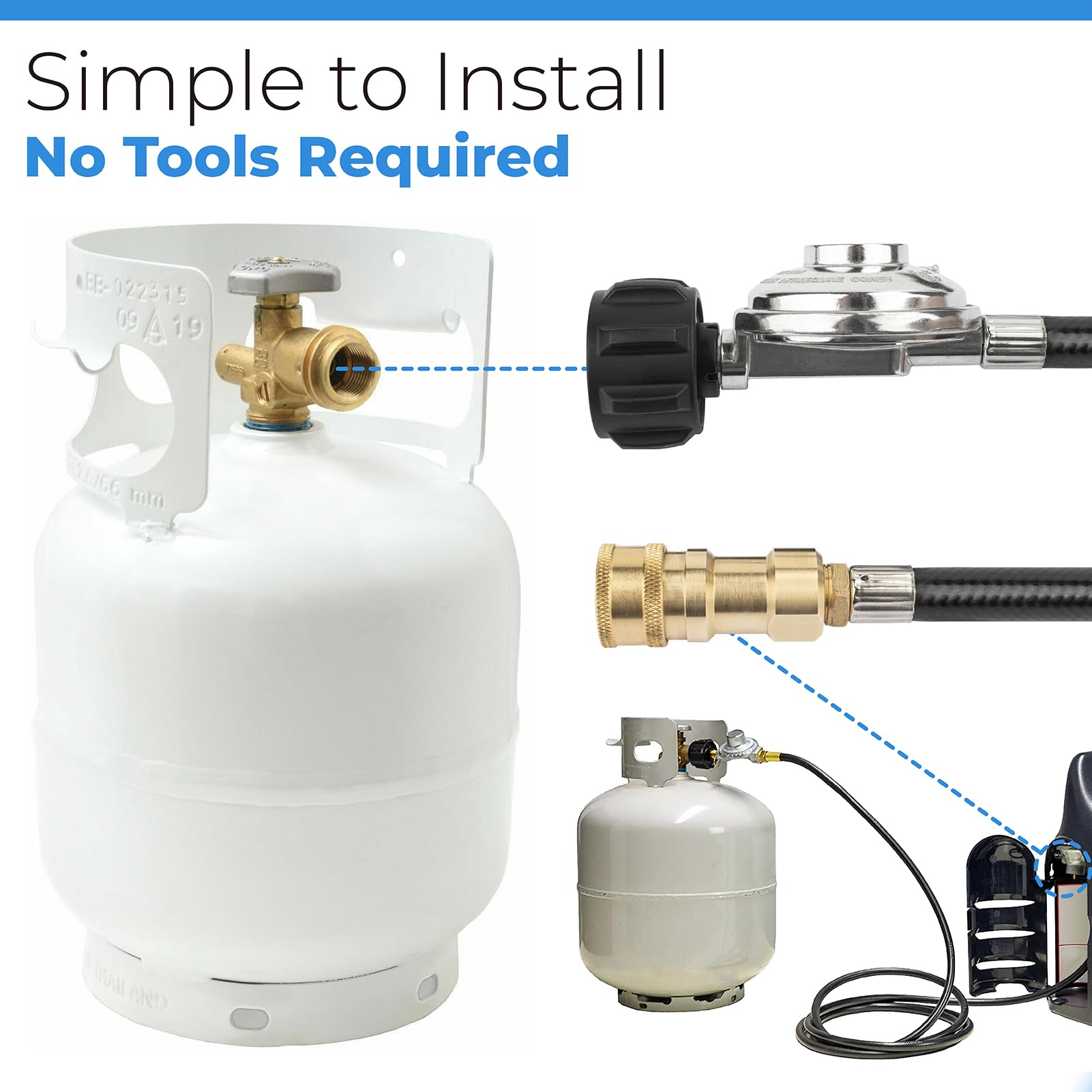
Attaching The Regulator
Place the regulator’s fitting onto the tank’s valve. Align it straight to avoid cross-threading. Push it firmly but gently to fit correctly. The regulator must sit flat against the tank.
Tightening The Connection
Use a wrench to tighten the nut on the regulator. Turn it clockwise until snug. Do not over-tighten as it can damage the threads. A firm fit stops gas leaks and ensures safety.
Applying Sealant If Needed
Check the regulator and tank threads for any sealant marks. Use pipe thread sealant or tape only if the manufacturer advises it. Apply a thin layer on the threads before attaching. Avoid sealant on the regulator’s diaphragm or gasket areas.
Hooking The Heater To The Hose
Hooking the heater to the hose is a key step in setting up your propane heater. This connection ensures gas flows safely from the tank to the heater. Proper attachment prevents leaks and keeps the heater running efficiently.
Follow these steps carefully to connect the hose securely and safely.
Aligning The Connections
Start by matching the hose end with the heater’s gas inlet. Make sure the threads line up straight. Avoid cross-threading, which can cause damage and leaks. Hand-tighten the connection until it feels snug. This helps the parts fit together without forcing.
Securing The Hose Clamp
Place the hose clamp around the hose where it fits over the heater’s fitting. Use a screwdriver to tighten the clamp firmly. The clamp holds the hose in place and stops gas from escaping. Tighten enough to secure but not so much that it cuts the hose.
Verifying Tightness
Check all connections for firmness by gently pulling on the hose. None should move or feel loose. Use a soapy water mix to spray on the connections. Watch for bubbles, which indicate leaks. If bubbles appear, tighten the connections more and test again.
Testing For Leaks
Testing for leaks is a crucial step after hooking your wall propane heater to a 20lb tank. It ensures safety and prevents gas leaks that can cause accidents. This process is simple but must be done carefully. It involves checking all connections and valves for any signs of escaping gas.
Use a leak detector solution to spot leaks. This solution reacts with escaping gas and shows bubbles. Follow the steps below to test your propane setup safely.
Applying Leak Detector Solution
Prepare a leak detector solution by mixing water with a small amount of dish soap. Use a spray bottle or brush to apply the solution to all connections on the propane heater and tank. Cover the valve, regulator, hose, and fittings thoroughly. The soap helps identify escaping gas.
Observing For Bubbles
Watch the areas where you applied the solution closely. Bubbles form if gas escapes from any connection. Small bubbles mean a slow leak. Large bubbles show a bigger leak. Keep checking for at least a few minutes to be sure.
Correcting Any Leaks
If you see bubbles, turn off the gas immediately. Tighten all fittings using a wrench but do not over-tighten. Reapply the leak detector solution and observe again. If bubbles still appear, replace faulty parts or call a professional. Never ignore a leak for safety.
Operating The Heater Safely
Operating a wall propane heater safely is key to enjoying its warmth without risk. Taking simple steps helps prevent accidents and ensures smooth use. Follow clear instructions and stay alert during each step.
Opening The Tank Valve
Turn the tank valve slowly to open it. This allows gas to flow gently. Avoid turning it too fast to stop sudden gas release. Check for any hissing sounds that may signal a leak. If you hear one, close the valve immediately and inspect the connection.
Lighting The Heater
Use the heater’s built-in ignition or a long lighter. Keep your face and hands away from the burner. Press the ignition button or light the pilot flame carefully. Watch for a steady flame before releasing the control knob. If the flame goes out, wait a few minutes and try again.
Monitoring For Issues
Keep an eye on the heater while it runs. Look for flickering or unusual flame colors like yellow or orange. These may indicate poor combustion. Check for strong gas smells around the heater. Turn off the heater and tank if you detect any gas odor. Regularly inspect hoses and connections for cracks or wear.
Credit: www.pwmachineservices.com
Maintenance And Storage Tips
Keeping your wall propane heater and 20lb tank in good shape is important for safety and performance. Regular care helps avoid leaks, damage, and other problems. Safe storage protects your equipment from weather and accidents.
Simple steps can extend the life of your heater and tank. Learn easy maintenance and storage tips below.
Regular Inspection
Check your heater and tank before each use. Look for cracks, rust, or dents on the tank. Make sure the hose is not cracked or worn out. Inspect the connections for tightness. Check for gas leaks by applying soapy water on joints. Bubbles mean a leak. Never skip this check.
Proper Storage Of Tank And Heater
Store the tank upright in a cool, dry place. Keep it away from direct sunlight and heat sources. The heater should be cleaned before storage. Remove dust and dirt from vents and surfaces. Store both items in a well-ventilated area. Avoid storing indoors or in confined spaces.
Handling Emergencies
Know how to shut off the gas supply quickly. Keep a fire extinguisher nearby. If you smell gas, turn off the tank valve immediately. Do not use electrical switches or open flames. Ventilate the area by opening doors and windows. Call emergency services if the leak is large or fire starts.

Credit: www.youtube.com
Frequently Asked Questions
How Do I Connect A Propane Heater To A 20lb Tank?
To connect, attach the heater’s regulator hose securely to the 20lb tank valve. Ensure a tight fit to prevent leaks. Always check connections for safety before use.
What Safety Precautions Are Needed When Hooking Propane Heaters?
Always connect outdoors or in well-ventilated areas. Check for leaks using soapy water. Keep flammable materials away and never leave the heater unattended.
Can I Use Any 20lb Propane Tank With My Heater?
Most 20lb propane tanks are standard and compatible. However, verify your heater’s requirements and regulator compatibility before connecting to ensure safety and proper function.
How Do I Check For Propane Leaks After Connecting?
Apply soapy water to the connection points. Bubbles indicate a leak. If bubbles appear, tighten connections or replace faulty parts immediately.
Conclusion
Hooking a wall propane heater to a 20lb tank is simple and safe. Always check for leaks before use. Use the right connectors and tighten them well. Keep the tank upright and in a ventilated area. Follow these steps to enjoy warm, cozy spaces.
Safety matters most when handling propane. Regularly inspect your setup for any issues. Now, you can heat your room without worry.