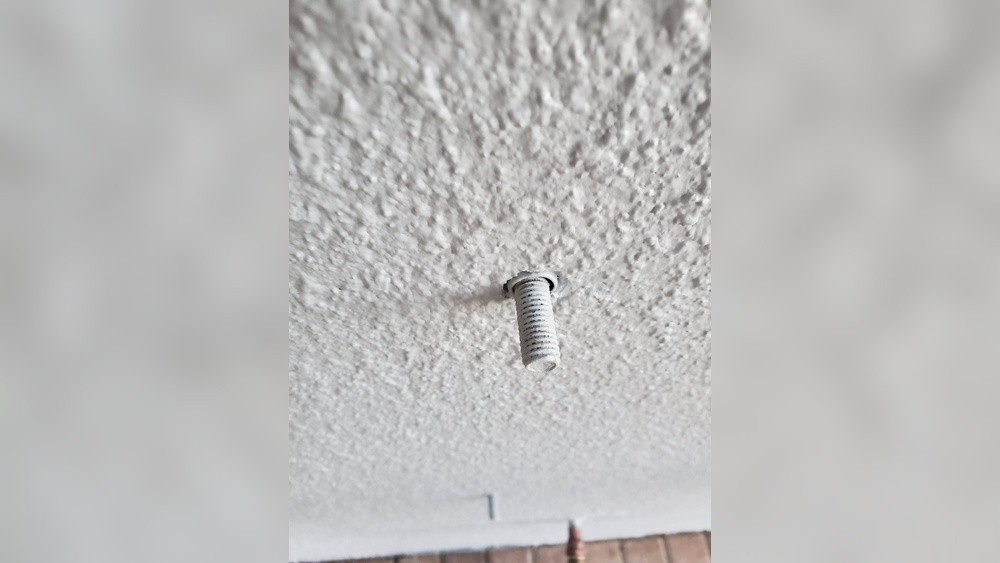
Are you tired of screws that just won’t hold in your drywall? Whether you’re hanging a picture, mounting a shelf, or installing a TV bracket, knowing how to anchor a screw properly can make all the difference.
Without the right technique, your hard work could come crashing down. But don’t worry—you’re about to learn simple, effective steps that will keep your screws secure and your walls safe. Keep reading, and you’ll never have to worry about loose anchors again.

Credit: www.concretefasteners.com
Choosing The Right Anchor
Choosing the right anchor is key to securing screws in drywall. The right anchor holds weight safely. It prevents damage to walls. Different anchors fit different needs. Picking the best one makes the job easier and stronger.
Types Of Drywall Anchors
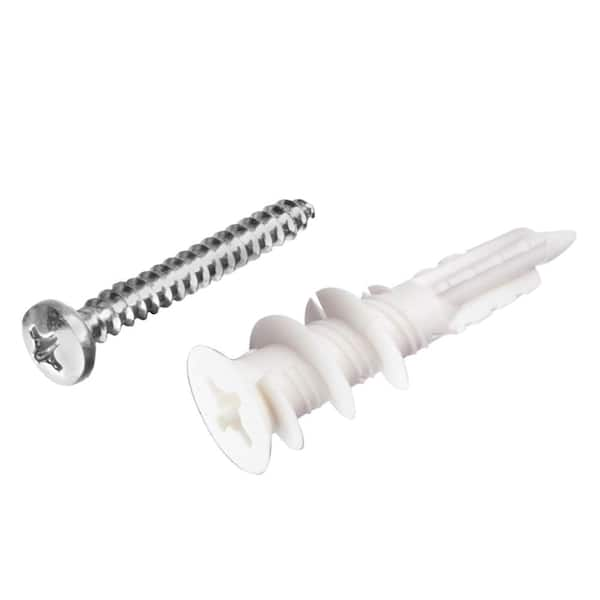
Plastic expansion anchors are common and easy to use. They fit light loads like small pictures or clocks.
Molly bolts are metal anchors that expand inside the wall. They hold medium weight items like shelves and mirrors.
Toggle bolts have wings that open behind the drywall. They carry heavy loads such as large cabinets or TVs.
Self-drilling anchors screw directly into drywall. They work well for light to medium weight objects.
When To Use Each Type
Use plastic anchors for light items under 20 pounds. They work well for decorations and small frames.
Molly bolts suit medium weight items from 25 to 50 pounds. Ideal for towel racks or curtain rods.
Toggle bolts hold heavy objects over 50 pounds. Best choice for heavy shelves and large mirrors.
Self-drilling anchors fit quick fixes and medium weights. Good for hanging small shelves or organizers.
Tools And Materials Needed
Anchoring a screw in drywall requires the right tools and materials. Using proper items makes the process safe and strong. This section covers what you need before starting.
Essential Tools
Start with a drill or screwdriver to insert the screw. A drill speeds up the work and creates clean holes. A measuring tape helps mark the exact spot for drilling. A pencil is useful for marking points on the wall. A level ensures your screw is straight. A stud finder can check if you hit a stud behind the drywall. Safety glasses protect your eyes from dust and debris.
Anchor And Screw Selection
Choose anchors made for drywall to hold screws firmly. Plastic expansion anchors suit light loads like picture frames. Toggle bolts work well for heavier items like shelves. Molly bolts offer medium strength and easy removal. Select screws that fit the anchors in length and thickness. The screw should be long enough to hold but not too long to damage the wall. Matching the anchor and screw is key for a strong hold.
Preparing The Drywall
Preparing the drywall correctly is the first step to a strong hold. It helps prevent damage and ensures the screw stays secure. A careful approach makes the whole process easier and safer.
Locating Studs And Marking Spots
Start by finding the studs behind the drywall. Studs provide firm support for screws. Use a stud finder or tap the wall to listen for a solid sound. Mark the spots where the studs are with a pencil. If no studs are in the right place, plan to use drywall anchors. Mark the exact spots where you want to anchor the screws clearly.
Drilling Pilot Holes
Drill small pilot holes at the marked spots. The holes guide the screw and reduce drywall damage. Use a drill bit slightly smaller than the screw diameter. Drill slowly and straight into the wall. Avoid making the hole too large or too deep. Pilot holes make it easier to insert screws and anchors firmly.
Installing The Anchor
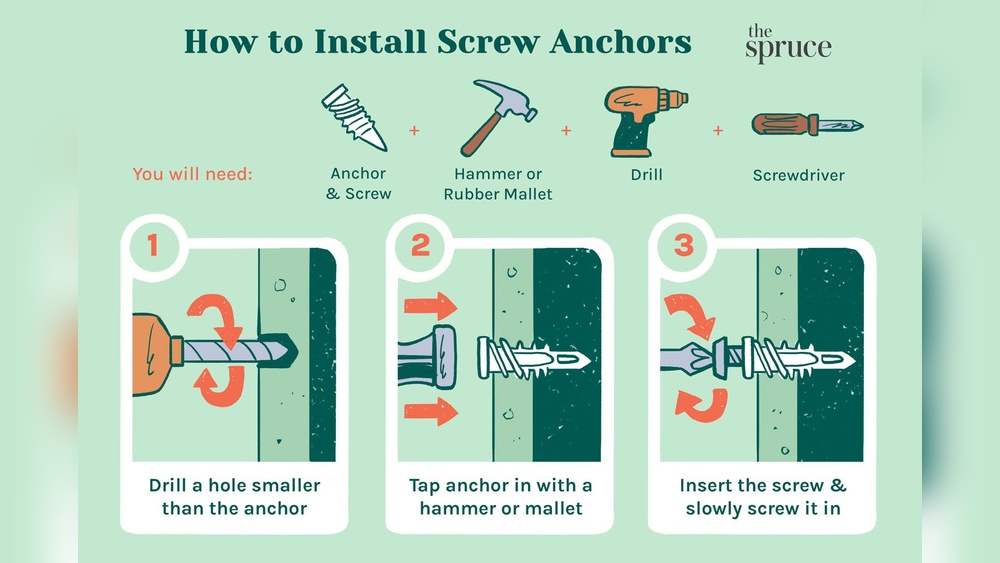
Installing the anchor is a key step to secure screws in drywall. It gives extra support and stops the screw from pulling out. Choosing the right anchor type depends on the weight of the item you want to hang. Different anchors have different ways to install. Follow clear steps for a strong hold.
Inserting Plastic Anchors
Start by drilling a hole slightly smaller than the plastic anchor. Push the anchor gently into the hole. Tap lightly with a hammer until it is flush with the wall. Avoid forcing the anchor to prevent wall damage. Now, place the screw inside the anchor. Turn the screw slowly until it feels tight and secure.
Using Toggle And Molly Bolts
Toggle bolts need a bigger hole for the wings to open inside the wall. Push the folded wings through the hole. Pull back gently to lock them in place behind the drywall. Tighten the screw slowly to secure the bolt firmly.
Molly bolts start with drilling a hole that fits the bolt size. Insert the molly bolt and tap it gently. Tighten the screw to expand the sleeve behind the wall. This locks the bolt securely. Remove the screw, then place your item and screw it back in.
Securing The Screw
Securing the screw in drywall is a key step for strong support. It ensures the screw holds tight without damaging the wall. Proper technique helps keep your items safe and stable.
Choosing The Right Screw Length
Pick a screw long enough to pass through the drywall and anchor securely. A screw that is too short will not hold well. Too long can damage wiring or pipes inside the wall. Usually, 1 to 1.5 inches works well for most drywall tasks. Always check the anchor type; some need longer screws.
Driving The Screw Properly
Start by drilling a small pilot hole if needed. Insert the screw straight into the anchor or wall. Use a screwdriver or drill with low speed to avoid stripping. Tighten until the screw is snug but not too tight. Over-tightening can break the drywall or the anchor. Stop when the screw head is flush with the wall surface.
Credit: stonedesignbysantos.com
Testing The Support Strength
Testing the support strength of a screw anchored in drywall is crucial for safety and durability. It confirms that the anchor can hold the intended weight without slipping or breaking. This step ensures your mounted item stays secure on the wall over time.
Weight Limits And Safety
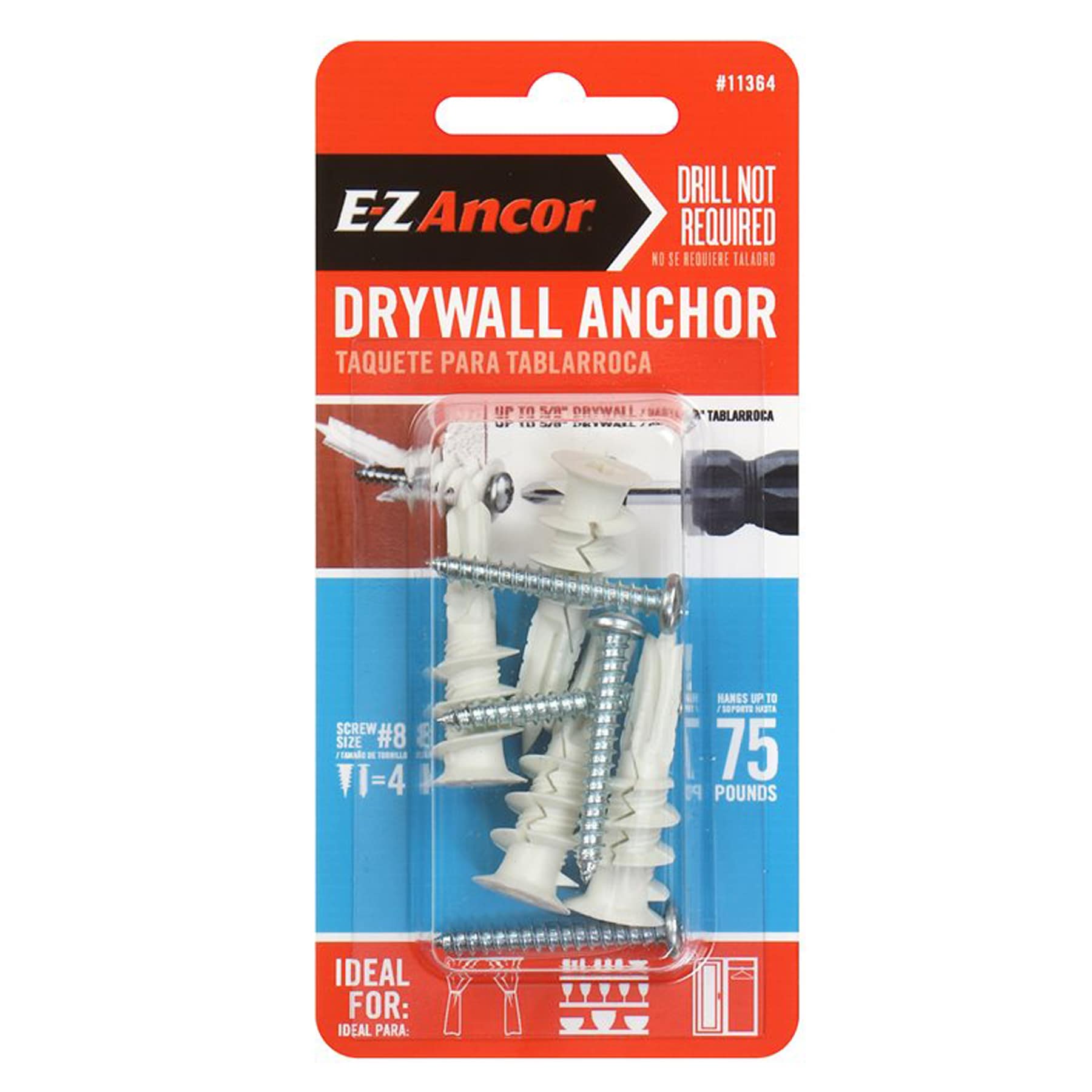
Every drywall anchor has a weight limit. Exceeding this limit risks damage to the wall and falling objects. Check the packaging or manufacturer’s instructions for maximum weight. Use anchors rated for heavier loads if needed. Safety depends on matching the anchor to the load size.
Troubleshooting Loose Anchors
Loose anchors cause unstable mounts. Wiggle the screw gently after installation. If the anchor moves, remove it and try again. Choose a larger anchor or a different type for better grip. Drywall anchors must fit tightly to hold weight securely.
Tips For Long-lasting Anchors
Strong and lasting anchors hold screws firmly in drywall. Proper care and technique increase their strength. Follow simple tips to keep anchors secure over time.
Avoiding Common Mistakes
Choose the right anchor size for the screw and load. Too small anchors can pull out easily. Drill holes slightly smaller than the anchor for a tight fit. Do not overtighten screws; it can damage the anchor or drywall. Insert anchors straight to avoid bending or breaking. Use anchors designed for drywall, not wood or concrete types.
Maintenance And Inspection
Check anchors regularly, especially if they hold heavy items. Look for any wobbling or cracks around the anchor. Tighten loose screws gently to keep anchors stable. Replace damaged anchors immediately to avoid accidents. Keep the area clean from dust and moisture to prevent weakening. Regular care ensures your anchors stay strong and reliable.
Credit: www.lowes.com
Frequently Asked Questions
What Tools Are Needed To Anchor A Screw In Drywall?
You need a drill, screwdriver, drywall anchors, screws, and a pencil. These tools help make precise holes and secure the anchors firmly in drywall.
How Do You Choose The Right Drywall Anchor?
Select an anchor based on the weight load and wall type. Plastic anchors suit light loads; metal anchors support heavier items securely.
Can You Anchor Screws Without Drilling Pilot Holes?
Drilling pilot holes is recommended for accuracy and to prevent drywall damage. It ensures the anchor fits snugly and holds firmly.
What Is The Best Method To Anchor Heavy Objects?
Use toggle bolts or molly bolts for heavy objects. These anchors expand behind drywall, providing strong support for heavier loads.
Conclusion
Anchoring a screw in drywall is simple with the right steps. Choose the correct anchor type for your wall and weight. Drill a small hole, insert the anchor, then screw it in carefully. This method keeps your fixtures secure and prevents damage.
Practice makes perfect, so don’t worry if it takes a try or two. Now, you can hang pictures, shelves, or decorations safely and easily. Drywall anchoring is a handy skill anyone can learn. Keep these tips in mind for your next project.