Are you tired of nails that just won’t hold or screws that slip out of your walls? Learning how to put a plastic anchor in the wall can change everything.
It’s a simple trick that makes your shelves, pictures, and hooks stay put—no more worrying about things falling down. You’ll discover easy steps to get it right the first time. Ready to make your walls stronger and your home safer?
Let’s dive in.
Choosing The Right Plastic Anchor
Choosing the right plastic anchor is important for a secure hold. Different walls and loads need different anchors. Picking the wrong type can cause the anchor to fail. This section explains how to choose the best plastic anchor for your project.
Types Of Plastic Anchors
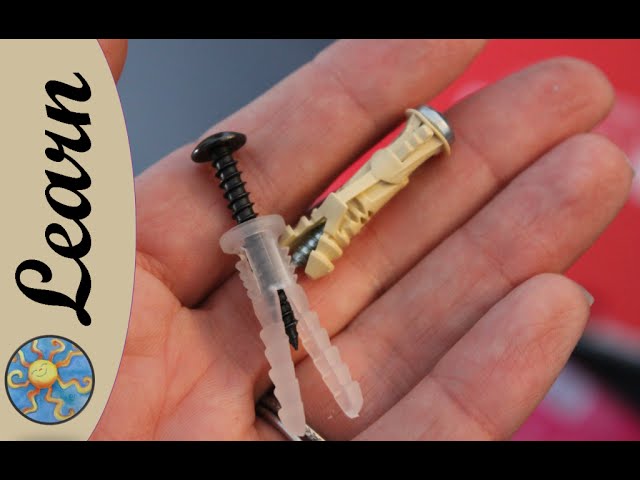
Plastic anchors come in various shapes and sizes. Some are simple expansion anchors. Others have wings or ribs for better grip. There are also self-drilling anchors for drywall. Each type fits a specific purpose and wall type.
Matching Anchors To Wall Material
Walls differ in strength and texture. Drywall needs anchors that expand without breaking the surface. Concrete or brick requires anchors that fit tight in drilled holes. Wood walls usually need screws without anchors. Match the anchor type to your wall for best results.
Weight Capacity Considerations
Every anchor has a weight limit. Check the package for maximum load info. Use heavier anchors for heavy items like shelves or mirrors. For light objects, small anchors work fine. Never exceed the weight limit to keep items safe.

Credit: www.picturehangsolutions.com
Tools And Materials Needed
Preparing to put a plastic anchor in the wall needs the right tools and materials. Using the proper items makes the job easier and safer. This section covers what you need before starting.
Essential Tools
You need a drill with the right drill bit size for the anchor. A screwdriver helps to push or twist the anchor into the wall. A hammer may be useful to tap the anchor gently. A tape measure ensures precise placement. A pencil marks the spot for drilling. These tools keep your work accurate and smooth.
Safety Gear
Wear safety glasses to protect your eyes from dust and debris. Gloves protect your hands from sharp edges and rough surfaces. A dust mask keeps you safe from inhaling wall particles. Safety gear prevents injuries and keeps you comfortable during work.
Preparing Your Workspace
Clear the area around the wall to avoid accidents. Make sure the surface is clean and dry for better anchor hold. Lay down a drop cloth to catch dust and debris. Good workspace preparation helps you work faster and cleaner.
Preparing The Wall
Preparing the wall is the first step to putting a plastic anchor. It makes sure the anchor fits well and holds tight. Careful preparation avoids damage and keeps the wall strong. Follow these steps to get ready.
Locating The Spot
Choose the exact place where you want the anchor. Think about the weight the anchor must hold. Pick a spot on a solid part of the wall. Avoid weak or cracked areas. The right spot ensures strong support.
Marking The Drill Point
Use a pencil to mark the spot clearly. Make a small dot where the drill will go. Check the mark from different angles. This helps you drill straight and accurate. A clear mark saves time and effort.
Checking For Obstacles
Look for pipes, wires, or studs behind the wall. Use a stud finder or small tool to check. Avoid drilling into any obstacles. This protects your home and tools. Knowing what is inside the wall is very important.

Credit: www.youtube.com
Drilling The Hole
Drilling the hole is a key step when installing a plastic anchor in the wall. The hole must be the right size and depth for the anchor to hold firmly. It also needs to be clean and free from dust or debris. These details help the anchor grip the wall better and support the weight of the item you want to hang.
Choosing The Drill Bit Size
Select a drill bit that matches the anchor’s diameter exactly. A bit too big will make the hole loose and unstable. Too small, and the anchor won’t fit. Check the anchor packaging for size recommendations. Using the right drill bit ensures a snug fit.
Drilling At The Correct Depth
Measure the length of the plastic anchor before drilling. Mark the drill bit with tape to avoid drilling too deep. Drill straight into the wall to keep the hole clean and accurate. Proper depth helps the anchor stay secure and hold weight well.
Cleaning The Hole
Remove dust and debris from the hole using a small brush or compressed air. A clean hole allows the anchor to grip the wall properly. Avoid pushing dust deeper into the hole. This step improves the anchor’s hold and makes your installation stronger.
Inserting The Plastic Anchor
Inserting a plastic anchor into the wall is a key step for secure mounting. This process helps hold screws firmly in place. Correct insertion ensures stability and prevents damage to the wall.
Positioning The Anchor
Place the plastic anchor directly over the drilled hole. Make sure it lines up straight with the wall surface. Proper positioning helps the anchor fit well inside the hole.
Tapping The Anchor In
Use a hammer to gently tap the anchor into the hole. Tap slowly and carefully to avoid cracking the anchor. Stop tapping once the anchor’s flange sits flush with the wall.
Ensuring A Secure Fit
Check that the anchor is tight and does not move. A secure fit keeps the screw stable and strong. If loose, remove and try a larger anchor size.
Installing The Screw
Installing the screw into a plastic anchor is a key step to secure your item firmly. The right technique ensures the anchor holds tight in the wall. This section guides you through selecting the correct screw and driving it properly. Avoiding common mistakes helps keep your wall damage-free and your item stable.
Selecting The Right Screw
Choose a screw that fits the plastic anchor size. Too long screws can break the anchor or wall. Too short screws will not hold well. Match the screw diameter to the anchor’s inner diameter. Use screws made for drywall or masonry, depending on your wall type.
Driving The Screw Properly
Insert the screw straight into the anchor. Turn it slowly with a screwdriver or drill on low speed. Stop when the screw head is flush with the anchor’s surface. Over-tightening can crack the anchor or damage the wall. The screw should feel snug but not forced.
Avoiding Common Mistakes
Do not force the screw if it resists strongly. This may mean the anchor is not seated correctly. Avoid using the wrong screw size or type. Do not overtighten, which can strip the anchor. Keep the screw straight to prevent wall damage. Check the anchor’s position before screwing.
Tips For Stronger Anchoring
Strong anchoring helps hold objects firmly on walls. Using the right techniques makes plastic anchors last longer and hold more weight. Simple tips improve the strength and safety of your wall fixtures.
Using Anchors In Different Walls
Plastic anchors work best in drywall and plaster. For brick or concrete, choose heavy-duty anchors. Drill the correct hole size for each wall type. Avoid forcing anchors into small holes. This stops cracks and weak holds.
Handling Heavy Loads
Use larger anchors for heavy objects. Spread the load by using multiple anchors. Tighten screws slowly to avoid stripping the anchor. Check the anchor’s weight limit before use. Strong anchors protect your walls and items.
Maintenance And Inspection
Check anchors regularly for looseness. Tighten screws if they feel loose. Replace damaged or cracked anchors quickly. Regular inspection keeps your mounted items safe. Small fixes prevent big problems later.
Credit: www.youtube.com
Frequently Asked Questions
What Tools Do I Need To Install A Plastic Anchor?
You need a drill, drill bit, hammer, and screwdriver. Choose a drill bit matching the anchor size. These tools ensure proper hole drilling and secure anchor installation.
How Do I Choose The Right Plastic Anchor Size?
Match the anchor size to your screw and wall thickness. A proper fit ensures strong support and prevents wall damage. Check packaging for size recommendations.
Can I Use Plastic Anchors In Drywall And Plaster?
Yes, plastic anchors work well in drywall and plaster. They provide solid hold for light to medium loads. Use anchors rated for your wall type.
How Deep Should I Drill The Hole For An Anchor?
Drill a hole slightly longer than the anchor length. This allows the anchor to fit fully and expand securely. Avoid drilling too deep or shallow.
Conclusion
Putting a plastic anchor in the wall is simple and useful. Choose the right size anchor for your screw and wall type. Drill a hole that fits the anchor snugly. Push the anchor in until it is flush with the wall.
Then, insert the screw carefully. This method holds items securely and prevents damage. Try it yourself to hang pictures, shelves, or decorations safely. Practice makes the process easier and faster. Now, you can fix things on your wall with confidence and ease.