Are you struggling to securely anchor a wall sill to brick? Getting it right is key to making sure your structure stays strong and safe.
Whether you’re tackling a home project or helping with construction, knowing the exact steps can save you time and headaches. In this guide, you’ll discover simple, clear instructions that anyone can follow—no fancy tools or skills needed. Keep reading, and you’ll gain the confidence to handle this task like a pro.
Tools And Materials Needed
Anchoring a wall sill to brick requires specific tools and materials. Having the right items makes the job easier and safer. Preparing these in advance saves time and effort.
Essential Tools
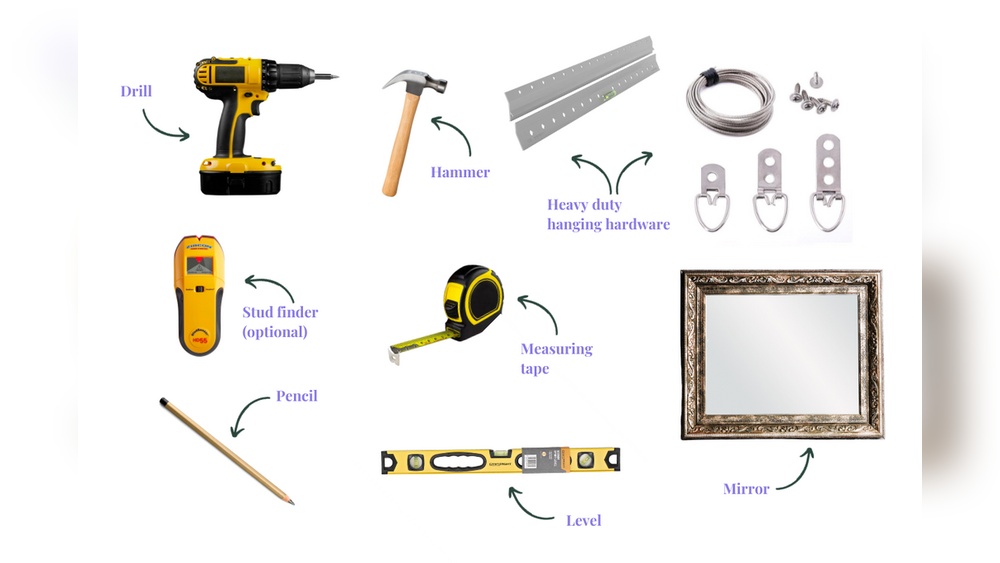
- Drill with masonry bit for brick holes
- Hammer for setting anchors
- Measuring tape to mark positions accurately
- Spirit level to ensure the sill is straight
- Screwdriver or impact driver for screws
- Chisel for cleaning holes if needed
- Marker or pencil for marking drill points
Recommended Anchors
- Expansion anchors for strong brick hold
- Masonry screws for easy installation
- Sleeve anchors for heavy-duty support
- Plastic anchors for lighter tasks
- Choose anchors based on sill weight and brick type
Safety Equipment
- Safety glasses to protect your eyes
- Work gloves to avoid hand injuries
- Dust mask to prevent inhaling brick dust
- Ear protection if drilling for long periods
- Wear sturdy shoes to protect your feet

Credit: www.reddit.com
Preparing The Brick Wall
Preparing the brick wall is the first step to anchor a wall sill properly. A clean, well-marked surface ensures strong and lasting attachment. Take time to prepare the wall carefully. This makes the installation easier and safer.
Focus on cleaning and marking the exact points where the anchors will go. These actions help avoid mistakes and keep the work neat.
Cleaning The Surface
Remove dirt, dust, and loose particles from the brick surface. Use a wire brush or stiff broom to scrub the wall. This clears away any material that can stop the anchor from holding well.
After brushing, wipe the wall with a damp cloth to remove small dust bits. Let the wall dry completely before drilling or fixing anything. A clean, dry surface improves anchor grip and prevents slipping.
Marking Anchor Points
Decide where the wall sill will sit on the brick wall. Use a pencil or chalk to mark the anchor points clearly. Make sure the marks line up straight and match the sill’s holes.
Measure twice to avoid errors. Correct marking helps you drill holes in the right spots. It saves time and keeps the sill level and secure.
Choosing The Right Anchor
Choosing the right anchor is key to securely attaching a wall sill to brick. The right anchor holds the sill firmly in place. It prevents damage to the brick and ensures long-lasting stability. Using the wrong anchor can cause the sill to become loose or fall.
Different anchors work best with different brick types and wall conditions. Understanding the options helps pick the right one for your project. This guide explains common anchor types and how to match them to your brick.
Types Of Wall Anchors
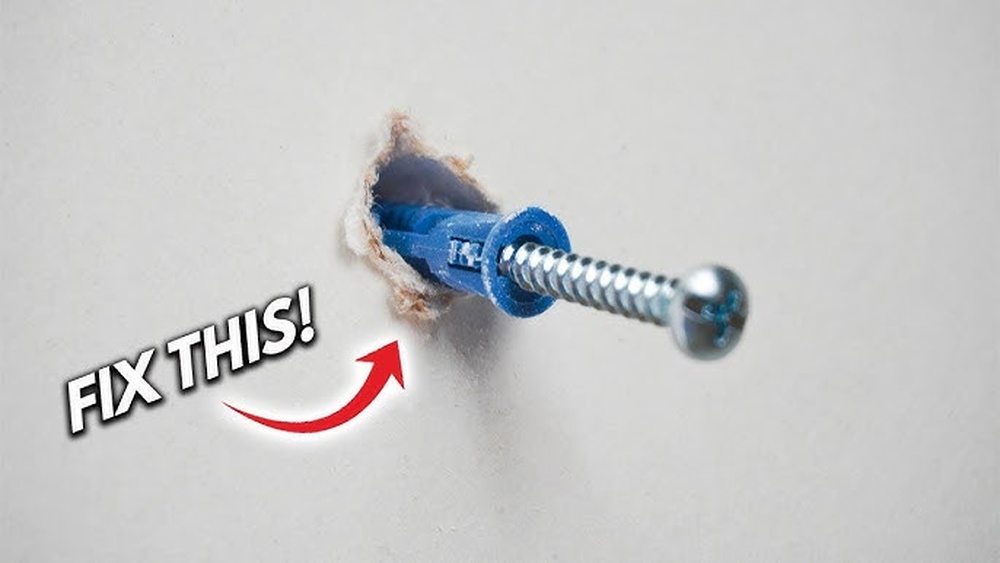
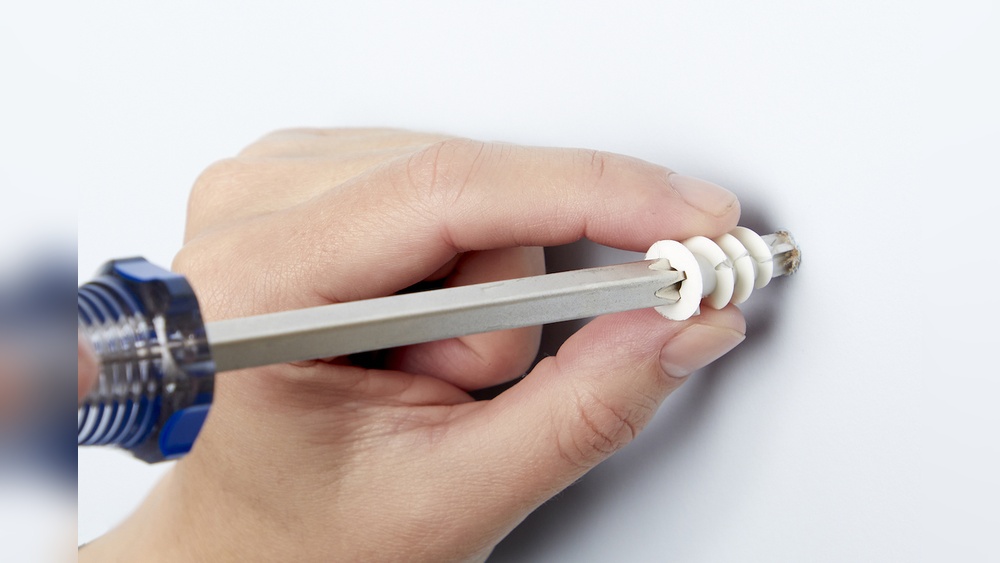
Wall anchors come in several types. Expansion anchors expand inside the hole as you tighten them. Sleeve anchors have a metal sleeve that grips the brick. Plastic anchors fit into drilled holes and hold screws tightly.
Tapcon screws are special screws that cut threads directly into the brick. Epoxy anchors use a strong glue to fix bolts in place. Each type has a different strength and use case.
Matching Anchor To Brick Type
Hard brick needs strong anchors like sleeve or expansion anchors. Soft brick can crack if anchors are too strong. Plastic anchors or Tapcon screws work well for softer brick.
Hollow brick requires anchors designed to grip inside cavities. Epoxy anchors are good for hollow or damaged bricks. Always choose anchors that fit the brick’s hardness and structure.
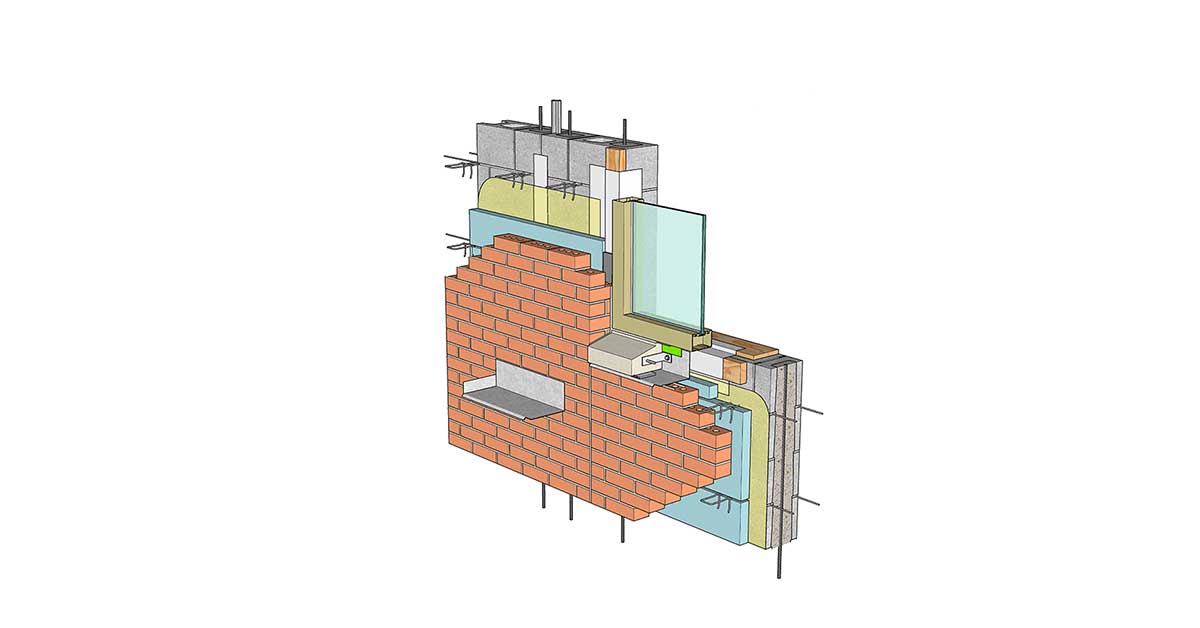
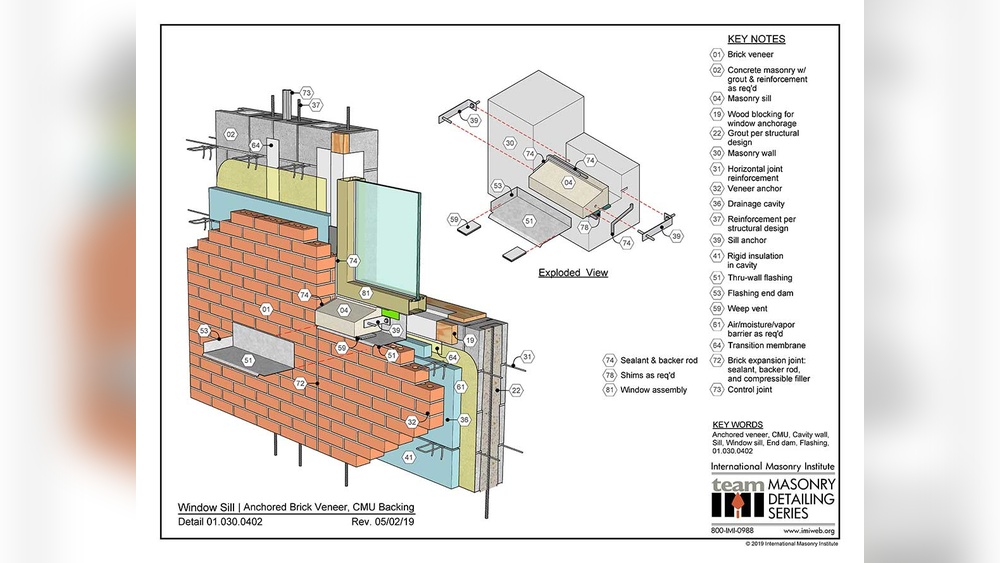
Credit: imiweb.org
Drilling Holes In Brick
Drilling holes in brick is a key step to anchor a wall sill securely. It requires the right tools and careful technique to avoid damage. The brick must stay strong enough to hold screws or anchors firmly.
Understanding the right drill bits and the best way to drill makes the process easier. It also helps create clean holes that fit anchors well. This section covers how to select drill bits and the proper drilling method for brick.
Selecting Drill Bits
Use masonry drill bits for drilling into brick. These bits have a special tip made of tungsten carbide. It can cut through hard brick without breaking.
Pick a drill bit size that matches the anchor or screw size. Too small, and the anchor won’t fit. Too large, and the hole will be loose.
A good drill bit will last longer and drill smoother holes. Avoid using wood or metal bits on brick. They will wear out quickly and damage the brick.
Proper Drilling Technique
Mark the hole position clearly on the brick surface. Use a pencil or chalk for accuracy.
Start drilling slowly to keep the bit steady. Hold the drill perpendicular to the brick face. This prevents angled or uneven holes.
Apply steady pressure without forcing the drill. Let the bit do the work. Too much force can crack the brick.
Pause occasionally to clear out dust from the hole. Use a brush or blow air to clean it. Clean holes help anchors fit tightly.
Drill to the right depth for your anchors. Use a depth stop or tape on the bit to measure. This avoids drilling too deep or too shallow.
Installing The Anchors
Installing anchors in a brick wall is a key step for securing a wall sill firmly. Proper anchor installation keeps the sill stable and safe. The process needs care and the right tools to avoid damage to the brick or sill.
Start by selecting the correct type of anchor. The two most common anchors for brick are expansion anchors and sleeve anchors. Each has a specific way to insert and tighten. Follow these steps to install them correctly.
Inserting Expansion Anchors
Begin by drilling a hole into the brick. Use a masonry drill bit that matches the anchor size. Drill straight and clean to avoid cracking the brick. Clear out dust from the hole using a brush or compressed air.
Push the expansion anchor into the hole until it fits snugly. Do not force it too hard. Tap gently with a hammer if needed. Once in place, insert the bolt or screw through the sill and into the anchor.
Tighten the bolt slowly. The anchor will expand inside the hole. This creates a strong hold in the brick. Stop tightening once the anchor feels secure. Over-tightening can damage the brick or anchor.
Using Sleeve Anchors
Drill a hole with the right diameter for the sleeve anchor. Clean the hole thoroughly to remove dust and debris. Insert the sleeve anchor through the sill and into the drilled hole.
Tap the anchor gently with a hammer to seat it fully. Tighten the nut or bolt on the sleeve anchor. This action causes the sleeve to expand against the brick. The expansion locks the anchor firmly in place.
Check the anchor’s hold by trying to move the sill. If it feels loose, tighten the bolt a little more. Avoid overtightening to protect the brick structure.
Securing The Wall Sill
Securing the wall sill to brick is a key step for strong support. This step holds the sill firmly in place. It helps prevent movement and damage over time.
Proper securing also improves safety and durability. It ensures the sill stays level and stable. Follow these simple steps to secure the wall sill correctly.
Aligning The Sill
Start by placing the sill on the brick surface. Check that it sits flat and even. Use a level tool to confirm horizontal alignment.
Adjust the sill until it matches the wall line perfectly. Proper alignment avoids gaps and uneven pressure. This step prepares the sill for secure fastening.
Tightening Fasteners
Insert the fasteners through the sill into the brick. Use anchors or screws designed for masonry. Tighten them slowly to avoid cracking the brick.
Ensure each fastener is snug but not over-tightened. Over-tightening can damage the wall or sill. Secure all fasteners evenly for balanced strength.
Finishing Touches
Finishing touches make your wall sill installation look clean and last long. These steps protect your work from weather and wear. Small details improve both function and appearance. Pay close attention now to get the best result.
Sealing Gaps
Sealing gaps stops water and air from entering. Use a good quality exterior silicone sealant. Apply it along all edges where the sill meets the brick. Smooth the sealant with a damp finger or tool. This creates a neat, strong barrier. Check for any missed spots and fill them.
Cleaning Up
Remove any dust, dirt, or excess sealant. Use a soft brush or cloth to wipe the sill and brick. Clean tools right after use to keep them ready. A clean surface shows your work clearly and prevents damage. Inspect the sill for any rough spots and smooth them if needed.

Credit: 3dwarehouse.sketchup.com
Common Mistakes To Avoid
Anchoring a wall sill to brick needs care and attention. Small mistakes can cause big problems later. Avoiding common errors helps keep the structure strong and safe. Here are two key mistakes to watch out for.
Overtightening Anchors
Too much force can damage the brick and anchor. Overtightening cracks the brick or breaks the anchor. This weakens the hold and may cause failure. Tighten anchors firmly but gently. Stop as soon as you feel resistance.
Ignoring Brick Condition
Old or damaged bricks cannot hold anchors well. Crumbling or loose bricks lead to weak attachment. Always check the brick condition before starting. Replace or repair damaged bricks for a secure fit. Strong bricks ensure the sill stays firmly in place.
Frequently Asked Questions
What Tools Are Needed To Anchor A Wall Sill To Brick?
You need a drill, masonry bit, anchors, screws, a hammer, and a level. These tools ensure precise and secure installation.
How Do You Choose The Right Anchors For Brick Walls?
Select anchors designed for masonry, like sleeve or wedge anchors. Consider wall thickness and load for a strong hold.
Can I Anchor A Wall Sill Without Drilling Into Brick?
No, drilling is essential to insert anchors securely. Surface fastening won’t provide the necessary support or durability.
What Is The Best Method To Prevent Wall Sill Movement?
Use heavy-duty masonry anchors and ensure tight screws. Applying construction adhesive adds extra stability and prevents shifting.
Conclusion
Anchoring a wall sill to brick is a simple task with the right steps. Use proper tools and materials for a strong hold. Measure carefully and drill holes precisely. Secure the sill firmly to avoid future problems. Taking time to do it right saves repairs later.
This method ensures your wall sill stays stable and safe. Try these tips on your next project for good results.