Locked out and staring at your deadbolt? It’s frustrating, right?
You might be wondering if there’s a quick way to get back inside without calling a locksmith. What if you could use something as simple as a credit card to unlock that door? You’ll learn step-by-step how to break into a deadbolt with a credit card—safely and effectively.
Keep reading, because this trick could save you time, money, and a lot of stress when you’re locked out.
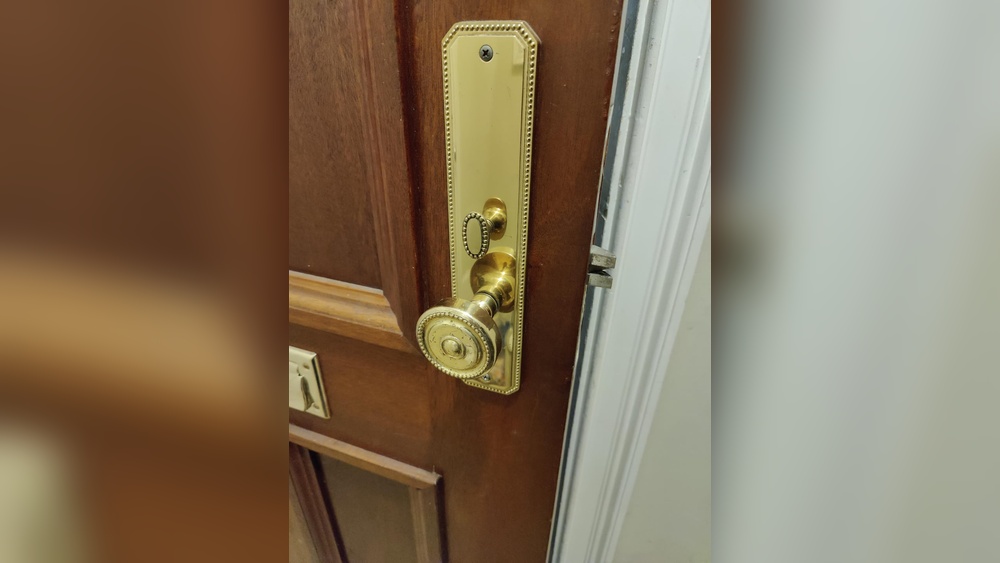
How Deadbolts Work
Deadbolts provide extra security for doors. They use a solid metal bolt to keep doors locked tightly. Unlike spring locks, deadbolts cannot be easily pushed open. Understanding how deadbolts work helps explain why they are hard to open without a key or special tools.
Types Of Deadbolts
There are three main types of deadbolts. Single-cylinder deadbolts use a key outside and a thumb turn inside. Double-cylinder deadbolts require a key on both sides. This type is common on doors with glass panels. Lockable thumb turn deadbolts can be locked from inside with a key. Each type offers different security levels.
Mechanism Behind Deadbolts
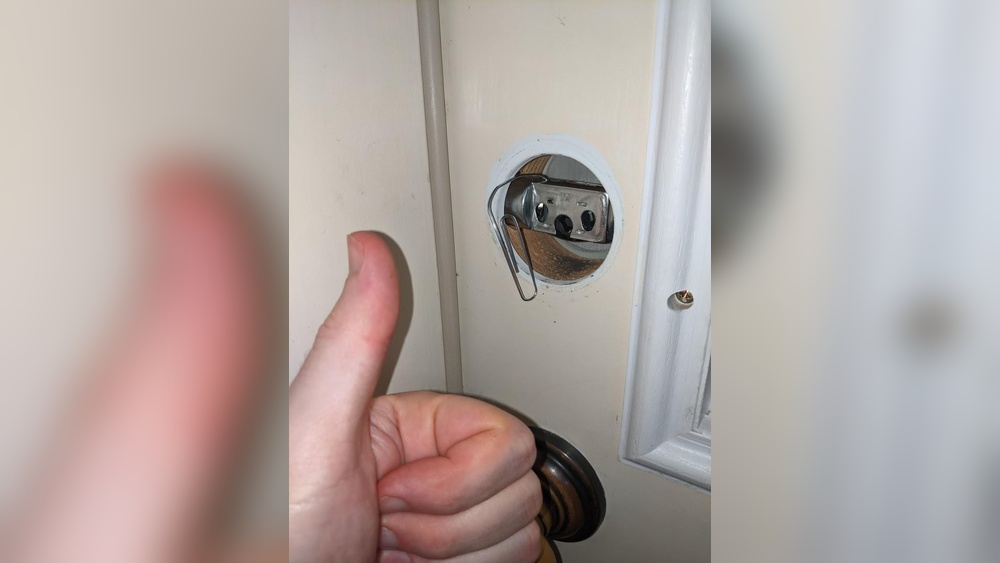
Deadbolts work by extending a solid metal bolt into the door frame. This bolt slides in and out when you turn the key or thumb turn. The bolt fits tightly into a metal strike plate. This plate is attached to the door frame. The tight fit makes the door hard to force open. The metal parts resist twisting and pushing.

Credit: www.wikihow.com
When Credit Card Method Works
The credit card method works only on certain types of locks and doors. It is not a universal solution for all locked doors. Knowing when this technique can help saves time and effort. It can be a quick way to open a door without needing special tools.
Lock Types Suitable For Credit Cards
This method works best on spring bolt locks. These locks have a latch that moves when pressure is applied. The credit card slides between the door and frame to push the latch back. It works on doors that are not fully closed or locked with a deadbolt.
Doors with a latch bolt lock are also suitable. These locks have a slanted latch that can be pushed back. The card bends and applies pressure to the latch to open the door. It works only if the door has some space to slide the card in.
Some older doors with simple locks can be opened this way. Modern deadbolts usually cannot be opened with a credit card. The deadbolt extends deep into the door frame, blocking the card.
Limitations To Consider
The credit card method does not work on deadbolt locks. Deadbolts have a solid metal bolt that blocks the door firmly. The card cannot push or slide the deadbolt back.
Plastic cards can bend or break during the attempt. Use a flexible but sturdy card to avoid damage. Avoid using your credit or debit cards to prevent loss.
The door needs to have some gap for the card to fit. Doors that are tightly sealed or have weather stripping block the card. If the door fits tightly, this method fails.
Locks with anti-shim features prevent the card from moving the latch. These locks are designed to resist this type of entry. The card method will not work on such locks.
Choosing The Right Card
Choosing the right card is key to opening a deadbolt with a credit card. Not every card works well. Some cards bend, break, or just won’t slide in the lock. Picking the right card saves time and effort.
Material And Flexibility
Plastic cards work best. They are thin and flexible. A flexible card can slide between the door and frame easily. Metal cards or thick cards will not bend enough. They may get stuck or damage the lock.
Old or expired cards are a good choice. They are less valuable and easier to risk. New cards can crack or snap during the process. A card with a smooth edge also slides better.
Avoiding Damage To Your Card
Try not to use a card you need every day. Bending can cause cracks or breaks. Use a card you don’t mind losing. Keep the card clean and dry before use. Dirt or moisture can make it harder to slide.
Do not force the card too hard. Gentle pressure works best to avoid bending or snapping. If the card bends, straighten it before the next try. A damaged card won’t work well and might get stuck in the lock.

Credit: cnyglock.com
Step-by-step Card Technique
The step-by-step card technique helps open a deadbolt lock using a plastic card. This method works best on older locks with a spring latch. It takes patience and care. Follow these simple steps to try the technique safely.
Positioning The Card
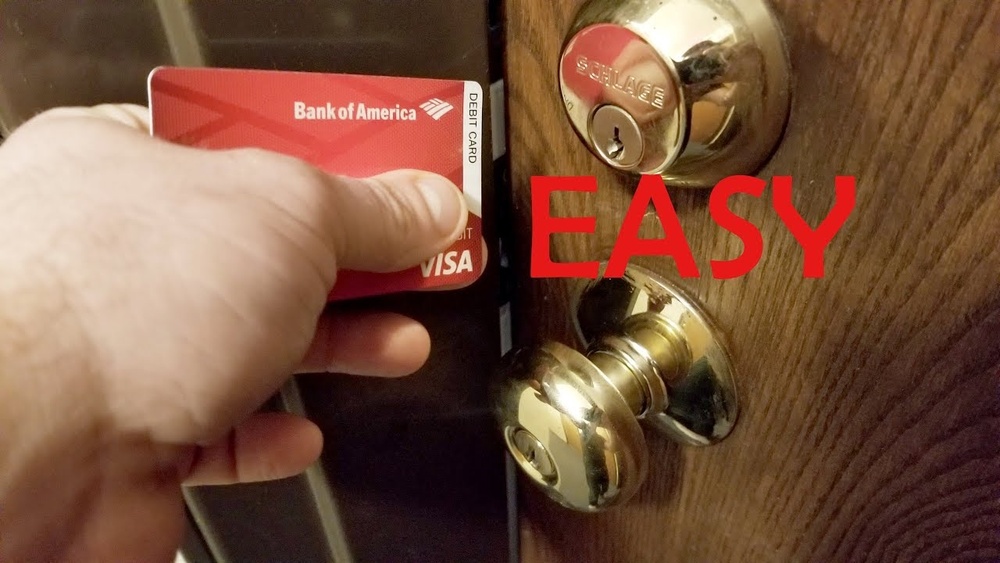
Choose a flexible plastic card, like an old credit card. Insert the card between the door frame and the deadbolt. Aim to slide the card where the latch meets the strike plate. Hold the card firmly at this point.
Applying Pressure And Wiggle
Push the card inward toward the door frame. Apply steady pressure without bending the card too much. Wiggle the card up and down gently. This movement helps slide the latch back into the door.
Sliding The Card To Release
Slide the card deeper while keeping pressure on the latch. The goal is to force the latch to move and release the lock. Keep wiggling and pushing until the door opens slightly. Be patient, as this step can take time.
Common Mistakes To Avoid
Trying to break into a deadbolt with a credit card can be tricky. Many people make mistakes that waste time and damage their cards or locks. Avoid these common errors to improve your chances and protect your belongings.
Using The Wrong Card
Not all cards work for this method. Hard plastic cards like credit cards are better than thin or brittle ones. Avoid using important cards like your bank card to prevent damage. Use an old or expired card instead.
Forcing The Card Too Hard
Applying too much pressure can break the card or damage the lock. Slide the card gently between the door and frame. Push and wiggle slowly. Forcing the card may ruin both the card and the lock.
Ignoring Lock Quality
Some deadbolts are stronger and harder to open with a card. Cheap or old locks may be easier to bypass. High-quality deadbolts often have metal shields that block card entry. Know your lock’s type before trying this method.

Credit: www.youtube.com
Legal And Safety Considerations
Trying to break into a deadbolt with a credit card requires care and thought. This method may seem simple but carries important legal and safety issues. Knowing when it is allowed and understanding the risks helps protect you and others.
When It’s Legal To Use This Method
This method is legal only if you have permission to enter. For example, use it on your own door or with the owner’s consent. Emergency situations, like being locked out of your home, may also allow this method.
Using it on someone else’s property without permission is illegal. Laws vary by location, so check local rules before trying. Always respect others’ privacy and property rights.
Risks Of Attempting Without Permission
Trying this without permission can cause serious trouble. You might face fines or criminal charges for breaking and entering. Damage to the door or lock may also happen, leading to costly repairs.
There is a risk of injury if tools slip or break. The credit card can snap and cut your hand. Use caution and know your limits to stay safe.
Alternative Entry Methods
Sometimes, a credit card may not work on a deadbolt lock. Deadbolts are stronger and harder to open with simple tools. There are other ways to get inside without breaking the door or lock. These methods need some skill or special tools but can help in a pinch.
Using Lock Picks
Lock picks are small tools made for opening locks without keys. They work by moving the lock’s pins to the right spots. This method needs practice and patience. It is quiet and can open many types of locks, including deadbolts. Learning basic lock picking can be useful for emergencies.
Calling A Locksmith
A locksmith has the right tools and skills to open deadbolt locks quickly. They can open the door without damage. This is the safest and easiest way if other methods fail. Locksmiths can also replace locks if needed. Keep their number handy for urgent lockouts.
Other Tools To Try
Some other tools can help open deadbolts. A bump key fits into the lock and can move pins by tapping it. A tension wrench applies pressure while another tool lifts the pins. These tools require some knowledge and care. Using them without skill may damage the lock.
Frequently Asked Questions
Can You Open A Deadbolt With A Credit Card?
No, a credit card cannot open a properly installed deadbolt. Deadbolts have a solid metal bolt that extends deep into the door frame. Credit cards only work on spring latch locks, not on deadbolts, which provide higher security.
Is It Legal To Break Into A Deadbolt With A Credit Card?
No, breaking into any lock without permission is illegal. Attempting to open a deadbolt with a credit card can be considered breaking and entering. Always seek professional locksmith help or owner permission before trying to bypass a lock.
What Tools Work Better Than A Credit Card For Deadbolts?
Lock picks and bump keys are more effective for opening deadbolts. These tools are designed to manipulate the internal pins of the lock. However, using them requires skill and legal permission to avoid legal issues.
Why Can’t A Credit Card Open A Deadbolt Lock?
Deadbolts use a solid metal bolt that slides into the door frame. Credit cards are flexible and cannot move this bolt. They only work on spring bolt locks, which have a latch that retracts under pressure.
Conclusion
Breaking into a deadbolt with a credit card takes patience and care. Not all deadbolts open this way, so results may vary. Always try gentle moves to avoid damage to the card or door. Remember, this method works best on spring bolt locks, not heavy deadbolts.
Use this technique only in emergencies or with permission. Practice helps improve your skill over time. Stay safe and respect property rules. Understanding how to use a credit card for door entry can be useful knowledge. Keep this tip in mind for unexpected situations.