Have you ever faced the frustration of a broken deadbolt lock stopping you from getting inside your own home? It’s a stressful situation that can leave you feeling stuck and unsure of what to do next.
But don’t worry—you don’t have to call a locksmith right away or break down the door. You’ll discover simple, effective ways to open a broken deadbolt lock safely and quickly. By the time you finish reading, you’ll have the confidence and know-how to handle this problem on your own.
Keep reading to unlock the secrets that can save you time, money, and stress.
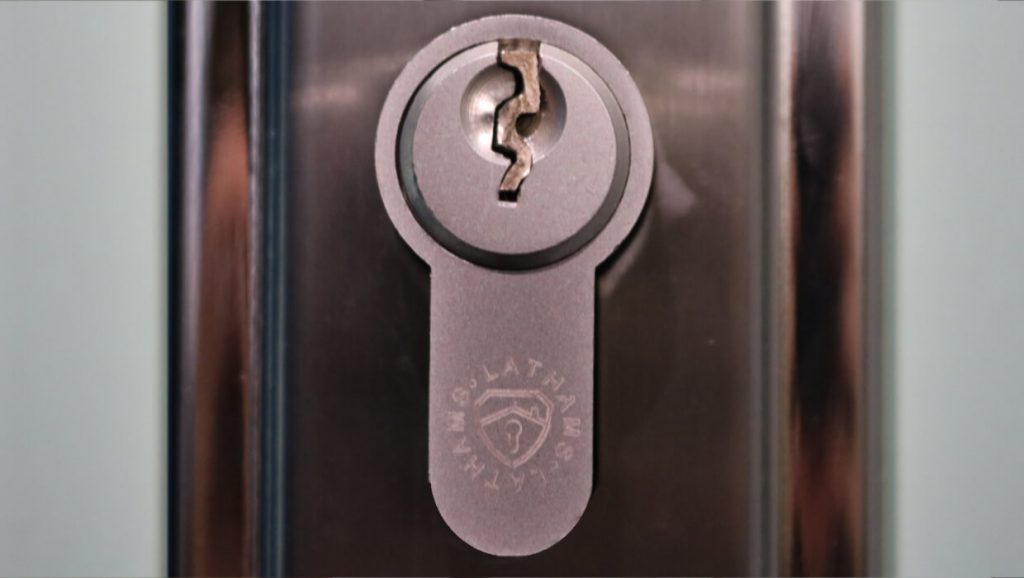
Credit: www.lathamshardware.co.uk
Signs Of A Broken Deadbolt
Recognizing the signs of a broken deadbolt helps you act fast. A deadbolt that does not work right can cause security risks. Knowing these signs prevents you from getting locked out or stuck.
Common Deadbolt Issues
The deadbolt may not turn smoothly. It might feel stiff or jammed. Sometimes, the key gets stuck or won’t turn at all. The bolt might not extend fully into the door frame.
You may hear strange sounds like grinding or clicking. The lock could feel loose or wobbly on the door. Rust or dirt can cause the deadbolt to break or stick.
When To Attempt Repair
Try fixing the deadbolt if it only moves with difficulty. Minor jams or dirt buildup can be cleaned or lubricated. Loose screws can be tightened easily.
Do not force the lock if the key breaks inside or the bolt is stuck. In these cases, calling a professional is safer. Trying to fix severe problems might cause more damage.

Credit: www.youtube.com
Tools Needed For The Job
Opening a broken deadbolt lock requires the right tools. Having the proper equipment makes the task easier and safer. These tools help you remove or fix the lock without causing damage. Below is a list of tools you will need for the job.
Essential Hand Tools
Start with basic hand tools. A screwdriver set is necessary to remove screws from the lock. Choose both flathead and Phillips screwdrivers for different screws. A pair of pliers helps to grip and twist small parts. Needle-nose pliers work best for tight spaces. A hammer can help gently tap parts loose. Keep a utility knife handy to cut any stuck material. Lastly, a small pry bar may be needed to remove the lock plate.
Optional Power Tools
Power tools can speed up the process. A cordless drill with screwdriver bits helps remove screws faster. Use a rotary tool with a cutting disc to cut through the lock if needed. An electric screwdriver is useful for tight screws. These tools are not necessary but can save time and effort. Always wear safety glasses when using power tools to protect your eyes.
Quick Methods To Open A Broken Deadbolt
Broken deadbolts can stop you from entering your home quickly. Fast methods help you get inside without waiting for a locksmith. These simple tricks save time and reduce frustration.
Use common tools or easy techniques to open the lock. Some methods need little skill but work well in emergencies. Try these quick ways to deal with a broken deadbolt.
Using A Credit Card
Take a flexible card, like an old credit card. Slide it between the door and the frame near the deadbolt. Push and wiggle the card while turning the door handle. This works best if the door isn’t fully locked tight. The card can push the bolt back to open the door.
Applying A Screwdriver
Grab a flathead screwdriver that fits the lock. Insert it into the gap beside the deadbolt. Try to push or twist the lock cylinder. This may release the bolt or loosen the lock parts. Use gentle pressure to avoid breaking the lock further.
Lock Bumping Technique
Lock bumping uses a special key to jolt the pins inside. Insert the bump key fully into the lock. Tap the key lightly while turning it. The pins jump, allowing the lock to turn open. This method takes practice but works fast on many deadbolts.
Advanced Techniques For Stubborn Locks
Some deadbolt locks break and refuse to open with simple tools. These stubborn locks need stronger methods to remove them safely. Advanced techniques help avoid damage to the door and save time. They require care, patience, and the right tools.
Drilling The Deadbolt
Drilling is a common way to open a broken deadbolt. Use a power drill and a strong metal bit. Start by drilling into the center of the lock cylinder. Drill slowly to avoid breaking the drill bit. The goal is to destroy the pins inside the lock. Once the pins are drilled out, the deadbolt can turn easily. Wear safety glasses and protect the door surface from scratches.
Removing The Lock Cylinder
Removing the lock cylinder is another advanced method. First, remove the screws holding the lock faceplate. Then, pull out the cylinder carefully using pliers or a special tool. Sometimes, the cylinder is stuck and needs gentle tapping. After removal, the deadbolt mechanism is exposed. This allows you to open the lock by moving the bolt manually. This method works well for high-security locks that resist drilling.
Safety Tips While Opening Locks
Opening a broken deadbolt lock needs care and safety. Protecting yourself and your property is very important. Small mistakes can cause injuries or more damage. Follow simple safety tips to handle the lock carefully. These tips help you open the lock safely and protect your door.
Protecting Yourself And Property
Wear safety gloves to protect your hands from sharp parts.
Use eye protection to avoid injury from flying debris.
Work slowly and do not rush the process.
Keep children and pets away from the area.
Use the right tools to avoid accidents or damage.
Avoiding Damage To The Door
Do not force tools into the lock or door frame.
Use gentle pressure to prevent breaking the door.
Check the door material before starting to avoid cracks.
Work in good light to see clearly and avoid mistakes.
Stop if you feel the door or lock is getting damaged.
When To Call A Locksmith
Knowing when to call a locksmith saves time and prevents damage. Broken deadbolt locks can be tricky. Some problems need special tools and skills. Trying to fix complex issues alone may cause more harm.
Recognizing the right moment to get expert help keeps your home safe. Professionals know how to handle tough lock problems quickly. They also avoid extra costs from mistakes.
Signs You Need Professional Help
The deadbolt is stuck and won’t move at all. Your key breaks inside the lock cylinder. The lock feels loose or wobbly on the door. You hear unusual noises when turning the key. The key won’t insert fully or turn smoothly. Attempting to fix the lock caused visible damage. You need to get inside quickly but cannot open the door. The lock is old and shows signs of rust or wear.
Choosing The Right Locksmith
Pick a locksmith with a good local reputation. Check online reviews and ratings before calling. Confirm the locksmith is licensed and insured. Ask about their experience with deadbolt locks. Request an estimate before work begins. Make sure they provide a clear invoice after service. Choose a locksmith who offers emergency service if needed. Trustworthy locksmiths respect your property and privacy.
Preventing Future Deadbolt Problems
Broken deadbolt locks cause stress and risk home safety. Preventing future problems saves time and money. Small steps keep your lock working well. Care and upgrades help avoid lock failures.
Regular Maintenance Tips
Clean your deadbolt regularly. Dust and dirt can block the mechanism. Use a soft cloth to wipe the lock surface. Apply graphite or silicone spray inside the keyhole. Avoid oil-based lubricants that attract dirt. Test the lock after maintenance to ensure smooth action. Check screws and tighten them if loose. Replace worn or damaged parts early. Regular checks stop small issues from growing.
Upgrading Your Lock System
Old deadbolts may fail more often. Consider installing a new, strong lock. Choose locks with high security ratings. Smart locks offer convenience and added safety. Replace old keys and locks after moving. Some locks resist picking and drilling better. Upgrading helps protect your home from break-ins. Professional installation ensures proper fitting and function. Invest in quality locks for peace of mind.

Credit: www.youtube.com
Frequently Asked Questions
How Can I Open A Broken Deadbolt Lock Quickly?
You can open a broken deadbolt by using a screwdriver to remove the lock faceplate. Then, try using pliers to turn the lock cylinder. If that fails, consider drilling the lock or calling a locksmith for safe removal.
What Tools Are Needed To Open A Broken Deadbolt?
Common tools include a flathead screwdriver, pliers, and a drill with metal bits. These help remove the lock or drill through the cylinder. Always use proper safety gear when handling tools to avoid injury.
Is It Possible To Open A Deadbolt Without Damaging It?
Opening a broken deadbolt without damage is challenging. If the lock mechanism is jammed, gentle manipulation with lock picks might work. Otherwise, professional locksmith services can safely open the lock without causing damage.
Can I Fix A Broken Deadbolt Lock Myself?
Yes, minor issues like misaligned parts or stuck bolts can be fixed by yourself. Use lubricants and adjust screws. For complex problems, replacing the lock or hiring a locksmith is recommended.
Conclusion
Opening a broken deadbolt lock takes patience and the right steps. Use simple tools and follow clear instructions carefully. Avoid rushing to prevent more damage. Sometimes, calling a professional might be the safest choice. Keep your home secure by fixing locks quickly.
Remember, staying calm helps solve the problem better. Now, you can handle a broken deadbolt with confidence.