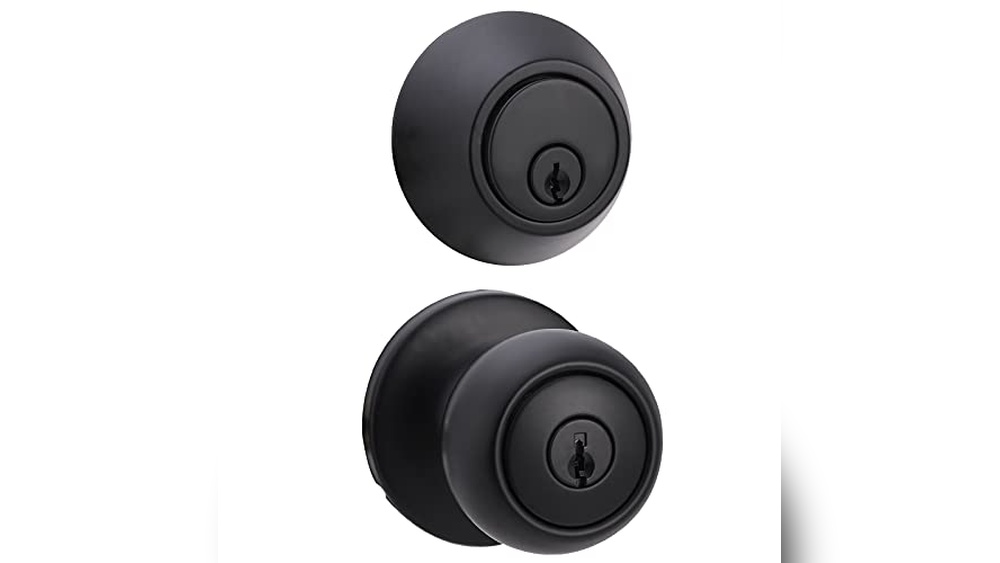
Is your Kwikset deadbolt feeling loose or wobbly? A shaky lock can make you worry about your home’s security.
But don’t panic—tightening your deadbolt is easier than you think. In this guide, you’ll discover simple steps to fix that loose lock quickly and safely. Keep reading to secure your door and gain peace of mind with just a few easy tools you probably already have.
Tools Needed
Before tightening a Kwikset deadbolt, gather the right tools. Having the correct tools makes the job faster and easier. These tools help you adjust screws and fix any loose parts. You don’t need many tools, but the right ones are important.
Phillips Head Screwdriver
This screwdriver fits the screws on most Kwikset deadbolts. Its cross-shaped tip matches the screw heads. Use it to tighten or loosen screws smoothly. A medium size usually works best.
Flathead Screwdriver
This tool helps with any flat slot screws or prying parts gently. It can also assist in removing the deadbolt cover if needed. A small flathead screwdriver is enough for this task.
Allen Wrench (hex Key)
Some Kwikset models use hex screws. An Allen wrench fits into these screws to tighten them. A set with different sizes is useful for this purpose.
Adjustable Wrench
This wrench helps tighten any nuts or bolts on the deadbolt. It adjusts to fit various sizes. Use it carefully to avoid damaging the parts.
Tape Measure
Measure the door thickness or the deadbolt length. This ensures proper fitting and adjustment. A small tape measure works well for this.

Credit: diy.stackexchange.com
Identify Loose Parts
Identifying loose parts is the first step to tighten your Kwikset deadbolt. Loose components cause the lock to feel wobbly or insecure. Finding these parts helps you know what to fix. Carefully check both sides of the door. This will ensure the deadbolt works smoothly and keeps your home safe.
Check Exterior Hardware
Start by examining the outside of the door. Look at the keyhole and the round knob or thumb turn. Wiggle these parts gently. If they move too much, they might be loose. Check the screws around the lock. Use a screwdriver to tighten any loose screws. Tight screws keep the lock steady and strong.
Inspect Interior Components
Next, inspect the inside parts of the deadbolt. Look at the thumb turn and the plate around it. Try turning the thumb turn. It should move smoothly without wobbling. If it feels loose, check the screws holding it in place. Tighten any loose screws you find. This will help the lock work better and last longer.
Tighten Screws
Tightening the screws on your Kwikset deadbolt helps keep it secure and working well. Loose screws can cause the lock to wobble or not turn smoothly. Regularly checking and tightening these screws ensures the deadbolt stays firmly in place. Below are key screws you should focus on.
Exterior Plate Screws
The exterior plate holds the deadbolt on the outside of your door. Check the screws that attach this plate. Use a screwdriver to tighten each screw until snug. Avoid overtightening, which can strip the screw or damage the door. Tight screws stop the plate from moving or shifting. This keeps the lock aligned and secure.
Interior Thumb Turn Screws
The interior thumb turn controls the deadbolt from inside your home. Locate the screws securing this part to the door. Tighten them carefully with a screwdriver. Loose screws here can make it hard to turn the lock. Firm screws ensure the thumb turn works smoothly and stays in place. This improves your deadbolt’s reliability.

Credit: diy.stackexchange.com
Adjust Strike Plate
Tightening a Kwikset deadbolt often means adjusting the strike plate. The strike plate is the metal piece on the door frame. It catches the bolt and keeps the door locked securely. Over time, the strike plate can shift or wear out. This makes the deadbolt feel loose or hard to lock. Adjusting the strike plate helps the bolt fit better. This makes your door safer and the lock work smoothly.
Locate Misalignment
Start by checking the deadbolt and strike plate. Close the door slowly and watch the bolt. See if it hits the strike plate squarely or slides past. Look for gaps or uneven contact points. These signs show the strike plate is out of place. Use a pencil to mark where the bolt touches the plate. This helps find the exact spot to adjust.
Reposition Strike Plate
Loosen the screws on the strike plate with a screwdriver. Move the plate slightly up, down, or sideways based on your marks. Test the deadbolt by closing the door each time you adjust. The bolt should fit snugly into the strike plate hole. Tighten the screws once the position is right. Use longer screws for extra strength if needed. This keeps the strike plate steady and improves lock tightness.
Lubricate Deadbolt
Lubricating your Kwikset deadbolt keeps it working smoothly. Dirt and rust can cause it to stick or jam. Regular lubrication helps the lock turn easily and extends its life. This step is key for tightening your deadbolt without extra tools.
Choose The Right Lubricant
Select a lubricant made for locks. Graphite powder is a top choice. It doesn’t attract dust or dirt. Avoid oil-based lubricants. They can gum up the lock over time. Silicone spray also works well. It spreads evenly and dries fast. Proper lubricant prevents wear and makes turning easier.
Apply Properly
First, remove the key from the lock. Spray or sprinkle the lubricant into the keyhole. Insert the key and turn it several times. This spreads the lubricant inside the mechanism. Wipe off any excess on the outside. Repeat every six months or when the lock feels stiff. Proper application keeps your deadbolt tight and reliable.

Credit: www.youtube.com
Test Lock Functionality
Testing the lock functionality is key after tightening your Kwikset deadbolt. This step ensures your lock works smoothly and keeps your door secure. It helps spot any problems early so you can fix them fast.
Check Lock Smoothness
Turn the key or thumb turn several times. Feel for any stiffness or resistance. The lock should move easily without sticking. If it feels tight, check the screws and alignment. Make small adjustments and test again. A smooth lock means less wear and better security.
Ensure Secure Locking
Lock the deadbolt fully and try to pull the door open. The bolt must hold tight without wiggling. If the door moves, tighten screws or adjust the strike plate. Test the lock multiple times to confirm it stays secure. A firm lock keeps your home safe and gives peace of mind.
When To Replace Parts
Knowing when to replace parts in your Kwikset deadbolt is key. Parts wear out over time. They can cause your lock to feel loose or hard to turn. Replacing worn parts keeps your lock secure and working well.
Check your deadbolt regularly. Look for signs of damage or wear. This helps avoid lock failure or security risks.
Signs Of Worn Deadbolt Components
Parts like the latch or cylinder may wear down. If the key sticks or the lock feels loose, parts might need replacement. Rust or corrosion also means it is time to change parts.
When The Lock Does Not Tighten Properly
If tightening screws does not fix the problem, parts could be faulty. Loose screws with no improvement often mean internal parts are damaged. Replacing those parts can restore proper function.
After Forced Entry Or Damage
Any damage from forced entry weakens your deadbolt. Even small cracks or bends require part replacement. This keeps your lock strong and secure against intruders.
Regular Maintenance Schedules
Replace parts every few years as a precaution. This prevents sudden failure and keeps your home safe. Follow the manufacturer’s advice for part replacement timing.
Frequently Asked Questions
How Do I Tighten A Kwikset Deadbolt Lock?
To tighten a Kwikset deadbolt, first remove the screws on the interior side. Adjust the lock’s position and reinsert the screws firmly. Ensure the strike plate is aligned correctly for smooth locking and unlocking.
Why Is My Kwikset Deadbolt Loose?
A loose Kwikset deadbolt often results from worn screws or misalignment. Tightening the mounting screws and adjusting the strike plate usually fixes the issue. Regular maintenance helps prevent future loosening.
Can I Tighten A Deadbolt Without Removing It?
Yes, you can tighten a Kwikset deadbolt without full removal by tightening visible screws. However, partial removal may be needed for better alignment and secure fitting. Always check both sides of the lock.
What Tools Do I Need To Tighten Kwikset Deadbolt?
You need a Phillips screwdriver to tighten the screws on the Kwikset deadbolt. A flathead screwdriver and a tape measure may help with alignment and adjustments. Having these tools ensures quick and effective tightening.
Conclusion
Tightening your Kwikset deadbolt keeps your home safe and secure. Small steps like checking screws and adjusting parts help a lot. You don’t need special tools or skills. Just take your time and follow simple instructions. A well-fitted deadbolt works smoothly and stops any unwanted movement.
Keep your lock tight to protect your door better. Regular care can save money and prevent bigger problems. Stay safe with a strong, steady deadbolt on your door. Simple fixes make a big difference.