Are you struggling to hang something heavy on your wall without it falling down? Knowing how to get a screw anchor in the wall can make all the difference.
It’s not as tricky as it sounds, and with the right steps, you can secure your items safely and easily. You’ll discover simple tips that anyone can follow to get a strong hold every time. Keep reading, and you’ll soon have the confidence to tackle any wall project like a pro.

Credit: www.tjlituo.com
Types Of Screw Anchors
Screw anchors hold screws firmly in walls. They help secure objects safely. Different types fit different wall materials and weights. Choosing the right anchor is key for strong support.
Plastic Anchors
Plastic anchors are the most common type. They work well in drywall and plaster. Insert the anchor into a drilled hole. The screw expands the anchor, gripping the wall tightly. Best for light to medium loads.
Metal Anchors
Metal anchors offer stronger support than plastic. Made from steel or zinc, they resist bending. Ideal for heavy objects or dense walls. They expand as the screw tightens, locking firmly in place.
Toggle Bolts
Toggle bolts have spring-loaded wings that open inside the wall. They spread the weight over a larger area. Perfect for hollow walls or ceilings. Use them for heavy shelves or large fixtures.
Molly Bolts
Molly bolts are metal anchors with a sleeve. The sleeve expands behind the wall when tightened. This creates a strong hold in drywall or plaster. Suitable for medium to heavy loads and heavy mirrors.
Tools And Materials Needed
Before installing screw anchors in a wall, gather the right tools. Having everything ready makes the job easier and faster. Each tool has a specific role in the process. Use them properly for a secure hold.
Drill And Drill Bits
A drill is essential for making holes in the wall. Choose drill bits that match the anchor size. This ensures a snug fit. Use a drill with adjustable speed for better control.
Screwdriver
A screwdriver is needed to drive screws into the anchors. Pick one that fits your screws well. Both flathead and Phillips screwdrivers are common. A power screwdriver can save time.
Measuring Tape
Measure the exact spot for your anchors. This helps avoid mistakes and keeps things level. Mark spots clearly before drilling. Accuracy is key for a neat finish.
Hammer
A hammer helps tap anchors gently into the holes. It ensures anchors sit flush with the wall. Use light taps to avoid damage. The hammer also helps adjust anchors if needed.
Choosing The Right Anchor
Choosing the right screw anchor is important for a strong hold. The wrong anchor can cause your fixture to fall or damage the wall. Understanding the wall type, weight of the object, and anchor size helps you pick the best option. This guide breaks down key points for easy selection.
Assessing Wall Material
Check what your wall is made of first. Drywall, plaster, brick, or concrete all need different anchors. Drywall requires plastic or metal anchors that expand behind the wall. Brick and concrete need heavy-duty anchors like sleeve or wedge types. Knowing your wall material ensures the anchor fits and holds well.
Load Requirements
Think about the weight of the item you will hang. Light objects need simple plastic anchors. Medium to heavy items need metal anchors or toggle bolts. Choose anchors with a load rating higher than your object’s weight. This prevents accidents and keeps things secure.
Anchor Size Selection
Pick an anchor size that matches your screw and hole size. Too small anchors will not hold well. Too large anchors can crack the wall. Follow the anchor packaging for size guidance. Make sure the anchor fits snugly in the drilled hole for best results.
Credit: www.familyhandyman.com
Step-by-step Installation
Installing a screw anchor in a wall is easy with the right steps. This guide shows each part clearly. Follow these steps to secure your anchor safely and firmly.
Marking The Spot
First, choose the spot where you want the anchor. Use a pencil to mark the exact point. Make sure it is straight and at the right height.
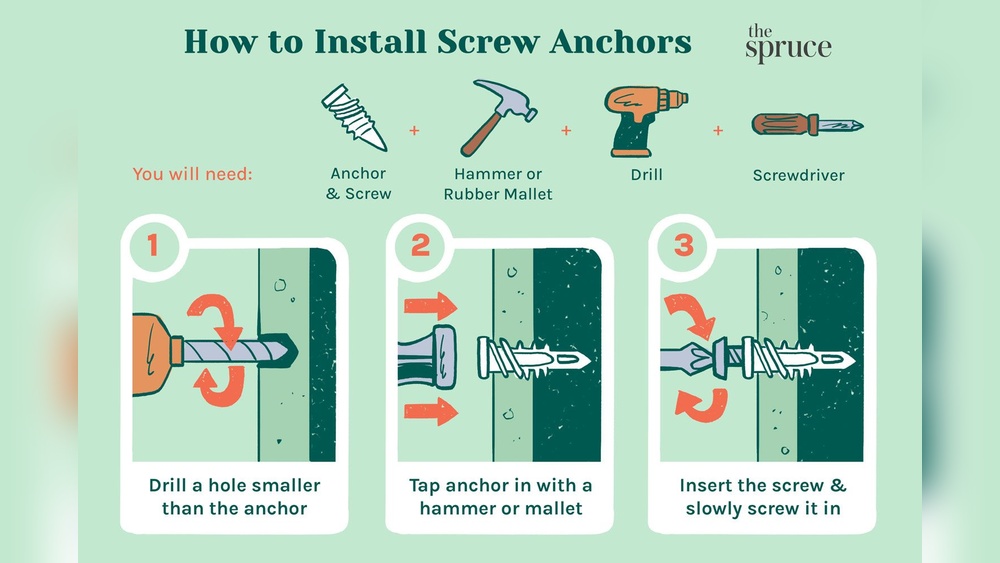
Drilling The Hole
Select a drill bit that matches the anchor size. Drill a hole carefully at the marked spot. Keep the drill straight to avoid damage.
Inserting The Anchor
Push the anchor gently into the drilled hole. Tap it lightly with a hammer if needed. The anchor should fit snugly inside the wall.
Securing The Screw
Place the screw into the anchor. Use a screwdriver to turn it clockwise. Tighten until the screw is firm but avoid overtightening.
Tips For Stronger Fixing
Getting a strong hold with screw anchors is key for secure wall fixtures. Small mistakes can weaken the grip and cause damage. Follow these simple tips to make your fixing stronger and last longer.
Avoiding Over-tightening
Turning the screw too tight can crack the wall or damage the anchor. Stop tightening as soon as the anchor feels snug. This keeps the anchor firm without breaking it.
Using Proper Drill Speed
Drill at a slow, steady speed to avoid overheating or damaging the hole. Fast drilling can make the hole too big or rough. A good drill speed helps the anchor fit tightly.
Checking Anchor Stability
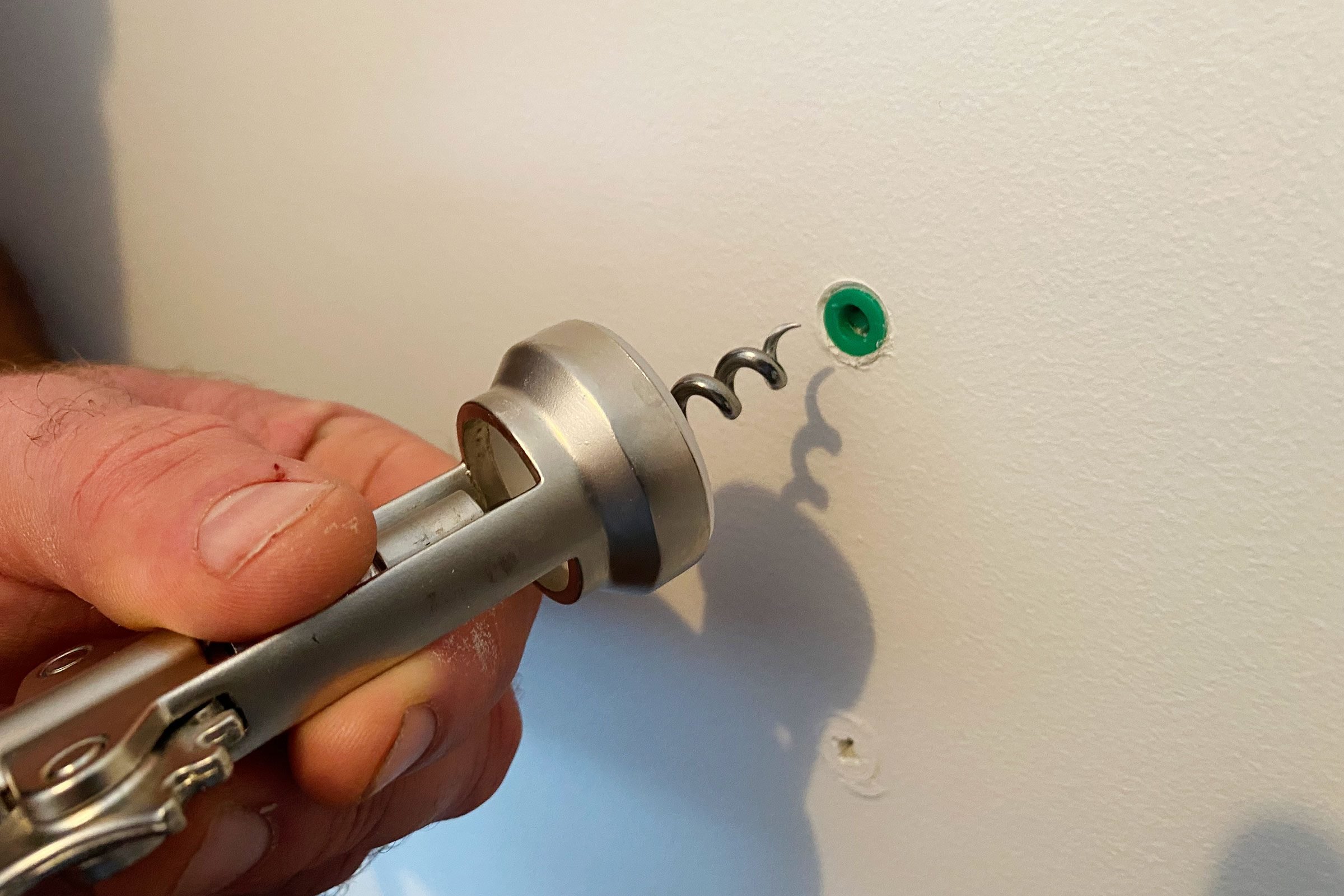
After fixing the screw, gently test the anchor by wiggling it. It should not move or feel loose. If it does, remove and re-install it carefully for a stronger hold.

Credit: www.picturehangsolutions.com
Common Mistakes To Avoid
Installing screw anchors might seem simple, but many make common mistakes. These errors can cause anchors to fail or damage walls. Knowing what to avoid helps ensure a strong hold and a safe installation.
Wrong Anchor Choice
Choosing the wrong anchor weakens the hold. Some anchors fit only drywall, others work best in brick or concrete. Using the wrong type leads to slipping or breaking. Match the anchor to the wall material and weight of the item.
Incorrect Hole Size
Drilling too big or too small a hole causes problems. A hole too large makes the anchor loose. Too small, and the anchor might break or not fit. Use the anchor package instructions for the right drill bit size.
Neglecting Wall Type
Walls vary in material and strength. Drywall, plaster, brick, and concrete need different anchors. Ignoring the wall type can cause anchors to fail or damage the wall. Always check the wall type before choosing anchors or drilling holes.
Frequently Asked Questions
What Tools Do I Need To Install A Screw Anchor?
You need a drill, appropriate drill bit, screw anchor, screwdriver, and screws. Choose tools based on wall material for best results.
How Do I Choose The Right Screw Anchor Size?
Select screw anchors based on screw size and wall thickness. Match anchor size to weight of the item you plan to hang.
Can I Install Screw Anchors In Drywall?
Yes, screw anchors work well in drywall. Use plastic or metal anchors designed for drywall to ensure strong support.
How Deep Should I Drill For A Screw Anchor?
Drill a hole slightly deeper than the anchor length. This ensures the anchor fits snugly without damaging the wall.
Conclusion
Getting a screw anchor in the wall is simple with the right steps. Start by choosing the correct anchor for your wall type. Drill a hole that fits the anchor size. Gently push or tap the anchor into the hole until it sits flush.
Finally, insert and tighten the screw carefully. This method ensures a strong hold for your fixtures. Practice makes perfect, so don’t rush. With patience, hanging items will become easier and safer every time.