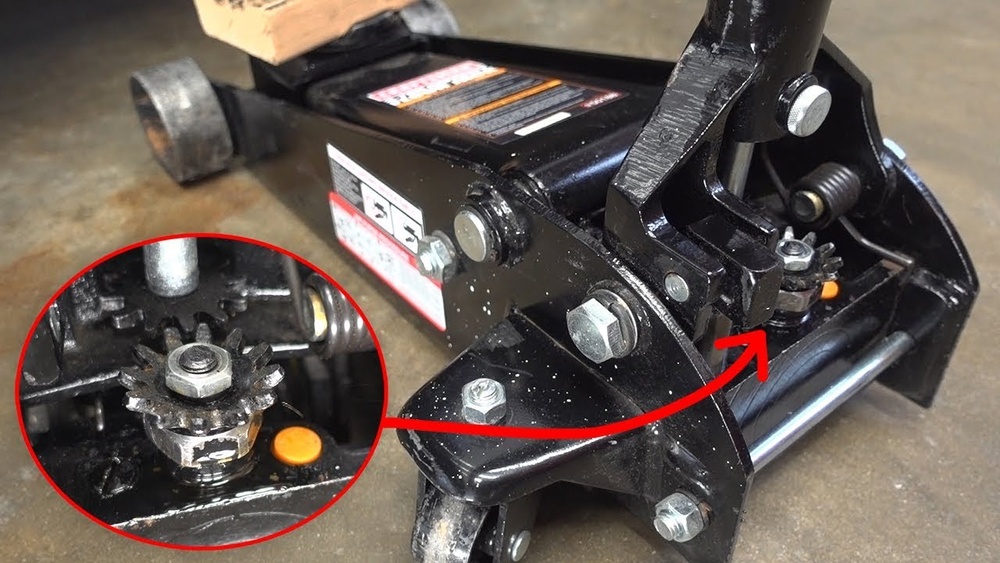
If you own a floor jack, you know how important it is to keep it in top shape. One small but crucial part is the rubber plug.
Without it, dirt and debris can get inside, causing damage and shortening your jack’s life. You might think installing this tiny piece is tricky, but it’s easier than you expect. In this guide, you’ll learn exactly how to install a rubber plug on your floor jack quickly and correctly.
By the end, you’ll feel confident maintaining your tool and ready to tackle your next project without worry. Keep reading—your floor jack will thank you!
Tools And Materials Needed
Installing a rubber plug on a floor jack needs proper tools and materials. Using the right items makes the job easier and safer. This section covers what you need for a smooth installation process.
Selecting The Right Rubber Plug
Choose a rubber plug that fits your floor jack perfectly. Check the size and shape before buying. The plug should match the hole or opening on the jack. A tight fit prevents dirt and moisture from entering. Look for durable rubber that resists wear and tear. Avoid plugs that are too soft or too hard. The right plug lasts longer and protects your jack well.
Essential Tools For Installation
Gather simple tools for the installation. A flathead screwdriver helps remove the old plug. Needle-nose pliers are useful for pulling out stuck plugs. Clean cloths remove dirt before placing the new plug. Use lubricant like silicone spray for easy fitting. Gloves protect your hands during the work. Having these tools ready speeds up the process and ensures a good seal.
Preparing The Floor Jack
Preparing the floor jack is an important step before installing the rubber plug. This process ensures a smooth fit and long-lasting performance. Taking time to prepare helps avoid problems later. It also keeps the floor jack safe to use.
Cleaning The Installation Area
Start by wiping the area where the rubber plug will go. Use a clean cloth to remove dirt and dust. Dirt can stop the plug from fitting correctly. If needed, use a mild cleaner and water. Dry the area fully before moving on.
Inspecting For Damage
Look closely at the floor jack’s hole and surrounding parts. Check for cracks or worn-out spots. Damage can affect how well the plug fits. Small issues might be fixed before installing. Replace the floor jack if damage is severe.
Removing The Old Plug
Removing the old rubber plug from a floor jack is the first step in installing a new one. This task requires care to avoid damage to the jack or injury to yourself. Old plugs can be tight or stuck, so patience is key. Follow the right methods to make removal smooth and safe.
Safe Removal Techniques
Start by cleaning around the plug. Dirt can make removal harder. Use a cloth to wipe the area. Use a flathead screwdriver or a plastic pry tool. Gently work the tool under the edge of the plug. Do not force it too hard. Twist or lift slowly to loosen the plug. Wear gloves to protect your hands. Keep your tools steady to avoid slips. Removing the plug carefully helps keep the jack in good shape.
Handling Stubborn Plugs
Some plugs stick tight from age or dirt. Apply a small amount of lubricant around the plug. Let it sit for a few minutes. Use the screwdriver or pry tool again. Tap gently with a hammer if needed. Avoid using too much force. Heat from a hair dryer can soften the plug. Warm it for a minute or two before trying again. Repeat these steps until the plug pops out. Patience is important with tough plugs.
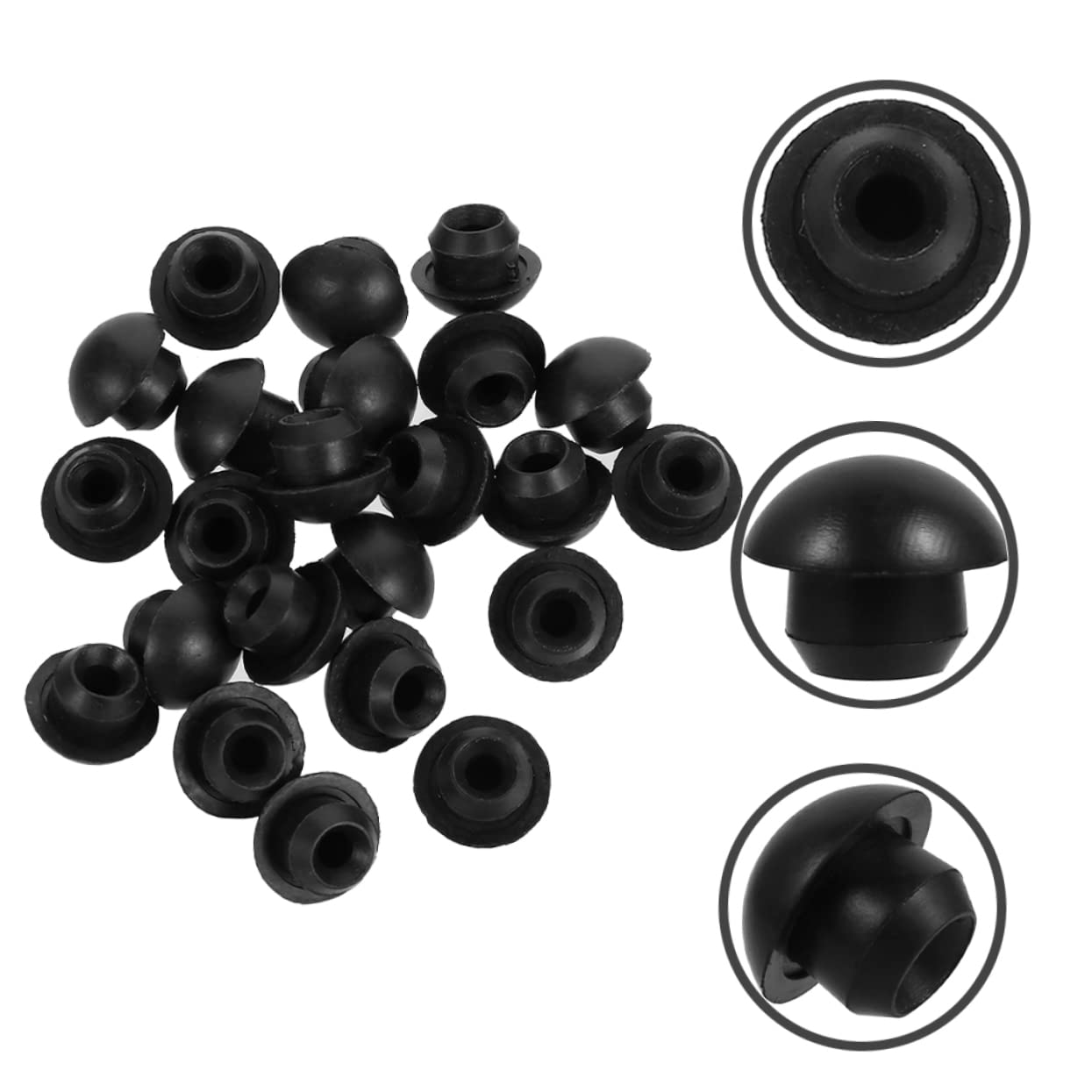
Credit: www.amazon.com
Installing The New Rubber Plug
Installing the new rubber plug on your floor jack is a simple but important step. The plug helps keep dust and dirt out of the jack’s mechanism. This protects the jack and helps it last longer. Follow these steps carefully to install the plug correctly.
Aligning The Plug Correctly
Start by checking the shape of the rubber plug. Match it with the hole on the floor jack. The plug should fit snugly without forcing it. Place the plug so its edges line up evenly with the hole. Proper alignment prevents leaks and keeps the jack safe.
Securing The Plug Firmly
Press the rubber plug gently into the hole. Push until it sits flush with the jack surface. Make sure it does not move or wiggle. A firm fit stops dirt from entering and oil from leaking. Double-check the plug by pressing around the edges.
Testing And Maintenance
Testing and maintenance are key steps after installing a rubber plug on a floor jack. They ensure the plug fits well and the jack works safely. Regular checks keep the jack in good condition and avoid damage or accidents.
Checking For Proper Fit
Start by pressing the rubber plug firmly into the jack’s hole. It should sit tight without moving or falling out. Check if the plug covers the hole completely. A loose plug can let dirt or moisture enter. This weakens the jack over time. Try lifting the jack slightly to see if the plug stays in place. If it shifts, remove and reinstall it carefully. A proper fit keeps the jack sealed and safe.
Routine Maintenance Tips
Clean the rubber plug regularly with a damp cloth. Dirt and grime can cause the plug to wear out faster. Avoid using harsh chemicals that damage the rubber. Inspect the plug for cracks or tears every month. Replace it if you find any damage. Also, keep the jack free of dust and grease. This helps the plug last longer. Store the jack in a dry place to prevent rust and rubber decay. Simple care improves the jack’s lifespan and performance.

Credit: lepaystchad.com

Credit: www.walmart.com
Frequently Asked Questions
How Do I Install A Rubber Plug On A Floor Jack?
To install a rubber plug, clean the jack hole first. Align the plug with the hole. Press firmly until it fits snugly. Ensure no gaps remain for a secure seal.
Why Is A Rubber Plug Needed On A Floor Jack?
A rubber plug prevents dirt and debris from entering the jack. It helps maintain hydraulic fluid levels. This ensures smooth jack operation and prolongs its lifespan.
Can I Replace A Damaged Rubber Plug On My Floor Jack?
Yes, damaged plugs should be replaced promptly. Use a compatible rubber plug for your jack model. Replacement ensures proper sealing and safe jack performance.
What Tools Are Required To Install A Rubber Plug?
Typically, no special tools are needed. Clean the area with a cloth. Hand-press the plug firmly into place for a secure fit.
Conclusion
Installing a rubber plug on a floor jack is quick and easy. Follow each step carefully for the best fit. A good seal keeps dirt and moisture out. This helps your floor jack last longer. Keep the plug clean and check it often.
Small actions protect your tools and save money. Now, your floor jack stays ready for any job. Simple care makes a big difference.