If you want to lift your car safely and avoid damage, knowing how to use a floor jack on pinch welds is a must. Pinch welds are the reinforced edges under your car, designed to handle the pressure of lifting.
Using your floor jack incorrectly can cause costly dents or even put you at risk. In this guide, you’ll learn exactly where and how to position your jack for a secure lift. Keep reading to protect your vehicle and make your maintenance tasks easier and safer.

Credit: www.reddit.com
Choosing The Right Floor Jack
Choosing the right floor jack is key to safely lifting your vehicle on pinch welds. The jack must fit the car’s design and support its weight. Using the wrong jack can damage your car or cause accidents.
Understand the different types of floor jacks. Know the weight limits. Use proper attachments to protect the pinch welds. This helps avoid slipping or bending the metal.
Types Of Floor Jacks
There are three main types of floor jacks: hydraulic, scissor, and bottle jacks. Hydraulic jacks are common for cars. They lift smoothly and handle heavy weights. Scissor jacks are small and manual. They are good for emergencies. Bottle jacks are strong but tall. They may not fit under low cars. Pick a jack that fits your vehicle’s height and space.
Weight Capacity Considerations
Check the weight capacity before buying a floor jack. The jack must hold more than your car’s weight. Always choose a jack with a higher limit for safety. Overloading a jack can cause it to fail. This leads to dangerous drops and damage. Know your vehicle’s weight from the manual or label.
Jack Pad Attachments
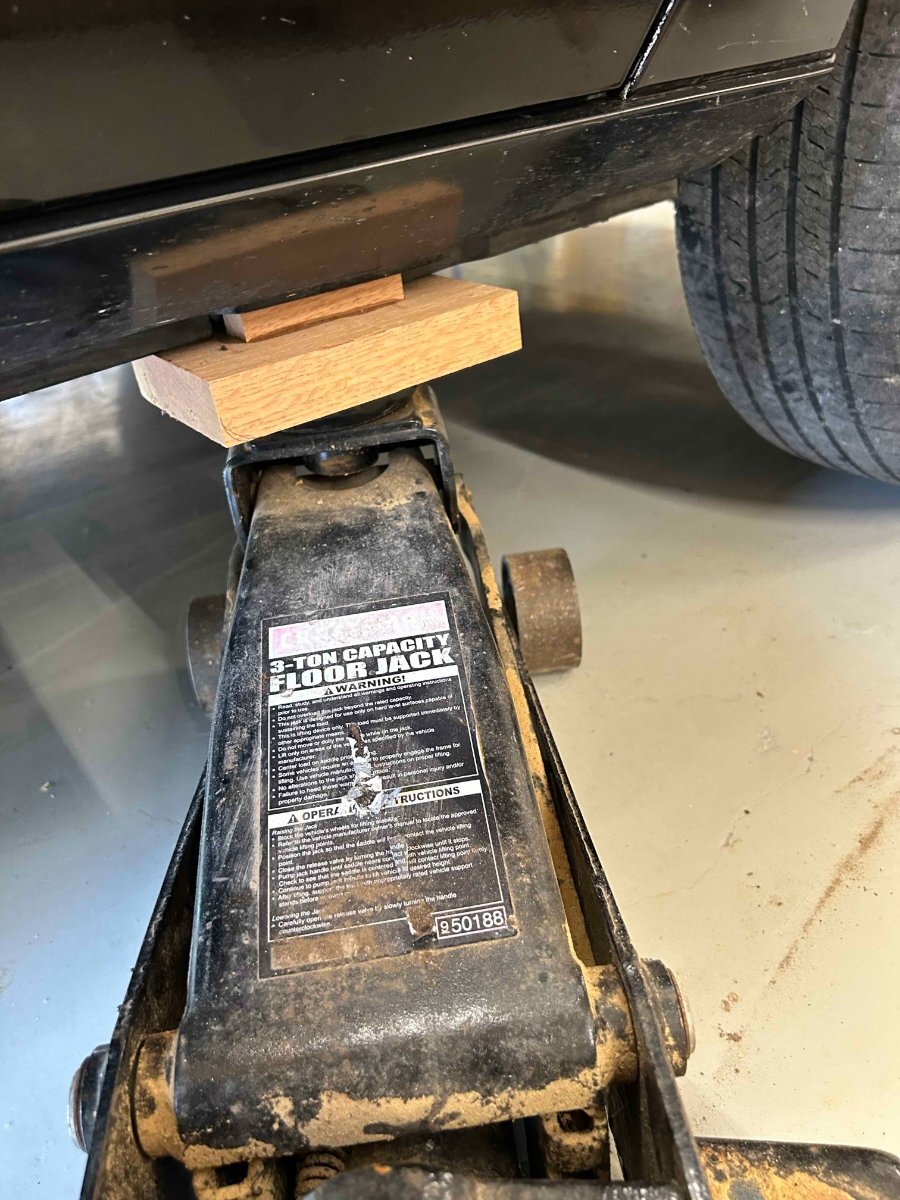
Jack pad attachments protect the pinch welds during lifting. They fit on top of the jack’s lifting arm. These pads prevent metal bending or slipping. Some pads have rubber or plastic covers. They offer extra grip and cushion. Using the right pad keeps your car safe and stable. Avoid placing the jack directly on the pinch weld without a pad.
Credit: reattaowner.com
Identifying Pinch Welds
Identifying pinch welds is the first step to safely using a floor jack. These welds are designed to support your vehicle’s weight during lifting. Knowing how to spot them ensures you place the jack in the right spot. This prevents damage to your car and keeps you safe.
What Are Pinch Welds?
Pinch welds are small seams along the car’s frame. They join two metal panels tightly. These welds form a strong edge made for lifting. Mechanics use pinch welds to raise the vehicle without harming it. They are thinner than the main frame but strong enough to hold weight.
Locating Pinch Welds On Your Vehicle
Check under the car’s side skirts or rocker panels. Look for a raised lip or seam running along the bottom edge. This seam is usually thin and metal. It runs from the front wheel to the rear wheel. Some cars have stickers or marks near the pinch welds. These marks show the exact spot to place the floor jack.
Preparing The Vehicle
Preparing your vehicle before using a floor jack on pinch welds is very important. It keeps you safe and helps the car stay steady. Taking simple steps can stop the vehicle from moving or tipping. This makes the whole process easier and safer.
Follow these steps carefully. They set a strong base for lifting your car properly.
Parking On A Level Surface
Always park your vehicle on flat ground. Avoid slopes or uneven areas. A level surface stops the car from rolling or shifting. This makes the jack work better and safer. If the ground is soft, use a sturdy board under the jack.
Engaging The Parking Brake
Set the parking brake firmly. This locks the rear wheels in place. It helps prevent the car from moving while you lift it. Check that the brake is tight before using the jack. Never rely on the brake alone. Combine it with wheel chocks for extra security.
Using Wheel Chocks
Place wheel chocks in front of and behind the wheels that stay on the ground. This stops the car from rolling forward or backward. Use strong chocks made of rubber or wood. Position them close to the tires for the best hold. This step adds safety before you jack up the vehicle.
Credit: www.printables.com
Positioning The Floor Jack
Positioning the floor jack correctly is key to lifting your vehicle safely. You must place the jack on strong, stable parts of the car. The pinch welds, located along the car’s frame, are ideal spots. These metal edges can support the car’s weight during lifting. Proper alignment and care protect your car from damage.
Aligning With Pinch Welds
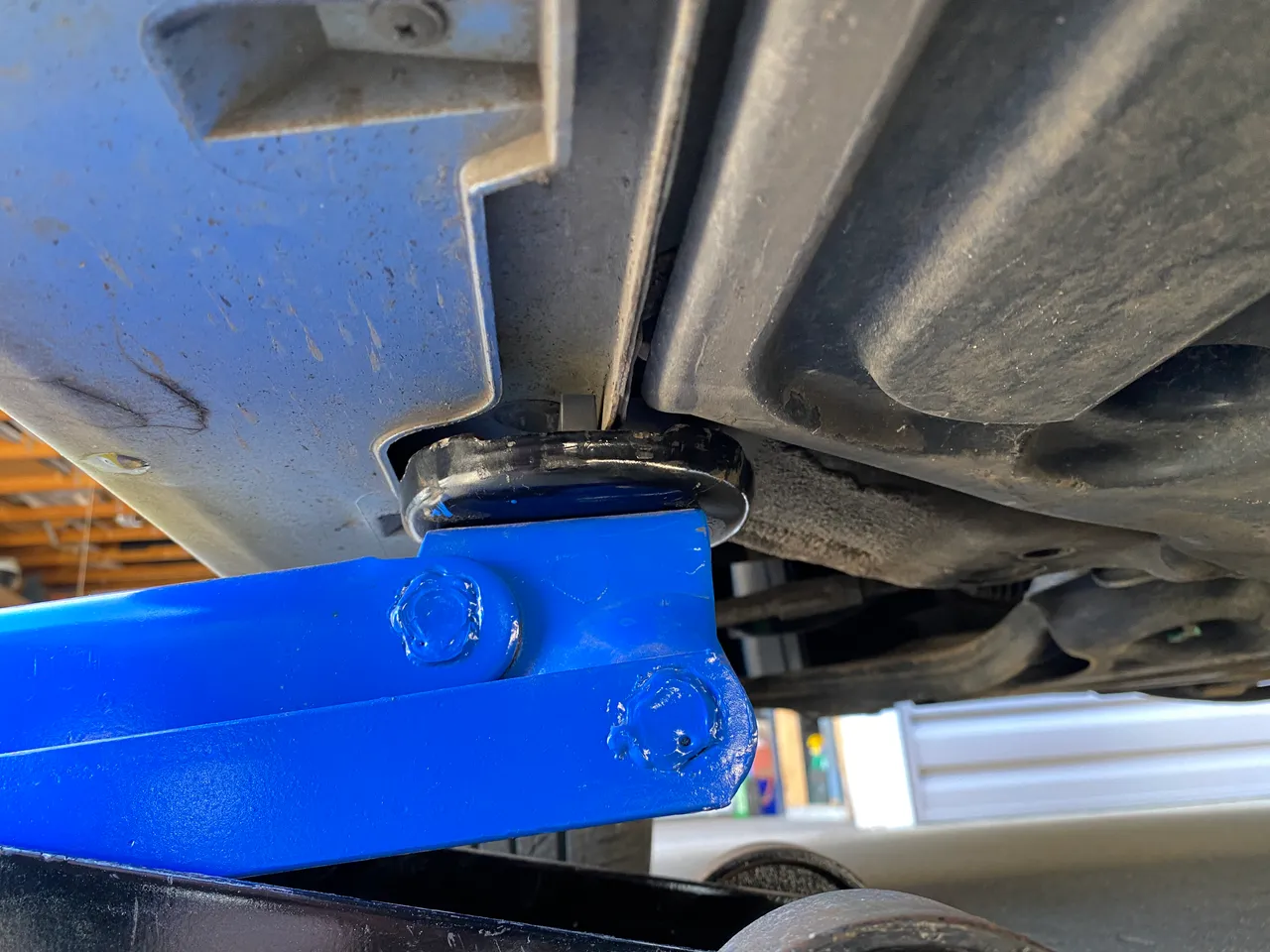
Start by finding the pinch welds along the car’s side. These are thin, raised metal strips near the bottom edge. Position the jack’s saddle directly under the weld. Check that the jack is centered and not touching other parts. This ensures a steady lift and prevents slipping.
Using Protective Pads
Place a rubber or plastic pad between the jack and the pinch weld. This pad cushions the metal and stops scratches or dents. It also helps spread the pressure evenly. Protective pads keep your car’s frame safe during lifting.
Avoiding Damage To The Vehicle
Never place the jack on plastic trim or fragile parts. Avoid lifting near fuel lines or brake cables. Always lift on the reinforced pinch welds only. Slowly raise the jack and watch for any bending or movement. Proper positioning prevents costly repairs and keeps you safe.
Lifting The Vehicle Safely
Lifting a vehicle safely is the first step in any repair or maintenance task. Using a floor jack on pinch welds requires care to avoid damage or accidents. Follow precise steps to raise the car steadily and securely. Keep your focus on control and stability throughout the process.
Operating The Jack Handle
Start by placing the jack handle into the pump socket. Pump the handle up and down with slow, steady movements. Avoid quick or jerky motions to keep control. This action raises the jack arm toward the pinch weld point under the car. Make sure the handle fits well and does not slip during use.
Raising The Vehicle Slowly
Lift the vehicle in small increments by pumping the handle gently. Watch the car as it rises to catch any shifts or tilts. Stop raising if you feel resistance or hear unusual noises. Slow lifting helps prevent sudden shifts that could harm the car or you. Patience is key to a safe lift.
Checking Stability
Once the vehicle reaches the desired height, check if it sits stable on the jack. Gently shake the car to test its balance. The pinch weld should fit securely on the jack saddle without slipping. Use jack stands to support the vehicle after lifting for extra safety. Never rely on the floor jack alone during work.
Securing The Vehicle
Securing the vehicle is the most important step before using a floor jack on pinch welds. It keeps you safe and stops the vehicle from moving. Proper safety measures protect both you and the car during the lifting process. Take your time and make sure the vehicle stays steady.
Using Jack Stands
Always place jack stands under the vehicle after lifting it. Jack stands hold the car firmly in place. Set the stands on solid ground near the pinch welds or the vehicle’s frame. Lower the car slowly onto the stands. Never work under a car supported only by a jack.
Double-checking Stability
After setting the jack stands, check the vehicle’s balance. Gently rock the car to see if it moves. If it shifts or feels unstable, reposition the stands. Stability prevents accidents and ensures safe working conditions. Take extra seconds to verify the security.
Never Relying Solely On The Jack
A floor jack only lifts the vehicle. It is not made to hold it for long periods. Always use jack stands before working underneath the car. The jack can fail or lose pressure without warning. Safety depends on using the right tools together.
Lowering The Vehicle
Lowering the vehicle after using a floor jack on pinch welds needs care. It keeps you and the vehicle safe. Take your time during this step. Never rush or leave the vehicle unstable.
Removing Jack Stands
First, check that the area around the vehicle is clear. Slowly remove the jack stands supporting the vehicle. Use both hands to lift them carefully. Keep the floor jack in place to hold the vehicle steady. Do not let the vehicle drop suddenly.
Lowering The Jack Slowly
Turn the jack handle slowly to lower the vehicle. Do this step gently to avoid damage. Watch the vehicle as it comes down. Stop if it feels uneven or unstable. Lower it until the wheels touch the ground fully.
Final Safety Checks
After lowering, remove the jack completely. Check the vehicle sits evenly on the ground. Test by gently pushing the vehicle to see if it moves. Ensure the parking brake is on. Confirm all tools are removed before driving.
Common Mistakes To Avoid
Using a floor jack on pinch welds needs care and attention. Many make simple mistakes that cause damage or accidents. Knowing what to avoid helps keep you and your vehicle safe. Here are common errors to watch out for.
Incorrect Jack Placement
Placing the jack in the wrong spot can bend or break your car’s pinch welds. Always find the exact pinch weld point. Check your vehicle’s manual for the right location. Avoid placing the jack on rusted or weak areas. This prevents damage and keeps the vehicle stable.
Ignoring Vehicle Stability
Never lift the car without making sure it is stable. Use wheel chocks to block the wheels on the ground. Lift the car on a flat, solid surface only. Avoid soft ground or slopes. Unstable vehicles can fall and cause serious injuries.
Overloading The Jack
Each floor jack has a weight limit. Exceeding this can cause the jack to fail. Know your vehicle’s weight and choose a jack with a higher capacity. Do not lift more than the jack’s maximum rating. Overloading puts you and your car at risk.
Maintenance Tips For Floor Jacks
Proper care of your floor jack ensures it works safely and lasts longer. Regular maintenance prevents problems during use. It also keeps lifting smooth and reliable.
Regular Inspections
Check your floor jack before every use. Look for cracks, leaks, or rust on the body. Inspect the wheels and handle for damage. Make sure the jack lifts and lowers smoothly. Catching issues early avoids accidents.
Lubrication And Cleaning
Keep moving parts well-lubricated to reduce wear. Use light machine oil on the wheels, hinges, and pump. Clean dirt and grease from the jack after each use. Wipe it with a clean cloth and mild detergent. This stops dirt from building up and causing damage.
Storage Recommendations
Store the floor jack in a dry, clean place. Avoid damp areas that cause rust. Lower the jack fully before storing to protect the hydraulic system. Cover it with a cloth or plastic sheet to keep dust off. Proper storage extends the jack’s life.
Frequently Asked Questions
What Is A Pinch Weld On A Vehicle?
A pinch weld is a seam where two metal panels are joined by folding and welding. It provides a strong lifting point for jacks.
Can I Use A Floor Jack On Pinch Welds Safely?
Yes, you can safely use a floor jack on pinch welds if you place the jack pad correctly under the weld seam.
How Do I Locate Pinch Welds For Jack Placement?
Pinch welds run along the vehicle’s frame edges, usually beneath the doors. Look for a raised seam or groove.
What Precautions Should I Take When Jacking On Pinch Welds?
Use a jack pad or adapter to avoid damage. Lift slowly and ensure the jack is stable before raising the vehicle.
Conclusion
Using a floor jack on pinch welds keeps your vehicle safe and stable. Always place the jack carefully under the pinch weld to avoid damage. Check the jack’s position before lifting the car. Take your time and lift slowly. This method helps protect your car’s frame and makes maintenance easier.
Practice these steps to feel confident and work safely every time. Simple actions can prevent costly repairs and keep your vehicle in good shape.