Have you ever struggled to remove an adhesive hook from your wall without leaving sticky residue or damaging the paint? You’re not alone.
Those hooks are great for hanging things, but getting them off can be tricky. You’ll discover simple, effective methods to remove adhesive hooks quickly and safely. Whether you want to redecorate or just clean up, these tips will save your walls and your time.
Keep reading to learn how to make those stubborn hooks disappear without a trace.
Types Of Adhesive Hooks
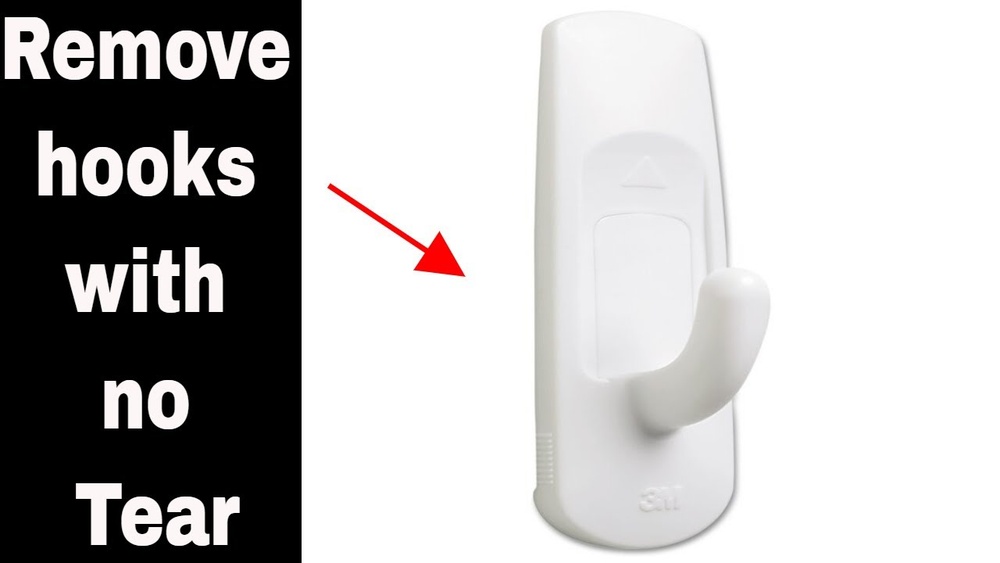
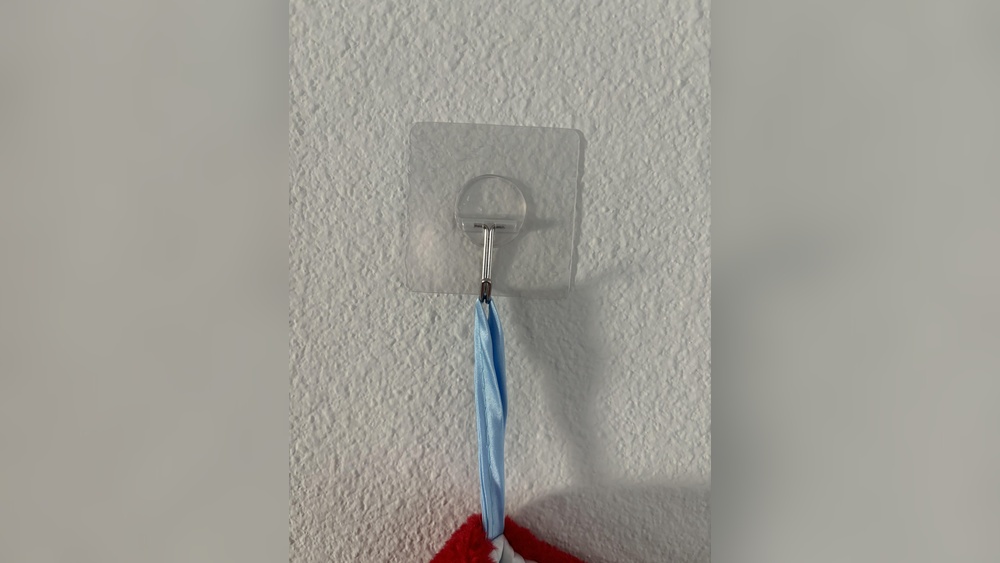
Adhesive hooks are popular for hanging items without nails or drills. They stick directly to walls and come in various types. Knowing the types helps remove them without damage.
Common Materials
Adhesive hooks often use plastic or metal for the hook part. The adhesive backing is usually a sticky tape or gel. Some hooks have a foam pad for better grip. Plastic hooks are lightweight and cost-effective. Metal hooks offer more strength and durability. Different materials affect how the hook sticks and how to remove it.
Strength Variations
Adhesive hooks vary in strength based on their design. Light-duty hooks hold small items like keys or towels. Medium-duty hooks support heavier things like bags or kitchen tools. Heavy-duty hooks can hold weights up to several pounds. The adhesive type also affects strength. Strong adhesives may need careful removal to avoid wall damage.

Credit: www.reddit.com
Tools Needed For Removal
Removing an adhesive hook from a wall requires the right tools. Having the correct items makes the process easier. It also helps protect your wall from damage. Some tools are common household items. Others are specialized tools made for this purpose. Knowing what you need saves time and effort.
Household Items
Many adhesive hooks can be removed using simple household items. A hairdryer helps soften the glue. Warm air loosens the adhesive for easier removal. A plastic card, like a credit card, helps pry the hook gently. Avoid metal tools to prevent wall damage. A clean cloth is useful to wipe away residue. Rubbing alcohol or vinegar can remove sticky marks. These items are easy to find and safe to use.
Specialized Tools
Some hooks need special tools for removal. A putty knife or scraper works well to lift stubborn hooks. It has a thin edge to slide under the adhesive. Adhesive remover gels or sprays dissolve glue quickly. These products reduce pulling and wall damage. A heat gun offers stronger heat than a hairdryer. Use it carefully to avoid burns or damage. These tools make removal faster and cleaner.
Step-by-step Removal Process
Removing an adhesive hook from a wall can be simple. Follow these clear steps for a clean removal. This process helps protect your wall from damage. It also makes sure no sticky residue stays behind. Take your time and work carefully.
Loosening The Adhesive
Start by gently warming the adhesive with a hairdryer. Hold the dryer a few inches away from the hook. Heat softens the glue and makes it easier to remove. Move the dryer in small circles for about one minute. Avoid overheating to protect the paint or wallpaper.
Peeling Off The Hook
Once the adhesive feels softer, slowly lift the hook’s edge. Use your fingers or a plastic card to pry it up gently. Pull the hook straight off the wall. Avoid pulling it at an angle to prevent wall damage. Take your time to keep the surface intact.
Cleaning Residue
Check the wall for leftover sticky spots. Apply a small amount of rubbing alcohol or adhesive remover on a cloth. Gently rub the residue until it disappears. Wipe the area with a clean, damp cloth to remove cleaner traces. Let the wall dry completely before adding new decor.

Credit: www.youtube.com
Damage Prevention Tips
Removing adhesive hooks can damage walls if not done carefully. Use the right tips to avoid marks and protect your paint or wallpaper. Small steps make a big difference in keeping your walls safe and clean.
Avoiding Wall Marks
Peel the hook slowly. Pulling too fast can tear paint or drywall. Heat the adhesive with a hairdryer first. Warm glue softens and peels easier. Use a plastic card to lift edges gently. Avoid metal tools that can scratch the surface.
Protecting Paint And Wallpaper
Test a small area before removing the hook. Some adhesives stick stronger on painted or wallpapered walls. Use rubbing alcohol or adhesive remover sparingly. Dab gently to avoid damage. Keep the wall dry after removal to prevent peeling or bubbling. Take your time; patience protects your wall’s finish.
Alternative Removal Methods
Removing an adhesive hook can be tricky. Sometimes, pulling it off damages the paint or wall surface. Alternative removal methods help to avoid this problem. These methods make the adhesive softer or easier to remove. They protect your wall and keep it clean.
Heat Application
Heat softens the glue behind the hook. Use a hairdryer on low or medium heat. Hold it a few inches away from the hook. Warm the area for about 30 seconds. Then, gently pull the hook from the wall. The heat makes the adhesive less sticky. This method reduces the chance of paint peeling.
Using Solvents
Solvents break down the adhesive’s hold. Rubbing alcohol or nail polish remover works well. Apply a small amount to a cotton ball or cloth. Dab it around the base of the hook. Let it sit for a few minutes. The glue will start to soften. Slowly lift the hook off the wall. Clean the leftover residue with the solvent. Always test solvents on a small wall spot first.
When To Seek Professional Help
Removing an adhesive hook from a wall can be simple. But some situations need expert help. Knowing when to call a professional saves time and prevents damage.
Here are signs that show it is best to seek professional help for removing adhesive hooks.
Damage To Wall Surface
If the wall paint peels or the surface cracks while removing the hook, stop. This damage may need repair skills. Professionals know how to fix walls without making it worse.
Strong Or Old Adhesive
Some adhesives bond very tightly or have been on the wall for years. They can be hard to remove without tools. Experts have the right tools and chemicals to remove tough adhesives safely.
Delicate Wall Materials
Walls made of plaster, wallpaper, or textured finishes require care. Removing hooks from these surfaces can cause tears or marks. Professionals understand the best methods for delicate walls.
Large Or Heavy Hooks
Big hooks or heavy items may cause bigger holes or damage when removed. Handling these properly needs skill and care. Experts can remove them cleanly and fix any damage.
Time Constraints Or Lack Of Tools
Sometimes, there is no time to deal with tricky hooks. Or the right tools are missing. Hiring a professional saves effort and ensures a safe removal process.
Preventing Future Adhesive Issues
Preventing future problems with adhesive hooks helps keep walls safe and clean. Using the right hook and installing it properly reduces damage and keeps hooks strong. Small steps taken before installation save time and effort later.
Choosing The Right Hook
Select hooks made for your wall type. Some hooks work better on smooth surfaces, others on textured walls. Check the weight limit on the package. Use hooks designed for the items you want to hang. Avoid heavy loads on small adhesive hooks to prevent falls and marks.
Proper Installation Techniques
Clean the wall surface well before sticking the hook. Use rubbing alcohol to remove dirt and oils. Let the wall dry completely. Press the hook firmly for 30 seconds to set the adhesive. Avoid placing hooks on fresh paint or damp walls. Wait 24 hours after installation before hanging anything. This helps the adhesive bond tightly.
Credit: www.youtube.com
Frequently Asked Questions
How Do I Safely Remove An Adhesive Hook From The Wall?
To remove an adhesive hook safely, gently pull the tab on the adhesive strip downward. Do this slowly to avoid damaging the paint or wall surface.
Can Heat Help In Removing Adhesive Hooks?
Yes, applying mild heat with a hairdryer softens the adhesive. This makes it easier to peel the hook off without leaving residue.
What If The Adhesive Hook Leaves Residue On The Wall?
Use rubbing alcohol or an adhesive remover to clean residue. Apply gently with a cloth to avoid wall damage.
Will Removing Adhesive Hooks Damage Painted Walls?
If removed correctly, adhesive hooks usually won’t damage painted walls. Always pull the adhesive strip slowly and avoid forceful peeling.
Conclusion
Removing adhesive hooks from walls does not have to be hard. Use gentle heat or oil to loosen the glue. Pull slowly to avoid damage. Clean any leftover sticky residue carefully. Take your time and be patient. Small steps protect your wall’s surface well.
This way, your walls stay clean and smooth. Keep these tips handy for future use. Easy and safe removal is possible for anyone.