Have you ever tried to remove a plastic wall hook only to end up with damaged paint or sticky residue? You’re not alone.
These little hooks can be stubborn, leaving you frustrated and unsure of the best way to get them off cleanly. But don’t worry—removing plastic wall hooks doesn’t have to be a hassle. In this guide, you’ll discover simple, effective methods that protect your walls and make the process quick and painless.
Keep reading, and you’ll learn how to say goodbye to those hooks without any mess or stress.
Types Of Plastic Wall Hooks
Plastic wall hooks come in different types. Each type sticks or attaches to walls in unique ways. Knowing the type helps in removing them safely. Some hooks use glue, some use suction, and others need nails or screws. Here are common types of plastic wall hooks.
Adhesive Hooks
Adhesive hooks use sticky glue to hold on walls. They are easy to put up without tools. The glue is strong but can peel off paint if removed roughly. These hooks are good for light items and smooth surfaces.
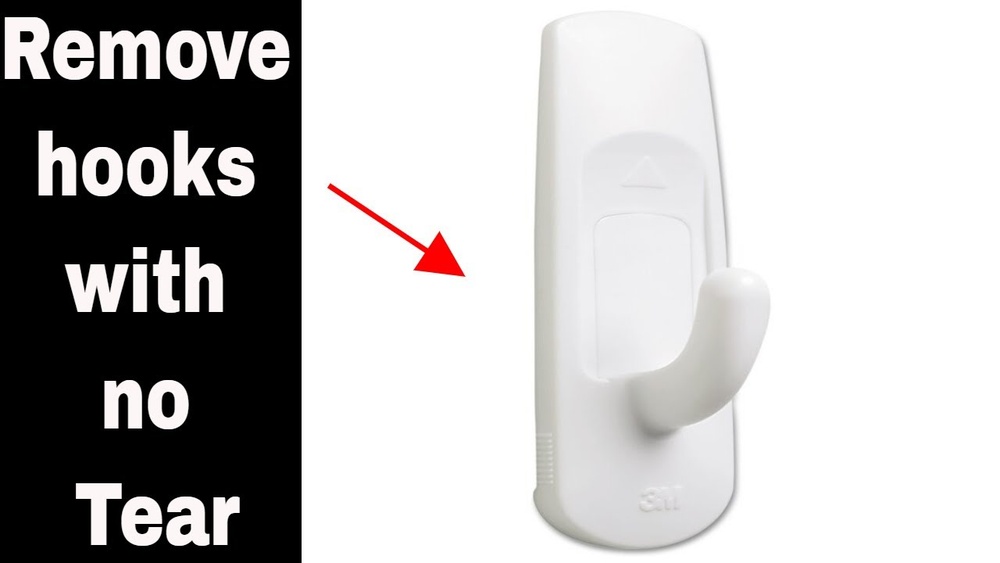
Command Strips
Command strips are a popular type of adhesive hook. They have a special tab for easy removal. The strips stretch to release the glue without damage. These hooks hold well on clean, dry walls. They are perfect for renters or temporary use.
Suction Hooks
Suction hooks stick by creating a vacuum on smooth surfaces. They work best on glass, tiles, or mirrors. No glue or nails are needed. These hooks can fall off if the surface is wet or dirty. They hold light to medium weight items.
Nail Or Screw Hooks
Some plastic hooks attach with nails or screws. They make strong, lasting holds on walls. Removing them leaves small holes that need patching. These hooks are good for heavy items or permanent use. Tools like hammers or screwdrivers are needed to install or remove.

Credit: diy.stackexchange.com
Tools You’ll Need
Removing plastic wall hooks needs the right tools for a smooth process. Having these tools ready saves time and stops damage to your walls. Each tool plays a special role in making the removal easy and clean.
Hairdryer Or Heat Gun
Heat softens the glue that sticks the hook to the wall. A hairdryer works well by blowing warm air on the hook. A heat gun is stronger but needs careful use. Warm the hook for a few minutes to loosen the adhesive.
Dental Floss Or Fishing Line
Dental floss or fishing line helps cut through the glue gently. Slide it behind the hook and move it back and forth. This action separates the hook from the wall without pulling hard. It is a safe and quiet way to remove hooks.
Rubbing Alcohol
Rubbing alcohol cleans up leftover sticky glue on the wall. Dab some on a cloth and rub the sticky parts. It dissolves the glue without harming paint or wallpaper. This step makes the wall smooth and ready for new decorations.
Plastic Scraper Or Credit Card
A plastic scraper or old credit card helps lift the hook edges. Use it gently to avoid scratches or dents. It works well to remove bits of glue stuck on the wall. This tool is easy to handle and safe for most surfaces.
Removing Adhesive Hooks
Removing adhesive hooks from walls requires care to avoid damage. These hooks stick tightly but can be taken off with the right method. Patience helps. Follow simple steps to remove them cleanly and safely.
Heat The Adhesive
Use a hair dryer to warm the hook’s base. Heat softens the glue, making removal easier. Hold the dryer a few inches away. Move it in circles for about 30 seconds. The adhesive becomes less sticky with warmth.
Peel Off Slowly
Start peeling the hook from one edge. Pull gently and slowly to avoid wall damage. If the hook resists, apply more heat. Stretch the adhesive as you pull. This reduces the chance of paint peeling.
Clean Residue
After removing the hook, some glue may remain. Use rubbing alcohol or a mild cleaner to wipe it off. Apply with a soft cloth. Rub gently until the residue disappears. The wall will look clean and smooth again.

Credit: www.reddit.com
Detaching Command Strips
Detaching Command strips is a simple way to remove plastic wall hooks without damage. These strips hold strong but come off cleanly when pulled the right way. Proper removal helps keep your walls smooth and paint intact.
Stretch The Strip
Hold the plastic wall hook firmly. Find the exposed end of the Command strip. Slowly pull the strip straight down. Stretch it along the wall, not away. Stretching breaks the adhesive bond safely.
Avoid Pulling Upwards
Do not pull the strip upwards or outwards. Pulling wrong can damage paint or drywall. Always pull the strip downward, close to the wall. This method reduces the risk of wall damage.
Wipe Wall Clean
After removing the strip, check the wall. Use a soft cloth to wipe any residue. Mild soap and water can clean sticky spots. Let the wall dry before adding new hooks or decorations.
Taking Off Suction Hooks
Suction hooks stick to walls using a vacuum seal. Removing them carefully keeps your walls safe and undamaged. Follow simple steps to take off suction hooks without leaving marks or holes.
Break The Seal
Start by breaking the suction seal. Gently pull the small tab or edge of the suction cup. This lets air in and releases the hook from the wall. Avoid pulling hard to stop damage to the surface.
Lift Gently
Once the seal breaks, lift the hook slowly. Use your fingers to ease it away from the wall. Do not yank or twist, which can peel paint or leave sticky marks.
Dry The Surface
After removing the hook, dry the wall surface. Use a soft cloth to wipe away moisture. This prevents water stains and keeps the wall clean for future use.
Removing Nail Or Screw Hooks
Removing nail or screw hooks from walls needs care. These hooks leave small holes or marks. Fixing these marks will keep your wall smooth and clean. Follow simple steps to remove hooks without damaging your wall.
Unscrew Carefully
Use a screwdriver that fits the screw head well. Turn the screw slowly to avoid damage. Keep the wall steady with your other hand. If the screw is tight, try a little oil to loosen it. Pull the hook gently after unscrewing.
Fill Small Holes
Use wall filler or spackling paste for tiny holes. Apply a small amount with a putty knife. Press the filler into the hole and smooth the surface. Let it dry completely before touching the area. This step hides holes and prepares the wall for painting.
Smooth And Paint
Lightly sand the filled area to make it even. Use fine-grit sandpaper for a smooth finish. Wipe away dust with a clean cloth. Match the wall color with paint. Apply paint with a small brush for a neat look.
Tips To Prevent Wall Damage
Removing plastic wall hooks without causing damage can be tricky. Walls are delicate and need gentle care. Simple steps can protect your paint and drywall. These tips help keep your walls looking clean and smooth after hook removal.
Follow these easy guidelines to avoid holes, peeling paint, or marks. Small efforts make a big difference in wall care.
Use Appropriate Hooks
Choose hooks that suit your wall type. Lightweight hooks work well on drywall. Heavy-duty hooks may need anchors or screws. Using the right hook reduces the chance of damage. Check the weight limit before buying. Proper hooks stick firmly and remove easily.
Follow Removal Instructions
Read the instructions carefully before removing hooks. Some hooks peel off with slow, steady pulling. Others need heat to soften the adhesive. Avoid yanking or twisting quickly. Gentle removal helps keep paint and plaster intact. Use tools like dental floss or a hairdryer if advised.
Test In Hidden Areas
Try the hook and removal method on a hidden spot first. This shows if the adhesive harms the paint. Testing avoids surprises on visible walls. If damage occurs, try a different removal technique. Small tests save walls from costly repairs.
Credit: www.reddit.com
Cleaning And Repairing Walls After Removal
After removing plastic wall hooks, the wall often needs cleaning and repair. Leftover adhesive and small holes can make your walls look untidy. Taking a few simple steps will restore your wall’s smooth surface. This process helps keep your space neat and ready for new decorations.
Remove Sticky Residue
Sticky residue often stays after pulling off plastic hooks. Use a cloth soaked in warm, soapy water to wipe the area. For tougher glue, try rubbing alcohol or a commercial adhesive remover. Gently rub until the sticky spots disappear. Avoid harsh scrubbing to protect the paint.
Patch Small Holes
Plastic hooks often leave tiny holes in the wall. Fill these holes with spackling paste or wall filler. Use a putty knife to spread the paste evenly. Let it dry fully before sanding it smooth. This step creates a flat surface, ready for painting or wallpaper.
Repaint If Necessary
After patching, some walls may need a fresh coat of paint. Choose paint that matches the wall color closely. Apply a thin, even layer to cover patches and marks. Allow the paint to dry well before touching the wall. Repainting keeps your walls looking fresh and clean.
Frequently Asked Questions
How Do I Safely Remove Plastic Wall Hooks?
To safely remove plastic wall hooks, gently pull the hook while holding the base. Use a hairdryer to soften adhesive if needed. Avoid excessive force to prevent wall damage.
What Tools Help Remove Plastic Wall Hooks Easily?
Common tools include a hairdryer, dental floss, and a plastic card. Heat softens adhesive, floss slides behind hooks, and cards help pry without damage.
Can Removing Plastic Wall Hooks Damage My Wall?
Yes, improper removal can peel paint or damage drywall. Use gentle heat and slow, steady pulling to minimize damage and preserve your wall’s surface.
How Do I Remove Adhesive Residue After Hook Removal?
Use rubbing alcohol or adhesive remover on a soft cloth. Gently rub the residue until it dissolves. Avoid harsh scrubbing to protect the wall finish.
Conclusion
Removing plastic wall hooks does not have to be hard. Use gentle heat or tape to peel them off carefully. Avoid damaging your walls by taking your time. Clean any leftover residue with soap and water. Small steps lead to smooth walls again.
Now, your space looks neat and ready for new decor. Simple methods save both time and effort. Try these tips next time you remove hooks. Your walls will thank you.