Are you struggling to find the best way to hook your power strip to a concrete wall? You’re not alone.
Mounting a power strip securely can save you space, keep your cords organized, and prevent accidents. But concrete walls aren’t always easy to work with. Don’t worry—this guide will show you simple, effective steps to get the job done right.
Keep reading, and you’ll learn how to make your workspace safer and tidier in no time.

Credit: www.amazon.com
Tools And Materials Needed
Preparing to mount a power strip on a concrete wall requires the right tools and materials. Choosing suitable items ensures a secure and safe installation. It also saves time and effort during the process.
This section covers everything needed for a smooth setup. From selecting the power strip to picking anchors and screws, plus the essential tools to get the job done.
Selecting The Right Power Strip
Pick a power strip that fits your needs and space. Look for one with mounting holes or brackets. This feature makes wall attachment easier and more stable.
Choose a strip with enough outlets for your devices. A strip with a built-in circuit breaker adds safety. Avoid bulky designs that may not sit flush against the wall.
Choosing Anchors And Screws
Concrete walls need special anchors to hold screws firmly. Use plastic or metal anchors designed for masonry. These anchors prevent screws from loosening over time.
Select screws that match the anchor size. Screws should be long enough to penetrate the anchor fully. Avoid using nails or regular screws not made for concrete.
Essential Tools For Installation
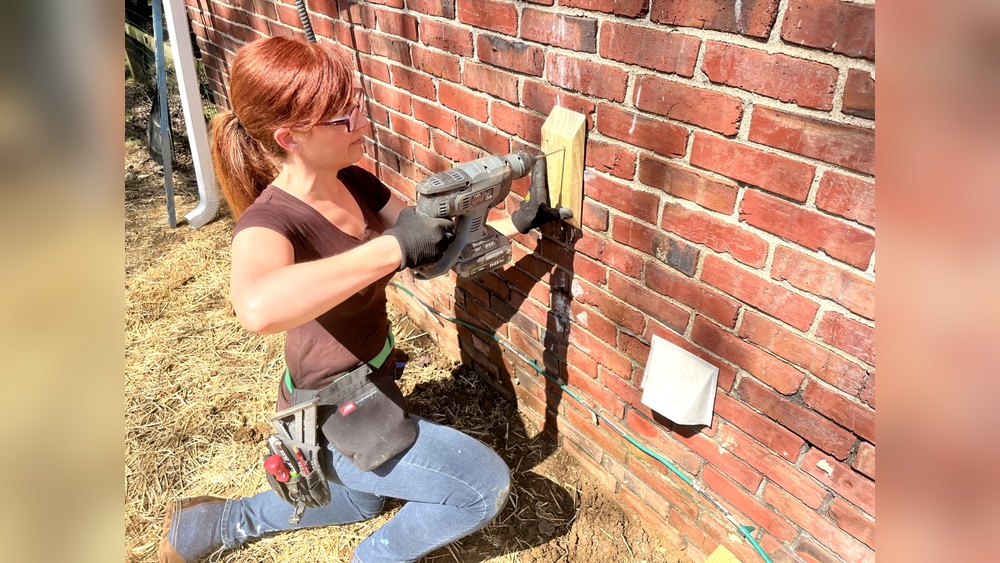
Gather basic tools before starting. A hammer drill with a masonry bit is best for drilling holes in concrete. A screwdriver or drill driver helps tighten screws securely.
Have a measuring tape and pencil to mark spots accurately. A level ensures the power strip hangs straight. Safety glasses protect your eyes from dust and debris.
Preparing The Concrete Wall
Preparing the concrete wall is the first step to hook a power strip safely. A clean and marked wall makes installation easier and more secure. Taking time to prepare helps avoid mistakes and damage later.
Cleaning The Surface
Start by removing dust and dirt from the wall. Use a brush or cloth to clean the area well. A clean surface helps the mounting tools stick better. Avoid wetting the wall too much. Let the wall dry completely before moving on.
Marking Mounting Points
Measure the power strip to find the right spots for screws. Use a pencil to mark these points on the wall. Make sure marks are level and spaced correctly. Double-check the marks before drilling. Clear marks guide you for accurate drilling and mounting.
Drilling Into Concrete
Drilling into concrete can seem tough. It needs the right tools and care. Concrete is hard and dense. Using normal drill bits can damage both the bit and the wall. Proper drilling ensures a strong hold for your power strip. It helps avoid cracks or loose fittings. Focus on the drill bit and drilling method for best results.
Choosing The Correct Drill Bit
Use a masonry drill bit for concrete. These bits have a special tip. The tip is often made of carbide. It can cut through hard surfaces. Avoid standard metal bits. They wear out quickly and break. Pick a bit size that matches your wall plugs. The right size keeps the power strip secure. Check the drill bit condition before starting. A dull bit makes drilling harder and less safe.
Drilling Safe And Accurate Holes
Mark the spots clearly on the wall. Use a pencil or tape to guide you. Wear safety glasses to protect your eyes. Hold the drill steady and start slowly. Apply gentle pressure, let the bit do the work. Drill straight to avoid angled holes. Keep the drill perpendicular to the wall. Pause to remove dust from the hole. Dust can stop the drill and weaken grip. Clean holes hold anchors better. Use a vacuum or brush to clear dust before fixing the power strip.
Credit: www.youtube.com
Installing Anchors
Installing anchors is a key step to secure your power strip to a concrete wall. Anchors hold screws tightly in hard surfaces like concrete. They prevent the screws from loosening or pulling out over time. Choosing the right type of anchor and placing it properly ensures a strong hold. This guide explains the types of concrete anchors and how to place them correctly.
Types Of Concrete Anchors
Concrete anchors come in several types. Expansion anchors expand inside the hole to grip the wall firmly. Sleeve anchors have a sleeve that expands when you tighten the screw. Wedge anchors work by pushing a wedge into the concrete, creating a strong hold. Tapcon screws are special screws made for concrete. They cut threads into the hole as you drive them in. Choose the anchor type based on the weight of the power strip and wall condition.
Proper Anchor Placement
Mark the spot on the wall where you want to place the power strip. Use a level to keep the marks straight. Drill holes using a hammer drill and the right size bit for your anchors. Drill deep enough for the whole anchor to fit. Clear dust from the holes using a brush or air blower. Insert anchors fully and tap them lightly to fit snugly. Screw the power strip bracket into the anchors carefully. Tighten screws until secure but avoid over-tightening to prevent damage.
Mounting The Power Strip
Mounting the power strip on a concrete wall keeps your space tidy and safe. It stops cords from tangling and reduces the risk of tripping. The process involves careful placement and secure fastening to ensure stability. Follow these steps to mount your power strip firmly on the wall.
Aligning The Power Strip
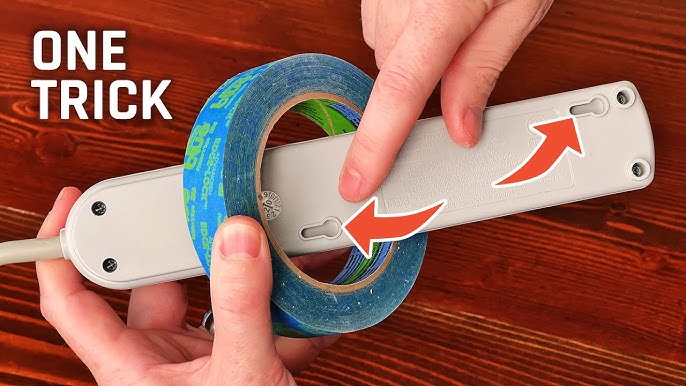
Start by choosing the best spot on the concrete wall. Hold the power strip against the wall at this spot. Make sure it is straight and easy to reach. Use a pencil to mark the holes on the wall through the mounting slots. Check the marks before drilling. Proper alignment makes the power strip look neat and work well.
Securing With Screws
Drill holes at the marked spots using a masonry bit. Insert wall anchors into the holes for a strong hold. Place the power strip back on the wall. Insert screws through the mounting holes into the anchors. Tighten the screws firmly but do not over-tighten. The power strip should feel stable and secure. This setup prevents the strip from falling or moving.

Credit: www.anker.com
Safety Tips And Maintenance
Mounting a power strip on a concrete wall improves organization and accessibility. Safety and proper maintenance are key. They prevent accidents and extend the life of your power strip. Follow these tips to keep your setup secure and functional.
Avoiding Electrical Hazards
Keep the power strip dry at all times. Water and electricity cause serious shocks. Use a power strip with a built-in circuit breaker. This protects against overload and short circuits. Avoid overloading the power strip with too many devices. Check cords for damage before use. Replace frayed or cracked cables immediately. Position the power strip away from heat sources and direct sunlight.
Checking Stability Over Time
Inspect the mounting regularly to ensure it stays firm. Concrete can crack or loosen screws over time. Tighten screws if the power strip feels loose. Use anchors suitable for concrete walls for a secure hold. Ensure the power strip does not hang or pull on cables. Loose mounts can cause damage and create hazards. Regular checks keep your setup safe and reliable.
Frequently Asked Questions
How Do I Mount A Power Strip On Concrete?
Use concrete anchors or screws with wall plugs. Mark holes, drill with a masonry bit, insert anchors, then screw the power strip mount securely.
What Tools Are Needed To Hook Power Strip To Concrete?
You need a drill with a masonry bit, concrete anchors or plugs, screws, a screwdriver, a pencil for marking, and a level for alignment.
Can I Use Adhesive To Mount Power Strip On Concrete?
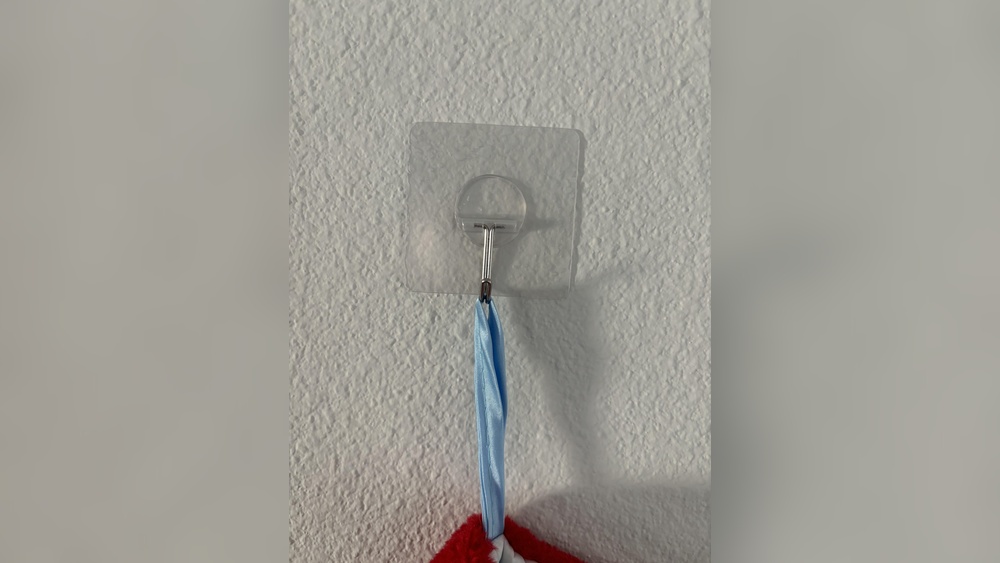
Adhesive can work for lightweight strips but is less secure. For safety and durability, mechanical fasteners like anchors and screws are recommended.
How To Prevent Power Strip From Falling Off Concrete Wall?
Use appropriate anchors for the wall type and ensure screws are tight. Check regularly for looseness and avoid overloading the power strip.
Conclusion
Mounting a power strip on a concrete wall is simple with the right steps. Use proper tools and anchors to keep it secure. Measure carefully before drilling holes. This keeps your workspace neat and safe. A well-fixed power strip helps avoid tangled cords and accidents.
Take your time and follow the instructions closely. Soon, you will have a clean and organized setup. It makes your daily tasks easier and more efficient. Give it a try, and enjoy the tidy space you create.