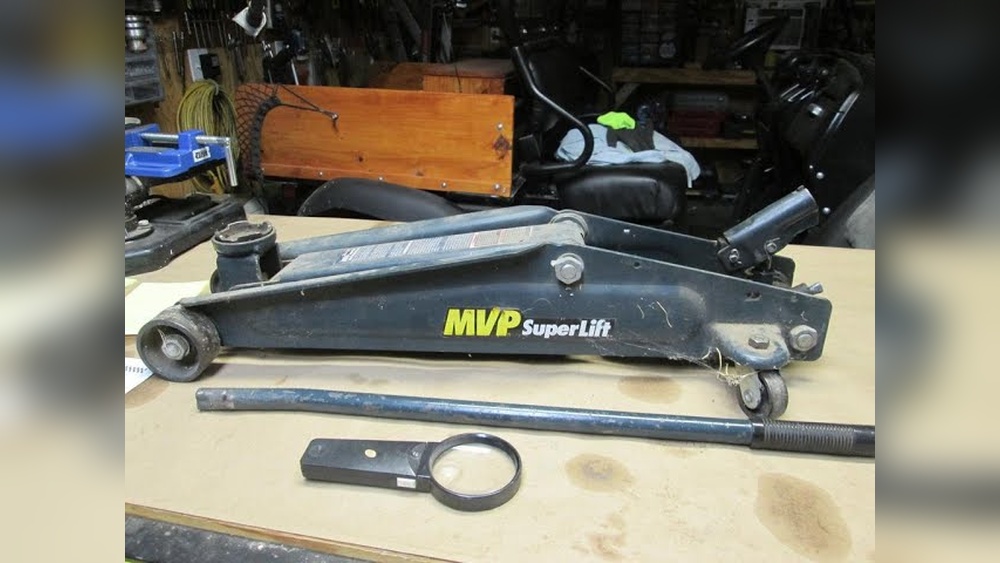
If you’ve never used a floor jack before, the idea might feel a bit intimidating. But don’t worry—lifting your car safely and easily is simpler than you think.
Whether you need to change a tire or check something underneath, knowing how to use a floor jack correctly can save you time, money, and stress. In this guide, you’ll discover clear, step-by-step instructions that make the process straightforward. By the end, you’ll feel confident handling your floor jack like a pro.
Ready to get started? Let’s dive in.
Choosing The Right Floor Jack
Choosing the right floor jack is important for safety and ease of use. Picking a jack that fits your needs helps you lift your vehicle without trouble. This section guides you through the main points to consider before buying a floor jack.
Types Of Floor Jacks
There are several types of floor jacks to choose from. Hydraulic floor jacks use fluid pressure to lift heavy loads. They are common and easy to operate. Scissor jacks are smaller and manual, usually found in car trunks. Bottle jacks look like a bottle and have a strong lifting force but less stability. Pick the type that suits your vehicle size and workspace.
Weight Capacity Considerations
Every floor jack has a weight limit. This limit tells you the maximum load the jack can lift safely. Check your vehicle’s weight before buying a jack. Choose a floor jack with a weight capacity higher than your vehicle’s weight. This ensures safe and stable lifting without risk of damage or accidents.
Materials And Build Quality
The materials used in a floor jack affect its durability and strength. Steel jacks are strong and last longer but can be heavy. Aluminum jacks are lighter and easier to move but may cost more. Look for solid construction and good welding. A well-built jack gives better performance and safety over time.

Credit: www.hustonchevrolet.com
Preparing Your Vehicle
Preparing your vehicle is the first step before using a floor jack. Proper preparation ensures safety and makes the process easier. Follow simple steps to get ready for lifting your car.
Finding A Level Surface
Place your vehicle on a flat, hard surface. Avoid soft ground or slopes. A level surface stops the jack from slipping. This keeps the car steady while you work.
Engaging The Parking Brake
Set your parking brake firmly. This prevents the car from rolling. Always double-check the brake before lifting. Safety comes first during any car maintenance.
Locating Jack Points On The Vehicle
Find the correct jack points on your car. Check the owner’s manual for exact locations. Using the right spot prevents damage to your vehicle. These points are strong enough to hold the car’s weight.
Setting Up The Floor Jack
Setting up the floor jack correctly is the first step to safely lifting your vehicle. Proper setup helps avoid accidents and damage. Follow simple steps to prepare the jack for use.
Inspecting The Jack For Safety
Check the floor jack for any signs of damage or leaks. Make sure the wheels move smoothly. Look for cracks, rust, or worn parts. Never use a jack that looks damaged. Safety is the top priority.
Positioning The Jack Correctly
Place the jack on a flat, solid surface. Avoid soft or uneven ground. Position the jack under the vehicle’s lifting point. Consult the owner’s manual to find the correct spot. This ensures stable lifting and prevents damage.
Adjusting The Saddle
Adjust the saddle to match the vehicle’s lifting point. The saddle is the part that touches the car. Turn the handle or knob to raise or lower it. Make sure it fits snugly under the frame or jack point. A secure fit keeps the vehicle stable.
Lifting The Vehicle Safely
Lifting a vehicle safely is a key step in using a floor jack. It protects you and your car from accidents. You must follow clear steps to ensure the vehicle stays stable. This part explains how to lift your car without risk.
Pumping The Handle
Start by placing the jack under the car’s lifting point. This point is often near the wheel. Pump the handle up and down slowly. Each pump raises the jack a little. Keep pumping until the jack touches the car firmly.
Raising To Desired Height
Continue pumping the handle to raise the car. Stop once the car is high enough for your work. Avoid lifting the car too high. Check the owner’s manual for the correct height limit.
Checking Stability
Before working, check the car’s stability. Gently shake the car to see if it moves. The jack should not shift or tilt. Use jack stands for extra safety if possible. Never rely on the jack alone for support.
Using Jack Stands
Using jack stands is a key step when lifting a vehicle safely. Jack stands hold the car in place after you raise it with a floor jack. They keep the vehicle stable and protect you from accidents. Never rely on a floor jack alone to support a car.
Why Jack Stands Are Important
Jack stands provide solid support under the vehicle. Floor jacks can fail or slip. Jack stands prevent the car from falling. They keep you safe while working under the vehicle. Using jack stands reduces the risk of injury or damage.
Placing Jack Stands Properly
Find the correct lifting points under your car. These are usually near the frame or designated spots. Place the jack stands on a flat, solid surface. Position the stands symmetrically to balance the weight. Make sure the stands touch the vehicle firmly before lowering.
Lowering Vehicle Onto Stands
Slowly lower the vehicle using the floor jack. Stop lowering when the vehicle rests on the stands. Check that the car sits evenly on both stands. Shake the car gently to test stability. Do not work under the car if it feels unstable.

Credit: www.formula1.com
Lowering The Vehicle
Lowering the vehicle after using a floor jack is a critical step. It requires care and attention. Doing it safely prevents accidents and damage to your car. Follow each step slowly and carefully to ensure safety.
Removing Jack Stands
Before lowering, remove the jack stands that support the vehicle. Make sure the floor jack holds the car firmly. Slowly lift the car a little to take the weight off the stands. Then, carefully pull the jack stands out from under the car. Keep the area clear to avoid tripping or slipping.
Slowly Releasing The Jack
Turn the jack’s release valve slowly to lower the vehicle. Do it very gently to avoid sudden drops. Watch the car as it lowers to see if it moves evenly. Stop if the car shifts or feels unstable. Lower the car until it rests fully on the ground.
Final Safety Checks
After the car is down, remove the floor jack from under the vehicle. Check all four tires to ensure the car sits flat. Make sure the parking brake is set to keep the car from rolling. Look under the vehicle for any tools or objects left behind. Safety is the last and most important step.
Common Mistakes To Avoid
Using a floor jack for the first time can be tricky. Avoiding common mistakes keeps you safe and protects your vehicle. Many beginners make simple errors that cause accidents or damage. Learn these mistakes now to use the jack correctly.
Ignoring Weight Limits
Every floor jack has a weight limit. Exceeding this limit can cause the jack to break. Always check the weight of your vehicle. Never try to lift more than the jack’s maximum capacity. This prevents dangerous failures and keeps you safe.
Improper Jack Placement
Placing the jack in the wrong spot can cause the car to slip. Use the vehicle’s manual to find the correct jack points. These points are designed to hold the weight safely. Avoid placing the jack on soft or uneven ground. Proper placement keeps the car stable during lifting.
Skipping Safety Equipment
Relying only on the floor jack is risky. Use jack stands to support the vehicle after lifting. Always wear gloves and safety glasses. These protect your hands and eyes from injury. Safety gear reduces the chance of accidents while working.
Maintenance Tips For Floor Jacks
Maintaining your floor jack ensures it works safely and lasts longer. Simple care steps keep it ready for every use. Follow these tips to protect your investment and avoid costly repairs.
Regular Cleaning
Clean your floor jack after each use. Remove dirt, grease, and dust with a dry cloth. Avoid water or harsh chemicals that cause rust. Check for debris around moving parts. Clean surfaces help the jack work smoothly.
Lubrication Points
Lubricate the jack’s joints and wheels regularly. Use light machine oil or grease. Focus on the pivot points and the lifting arm. Proper lubrication prevents wear and keeps parts moving easily. Do not over-lubricate to avoid dirt buildup.
Storage Recommendations
Store your floor jack in a dry, clean place. Keep it off damp floors to stop rust. Lower the jack completely before storing. Cover it with a cloth or plastic sheet for extra protection. Proper storage extends the life of your tool.

Credit: www.reddit.com
Frequently Asked Questions
What Safety Precautions Should I Take Using A Floor Jack?
Always use jack stands to support the vehicle after lifting. Never work under a car supported only by a jack. Ensure the floor jack is on a flat, stable surface. Wear gloves and eye protection for added safety during use.
How Do I Position A Floor Jack Correctly?
Locate the vehicle’s designated jacking points from the owner’s manual. Place the jack saddle directly under these points. Make sure the jack is centered and stable before lifting. Avoid placing the jack on soft or uneven ground.
Can I Lift Any Vehicle With A Floor Jack?
Check the floor jack’s weight capacity before use. Most jacks handle cars and light trucks, not heavy-duty vehicles. Always verify the jack’s rating matches your vehicle’s weight. Using the wrong jack can cause accidents or damage.
How High Can I Safely Lift A Car With A Floor Jack?
Floor jacks typically lift vehicles 12 to 20 inches high. Never exceed the jack’s maximum lifting height stated by the manufacturer. Use jack stands to support the vehicle at the desired height. Avoid lifting higher than necessary to maintain stability.
Conclusion
Using a floor jack safely takes practice and care. Always check the jack’s condition before use. Position it correctly under the vehicle’s lift points. Pump the handle slowly and watch the car rise. Never go under a car supported only by a jack.
Use jack stands to keep the vehicle steady. Taking these steps helps you work with confidence. Safety comes first every time you lift a car. Keep learning and stay cautious for best results.