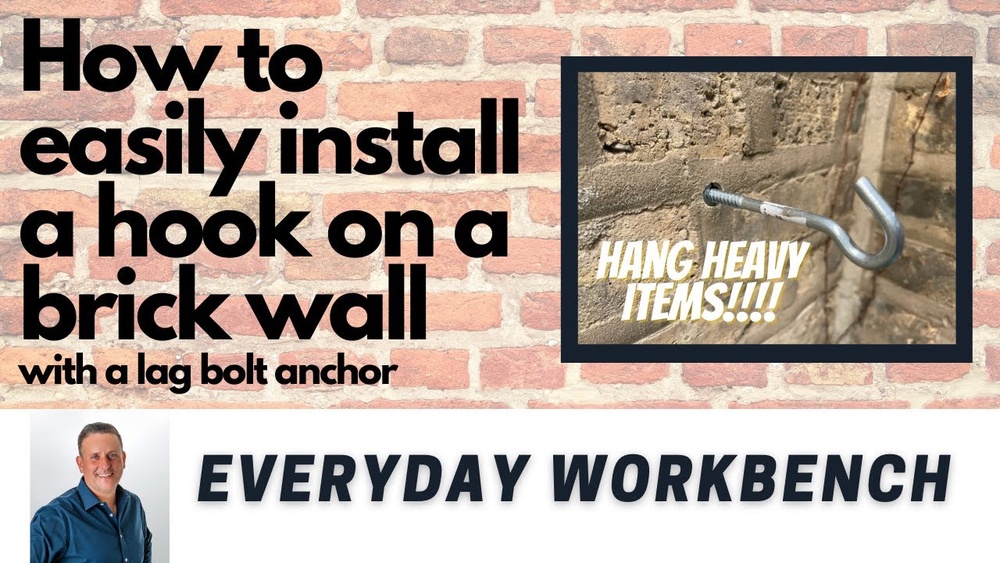
Are you wondering how to put a hook in a brick wall without causing damage or making a mess? Whether you want to hang a picture, a plant, or a heavy mirror, knowing the right steps can save you time and frustration.
In this guide, you’ll discover simple, effective techniques that anyone can follow—even if you’ve never worked with brick before. By the end, you’ll feel confident and ready to tackle your project with ease. Keep reading to learn exactly how to get the job done right the first time.

Credit: www.youtube.com
Choosing The Right Hook
Before you start putting a hook in a brick wall, gather all the tools you need. Having the right tools makes the job easier and safer. It also helps you finish the task faster and better. Take time to prepare well.
Drill And Drill Bits
A power drill is essential to make holes in the brick. Choose a drill with good power and a comfortable grip. Use masonry drill bits for drilling into brick walls. These bits have a special tip made for hard surfaces. Pick the right size drill bit to match your anchor and screw.
Anchors And Screws
Use wall anchors designed for brick walls. They hold the screw firmly in place. Select anchors that fit the weight of the item you will hang. Match the screws to the anchors in size and length. Good anchors and screws prevent the hook from falling.
Measuring And Marking Tools
Measure carefully to place the hook in the right spot. Use a tape measure or ruler for accuracy. Mark the spot with a pencil or chalk. A level can help keep your hook straight. Proper measuring avoids mistakes and ensures a neat job.
Gathering Necessary Tools
Preparing a brick wall before putting in a hook is very important. It helps the hook stay strong and safe. Taking time to get the wall ready makes the job easier and better. Start by choosing the right spot. Then clean the area well. Finally, check for any wires or pipes hidden inside the wall. Each step is key for a solid hold.
Selecting The Hook Location
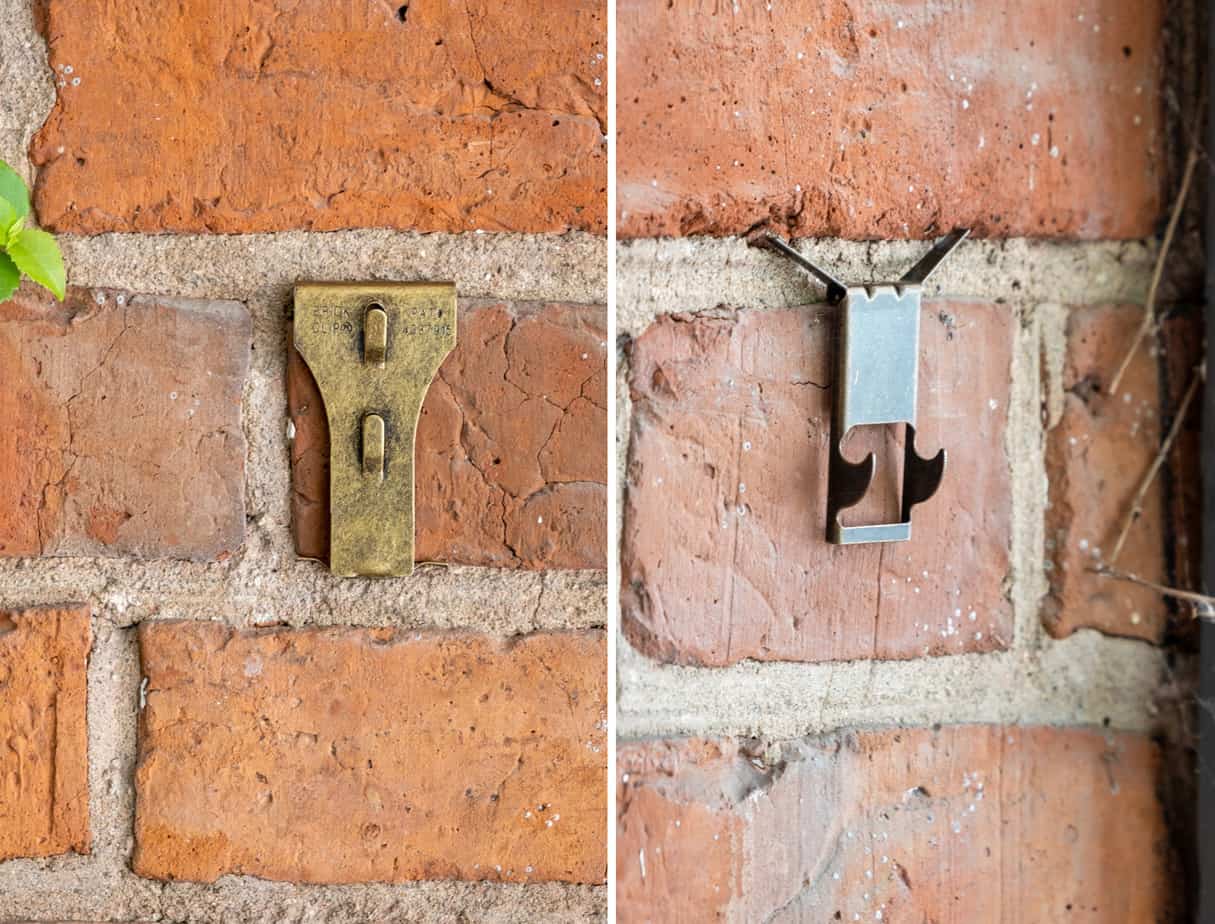
Pick a spot on the brick, not the mortar. Bricks hold hooks better than mortar. Find a place that can carry the weight of your item. Avoid cracks or damaged bricks. Choose a location easy to reach and use.
Cleaning The Surface
Remove dust, dirt, and loose material from the brick. Use a brush or cloth for cleaning. A clean surface helps the hook stick well. Dirt can make the hook slip or fall. Let the wall dry if it feels wet.
Checking For Hidden Wires Or Pipes
Use a stud finder or wire detector on the wall. This tool finds wires or pipes inside the bricks. Avoid drilling where wires or pipes run. Drilling into them can cause damage or danger. Stay safe by marking clear spots before drilling.
Preparing The Brick Wall
Drilling into brick requires care and the right tools. Brick is hard and can crack if you drill incorrectly. Preparing well helps you make a clean hole. This step is key for putting a hook that holds strong.
Choosing The Right Drill Bit
Select a masonry drill bit for brick. These bits have a special tip to cut through hard surfaces. Avoid using wood or metal bits. The right bit makes drilling easier and prevents damage.
Check the size of the hook’s anchor. Pick a drill bit that matches this size. A bit too small or too large can cause problems.
Drilling Techniques For Brick
Mark the spot where you want the hole. Use a pencil or chalk to make a clear mark. Start drilling slowly at first. This prevents the bit from slipping.
Use steady pressure, but do not push too hard. Let the drill do the work. Pull the bit out now and then to clear dust. This keeps the hole clean and helps drilling go faster.
Drill straight into the brick, not at an angle. This ensures a strong hold for the hook. Stop drilling once you reach the right depth.
Safety Tips While Drilling
Wear safety goggles to protect your eyes from dust and debris. Use a dust mask to avoid breathing in fine particles. Gloves help protect your hands from rough surfaces.
Keep the drill steady and control its speed. Avoid loose clothing or jewelry that could get caught. Work in a well-lit area to see clearly.
Check the wall for wires or pipes before drilling. Use a detector tool if possible. Drilling into these can be dangerous and costly.
Credit: www.theartofdoingstuff.com
Drilling Into Brick
Attaching a hook to a brick wall requires careful steps to ensure it holds strong. The right method keeps your items safe and prevents damage to the wall. Focus on using proper tools and techniques for a secure fit.
Screwing Hooks Into Anchors
Start by placing a wall anchor into the drilled hole. The anchor supports the hook in the brick. Use a screwdriver to slowly screw the hook into the anchor. Turn it until it feels tight but avoid over-tightening. This keeps the hook firm and stable.
Testing Hook Stability
After screwing the hook, give it a gentle pull. Check if it moves or feels loose. A solid hook should stay in place without wobbling. Test with a small weight to confirm the hook can hold the intended load. Safety first.
Adjusting For Perfect Alignment
Look closely at the hook’s angle. It should be straight and face the right direction. Loosen and re-tighten the hook slightly to adjust its position. Small changes make a big difference for hanging items neatly. Align it well before final use.
Inserting Anchors
Keeping hooks strong in a brick wall is key for safety and durability. Hooks hold weight, so they must stay secure over time. Regular care helps avoid accidents and damage. This section explains how to maintain hook strength effectively.
Regular Inspections
Check hooks often for signs of wear or rust. Look for cracks in the brick near the hook. Make sure the hook does not move or wiggle. Catching problems early stops bigger issues later. Use a flashlight to see hidden spots clearly. Mark inspection dates to track changes over time.
Avoiding Overloading
Do not hang items heavier than the hook’s limit. Overloading puts stress on the hook and brick. Use hooks designed for the weight you need. Spread heavy loads across multiple hooks if possible. Follow manufacturer weight guidelines strictly. Overloading can cause hooks to bend or pull out.
Repairing Loose Hooks
If a hook feels loose, fix it quickly. Remove the hook and check the hole for damage. Fill holes with strong filler made for brick walls. Let the filler dry completely before reinstalling the hook. Tighten screws or anchors firmly but avoid over-tightening. Replace any damaged hooks with new ones for safety.

Credit: www.wikihow.com
Frequently Asked Questions
How Do I Choose The Right Hook For A Brick Wall?
Select a hook designed for masonry walls. Use heavy-duty hooks or masonry anchors for strong support. Consider the weight of the item to ensure safety. Choose corrosion-resistant materials for durability outdoors.
What Tools Are Needed To Install A Hook In Brick?
You’ll need a drill with a masonry bit, a hammer, wall plugs, screws, and a screwdriver. Safety goggles and gloves are recommended to protect yourself while drilling.
Can I Put Hooks Directly Into Brick Mortar?
It’s best to avoid drilling into mortar as it’s weaker than brick. Drilling into brick provides a more secure hold for hooks. Mortar holes may crack or crumble over time.
How Deep Should I Drill Holes For Brick Wall Hooks?
Drill holes at least 1. 5 inches deep to fit wall plugs securely. The depth depends on the hook size and anchor type. Proper depth ensures the hook holds firmly without damaging the brick.
Conclusion
Putting a hook in a brick wall is easier than it seems. Choose the right tools and materials first. Mark the spot carefully before drilling. Use proper anchors to hold the hook firmly. Take your time and work safely. With these simple steps, your hook will stay strong.
Now, you can hang items without worry. Give it a try and see how well it works.