Are you tired of your bike taking up too much space on the floor? Installing a bike hook on your wall is a simple and smart way to keep your bike safe and your space organized.
Imagine freeing up room in your garage or apartment while having your bike ready to grab whenever you want. In this guide, you’ll learn exactly how to install a bike hook quickly and securely, even if you’ve never done it before.
By the end, you’ll have a neat, clutter-free space and your bike hanging safely within reach. Ready to get started? Let’s dive in!
Choose The Right Bike Hook
Choosing the right bike hook is important for safe and easy bike storage. A good hook holds your bike firmly and saves space. Picking the right type depends on your bike and wall space.
Types Of Bike Hooks
There are several types of bike hooks. Some hooks hold the bike by the wheel. Others hold it by the frame. Vertical hooks let the bike hang straight up. Horizontal hooks keep the bike flat against the wall. Choose a type that fits your bike and room size.
Weight Capacity Considerations
Check the weight capacity of the bike hook before buying. The hook must support your bike’s weight safely. Bikes with heavy frames or accessories need stronger hooks. Using a hook with low capacity can cause accidents or damage.
Material And Durability
Bike hooks come in different materials like steel, plastic, or aluminum. Steel hooks are strong and last long. Plastic hooks are lighter but less durable. Look for hooks with rust-resistant coating for long use. Durable hooks protect your bike and last longer.
Find The Best Spot On The Wall
Finding the best spot on the wall for your bike hook is very important. The right place keeps your bike safe and saves space. It also makes your room look neat and organized. Take time to pick the perfect spot before you start the installation.
Assessing Wall Material
Check the wall type where you want to install the hook. Drywall, brick, or wood all need different tools and anchors. A strong wall holds the bike weight better. Avoid weak or thin walls to stop damage.
Measuring Height And Clearance
Measure the height to hang the hook. Make sure the bike fits without touching the floor. Leave space around the bike for easy handling. Keep clearance from the ceiling and nearby objects.
Avoiding Obstacles
Look for pipes, wires, or vents inside the wall. Avoid drilling near these to stay safe. Also, check for light switches or shelves that block space. Clear space helps keep the bike secure and easy to hang.
Gather Necessary Tools
Before installing a bike hook on your wall, gather all the necessary tools. Having the right tools ready makes the job easier and faster. It helps you avoid mistakes and keeps the process smooth. This section covers the basic tools, safety gear, and optional accessories you might need.
Basic Tools Needed
- Drill with a drill bit suitable for your wall type
- Screwdriver or power driver
- Measuring tape or ruler
- Level to ensure the hook is straight
- Pencil to mark drill spots
- Wall anchors and screws that fit your hook
Safety Gear
- Safety glasses to protect your eyes from dust
- Work gloves to keep your hands safe
- Dust mask to avoid inhaling particles
Optional Accessories
- Stud finder to locate wall studs for stronger support
- Vacuum cleaner to clean dust after drilling
- Step stool or ladder if the hook is high on the wall

Credit: www.amazon.com
Mark And Prepare The Wall
Marking and preparing the wall is the first step to install a bike hook securely. It helps ensure the hook holds the bike’s weight safely. Preparing the wall properly prevents damage and keeps your bike stable.
Locating Wall Studs
Wall studs are the wooden beams behind drywall. They provide strong support for heavy items like bike hooks. Use a stud finder to locate these studs easily. Move the finder slowly across the wall. Mark the edges of each stud with a pencil. Confirm the center by measuring between the edges. This is where you will attach the hook.
Marking Drill Points
After finding the studs, mark the drill points on the wall. Use a pencil to make small dots where screws will go. These points should line up with the bike hook’s mounting holes. Double-check measurements to ensure the hook will be level. Mark both the top and bottom screw locations for stability.
Pre-drilling Holes
Pre-drilling holes makes screwing easier and prevents wall cracks. Use a drill bit slightly smaller than the screws. Drill carefully at each marked point. Keep the drill straight to avoid angled holes. Clean out any dust from the holes before installing the hook. This step ensures a tight and secure fit for the screws.
Install The Bike Hook
Installing a bike hook on the wall is an easy way to save space and keep your bike safe. Follow simple steps to attach the hook firmly. This guide helps you put the hook in the right place and secure it well.
Attaching The Hook To The Wall
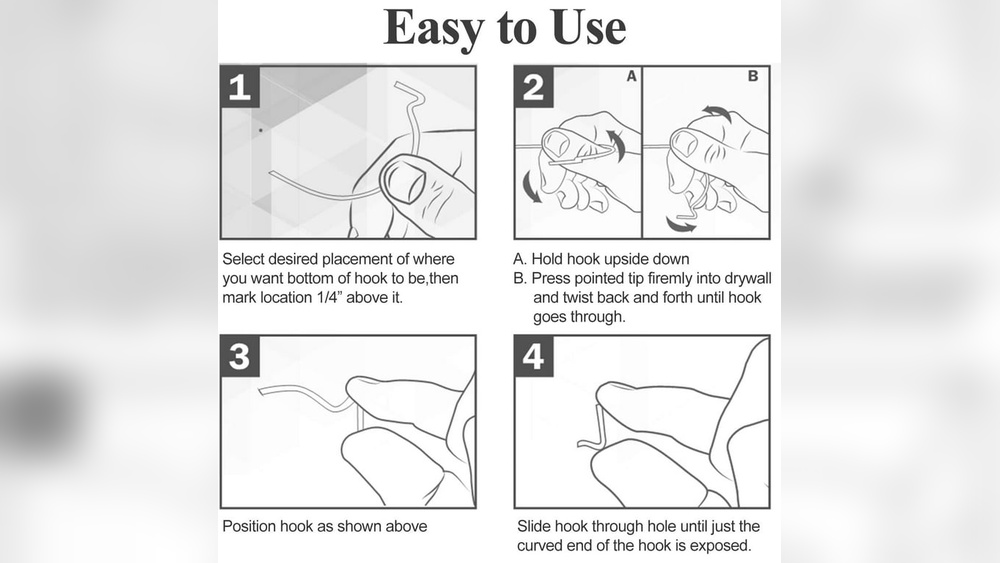
Choose the spot on the wall where you want the hook. Use a pencil to mark the holes on the wall. Hold the hook against the wall and mark the screw points. Check if the hook is level before drilling.
Securing With Screws And Anchors
Drill holes at the marked spots with a drill bit. Insert wall anchors into the holes for extra support. Place the hook against the wall and line up the holes. Screw in the screws tightly to hold the hook firmly.
Checking Stability
Pull the hook gently to test its hold on the wall. Make sure it does not move or wobble. Hang your bike and see if the hook holds well. Tighten screws if needed to improve stability.
Credit: www.walmart.com
Hang Your Bike Safely
Hanging your bike safely on the wall keeps it secure and saves space. It stops the bike from falling or getting damaged. A safe hang also protects your walls and bike parts.
Follow simple steps to make sure your bike stays steady and balanced. This helps avoid accidents and keeps your bike in good shape.
Proper Bike Positioning
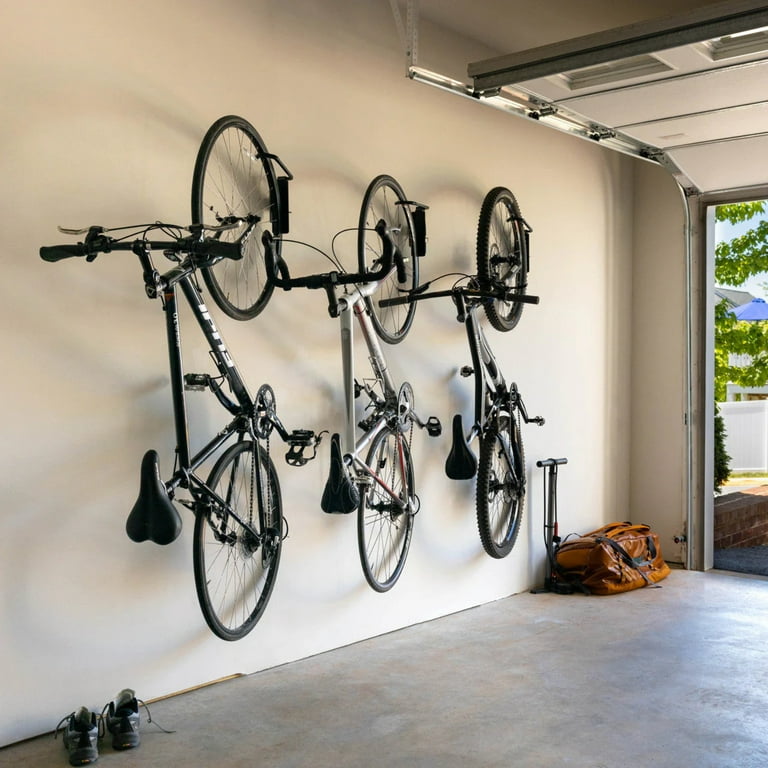
Place the bike hook at a height where the bike hangs freely. The bike should not touch the floor or wall. Hang the bike by the frame or the wheel, based on the hook type. Make sure the bike stays steady and does not swing.
Balancing And Weight Distribution
Check that the bike’s weight spreads evenly on the hook. Balance keeps the bike from tilting or falling. Avoid hanging heavy bikes on weak walls or hooks. Use anchors for better support on drywall or plaster.
Tips For Different Bike Types
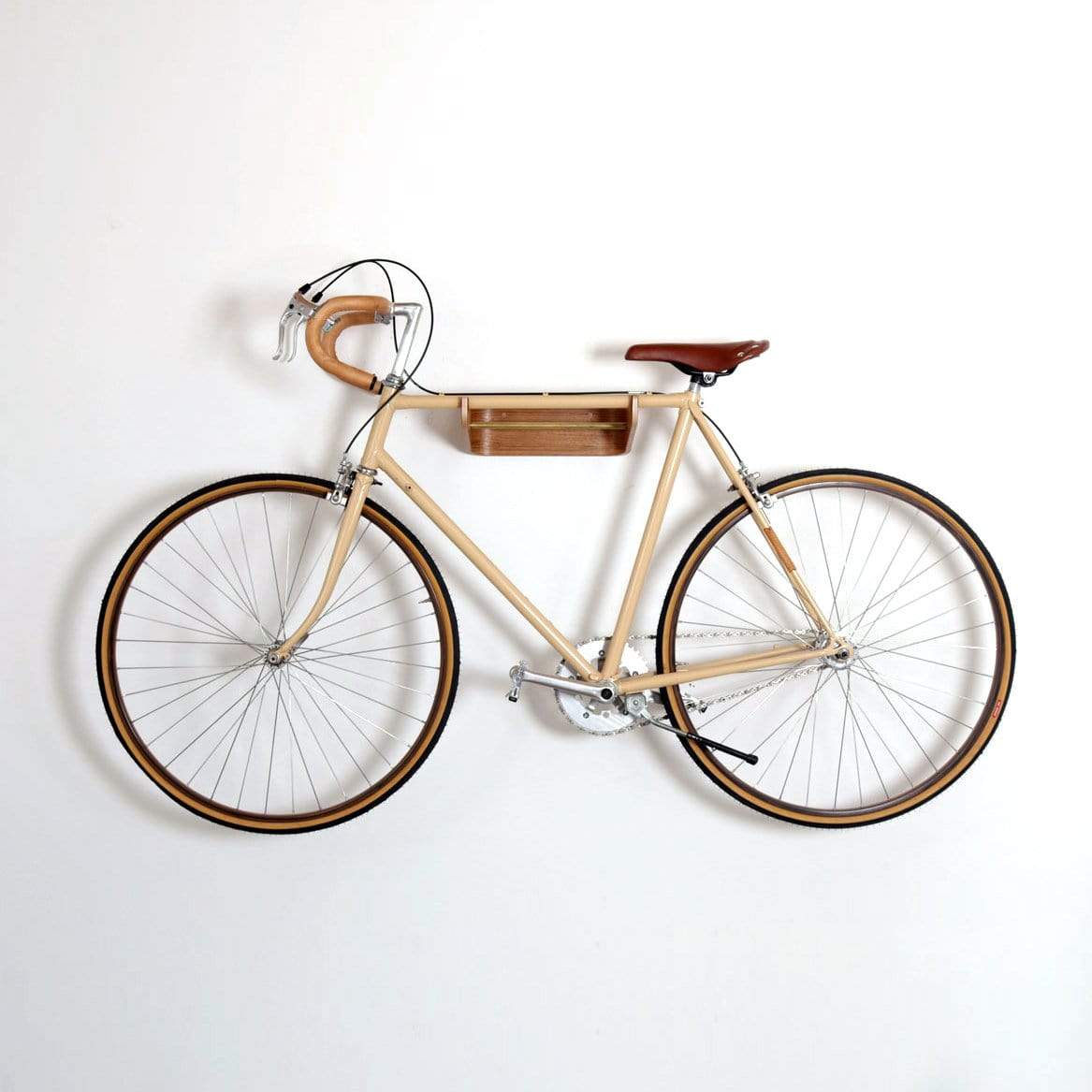
For road bikes, hang by the top tube to protect thin tires. Mountain bikes can hang by the wheel or frame for better balance. Kids’ bikes are lighter but still need secure hooks. Electric bikes require strong hooks due to extra weight.
Maintain Your Bike Hook Setup
Maintaining your bike hook setup keeps your bike safe and your wall secure. Simple care helps avoid accidents and damage. This section explains key steps to keep your bike hook in good shape.
Regular Inspections
Check your bike hook often for signs of wear or damage. Look for cracks, rust, or loose parts. Inspect the hook itself and the wall area around it. Early detection prevents bigger problems later.
Tightening And Adjustments
Make sure screws and bolts stay tight. Use a screwdriver or wrench to adjust if needed. Loose hardware can cause the hook to fail. Keep the hook stable to hold your bike safely.
Preventing Wall Damage
Use wall anchors suited for your wall type. Avoid overloading the hook with heavy bikes. Place a protective pad between the hook and the bike frame. These steps reduce marks and holes on your wall.
Credit: www.onefortythree.com
Frequently Asked Questions
How Do I Choose The Right Bike Hook For My Wall?
Select a bike hook that fits your bike’s weight and frame type. Check wall material compatibility. Opt for rust-resistant, sturdy hooks to ensure safety and durability.
What Tools Are Needed To Install A Bike Hook?
You need a drill, screwdriver, wall anchors, screws, a pencil, and a level. These tools ensure precise and secure bike hook installation on your wall.
How High Should I Install A Bike Hook?
Install the bike hook at a height that allows easy lifting and hanging. Usually, 5 to 6 feet from the floor works well for most bikes.
Can I Install A Bike Hook On Drywall Safely?
Yes, but use appropriate wall anchors for drywall. Avoid just screwing into drywall alone to prevent damage and ensure the hook holds the bike securely.
Conclusion
Installing a bike hook on the wall saves space and keeps your bike safe. Follow the steps carefully for a strong hold. Use the right tools and fix the hook into a stud. Check that the hook is secure before hanging your bike.
This simple project helps organize your room or garage easily. With a little effort, your bike will have a safe spot to rest. Enjoy a clutter-free space and easy bike access every day.