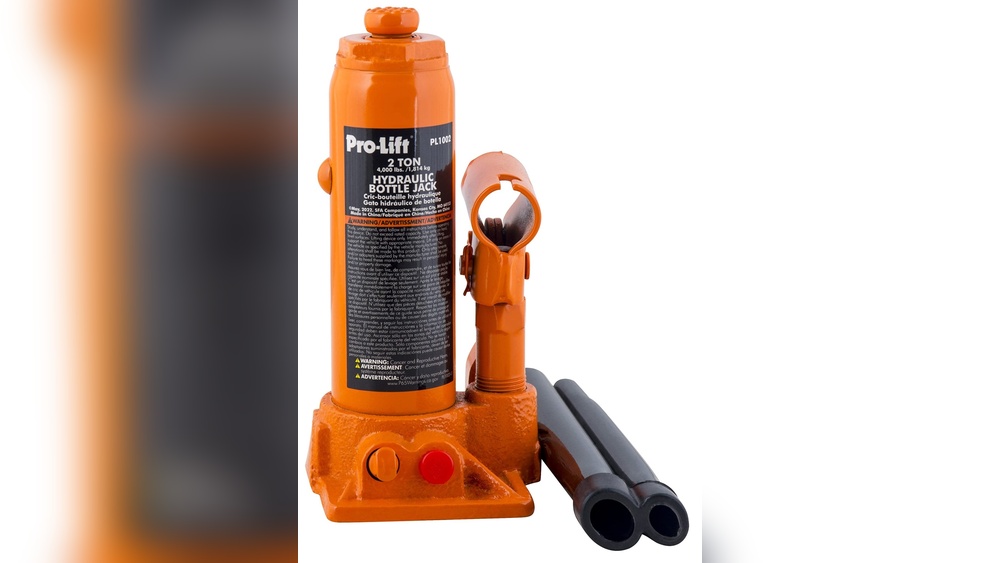
If you use a floor jack regularly, you know how important it is to keep it in top shape. One simple task that can make a big difference is putting oil into your floor jack.
But if you’ve never done it before, the process might seem tricky or confusing. Don’t worry—this guide will walk you through every step, making it easy and quick. By the end, you’ll know exactly how to keep your floor jack working smoothly and safely, saving you time and avoiding costly repairs.
Ready to learn how? Let’s get started.
Choosing The Right Oil
Choosing the right oil for your floor jack is very important. The oil keeps the jack working smoothly. It helps avoid damage and extends the jack’s life. Using the wrong oil can cause leaks or poor lifting. Learn about the best types of oil and how to check the right one for your jack.
Types Of Oil Suitable For Floor Jacks
Most floor jacks use hydraulic oil. This oil is thick and resists pressure. It helps the jack lift heavy loads easily. Some jacks may require specific types like SAE 10 or 20 hydraulic oil. Avoid using motor oil or engine oil. These can damage the seals and cause leaks. Use clean, fresh oil to keep the jack working well.
Checking Manufacturer Recommendations
Always check the floor jack’s manual first. The manufacturer lists the best oil type. Following these instructions keeps the jack safe. Using the recommended oil protects the pump and seals. It also keeps the jack lifting correctly. If the manual is lost, visit the brand’s website. Using the right oil saves money and prevents problems.
Preparing Your Floor Jack
Preparing your floor jack before adding oil is important. It helps keep the jack working well and safe to use. Proper preparation makes the oil change smooth and effective. Follow simple steps to get your jack ready.
Safety Precautions
Wear gloves to protect your hands from oil and dirt. Work in a well-ventilated area to avoid breathing fumes. Keep the jack on a flat surface to stop it from moving. Make sure the jack is lowered completely before starting. Avoid wearing loose clothes that could get caught in the jack.
Cleaning And Inspecting The Jack
Wipe the jack’s surface with a clean cloth to remove dust and grease. Check for any cracks or leaks on the body. Look at the wheels and handle for damage or rust. Clean the oil reservoir cap area to stop dirt from entering. Fix small problems before adding oil to keep the jack safe and reliable.
Locating The Oil Fill Port
Finding the oil fill port is the first step to add oil to a floor jack. This port allows you to pour oil safely into the jack’s hydraulic system. Without locating it, you cannot maintain the jack properly. The fill port is small and often hidden under the jack’s body. Knowing where to look saves time and avoids damage.
Common Placement Of Fill Ports
Most floor jacks have the oil fill port near the main cylinder. Look on the side or top of the jack’s body. Some models place it under a small rubber or metal plug. It may be near the handle base or the lifting arm. The port is usually a round hole with a screw or plug. Check the jack’s manual for exact location if unsure.
Removing The Fill Plug
Use the right tool, often a wrench or screwdriver, to remove the fill plug. Turn the plug counterclockwise to loosen it. Be gentle to avoid stripping the threads. If the plug is stuck, apply light oil to loosen it. Once removed, set the plug aside safely. Now, you can pour oil into the fill port. Keep the opening clean to prevent dirt from entering.

Credit: www.wikihow.com
Draining Old Oil
Draining old oil from a floor jack is an important step before adding new oil. It helps keep the jack working well and extends its life. Old oil can have dirt and particles that may harm the jack’s parts. Removing it ensures smooth lifting and lowers the chance of damage.
Steps To Drain
Place the floor jack on a flat surface. Open the release valve to lower the jack completely. Find the oil fill plug, usually on the side or top. Use a wrench to remove the plug carefully. Tilt the jack to drain the old oil into a container. Let all the oil drain out. Wipe the area clean before adding new oil.
Disposing Of Used Oil Properly
Used oil is harmful to the environment. Never pour it down drains or on the ground. Store the oil in a sealed container. Take it to a recycling center or an auto shop. Many places accept used oil for safe disposal. This helps protect water and soil from pollution.
Adding New Oil
Bleeding air from a floor jack is an important step after adding oil. Air trapped inside the jack can cause it to work poorly. This section explains why bleeding air is necessary and shows simple ways to do it. Follow these tips to keep your floor jack working smoothly and safely.
Why Air Bleeding Is Necessary
Air inside the jack makes the lifting action weak. It causes the jack to feel spongy or slow. Air stops the oil from moving properly. This reduces the jack’s power. Removing air improves the jack’s strength and control. It also helps avoid damage to the jack parts.
Simple Bleeding Techniques
Start by locating the release valve on the jack. Open this valve slowly to let air escape. Pump the handle gently several times. This pushes air out with the oil. Keep the valve open until no more air bubbles come out. Then close the valve tightly. Repeat if the jack still feels soft. Use clean oil to refill if needed.

Credit: www.youtube.com
Bleeding Air From The Jack
After adding oil to your floor jack, testing it is very important. This step ensures the jack works safely and correctly. You check if the oil helps the jack lift and lower smoothly. It also helps spot any problems early. Testing the jack protects you and your vehicle from accidents.
Checking For Smooth Operation
Start by pumping the jack handle slowly. Feel the resistance as you lift the jack. The movement should be steady and smooth. No jerks or strange noises should happen. Lower the jack gently. Watch for smooth and even descent. If it feels rough or stuck, more checks are needed. A smooth operation means the oil is working well.
Troubleshooting Common Issues
If the jack does not lift smoothly, check the oil level again. Low oil can cause poor lifting. Look for leaks around the jack body. Leaks mean oil escapes, reducing pressure. Air trapped inside the jack can cause jerky moves. Bleed the jack to remove air. Tighten any loose parts to stop noise. Fixing these issues keeps the jack safe and ready.

Credit: www.wikihow.com
Frequently Asked Questions
How Often Should I Add Oil To A Floor Jack?
You should add oil to a floor jack every 6 to 12 months. Regular oiling keeps the jack working smoothly. Check the oil level monthly for best maintenance. Proper lubrication prevents rust and extends the jack’s lifespan.
What Type Of Oil Is Best For Floor Jacks?
Use high-quality hydraulic jack oil or SAE 10-30 motor oil. Avoid using brake fluid or WD-40. The right oil ensures smooth hydraulic operation and prevents damage. Always check the manufacturer’s manual for recommended oil type.
How Do I Safely Add Oil To A Floor Jack?
First, lower the jack completely and remove the oil fill plug. Slowly pour oil into the fill hole using a funnel. Avoid overfilling to prevent leaks. Replace the plug tightly before using the jack again.
Can I Use Motor Oil Instead Of Hydraulic Oil?
Yes, SAE 10-30 motor oil can be used if hydraulic jack oil is unavailable. It provides adequate lubrication for the jack’s hydraulic system. Avoid other oils like brake fluid, which can damage seals and components.
Conclusion
Regularly adding oil keeps your floor jack working smoothly. Check the oil level often to avoid damage. Use the right type of oil for best results. Clean the jack before adding oil to prevent dirt inside. Proper care helps your jack last longer and work safely.
Small steps make a big difference in maintenance. Keep your floor jack ready for any job. Simple actions protect your tools and save money. Trust your jack when it runs well.