You’ve got the perfect spot on your brick wall for hanging something special. But how do you put a hook into that tough, uneven surface without causing damage or frustration?
If you’ve ever wondered how to hang pictures, lights, or decorations securely on brick, you’re in the right place. This guide will show you simple, clear steps to make sure your hook stays strong and your wall stays intact. Keep reading, and you’ll learn exactly what tools to use and how to do it right the first time.

Credit: www.youtube.com
Choosing The Right Hook
Choosing the right hook for a brick wall is important for safety and durability. The wrong hook can damage the wall or fail to hold the weight. Knowing the types of hooks and their materials helps in picking the best one. Also, consider how much weight the hook must hold. This guide makes choosing easier and safer.
Types Of Hooks For Brick Walls
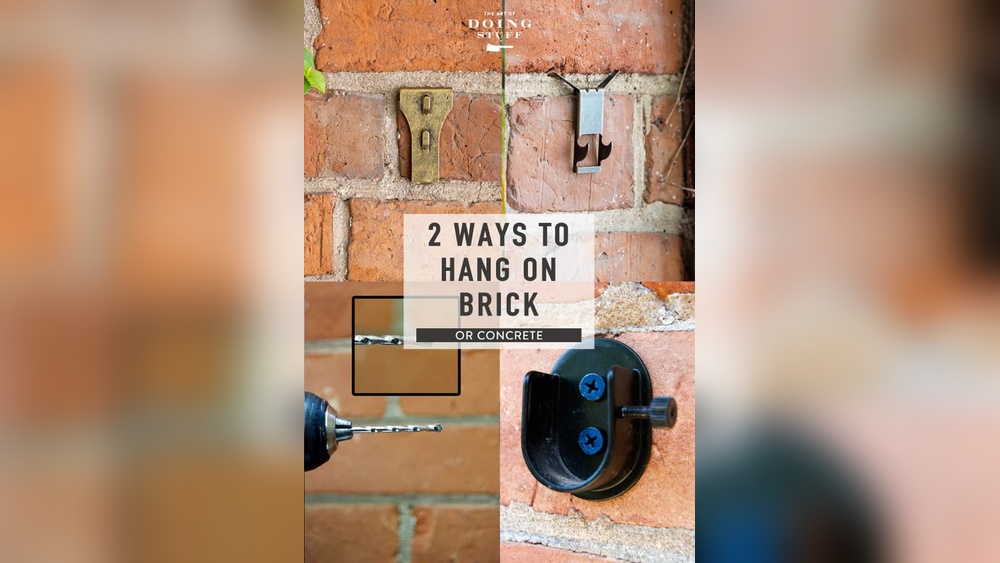
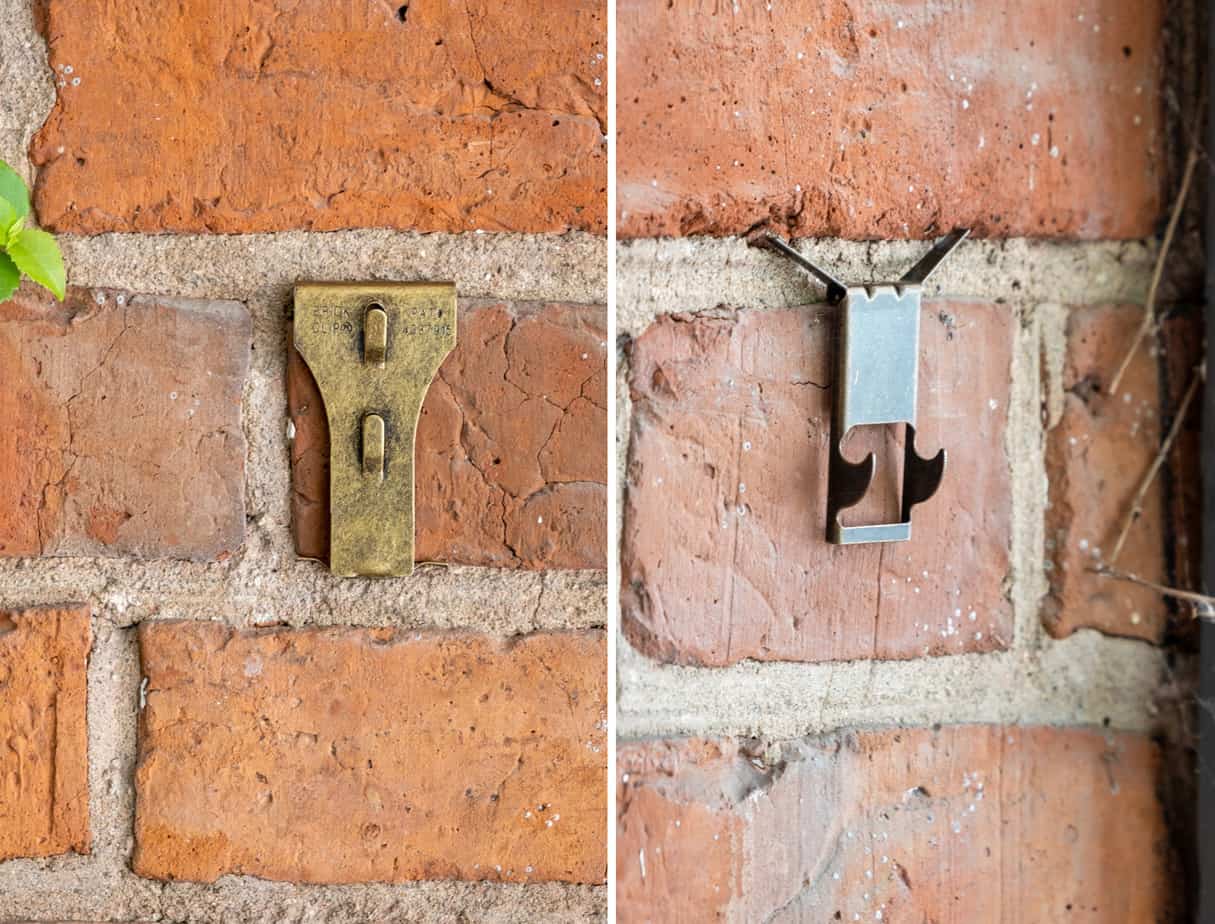
There are several types of hooks made for brick walls. Masonry hooks have a special design to grip the rough surface. Sleeve anchors expand inside the wall for a strong hold. Screw hooks work well with wall plugs for lighter items. Choose a type that matches your wall and the item’s weight.
Weight Capacity Considerations
Always check the weight capacity of the hook. Heavy objects need hooks with high weight limits. Using a hook that can’t hold the weight may cause damage or injury. Calculate the total weight of the item before buying a hook. Pick a hook with a capacity higher than the item weight for safety.
Materials That Work Best
Hooks made from stainless steel or galvanized steel last longer. They resist rust and hold strong in outdoor or damp conditions. Plastic hooks are not suitable for heavy loads or brick walls. Choose metal hooks for durability and strength. Good material choice extends the life of the hook and protects the wall.
Tools And Materials Needed
To put a hook into a brick wall, you need the right tools and materials. Using proper equipment makes the job easier and safer. It also ensures the hook holds firmly. Below are the main items required for this task.
Essential Tools
A drill with a masonry bit is necessary to make holes in brick. Choose a drill with enough power for hard surfaces. A hammer helps tap anchors into the holes. A screwdriver or drill driver is needed to insert screws. A tape measure measures the exact spot for the hook. A pencil marks the drilling points on the wall.
Safety Gear
Safety glasses protect your eyes from dust and debris. Dust masks prevent inhaling brick dust during drilling. Work gloves protect your hands from sharp edges and rough surfaces. Ear protection reduces noise from drilling. Wear sturdy shoes to protect your feet.
Anchors And Screws
Use plastic or metal anchors designed for brick walls. Anchors expand inside the hole for a strong hold. Choose screws that fit the anchors and hook size. Make sure screws are rust-resistant for outdoor use. Using the correct anchors and screws keeps the hook secure.
Preparing The Wall
Preparing the wall is the first step to safely and securely put a hook into a brick wall. This stage makes sure the hook stays strong and lasts long. Taking time to prepare the wall well helps avoid damage and ensures the hook holds the weight.
Locating The Brick Or Mortar
Find the right place to put the hook. Check if you want to drill into the brick or the mortar between bricks. Bricks are stronger and hold hooks better. Mortar is softer and may not hold heavy items well. Use a pencil or small tool to tap and listen for solid or hollow sounds. This helps find the exact spot.
Marking The Spot
Mark the exact spot on the wall where the hook will go. Use a pencil to make a small, clear dot. This mark guides your drilling or hammering. Double-check the spot to avoid mistakes. A correct mark saves time and prevents wall damage.
Cleaning The Surface
Clean the area around the mark before drilling. Remove dust, dirt, and loose bricks or mortar. Use a brush or cloth to wipe the surface. A clean surface helps tools grip better. It also makes the hole cleaner and stronger.
Drilling Into The Brick Wall
Drilling into a brick wall is the first step to securely placing a hook. It requires the right tools and careful methods. A good drill hole ensures the hook holds tight without damaging the brick.
Using the correct drill bit and technique helps create a clean hole. Avoiding common mistakes makes the job easier and safer. Below are key points to keep in mind.
Choosing The Right Drill Bit
Select a masonry drill bit for brick walls. These bits have a special tip designed to cut through hard surfaces. Check the drill bit size to match your wall plug or anchor. Using the wrong size can cause the hole to be too loose or too tight.
Drilling Techniques
Mark the spot for the hole clearly. Hold the drill steady and straight. Start drilling slowly to create a guide hole. Increase speed gently once the bit is set. Drill to the right depth, usually a bit longer than the anchor. Clear dust from the hole often for better grip.
Avoiding Common Mistakes
Do not use a drill bit meant for wood or metal. Avoid pressing too hard; let the drill do the work. Do not drill into mortar if the brick is stronger. Keep the drill bit cool by pausing if needed. Avoid angled holes, as they reduce anchor strength.
Installing The Anchor And Hook
Installing the anchor and hook into a brick wall is key to a strong hold. This step ensures the hook can carry weight without slipping out. Follow each part carefully for a safe and secure fit.
Inserting The Anchor
First, drill a hole into the brick. Choose a drill bit that matches the anchor size. Clean out dust from the hole with a brush or air. Push the anchor into the hole until it is flush with the wall. Tap gently with a hammer if needed. The anchor must fit snugly to hold weight.
Securing The Hook
Next, screw the hook into the anchor. Turn the hook clockwise to tighten. Keep turning until the hook feels firm and does not wobble. Use pliers for extra grip if the hook is hard to turn. A tight hook prevents accidents and holds items firmly.
Testing For Stability
After installing, test the hook’s strength. Pull down gently on the hook to check its grip. Hang a lightweight item to start. Watch for any movement or looseness. If the hook stays steady, it is safe to use. Repeat the test with heavier items as needed.

Credit: www.wikihow.com
Tips For Safe Hanging
Hanging a hook on a brick wall requires care. Safety should be your top priority. Follow these tips to hang items securely without damage.
Proper techniques help keep your wall strong. They also protect your belongings from falling.
Distributing Weight Evenly
Spread the weight across multiple hooks if possible. This prevents too much pressure on one spot. Use sturdy hooks made for heavy loads. Check the weight limit before hanging anything.
Avoiding Damage To The Wall
Use the right drill bit size for brick. Avoid drilling into mortar, as it is weaker. Drill slowly to prevent cracks. Insert anchors for better grip. Clean dust from holes before placing hooks.
When To Call A Professional
Ask for help if the item is heavy or valuable. Complex walls may need expert tools and knowledge. A professional avoids mistakes that can cause damage. They ensure hooks are secure and safe.
Credit: www.theartofdoingstuff.com
Frequently Asked Questions
How Do I Choose The Right Hook For A Brick Wall?
Select a hook designed specifically for masonry. Use heavy-duty hooks or masonry anchors for strong support. Consider the weight of the object you want to hang. This ensures safety and durability when fixing items to a brick wall.
What Tools Are Needed To Put A Hook In Brick?
You need a hammer drill with a masonry bit, wall plugs, screws, and a screwdriver. A level and pencil help mark precise spots. These tools make installation easier and ensure the hook is securely fixed.
How Deep Should I Drill Into A Brick Wall?
Drill about 1. 5 to 2 inches deep for standard wall plugs. Depth depends on the anchor size and brick thickness. Proper drilling depth ensures the hook holds firmly without damaging the brick.
Can I Put Hooks In Old Or Crumbly Brick Walls?
Avoid drilling into damaged or crumbly bricks. Instead, drill into mortar joints if possible, using appropriate anchors. This prevents further damage and maintains wall strength when hanging items.
Conclusion
Putting a hook into a brick wall is easier than it seems. Choose the right drill bit and anchor for strong support. Take your time and work carefully to avoid damage. Use a level to keep the hook straight. With patience and the right tools, your hook will hold firmly.
Now you can hang items safely and neatly on your brick wall. Simple steps make the task manageable for anyone. Give it a try and see the difference yourself.