Are you struggling to hang something on your concrete wall but don’t know where to start? Putting a hook in a concrete wall might seem tricky, but with the right steps, you can do it yourself quickly and safely.
Imagine having the perfect spot to hang your favorite picture, a heavy mirror, or even a sturdy shelf. This guide will show you exactly how to make that happen, without damage or frustration. Keep reading, and you’ll gain the confidence to tackle this simple home improvement task like a pro.
Choosing The Right Hook
Choosing the right hook for a concrete wall is important for safety and durability. The wrong hook can cause damage or fail to hold your items. This section explains how to pick the best hook based on type, weight, and material. Understanding these factors helps you make the right choice.
Types Of Hooks For Concrete
Concrete walls need special hooks made for hard surfaces. Common types include expansion hooks, sleeve anchors, and screw-in hooks. Expansion hooks spread inside the hole for a strong hold. Sleeve anchors use a metal sleeve that expands when tightened. Screw-in hooks have sharp threads to grip the concrete. Choose a type that matches your project needs.
Weight Capacity Considerations
Each hook has a weight limit. Use a hook that can hold more than your item’s weight. Check the package or product details for weight limits. Overloading a hook causes it to pull out or break. For heavy items, pick hooks with higher capacity and secure installation.
Material Durability
Hooks come in steel, stainless steel, and zinc-coated metal. Steel is strong but can rust over time. Stainless steel resists rust and is good for outdoor use. Zinc-coated hooks resist corrosion but are less durable than stainless steel. Pick material based on where you install the hook and the environment.

Credit: www.amazon.com
Gathering Necessary Tools
Before putting a hook in a concrete wall, gather the right tools. This step saves time and ensures a smooth process. Having everything ready helps you work safely and effectively. Below are the key tools needed for the job.
Drill And Drill Bits
A powerful drill is essential for making holes in concrete. Choose a hammer drill for best results. Use drill bits designed for concrete, such as masonry bits. These bits are tough and can drill through hard surfaces easily. Make sure the drill bits fit your drill.
Anchors And Screws
Anchors provide strong support inside the hole. They keep the hook secure on the wall. Select anchors made for concrete walls. Pair anchors with screws that match their size. The right combo holds weight safely and prevents damage.
Safety Gear
Safety gear protects you during drilling. Wear safety glasses to shield your eyes from dust and debris. Use ear protection if your drill is loud. Gloves protect your hands from sharp edges and vibration. A dust mask helps avoid breathing in fine particles.
Preparing The Wall
Preparing the wall is the first step before putting a hook in concrete. A well-prepared wall ensures the hook stays strong and secure. It also makes the installation process easier and safer.
Start by choosing the right spot and marking it clearly. Clean the area well to remove dust and dirt. This helps the hook hold better and last longer.
Locating The Spot
Choose a spot that can hold the weight you need. Avoid cracks or weak areas on the wall. Look for a solid and flat surface. This gives the hook a firm grip. Check for any wires or pipes behind the wall to stay safe.
Marking The Drill Point
Use a pencil or marker to make a small dot. This shows exactly where you will drill. Double-check the spot before marking. Keep the mark visible but neat. It guides your drill and helps avoid mistakes.
Cleaning The Surface
Remove dust, dirt, and loose pieces from the wall. Use a brush or a cloth to clean well. A clean surface helps the drill bit work better. It also improves the hook’s hold in the concrete. Make sure the wall is dry before drilling.
Drilling Into Concrete
Drilling into concrete can seem tough but it is simple with the right tools and methods. Concrete is hard and needs a strong drill and special bits. Proper drilling makes sure the hook will hold tight and the wall stays safe. Follow these steps for a clean hole and steady hook.
Selecting The Right Drill Bit
Use a masonry drill bit designed for concrete. These bits have a special tip made from carbide. It cuts through concrete without breaking. Choose a bit size that matches your hook’s anchor. Too small means the hook won’t fit. Too big makes the hole loose. Always check the packaging for the right size and type.
Drilling Technique
Start drilling slowly to mark the spot. Increase speed once the bit grips the surface. Keep the drill straight to avoid angled holes. Use steady pressure but do not push too hard. Let the bit do the work. Pull the drill out often to clear dust from the hole. This helps the drill bit last longer and the hole stay clean.
Avoiding Common Mistakes
Do not use a regular drill bit. It will wear out quickly and damage the wall. Avoid drilling too fast or pressing too hard. This can crack the concrete. Do not forget safety glasses to protect your eyes. Always check for wires or pipes inside the wall before drilling. Mistakes can cause injury or expensive damage.
Installing Anchors
Installing anchors is a key step when putting a hook in a concrete wall. Anchors hold the hook firmly in place. Without the right anchor, the hook could fall or damage the wall. This section covers types of anchors, how to insert them correctly, and how to test their stability.
Types Of Anchors
Concrete walls need special anchors to hold hooks securely. Common types include plastic anchors, sleeve anchors, and wedge anchors. Plastic anchors work well for light loads. Sleeve anchors expand inside the hole and suit medium loads. Wedge anchors grip tightly for heavy loads. Choose an anchor based on the weight the hook must hold.
Inserting Anchors Properly
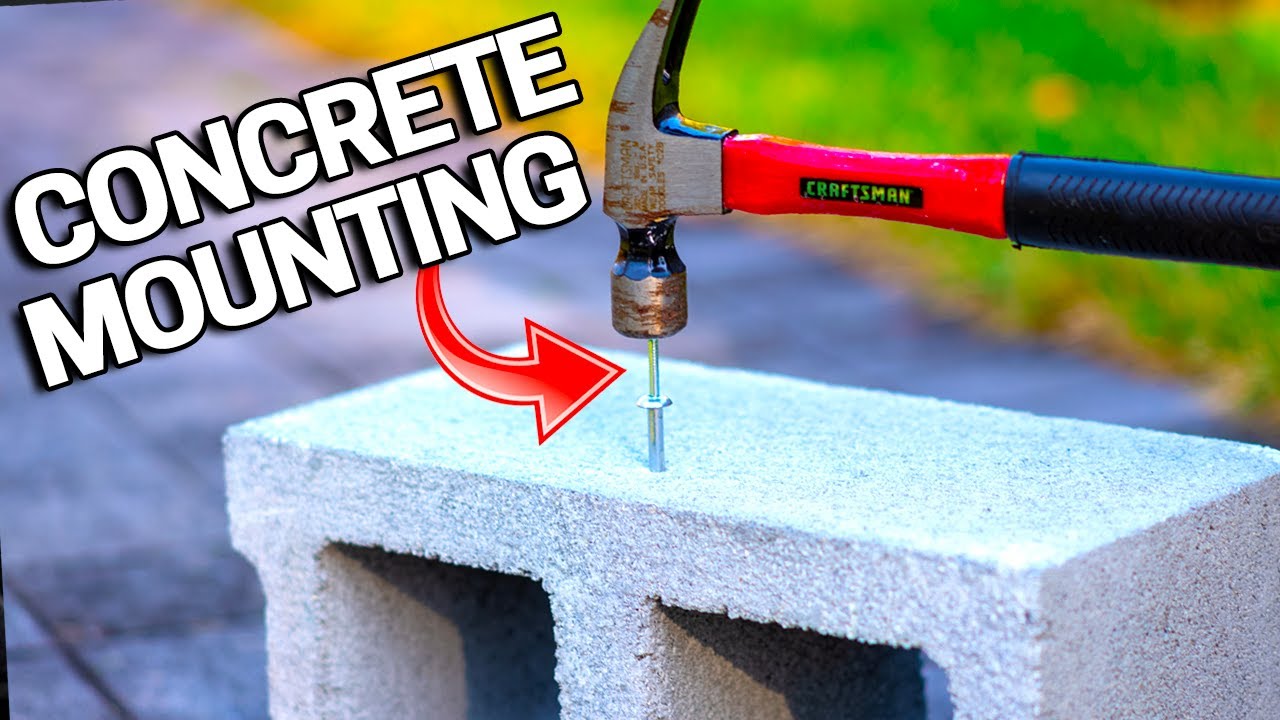
Start by drilling a hole in the concrete wall. Use a drill bit that matches the anchor size. Clean the hole by blowing out dust. Insert the anchor straight into the hole. Tap gently with a hammer if needed. Do not force or tilt the anchor. Tighten screws slowly to avoid cracking the wall.
Testing Anchor Stability
After installation, test the anchor’s hold. Pull the hook gently to check if it moves. A strong anchor stays firm without wiggle. Hang the intended object and watch for any shift. If the hook feels loose, remove and reinstall with a new anchor. Safety depends on solid anchor stability.
Credit: www.youtube.com
Attaching The Hook
Attaching the hook to a concrete wall requires care and precision. The right method ensures the hook stays strong and secure. Follow these steps for a proper and lasting attachment.
Aligning The Hook
First, hold the hook against the wall. Check that it is straight and level. Mark the spots where screws will go. Use a pencil for clear, easy-to-see marks. Proper alignment prevents the hook from hanging crooked or falling.
Securing With Screws
Drill holes at the marked points on the wall. Use a drill bit made for concrete. Insert wall anchors into the holes for extra support. Place the hook back in position. Screw the screws through the hook into the anchors. Tighten gently to hold the hook firmly in place.
Final Tightening Tips
Check the hook’s stability by gently pulling it. Tighten screws further if the hook moves. Avoid over-tightening to prevent damaging the wall. A well-tightened hook will hold heavy items safely. Double-check all screws before finishing your work.
Safety Tips And Maintenance
Safety is very important when putting a hook in a concrete wall. Proper maintenance keeps the hook strong and safe. Ignoring safety can cause accidents or damage. This section explains key safety tips and how to care for your hooks.
Weight Limits And Load Distribution
Check the hook’s weight limit before hanging anything. Do not exceed the limit. Spread the weight evenly if you hang multiple items. Uneven weight can make the hook loose or break the wall. Use the right hook size for the load.
Regular Inspection
Look at the hook and wall often. Check for cracks, rust, or looseness. Tighten the hook if it feels loose. Replace any hook that shows damage. Regular checks help prevent accidents and keep the hook strong.
Removing Hooks Safely
Remove hooks carefully to avoid wall damage. Use proper tools like a screwdriver or pliers. Pull gently and slowly. Fill any holes left behind to keep the wall smooth. Safe removal protects both the wall and the hook.

Credit: www.caaap.org.pe
Frequently Asked Questions
How Do I Choose The Right Hook For Concrete Walls?
Select a hook designed for masonry or concrete. Consider weight capacity and wall thickness. Use stainless steel for durability and rust resistance.
What Tools Are Needed To Install A Hook In Concrete?
You need a drill with a masonry bit, hammer, wall anchors, screws, and a screwdriver. Safety gear like goggles is essential.
Can I Put A Hook In A Concrete Wall Without Drilling?
No, drilling is necessary to create a hole for anchors. Surface adhesives do not support heavy loads on concrete.
How Deep Should I Drill For A Concrete Hook?
Drill about 1 to 1. 5 inches deep, matching anchor length. This ensures a secure fit and strong hold.
Conclusion
Putting a hook in a concrete wall is simple with the right steps. Choose the right tools and mark your spot carefully. Drill slowly and use anchors to keep the hook secure. Tighten the hook firmly, but avoid overdoing it.
This method works for hanging pictures, plants, or tools. Follow these tips to get a strong hold every time. You can trust this easy process for your home projects. Try it yourself and see how well it holds.