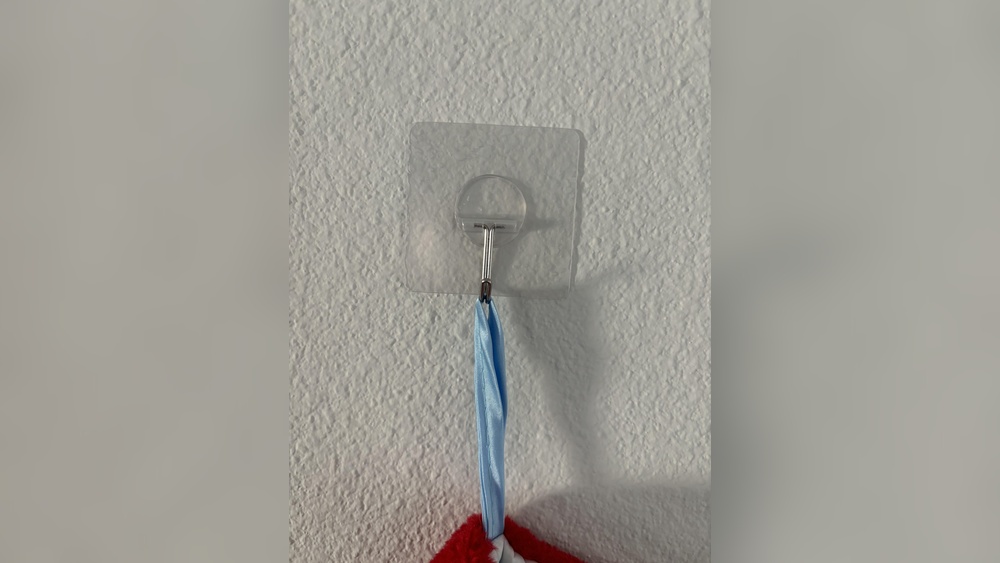
Have you ever stuck an adhesive hook on your wall, only to struggle when it’s time to take it down? Removing it can feel tricky and might even damage your wall if you’re not careful.
But don’t worry—there’s a simple way to get rid of that hook cleanly and easily. In this guide, you’ll discover step-by-step tips to remove adhesive hooks without leaving marks or causing harm. Keep reading, and you’ll learn how to make your walls look just like new again.

Credit: www.youtube.com
Choose The Right Method
Choosing the right method to remove an adhesive hook is important. The wrong way can damage your wall or leave sticky residue. This section helps you pick the best way to remove the hook safely and cleanly.
Assess The Hook Type
Start by looking at the hook closely. Some hooks have a tab or strip you can pull to remove them. Others stick firmly and need heat or oil to loosen the adhesive. Knowing the hook type saves time and prevents wall damage.
Plastic hooks often have a pull tab. Metal hooks might need gentle twisting or heating. Check if the hook is reusable or single-use. This affects the removal method and how much force to apply.
Consider Wall Material
Different walls react differently to removal methods. Paint, wallpaper, tile, or wood all need special care. Pulling too hard on painted walls can peel paint off. Wallpaper can tear easily. Tiles resist heat but may crack under pressure.
Soft walls like drywall need gentle handling. Use slow, steady pulling or heat to avoid dents. Hard surfaces allow more force but watch for scratches. Match your removal method with your wall type for best results.
Prepare The Area
Preparing the area is an important first step before removing an adhesive hook from the wall. A clean, organized space helps you work safely and avoid damage. It makes the removal process smoother and faster. Take time to get ready and gather what you need.
Clear Surrounding Space
Start by clearing the area around the hook. Remove any decorations, furniture, or objects nearby. This gives you enough room to work without knocking things over. A clear space also helps protect your belongings from accidental damage. Keep the floor clean to avoid slips or falls.
Gather Necessary Tools
Collect all tools before starting. You may need items like a hairdryer, dental floss, a plastic card, or rubbing alcohol. Have a soft cloth or sponge ready for cleaning after removal. Having tools at hand saves time and stress. Prepare everything on a nearby surface for easy reach.
Remove The Hook Gently
Removing an adhesive hook from the wall needs care. Pulling it off too fast can damage your paint or drywall. Taking time and using gentle methods keeps the wall safe and the hook reusable. Follow steps that reduce stress on the surface and the hook.
Use Heat To Soften Adhesive
Heat makes the glue softer and easier to remove. Use a hairdryer on low or medium heat. Hold it a few inches from the hook. Move the heat around for about 30 seconds. This warms the adhesive, making it less sticky. Avoid too much heat to protect your wall.
Peel Slowly And Carefully
Start peeling the hook gently from one edge. Pull it back slowly at a low angle. Keep the hook close to the wall while pulling. Stop if you feel strong resistance. Heat the area again if needed. Patience helps avoid damage and keeps the wall smooth.
Credit: www.youtube.com
Clean Residual Adhesive
Removing an adhesive hook often leaves sticky residue on your wall. Cleaning this residue is important to restore your wall’s smooth surface. The process is simple and requires common household items or mild solvents. This section explains easy ways to clean leftover adhesive safely.
Apply Mild Solvents
Mild solvents help break down sticky glue without harming paint. Rubbing alcohol is a popular choice. Dampen a soft cloth with alcohol and gently rub the residue. Avoid soaking the wall to prevent damage. Nail polish remover with acetone works too, but use it carefully on painted surfaces. Test the solvent on a small hidden spot first.
After rubbing, wipe the area with a clean damp cloth. This removes leftover solvent and adhesive traces. Allow the wall to dry fully before painting or hanging anything again.
Use Household Items For Cleaning
Household items like vinegar and baking soda also remove sticky residue. Mix equal parts of white vinegar and water in a spray bottle. Spray the solution on the adhesive and wait a few minutes. Use a soft cloth or sponge to rub the residue off gently. For tougher spots, create a paste with baking soda and water. Apply the paste, let it sit for five minutes, then scrub lightly.
Rinse the wall with clean water and dry thoroughly. These natural cleaners are safe and effective for most wall types.
Repair Minor Wall Damage
Removing an adhesive hook can leave small marks or holes on your wall. Repairing this minor damage helps keep your walls smooth and clean. A few simple steps can restore your wall’s appearance quickly.
Fill Small Holes
Start by cleaning the area around the hole. Remove any loose paint or debris. Use a small amount of spackling paste or wall filler. Apply it with a putty knife, pressing it into the hole. Smooth the surface to match the wall. Let the filler dry completely before moving on.
Touch Up Paint
Choose paint that matches your wall color. Use a small brush to apply paint over the filled area. Dab gently to blend it with the surrounding wall. Allow the paint to dry fully. Apply a second coat if needed for better coverage.
Prevent Future Damage
Preventing damage to walls is important when using adhesive hooks. Careful choices and correct installation help keep walls safe. Avoid peeling paint and holes by planning ahead. Take steps to protect your wall’s surface for a clean look.
Choose Suitable Hooks
Select hooks that match your wall type. Light hooks work well on painted drywall. Heavy-duty hooks fit better on tile or wood. Check the hook’s weight limit before buying. Use hooks made for your wall’s surface. This reduces the risk of damage when removed.
Follow Proper Installation Tips
Clean the wall surface before applying the hook. Use rubbing alcohol, not water, to dry the area. Press the hook firmly and hold it for 30 seconds. Let the adhesive set for at least one hour. Avoid hanging heavy items right away. Follow the manufacturer’s instructions carefully for best results.

Credit: www.reddit.com
Frequently Asked Questions
How Do I Remove An Adhesive Hook Without Damaging Walls?
To remove an adhesive hook safely, pull the tab slowly and horizontally. Avoid yanking or using sharp tools to prevent wall damage. Heat the adhesive with a hairdryer to soften it, making removal easier and cleaner.
Can Heat Help In Removing Adhesive Hooks?
Yes, heating the adhesive hook with a hairdryer softens the glue. This makes the adhesive less sticky and easier to peel off. Use medium heat and hold the dryer a few inches away to avoid wall damage.
What If Adhesive Hook Leaves Residue On The Wall?
If residue remains, gently rub it with a cloth dipped in rubbing alcohol or adhesive remover. Avoid harsh scrubbing to protect the wall paint. Clean the area with mild soap and water afterward.
Is It Safe To Use Adhesive Hooks On Painted Walls?
Adhesive hooks are generally safe for painted walls if removed properly. Always follow the removal instructions to avoid peeling paint. Test on a small area first to ensure it won’t damage your wall surface.
Conclusion
Removing an adhesive hook from the wall can be simple and quick. Use gentle heat or slow pulling to avoid damage. Take your time and be careful with the wall surface. Clean any leftover sticky residue with soap and water or rubbing alcohol.
Now, your wall looks neat and ready for new decoration. Small effort, big difference. Easy steps keep your space looking fresh and tidy.