Are you struggling to figure out the perfect height to hang coat hooks on your wall? Getting it just right can make a big difference in how easy and comfortable it is to use your hooks every day.
Too high, and reaching for your coat becomes a hassle; too low, and it looks awkward or feels inconvenient. In this guide, you’ll discover the ideal height to hang your coat hooks so they fit your space and your needs perfectly.
Keep reading to learn simple tips that will make your walls both functional and stylish.
Credit: fundacioninbursa.org
Ideal Hook Height
Choosing the right height for coat hooks is key for easy use. Hooks placed too high or too low can cause discomfort. The ideal hook height depends on the users and the space. Setting hooks at the right level helps keep coats neat and accessible.
Standard Measurements
Most coat hooks work well at 5 to 6 feet from the floor. This range fits most adults comfortably. For hallways and entryways, 5 feet is a common choice. It allows easy reach without bending or stretching. Keep in mind, this height may not suit everyone perfectly.
Adjusting For User Height
Think about who will use the hooks most. For children, lower hooks at about 3.5 to 4 feet work better. For taller people, raise hooks to 6 feet to avoid discomfort. In shared spaces, consider two rows of hooks. This way, everyone can use them with ease.
Hooks For Different Spaces
Different rooms need hooks at different heights. The space and purpose affect the best placement. Hooks in the right spot make daily life easier. Below are tips for hanging hooks in common spaces.
Entryways And Mudrooms
Hooks in entryways should be easy to reach. Hang them about 5 to 6 feet high. This height fits most adults and children. Use strong hooks for heavy coats and bags. Place hooks near the door for quick access.
Bedrooms And Closets
Hooks in bedrooms work well around 5 feet high. This lets people hang clothes and accessories easily. In closets, place hooks lower for small items like scarves. Group hooks in sets for better organization. Keep hooks away from door swings to avoid bumps.
Bathrooms And Kitchens
Hooks in bathrooms should be about 4 to 5 feet high. Towels and robes hang best at this height. In kitchens, use hooks for utensils or towels. Place hooks near work areas for convenience. Choose rust-resistant hooks for moist areas.
Hook Placement Tips
Choosing the right place for coat hooks makes a big difference. Proper hook placement keeps your space tidy and functional. It also helps your wall look neat and balanced. Use these tips to hang your hooks at the best height and position.
Spacing Between Hooks
Keep enough space between hooks for coats to hang freely. About 6 to 8 inches apart works well for most coats. This spacing stops clothes from overlapping or looking crowded. Larger items may need more space to avoid wrinkling.
Aligning With Furniture
Match your hooks’ height with nearby furniture for a balanced look. For example, place hooks near a bench or shelf at a similar height. This alignment helps create a smooth visual flow in the room. It also makes hanging and grabbing coats easier.
Considering Wall Type
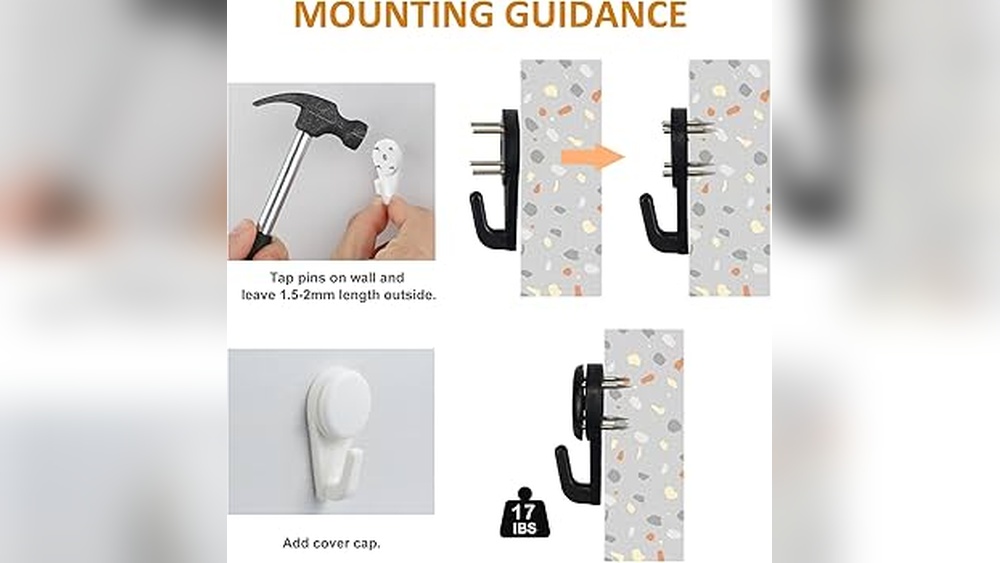
Check your wall type before hanging hooks. Drywall needs anchors to hold weight safely. Wooden walls allow direct screwing of hooks for strong support. Brick or concrete walls require special drill bits and anchors. Proper installation avoids damage and keeps hooks sturdy.
Special Considerations
Choosing the right height for coat hooks needs special care. Different users and purposes affect the placement. Consider who will use the hooks and what they will hold. This makes the space both useful and neat.
Think about children, people with special needs, and the style of hooks. These points help decide the best height for hanging coat hooks.
Hooks For Kids
Hooks for children should be low on the wall. Around 3 to 4 feet high works well. Kids can reach their coats and bags easily. This helps them learn to hang items by themselves. Bright colors and fun shapes make hooks more inviting.
Accessibility Needs
Hooks for people with disabilities need careful placement. Lower heights, about 3 to 4 feet, suit wheelchair users. Hooks should be easy to grab without stretching. Make sure the area around hooks is clear. This gives enough space to move comfortably.
Decorative Vs Functional Hooks
Decorative hooks may hang higher than functional ones. They add style but hold less weight. Functional hooks need to be at practical heights, around 5 to 6 feet. Choose strong hooks for heavy coats. Balance looks with how you use the hooks daily.
Installation Best Practices
Proper installation of coat hooks ensures they stay strong and safe. Following best practices helps avoid damage to your walls and keeps hooks stable. This section covers key points for a smooth and lasting installation.
Choosing The Right Hardware
Select hardware that fits your wall type. Drywall requires anchors for extra support. Use screws long enough to hold the hook firmly. Metal hooks need strong screws or bolts. For wooden walls, wood screws work best. Match the hardware size to the hook weight limit.
Tools Required
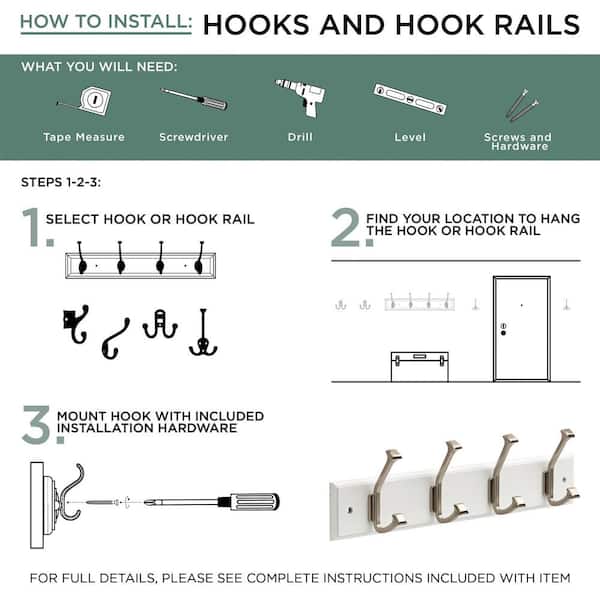
Gather all tools before starting. A drill helps make pilot holes quickly. Use a screwdriver for tightening screws. A tape measure ensures accurate hook height. A level keeps hooks straight and even. Pencil marks show where to drill.
Step-by-step Hanging Guide
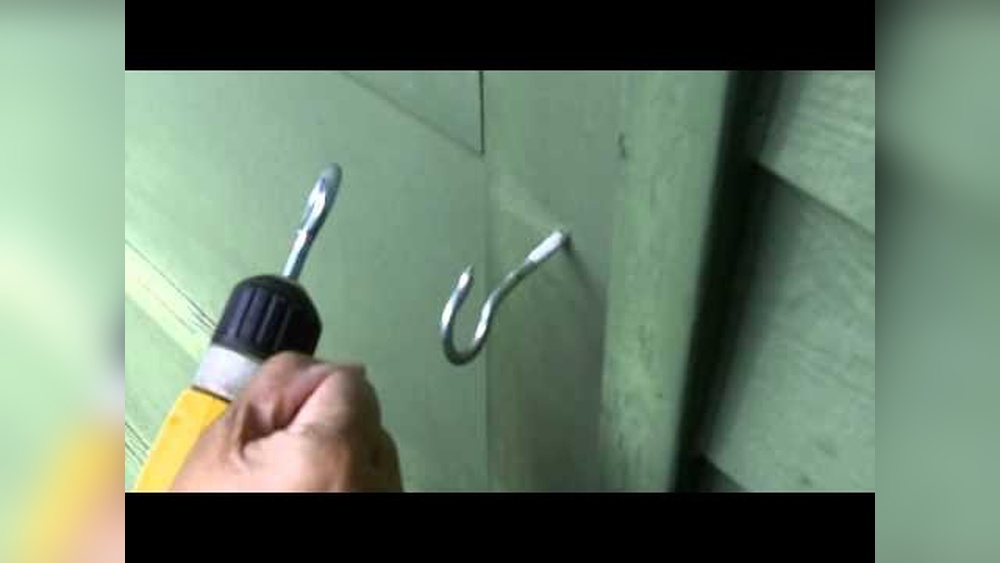
Measure the desired height for your coat hooks. Mark the spots on the wall with a pencil. Drill pilot holes to prevent wall damage. Insert anchors if the wall needs them. Align the hook with the holes. Screw the hook firmly into place. Check the hook is level and secure. Test by gently pulling on the hook.

Credit: www.wikihow.com

Credit: vixencomposites.com
Frequently Asked Questions
How High Should Coat Hooks Be Hung On A Wall?
Coat hooks are typically hung at 5 to 6 feet from the floor. This height accommodates most adults and children. Adjust height based on user needs for comfort and ease of use. Proper height ensures coats hang neatly without touching the ground.
What Factors Affect Coat Hook Hanging Height?
Consider user height, hook size, and coat length. Also, room purpose and wall space influence hook placement. For children, lower hooks are ideal. In entryways, higher hooks prevent clutter and allow longer coats to hang freely.
Can Coat Hooks Be Hung At Different Heights?
Yes, hanging hooks at varied heights is practical. Use lower hooks for kids and higher ones for adults. This arrangement maximizes space and usability. It also helps organize coats, bags, and accessories efficiently.
Why Is Correct Coat Hook Height Important?
Correct height prevents coats from dragging on the floor. It improves accessibility for all users. Proper placement enhances room organization and appearance. It also extends the life of coats by avoiding dirt and damage.
Conclusion
Choosing the right height for coat hooks makes a big difference. Hang them where everyone can reach easily. Think about who will use the hooks the most. Keep the height comfortable for kids and adults alike. A good spot keeps your space neat and organized.
Simple steps can help you find the best place. Enjoy a tidy wall and easy access to coats every day.