
Are you looking to hang something sturdy on your wall and wondering how to put an eye hook in the wall the right way? Whether it’s for a plant, a picture, or some other decoration, getting it done correctly is key to keeping your items safe and secure.
You might think it’s a simple task, but there are important steps to follow that can save you from damage or frustration later. In this guide, you’ll learn exactly what tools you need, how to find the best spot on your wall, and the simple technique to install an eye hook that holds strong.
Keep reading, and you’ll gain the confidence to tackle this project quickly and easily.
Choosing The Right Eye Hook
Choosing the right eye hook is important for a safe and strong hold. The correct eye hook fits the wall type and the weight you plan to hang. Picking the wrong one might cause damage or make the hook fall out. Understanding the types, materials, and size options helps you choose the best eye hook for your project.
Types Of Eye Hooks
Eye hooks come in many styles. Some have sharp threads for wood walls. Others have coarse threads for drywall or masonry. There are also screw-in hooks and ones that need anchors. Each type suits different wall materials and uses. Choose one that matches your wall to get a firm grip.
Material Considerations
Eye hooks are made from steel, brass, or stainless steel. Steel hooks are strong and cheap but can rust. Brass hooks resist rust but are less strong. Stainless steel works well indoors and outdoors. Pick a material that matches the environment and holds up over time.
Size And Weight Capacity
Eye hooks come in different sizes and weight limits. Bigger hooks hold more weight but need larger holes. Small hooks fit light items like picture frames. Check the weight of what you want to hang. Match the hook size and weight capacity for safety.
Credit: todayshomeowner.com
Tools And Materials Needed
To put an eye hook in the wall, having the right tools and materials is important. These items make the job easier and safer. Preparing everything before you start will save time and effort.
Essential Tools
You need a drill to make a hole in the wall. A drill bit matching the size of the wall plug or anchor is also necessary. A screwdriver helps to tighten the eye hook firmly. A pencil is useful to mark the spot on the wall. A tape measure ensures you place the hook at the right height.
Optional Accessories
Wall plugs or anchors add extra support, especially for drywall or plaster walls. A level can help keep the eye hook straight. Safety glasses protect your eyes from dust and debris. Gloves protect your hands during the work. A stud finder helps locate wooden studs behind the wall for stronger support.
Preparing The Wall
Preparing the wall is the first step to install an eye hook safely. It helps the hook hold weight without damaging the wall. This part needs care and the right tools. Follow simple steps for a strong, secure hook.
Locating Studs Or Anchors
Find a stud behind the wall for the best support. Use a stud finder tool to locate it. Studs are wooden beams inside the wall that hold heavy items well. If no stud is where you want the hook, use wall anchors. Anchors give extra strength in drywall or plaster.
Marking The Spot
Mark the exact spot for the eye hook with a pencil. Double-check the position before drilling or screwing. A clear mark guides you to place the hook correctly. This step avoids mistakes and makes the task easier.

Credit: www.youtube.com
Installing The Eye Hook
Installing an eye hook in the wall is simple if you follow the right steps. Start with the right tools: a drill, screwdriver, and possibly wall anchors. Take your time to make sure the eye hook stays secure and holds the weight you need. Proper installation helps avoid damage to your wall and keeps your items safe.
Drilling A Pilot Hole
Begin by marking the spot where you want the eye hook. Use a small drill bit to create a pilot hole. The hole should be slightly smaller than the eye hook’s shaft. This makes it easier to screw in the hook and prevents the wall from cracking. Drill straight into the wall for a firm hold.
Screwing In The Hook
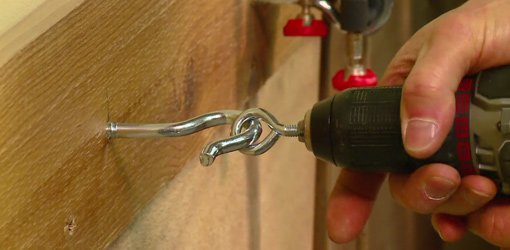
Hold the eye hook by its ring and place the shaft into the pilot hole. Turn the hook clockwise using your hand. If it is hard to turn, use pliers for better grip. Screw it in until the base is flush with the wall. Avoid over-tightening to prevent damage.
Using Wall Anchors For Extra Support
For heavy items, wall anchors add extra strength. Insert the anchor into the pilot hole first. Tap it lightly with a hammer if needed. Then, screw the eye hook into the anchor. Anchors spread the weight and protect the wall. This step is key for drywall or hollow walls.
Testing The Hook’s Strength
Testing the strength of your eye hook is important. It ensures the hook will hold what you plan to hang. A loose or weak hook can cause damage or injury. Take time to check the hook’s grip on the wall. This step keeps your project safe and secure.
Applying Gradual Pressure
Start by gently pulling on the hook. Use a slow, steady force to avoid sudden stress. Increase the pressure bit by bit. Watch how the hook reacts to the weight. Stop if you see any movement or hear a sound. Gradual pressure helps find the hook’s limit safely.
Ensuring Secure Hold
After testing, check the hook’s position. It should not wiggle or shift in the wall. Use your fingers to feel for any looseness. A solid hold means the hook is ready to use. If it moves, tighten it or choose a new spot. A secure hook protects your walls and items.

Credit: www.wikihow.com
Common Mistakes To Avoid
Putting an eye hook in the wall might seem simple. Many people make mistakes that cause problems. These errors can weaken the hook or damage the wall. Avoid these common mistakes to ensure a safe and strong installation.
Overloading The Hook
One big mistake is using the hook for too much weight. Every eye hook has a weight limit. Exceeding this limit can cause the hook to bend or pull out. Check the weight of the item before hanging it. Use a stronger hook if needed.
Ignoring Wall Material
Not all walls are the same. Drywall, plaster, brick, and concrete need different hooks and tools. Using the wrong hook for your wall type can cause damage or failure. Identify your wall material first. Choose hooks and anchors that fit the wall.
Improper Installation Techniques
Installing the hook incorrectly is common. Twisting the hook too hard or not drilling a pilot hole can weaken the wall. Use a drill to make a small hole first. Screw the hook in by hand slowly and straight. This keeps the hook secure and the wall safe.
Maintenance Tips For Longevity
Maintaining an eye hook in the wall ensures it stays safe and strong. Small care steps help the hook last longer and hold weight well. Follow simple tips to keep your eye hook in good condition.
Regular Inspections
Check the eye hook often for any signs of wear or damage. Look for rust, bending, or cracks in the metal. Also, check the wall around the hook for any cracks or loose spots. Early detection prevents accidents and costly repairs. Use a flashlight to see clearly in darker areas.
Tightening And Adjustments
Over time, eye hooks can become loose from use or vibrations. Use a wrench or pliers to tighten the hook gently. Avoid forcing it too hard to prevent damage. Adjust the hook so it sits firmly in the wall without wobbling. A secure hook holds weight safely and lasts longer.
Frequently Asked Questions
How Do You Choose The Right Eye Hook For Walls?
Select an eye hook based on wall material and weight load. Use heavy-duty hooks for drywall and masonry anchors for concrete. Ensure the hook size fits the intended use to provide secure support and prevent damage or accidents.
What Tools Are Needed To Install An Eye Hook?
You need a drill, screwdriver, wall anchors, and a pencil. A stud finder helps locate studs in drywall. These tools ensure precise placement and secure installation of the eye hook in your wall.
Can You Install An Eye Hook Without A Stud?
Yes, use wall anchors designed for drywall or masonry. Anchors distribute weight and prevent damage. Avoid hanging heavy items without proper support to ensure safety and stability.
How Deep Should You Screw An Eye Hook?
Screw the eye hook until the base is flush with the wall. This ensures maximum grip and support. Avoid over-tightening to prevent damaging the wall or the hook.
Conclusion
Putting an eye hook in the wall is easy with the right steps. Choose a strong spot and mark it clearly. Use a drill or screwdriver to make space. Screw the eye hook in slowly and firmly. Check that it holds tight before hanging anything.
This simple task helps you organize and decorate your space better. Try it yourself and see how useful eye hooks can be. Small efforts like this make your home more functional every day.