If you use a floor jack regularly, you know how important it is to keep it in top shape. One key part of maintenance is refilling the fluid.
Without the right fluid level, your jack won’t lift smoothly or safely. But don’t worry—refilling the fluid is easier than you might think. In this guide, you’ll learn simple steps to get your floor jack working like new again. Keep reading, and you’ll save time, avoid costly repairs, and make sure your jack is always ready when you need it.
Tools And Materials Needed
Refilling the fluid in a floor jack requires the right tools and materials. Having these ready makes the job easier and faster. It also helps avoid mistakes that can damage the jack.
Gather everything before starting. This saves time and prevents interruptions. Below are the key tools and materials needed for this task.
Hydraulic Jack Fluid
Use the correct hydraulic fluid recommended by the jack’s manufacturer. Avoid using brake fluid or other liquids. Proper fluid ensures smooth operation and longer jack life.
Clean Rags Or Towels
Keep clean rags handy to wipe spills and clean parts. This prevents dirt from entering the jack and keeps your workspace tidy.
Flathead Screwdriver Or Wrench
You need a flathead screwdriver or wrench to open the fluid reservoir. Check your jack’s manual to know which tool fits best.
Funnel Or Small Pouring Container
A funnel or a small container helps pour fluid without spilling. It makes refilling neat and precise.
Protective Gloves
Wear gloves to protect your hands from hydraulic fluid. Fluid can irritate skin and be hard to wash off.
Safety Precautions
Refilling the fluid in a floor jack requires careful attention to safety. Handling hydraulic fluid and heavy equipment can be risky. Taking the right precautions protects you and your tools.
Safety comes first before starting any maintenance task. Follow these steps to work safely and avoid accidents.
Wear Protective Gear
Always wear gloves to protect your hands from hydraulic fluid. Safety glasses shield your eyes from splashes. Use old clothes or a coverall to keep your skin clean.
Work On A Stable Surface
Place the floor jack on a flat, solid surface. Avoid working on slopes or uneven ground. This prevents the jack from slipping or tipping over.
Release Pressure Before Refilling
Lower the jack completely to release any built-up pressure. Pressurized fluid can spray out and cause injury. Make sure the jack is at its lowest point before opening the fluid reservoir.
Use The Correct Fluid
Only use the fluid type recommended by the manufacturer. Using the wrong fluid can damage the jack. Check the user manual or the label for the right fluid.
Keep Away From Flames
Hydraulic fluid is flammable. Do not smoke or work near open flames. Keep a fire extinguisher nearby for extra safety.
Clean Spills Immediately
Wipe up any fluid spills right away. Hydraulic fluid is slippery and can cause falls. Use absorbent materials and dispose of them properly.
Locating The Fluid Reservoir
Refilling the fluid in a floor jack starts with finding the fluid reservoir. This step is crucial. Without knowing where the reservoir is, you cannot add fluid. The reservoir holds the hydraulic fluid that powers the jack’s lifting mechanism.
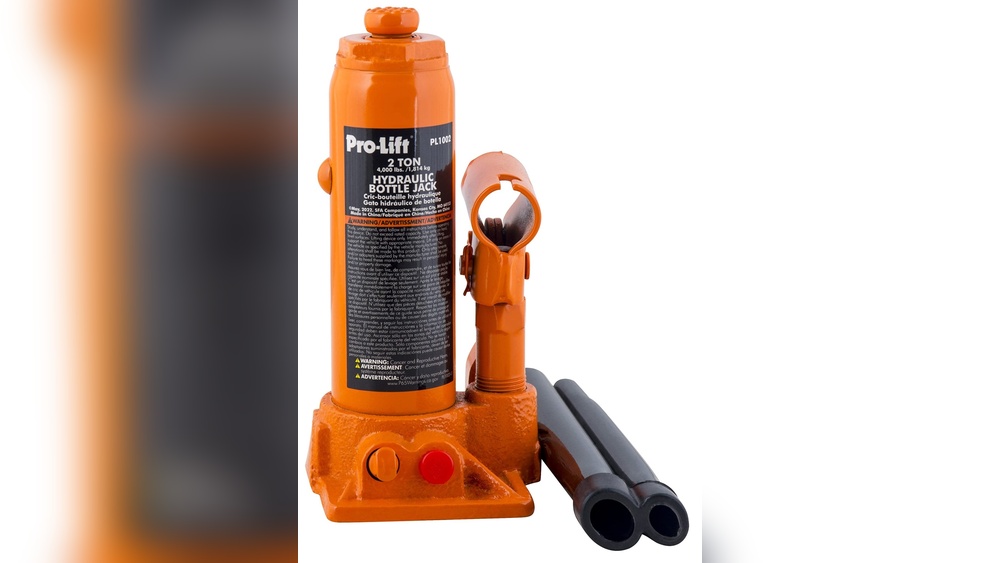
Locating the fluid reservoir can vary by floor jack model. Most jacks have a small, round cap or plug. This cap covers the reservoir and keeps the fluid inside. You need to open this cap to refill the fluid.
Check The Owner’s Manual
The owner’s manual is the best guide. It shows the exact spot of the fluid reservoir. Manuals often include pictures or diagrams. These visuals help you spot the reservoir quickly.
Look Near The Base
Most reservoirs sit near the base of the floor jack. Look for a small round plug or cap. It might have a symbol of a droplet or fluid. This marks the reservoir location.
Identify The Fill Cap
The fill cap is usually a screw or pop-off type. It may be metal or plastic. You need to unscrew or pull it off carefully. This gives access to the fluid reservoir.
Clean Around The Cap
Before opening, clean the area around the cap. Dirt or debris can enter the reservoir. This may damage the jack’s hydraulic system. Use a clean cloth to wipe the cap area.

Credit: www.youtube.com
Draining Old Fluid
Draining old fluid from a floor jack is a key step in maintenance. Over time, the fluid becomes dirty and less effective. Removing it helps keep the jack working smoothly and safely.
This process is simple but requires care. Using the right tools and following steps ensures no mess or damage. Clean fluid improves lifting power and extends the jack’s life.
Prepare The Floor Jack And Workspace
Place the floor jack on a flat, stable surface. Keep some old towels or rags nearby to catch any spills. Make sure the jack is lowered completely. Wear gloves to protect your hands from the old fluid.
Locate The Fluid Drain Plug
Find the drain plug under the jack’s base. It is usually a small bolt or screw. Use a wrench or screwdriver to loosen it. Be ready for fluid to start dripping out once opened.
Drain The Old Fluid Safely
Place a container under the drain plug to catch the fluid. Slowly remove the plug and let the fluid flow out. Do not rush. Wait until all the old fluid has drained completely.
Clean And Replace The Drain Plug
Wipe the drain plug clean with a cloth. Check it for damage or wear. Screw the plug back tightly to stop leaks. Make sure it is secure but do not over-tighten.
Choosing The Right Hydraulic Fluid
Choosing the right hydraulic fluid is key for your floor jack’s smooth work. Use clean, recommended fluid to avoid damage and keep it lifting well. Check the manual to pick the correct type before refilling.
Understanding Hydraulic Fluid Types
Choosing the right hydraulic fluid is key to your floor jack’s performance. Different fluids suit different jacks. Some use mineral oil, while others need synthetic fluids. Check your floor jack’s manual for the recommended type. Using the wrong fluid can cause damage and reduce the jack’s lifespan.
Viscosity Matters
Viscosity means how thick or thin a fluid is. The right viscosity ensures smooth jack operation. Too thick fluid can slow the jack. Too thin fluid may leak or fail to lift properly. Choose a fluid with the viscosity rating recommended by the manufacturer. This keeps your jack working safely and effectively.
Consider Fluid Cleanliness
Clean hydraulic fluid protects your floor jack. Dirt or water in the fluid can cause wear and rust inside the jack. Always use fresh, clean fluid from a sealed container. Avoid reusing old fluid. Keeping the fluid clean extends the jack’s life and prevents costly repairs.
Check For Additives
Some hydraulic fluids contain additives to improve performance. Anti-wear and anti-corrosion additives help protect the jack’s parts. Use fluids with these additives if the manual suggests them. They help the jack last longer and work better under pressure.
Refilling The Fluid
Refilling the fluid in a floor jack is an important task. It keeps the jack working smoothly and safely. Over time, the fluid level can drop or get dirty. Refilling the fluid helps maintain good pressure for lifting.
Follow simple steps to refill your floor jack fluid. Use the right type of hydraulic oil. Avoid using other liquids. This ensures the jack works properly and lasts longer.
Prepare The Floor Jack
Place the floor jack on a flat surface. Lower the jack completely. Clean the area around the fill plug. This stops dirt from entering the system.
Locate And Remove The Fill Plug
Find the fill plug on the jack. It is usually near the hydraulic cylinder. Use a wrench or screwdriver to remove it. Keep the plug safe for later.
Add The Correct Hydraulic Fluid
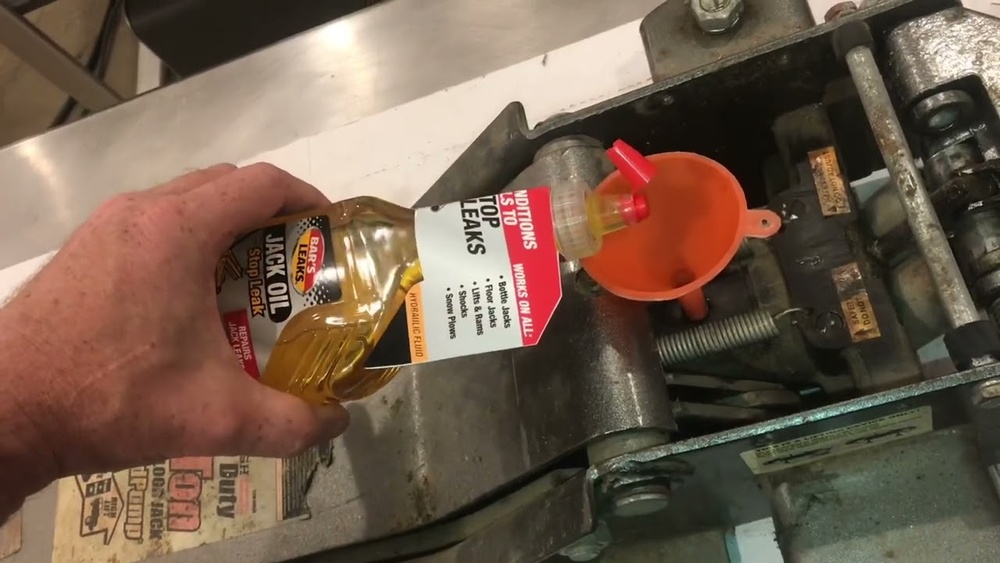
Use a funnel to pour the fluid. Pour slowly to avoid spills. Fill until the fluid reaches the bottom of the fill hole. Do not overfill the jack.
Replace The Fill Plug And Test
Put the fill plug back in place. Tighten it securely. Pump the jack handle a few times. Check for smooth movement and leaks.
Bleeding Air From The Jack
Bleeding air from a floor jack is an important step after refilling its fluid. Air trapped inside the jack can cause it to work poorly. The jack may feel spongy or not lift properly. Removing this air improves the jack’s performance and safety.
This process helps the hydraulic system to function smoothly. It ensures the fluid moves correctly inside the jack. Without bleeding air, the jack might fail during use.
Locate The Bleed Valve
Find the bleed valve on your floor jack. It is usually near the fluid reservoir. The valve lets trapped air escape from the system. Use a wrench or screwdriver to open it carefully.
Pump The Jack Slowly
After opening the bleed valve, pump the jack handle slowly. This action pushes air out with the fluid. Watch for bubbles coming out of the valve. Stop pumping when no more bubbles appear.
Close The Bleed Valve
Once air stops escaping, tighten the bleed valve securely. This prevents fluid from leaking out. Check the jack for any fluid leaks after closing the valve.
Test The Jack’s Operation
Test the floor jack by lifting a small load. It should lift smoothly without any jerking. If the jack feels firm and steady, the air is removed. Repeat bleeding if the jack still feels spongy.

Credit: www.wikihow.com
Testing The Floor Jack
Testing the floor jack after refilling its fluid is essential. It checks if the jack works smoothly and safely. A proper test helps avoid accidents and damage to your vehicle. Follow these simple steps to ensure your floor jack is ready for use.
Check For Leaks
Place the floor jack on a clean, dry surface. Pump the handle a few times and watch for fluid leaks. Look under and around the jack carefully. Any wet spots mean the fluid may still escape. Fix leaks before using the jack again.
Test Lifting Capability
Find a sturdy object to lift, like a heavy box or wooden block. Position the jack under it and slowly pump the handle. The jack should lift the weight smoothly and hold it steady. If it struggles or drops, the fluid refill may be insufficient or incorrect.
Inspect The Release Valve
Turn the release valve slowly while the jack holds the weight. The jack should lower the object smoothly without sudden drops. If it lowers too fast or not at all, the valve or fluid level may need adjustment. This step ensures safe operation.
Maintenance Tips To Extend Jack Life
Proper maintenance helps your floor jack last longer and work better. Small care steps keep the jack safe and strong. This section shares easy tips to protect your jack’s parts and keep the fluid clean.
Following these tips saves money on repairs and avoids sudden breakdowns. A well-maintained jack lifts smoothly and stays reliable for years.
Check Fluid Levels Regularly
Look at the fluid level every few uses. Low fluid makes the jack weak and slow. Fill it with the right hydraulic oil to keep pressure strong. Use clean oil to avoid dirt inside.
Keep The Jack Clean
Wipe dirt and dust off the jack after use. Clean parts reduce wear and prevent rust. Dirt can damage seals and cause leaks. Store the jack in a dry place to stop rust.
Inspect For Leaks And Damage
Look for oil leaks or cracks on the jack. Leaks lower performance and cause safety risks. Replace damaged parts right away. Tighten loose bolts to avoid accidents.
Lubricate Moving Parts
Apply grease or light oil to joints and wheels. Smooth movement lowers stress on parts. Avoid using too much lubricant. Excess oil attracts dirt and dust.
Release Pressure After Use
Lower the jack fully after work. Releasing pressure stops strain on seals and valves. It helps fluid flow back and keeps the system balanced.

Credit: www.wikihow.com
Frequently Asked Questions
How Often Should I Refill Floor Jack Fluid?
Refill your floor jack fluid when lifting power decreases or leaks appear. Check fluid levels every 6 months. Proper fluid ensures smooth operation and prevents damage. Use manufacturer-recommended hydraulic fluid for best results. Regular maintenance extends the jack’s lifespan and safety.
What Type Of Fluid Is Best For Floor Jacks?
Use high-quality hydraulic jack oil or brake fluid as specified by the manufacturer. Avoid using motor oil or other fluids. Correct fluid maintains hydraulic pressure and prevents corrosion. Always consult your jack’s manual for the recommended fluid type to ensure optimal performance.
How Do I Safely Refill Floor Jack Fluid?
First, lower the jack completely and clean around the fill plug. Unscrew the fill plug carefully. Add recommended hydraulic fluid slowly to avoid air bubbles. Do not overfill; leave space for fluid expansion. Replace the plug securely before testing the jack’s lift.
Can I Use Brake Fluid In My Floor Jack?
Only use brake fluid if the manufacturer allows it. Some jacks require specific hydraulic oil instead. Using incorrect fluid can damage seals and reduce performance. Always check the user manual before adding any fluid. Using the right fluid ensures safe and efficient operation.
Conclusion
Refilling the fluid in a floor jack keeps it working well. Check the fluid level often to avoid damage. Use the right type of hydraulic fluid every time. Clean the area before opening the jack to stop dirt inside. Follow safety steps to protect yourself during the process.
Regular care helps your floor jack last longer and work smoothly. Simple steps can save you time and money later. Keep your tools ready for any lifting task ahead.