If you use a floor jack regularly, you know how important it is to keep it in top shape. One key part of maintenance is making sure your floor jack has enough fluid.
Without the right fluid level, your jack won’t lift properly, and that can put your safety at risk. But don’t worry—refilling your floor jack fluid is easier than you might think. In this guide, you’ll learn exactly how to check and refill the fluid step-by-step, so your jack works smoothly every time you need it.
Keep reading to avoid costly repairs and stay safe while working on your vehicle.
Signs Of Low Floor Jack Fluid
Low floor jack fluid affects your jack’s ability to lift heavy loads. It can cause the jack to work slower or fail completely. Spotting the signs early helps keep your jack safe and effective. Watch for changes in how the jack feels and performs during use.
Identifying Jack Performance Issues
A jack with low fluid moves slowly or jerks during lifting. It may not hold weight as steadily as before. You might hear strange noises like hissing or grinding. The handle may feel loose or harder to pump. These signs suggest the hydraulic system lacks enough fluid.
Checking Fluid Levels
Find the fluid reservoir on your floor jack. Clean the area before opening to avoid dirt inside. Remove the cap and check the fluid level. It should be near the top but not overflowing. If the fluid looks dark or dirty, it needs changing. Low or dirty fluid reduces jack performance and safety.

Credit: www.wikihow.com
Tools And Materials Needed
Refilling the fluid in a floor jack requires specific tools and materials. Having the right items ensures the process is smooth and safe. Knowing what you need helps avoid mistakes and damage to the jack.
Types Of Floor Jack Fluids
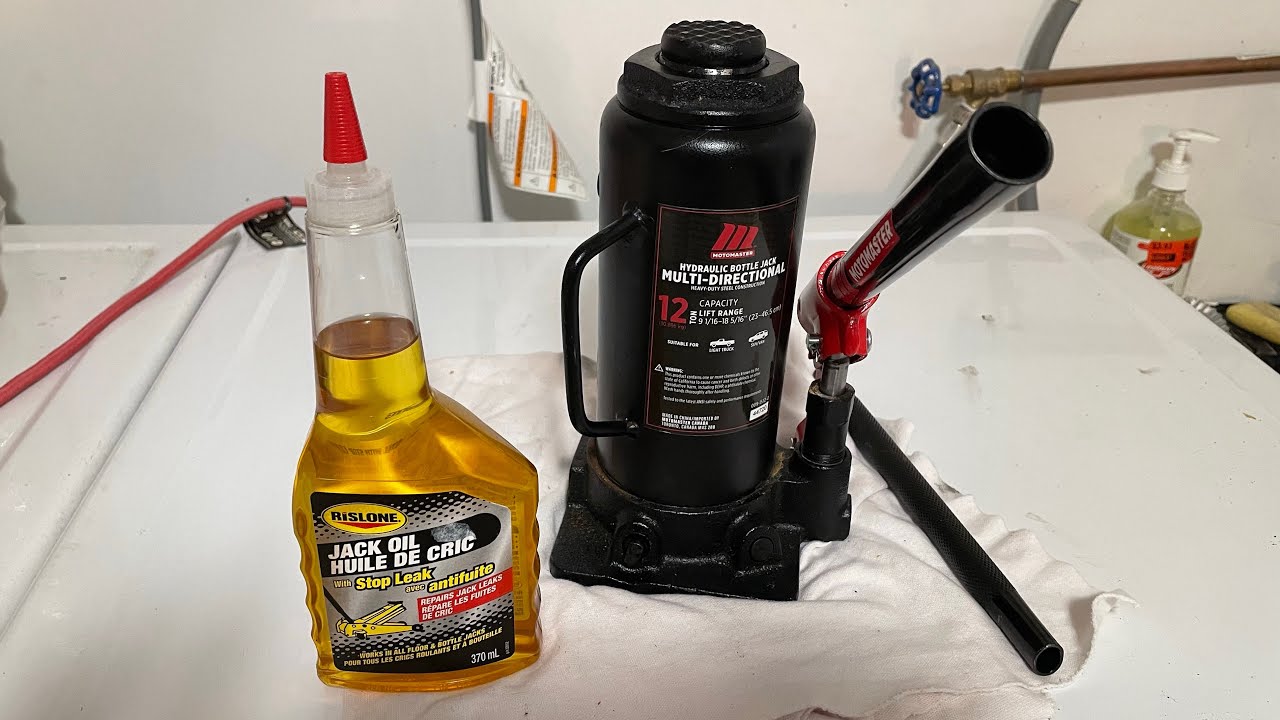
Floor jacks use hydraulic fluid to operate. Most use a type of oil called hydraulic jack oil. Some models can use automatic transmission fluid (ATF), but check your manual first. Avoid using brake fluid or motor oil. These can harm the jack’s seals and parts. Choose the fluid type recommended by the manufacturer. This keeps the jack working well and lasts longer.
Essential Tools For Refilling
You need a few simple tools to refill floor jack fluid. A clean funnel helps pour fluid without spills. A flathead screwdriver or wrench is required to open the fill plug. Use a clean rag to wipe any spills or dirt. Having gloves keeps your hands clean and safe. A container to catch old fluid is useful if you drain it first. These basic tools make the job easier and cleaner.
Preparing The Floor Jack
Preparing the floor jack properly is the first step to refill its fluid safely. Careful preparation helps avoid damage and spills. It also ensures the jack works well after refilling.
Before adding new fluid, you must clean and position the jack correctly. These tasks make the refilling process easier and safer. Follow the right steps to protect yourself and the tool.
Cleaning The Jack
Start by wiping the outside of the jack with a clean cloth. Remove dirt, grease, and dust from all surfaces. Check the fluid reservoir area and clear any grime around the cap. This prevents dirt from entering when you open it. Clean parts help the jack last longer and work better.
Positioning For Safe Refilling
Place the floor jack on a flat, solid surface. Avoid sloped or uneven floors. This keeps the jack stable during refilling. Make sure the jack is lowered fully before opening the fluid cap. Stability prevents accidents and spills. Keep the area well-lit and free from clutter for safety.
Credit: www.youtube.com
Draining Old Fluid
Draining old fluid from your floor jack is an important step before refilling. Old fluid can contain dirt and metal particles. These can damage the jack’s pump and seals. Removing the old fluid helps keep the jack working smoothly. It also extends the life of the tool. Follow these simple steps to drain the fluid safely and properly.
Locating The Drain Plug
First, find the drain plug on your floor jack. Most jacks have a small plug at the base or near the oil reservoir. Check the user manual if you are unsure. Use a wrench or screwdriver to loosen the plug. Place a container under the jack to catch the old fluid. Slowly open the plug and let the fluid drain out completely. Be careful not to spill the fluid on the floor.
Proper Disposal Methods
Used floor jack fluid is hazardous waste. Do not pour it down drains or on the ground. Collect the drained fluid in a sealed container. Take it to a local recycling center or hazardous waste facility. Many auto shops accept used hydraulic fluid for recycling. Proper disposal protects the environment and follows local laws. Always clean any spills immediately with absorbent materials.
Refilling With New Fluid
Refilling your floor jack with new fluid is an important step to keep it working well. The fluid helps the jack lift heavy loads smoothly and safely. Using fresh fluid ensures the jack stays in good shape and lasts longer.
Follow simple steps to refill the fluid correctly. This helps avoid damage and keeps the jack ready for use.
Opening The Fill Port
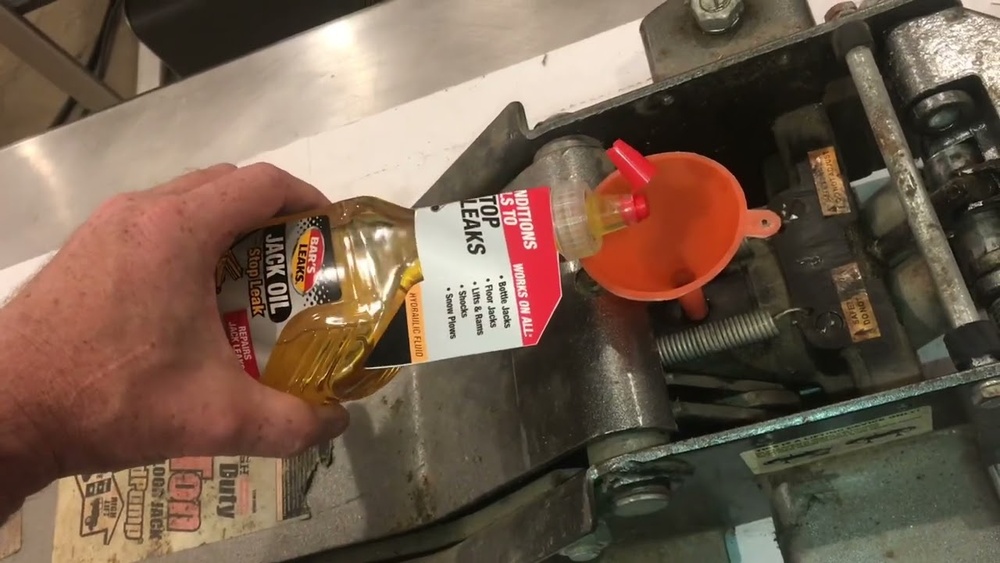
Locate the fill port on your floor jack. It is usually a small plug or cap on the side or top. Clean the area around the port to stop dirt from entering. Use a wrench or your hand to remove the plug carefully.
Pouring Fluid Correctly
Use the correct type of hydraulic fluid for your jack. Pour the fluid slowly into the fill port. Avoid rushing to prevent spills. Stop pouring once the fluid reaches the right level.
Avoiding Overfilling
Check the fluid level often while filling. Overfilling can cause leaks and damage the jack. Leave some space for fluid expansion. Replace the fill port plug tightly after refilling.

Credit: www.wikihow.com
Bleeding Air From The System
Bleeding air from the floor jack system is a key step in refilling its fluid. Air trapped inside can cause the jack to lose pressure. This reduces its lifting power and makes it unsafe. Removing air ensures smooth and reliable operation. Follow clear steps to bleed the air properly for best results.
Why Bleeding Matters
Air in the hydraulic system lowers jack performance. It makes the lift feel spongy or weak. This happens because air compresses under pressure. Fluid, on the other hand, does not compress. Removing air keeps the jack firm and strong.
Bleeding also protects the jack parts. Air bubbles can cause damage over time. They create uneven pressure and wear out seals faster. A properly bled system lasts longer and works better.
Step-by-step Bleeding Process
Start by opening the release valve on the jack. This lets pressure and air escape.
Next, pump the jack handle slowly several times. This moves fluid and pushes air out.
Keep the valve open during this pumping. Watch for bubbles in the fluid.
Close the release valve once no more air escapes. This traps only fluid inside.
Check the fluid level again. Top it up if needed to avoid new air entry.
Test the jack lift to feel for firmness. Repeat bleeding if it still feels soft.
Testing The Floor Jack
Testing the floor jack after refilling the fluid is very important. It makes sure the jack works safely and correctly. A proper test can show if the fluid refill was done well. It also helps find any problems early. Follow these simple steps to test your floor jack.
Checking For Smooth Operation
Start by pumping the jack handle slowly. The jack should lift smoothly without jerks or noises. Watch the lifting arm rise steadily each pump. If it feels stiff or uneven, the fluid might not be enough. Or there could be air trapped inside. Pump the handle several times to remove air bubbles. The movement should be easy and steady every time.
Inspecting For Leaks
Look closely around the jack for any fluid leaks. Check under the jack and near the fluid reservoir. Fluid drops or wet spots mean a leak is present. Leaks can lower fluid levels and reduce jack power. Tighten loose fittings or replace damaged seals if needed. Keep the jack clean to spot leaks quickly in the future.
Maintenance Tips
Proper maintenance keeps your floor jack working well. Simple steps help avoid damage and costly repairs. Checking and storing the jack correctly extends its life. Follow these easy tips for smooth operation.
Regular Fluid Checks
Check the fluid level often. Low fluid makes the jack weak. Open the fill plug to see the fluid inside. Use clean hydraulic jack fluid only. Top off the fluid if it is low. Avoid overfilling to prevent leaks. Watch for dirty or cloudy fluid. Replace it if the fluid looks bad.
Storage Recommendations
Store the floor jack in a dry place. Moisture can cause rust and damage. Keep the jack lowered when not in use. This reduces pressure on the seals. Cover the jack with a cloth or plastic sheet. Protect it from dust and dirt. Avoid storing near heat or direct sunlight. This keeps the fluid and parts in good shape.
Frequently Asked Questions
How Often Should I Refill Floor Jack Fluid?
Refill floor jack fluid when you notice sluggish lifting or leaks. Typically, check every 6 to 12 months. Regular maintenance ensures smooth operation and prevents damage.
What Type Of Fluid Is Best For Floor Jacks?
Use high-quality hydraulic jack oil recommended by the manufacturer. Avoid using brake fluid or motor oil, as they can damage seals and components.
Can I Use Motor Oil Instead Of Hydraulic Fluid?
No, motor oil lacks the proper viscosity and can harm the jack’s seals. Always use the specified hydraulic fluid for safety and performance.
How Do I Safely Refill Floor Jack Fluid?
Place the jack on a level surface. Remove the fill plug, add fluid slowly, and avoid overfilling. Bleed air from the system before sealing.
Conclusion
Refilling your floor jack fluid keeps it working well and safe to use. Check the fluid level regularly to avoid problems. Use the right type of hydraulic oil for best results. Follow simple steps carefully to prevent spills or damage.
Taking care of your floor jack saves money and time. Stay safe by maintaining your tools properly. A little effort goes a long way in keeping your jack ready. Keep it clean, check fluid often, and work confidently.