Are you struggling with a loose or damaged anchor fastener? It can be frustrating when your projects don’t hold together as they should.
Fixing an anchor fastener might seem tricky, but with the right steps, you can solve the problem quickly and confidently. In this guide, you’ll discover simple and effective ways to repair your anchor fastener, saving you time and money. Keep reading to learn how to get your fix done right the first time.
Types Of Anchor Fasteners
Anchor fasteners come in many types. Each type suits different materials and weight needs. Knowing the right type helps fix anchors safely and strongly.
Expansion Anchors
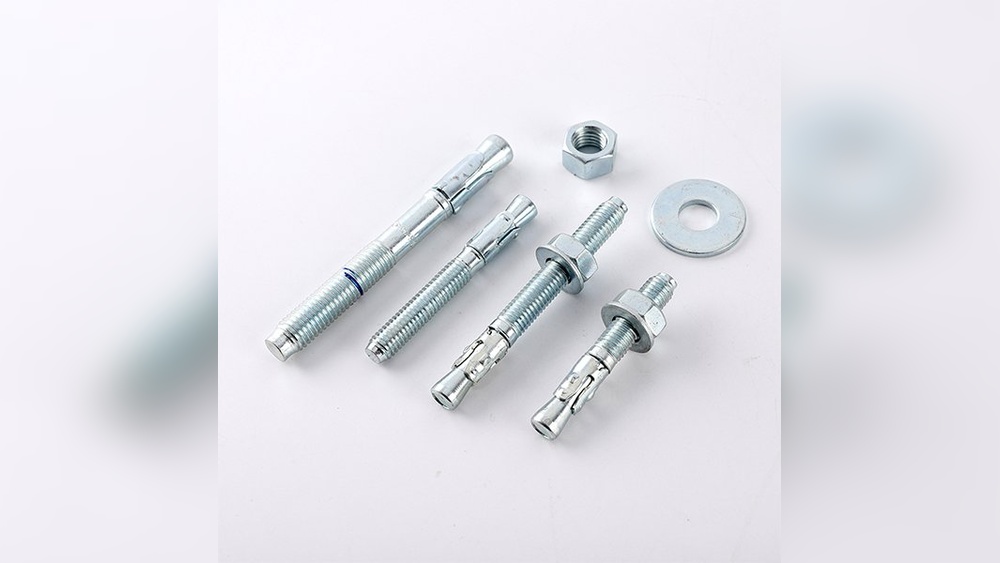
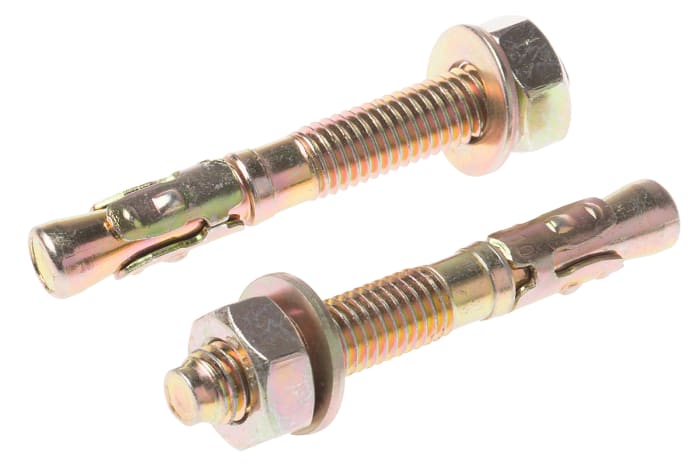
Expansion anchors work by expanding inside a hole. They grip the wall tightly when a screw is inserted. These anchors fit well in solid materials like concrete and brick. They provide strong holding power for medium loads.
Toggle Bolts
Toggle bolts have spring-loaded wings that open inside hollow walls. The wings spread the load over a large area. They are best for drywall and hollow spaces. Toggle bolts hold heavy objects securely in weak walls.
Sleeve Anchors
Sleeve anchors have a metal sleeve around the bolt. When tightened, the sleeve expands to grip the material. These anchors work in concrete, brick, and block. They offer strong support for heavy fixtures.
Chemical Anchors
Chemical anchors use a special resin to bond the fastener to the hole. The resin hardens and creates a strong hold. They are ideal for uneven or cracked surfaces. Chemical anchors hold heavy loads and resist vibrations well.
Common Anchor Fastener Issues
Anchor fasteners play a key role in holding things firmly in place. Problems with these fasteners can cause safety risks and damage. Understanding common issues helps fix them quickly. This section covers typical problems you might face with anchor fasteners.
Loose Anchors
Loose anchors happen when the fastener no longer grips the wall tightly. This can occur from vibration or poor installation. Check the anchor and tighten it properly. If the hole is too big, fill it with a suitable filler and reinstall the anchor.
Stripped Threads
Stripped threads mean the screw or bolt turns without tightening. This damage often occurs from over-tightening or using the wrong tools. Replace the screw and inspect the anchor for damage. Using a larger anchor or thread repair kit can help restore grip.
Cracked Walls
Cracks around anchors weaken the hold and the wall itself. This usually happens in drywall or masonry under heavy load. Avoid placing anchors near existing cracks. Repair wall cracks with a patch or filler before reinstalling the anchor to ensure strong support.
Corrosion Problems
Corrosion affects metal anchors, causing rust and weakening them. It happens in damp or outdoor areas. Inspect anchors regularly and replace any showing rust. Use corrosion-resistant anchors like stainless steel to prevent future problems and extend fastener life.
Tools And Materials Needed
Fixing an anchor fastener requires the right tools and materials. Having everything ready makes the repair easier and faster. This section covers the essential items needed for a successful fix.
Basic Repair Tools
Start with common tools like a drill, screwdriver, and hammer. A drill helps to remove old anchors and make new holes. Screwdrivers tighten or loosen screws in the fastener. A hammer can help to remove stubborn parts. A measuring tape ensures correct placement of anchors. Safety goggles protect your eyes during the repair.
Replacement Anchors
Choose anchors that match the size and type of the original. Plastic anchors work well for light loads and drywall. Metal anchors offer stronger support for heavy items. Expansion anchors fit tightly in concrete or brick. Carry extra anchors to avoid interruptions during the repair.
Adhesives And Fillers
Adhesives help to secure anchors in weak surfaces. Epoxy glue bonds anchors firmly in place. Construction adhesive works on various materials like wood and metal. Fillers fill damaged holes before installing new anchors. Use spackle or wood filler for small repairs. Let fillers dry completely before proceeding.
Credit: sa.rsdelivers.com
Step-by-step Repair Process
Fixing an anchor fastener needs careful steps. Each step ensures the repair is strong and lasts long. Follow this clear guide to replace a broken anchor fastener safely and correctly.
Removing The Damaged Anchor
Start by loosening the screws or bolts on the damaged anchor. Pull out the anchor gently using pliers or a screwdriver. Clean the area around the hole to remove any debris. Make sure the hole is empty before moving to the next step.
Preparing The Hole
Check the hole size and depth. Use a drill to widen the hole if needed. Clear dust and dirt from the hole using a brush or vacuum. A clean hole helps the new anchor fit tightly and hold better.
Installing A New Anchor
Choose an anchor that fits the hole size and material. Insert the anchor into the hole firmly. Tap lightly with a hammer if needed to push the anchor all the way in. The anchor should sit flush with the surface.
Securing The Fastener
Place the fastener or screw into the new anchor. Tighten it carefully with a screwdriver or drill. Avoid over-tightening to prevent damage. Test the fastener by pulling gently to ensure it is secure.
Tips For Durable Repairs
Fixing an anchor fastener takes care and the right steps. Durable repairs last longer and keep things safe. Use the right materials and methods. Follow simple tips to avoid future problems.
Choosing The Right Anchor
Select an anchor that fits the material you work with. Concrete, wood, and drywall need different types. Match the anchor size to the load it must hold. Strong anchors prevent loosening and damage.
Ensuring Proper Installation
Clean the hole before placing the anchor. Dust and debris reduce grip and strength. Use a drill bit that matches the anchor size. Insert the anchor straight and secure it firmly. Tighten it but do not overdo it.
Maintenance And Inspection
Check the fastener regularly for rust or loosening. Tighten screws and replace damaged anchors quickly. Keep the area dry to prevent corrosion. Small fixes stop bigger problems later.

Credit: www.youtube.com
When To Call A Professional
Knowing when to call a professional for fixing an anchor fastener is important. Some problems need expert skills and tools. Trying to fix these issues alone can cause more damage or safety risks. This section helps you understand the signs that call for a professional’s help.
Complex Wall Damage
Walls with cracks or large holes need special care. Anchor fasteners rely on strong walls to hold weight. If the wall is weak or damaged, the fastener may fail. Professionals can assess the damage properly. They know how to repair walls safely and install anchors securely.
Heavy Load Requirements
Fastening heavy objects requires precise work. Incorrectly installed anchors can fall and cause injury. Experts choose the right type and size of fasteners. They ensure the anchor holds the weight without risk. This prevents accidents and protects your property.
Repeated Repair Failures
Fixing the same anchor multiple times wastes time and money. Frequent failures show the problem is more serious. Professionals find the root cause of the issue. They use strong solutions that last longer. This saves you from constant repairs and frustration.
Credit: www.youtube.com
Frequently Asked Questions
What Tools Are Needed To Fix An Anchor Fastener?
You need a drill, screwdriver, hammer, and replacement anchors. Ensure you have the correct size and type for your wall material. Safety gloves and goggles are recommended to protect yourself during the process.
How Do I Remove A Broken Anchor Fastener?
Use pliers to grip and pull out the broken anchor. If stuck, drill around it carefully to loosen. Avoid damaging the wall surface for easier patching later.
Can I Reuse An Anchor Fastener After Removal?
No, reusing anchor fasteners reduces holding strength and safety. Always replace anchors with new ones suited for your wall type. This ensures a secure and long-lasting fix.
What Causes Anchor Fasteners To Fail?
Anchor failure often happens due to incorrect installation, wrong anchor type, or overloading. Moisture and wall damage can also weaken anchors over time. Proper installation and load assessment prevent failures.
Conclusion
Fixing an anchor fastener is easier than it seems. Follow the steps carefully and take your time. Check the fastener and tools before starting. Always work safely and wear protective gear. A strong anchor fastener keeps your projects secure. Practice makes the process quicker and smoother.
Keep these tips in mind for future repairs. You can trust your skills to get the job done right. Simple fixes save money and prevent bigger problems later. Stay confident and patient throughout the repair.