Are you thinking about giving your cabinet hardware a fresh new look? Maybe you have some old knobs or handles that don’t match your style anymore.
You might wonder if acrylic paint is the right choice to transform them. Can you use acrylic paint on cabinet hardware without it peeling or chipping? This question matters because the last thing you want is to spend time and effort only to see your hard work fade away.
Keep reading, and you’ll discover the simple truth about acrylic paint on hardware—and how to make your cabinets look amazing with just a few easy steps.
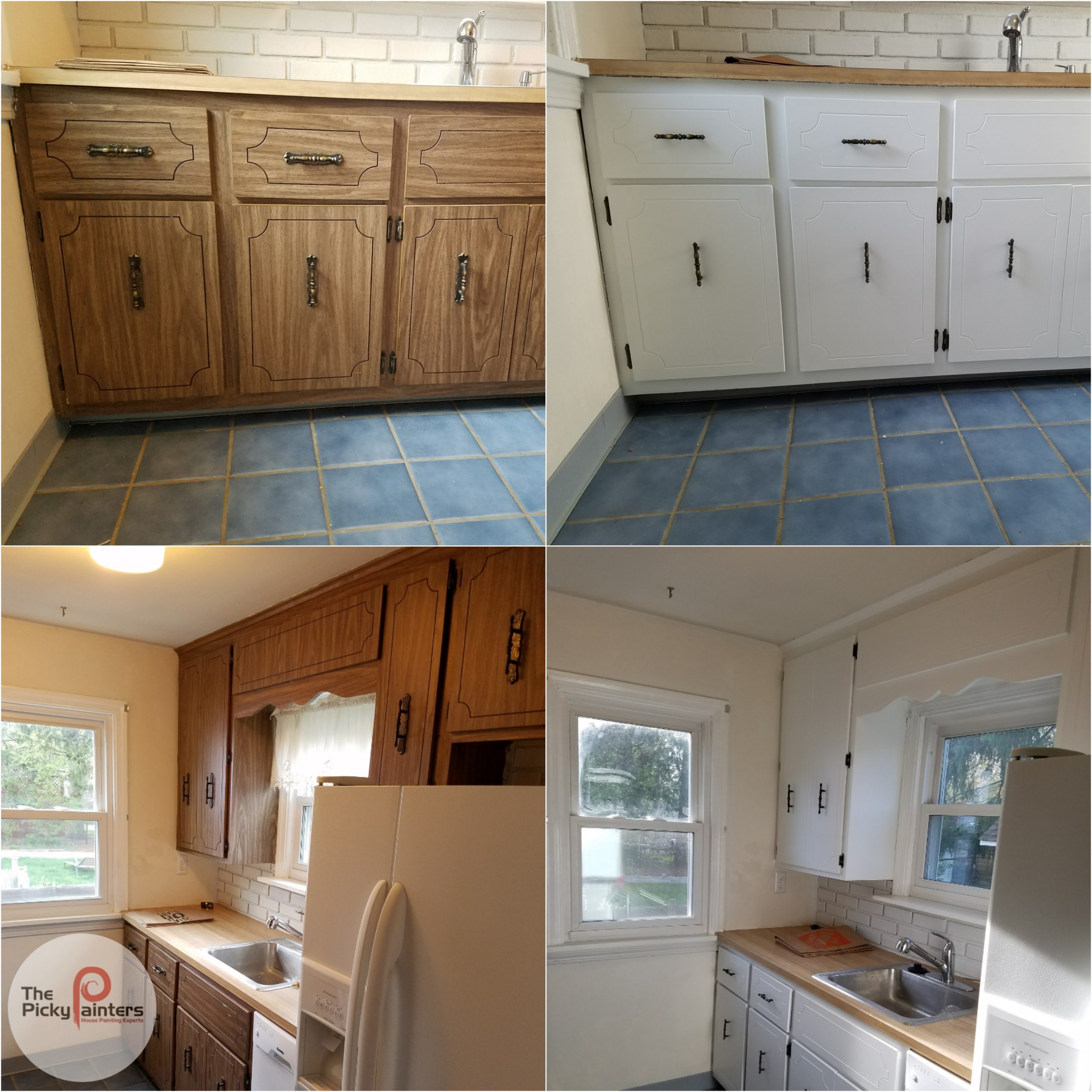
Credit: thepickypainters.com
Choosing Acrylic Paint
Choosing the right acrylic paint is important for painting cabinet hardware. The paint must stick well and last long. Not all acrylic paints work the same on metal or plastic hardware. Knowing what type and quality to pick helps get the best results.
Consider the paint’s finish and durability. It should resist scratches and wear. The right paint makes hardware look fresh and new for a long time.
Types Suitable For Hardware
Look for acrylic paints made for metal or plastic surfaces. These paints have special formulas to stick better and avoid peeling. Some acrylic paints are labeled “multi-surface” or “all-purpose.” They often work well for cabinet hardware.
Matte, satin, and glossy finishes are common. Choose based on your style and the hardware type. Glossy paint shows scratches more but looks shiny. Matte hides wear but is less shiny.
Paint Quality And Finish
Higher-quality acrylic paints have better pigments and binders. They cover surfaces smoothly with fewer coats. Cheap paints may need many layers and chip easily.
Finish matters for durability. Satin or semi-gloss finishes offer good protection. They resist dirt and clean easily. Avoid flat finishes, as they wear faster on hardware.

Credit: penniesforafortune.com
Preparing Cabinet Hardware
Preparing cabinet hardware is key before painting it with acrylic paint. Proper preparation helps paint stick well and last long. This step makes your hardware look smooth and fresh. Follow simple steps to get the best results. Clean and sand the hardware carefully. This removes old paint and dirt. It also creates a good surface for the new paint.
Cleaning And Removing Old Finish
Start by cleaning your cabinet hardware. Use warm water and mild soap to remove grease and dirt. A soft brush can help reach small spots. Rinse and dry the hardware fully. Next, remove any old paint or finish. Use a paint stripper or rubbing alcohol. Be gentle to avoid damage. Removing old layers ensures the new paint sticks well.
Sanding Tips
Sanding makes the surface rougher for paint to hold better. Use fine-grit sandpaper, around 220 grit. Sand all sides evenly. Avoid sanding too hard to prevent scratches. Wipe away dust with a cloth after sanding. This step is important for smooth and lasting paint. Proper sanding helps acrylic paint look neat and professional.
Priming Before Painting
Priming before painting cabinet hardware is a crucial step. It helps paint stick better and last longer on metal surfaces. Without primer, acrylic paint can peel or chip easily. Primers create a smooth base and protect the metal from rust or corrosion. This step ensures your hardware looks fresh and neat for a long time.
Best Primers For Metal
Choose a primer made for metal surfaces. Look for rust-inhibiting primers to prevent corrosion. Spray primers work well for small hardware pieces. They cover evenly and dry fast. Some good options are epoxy primers and bonding primers. These types improve paint adhesion and durability. Avoid primers meant only for wood or plastic.
Application Techniques
Clean the hardware with soap and water first. Remove dirt, grease, and old paint. Let it dry completely before priming. Apply primer in thin, even coats. Hold the spray can about 6-8 inches away. Avoid heavy layers that cause drips. Let each coat dry before adding another. Sand lightly between coats for a smooth finish. This helps the paint stick better.
Credit: hapnyhome.com
Applying Acrylic Paint
Applying acrylic paint to cabinet hardware can give it a fresh, new look. Proper application helps the paint stick well and last longer. Preparation is key, but so is choosing the right painting method. This section covers how to apply acrylic paint for the best results.
Brush Vs Spray Methods
Brush painting is simple and works well for small areas. It lets you control the paint amount easily. Use a soft brush to avoid streaks and brush marks.
Spray painting covers hardware evenly and quickly. It reaches tiny corners that brushes might miss. Spray paint creates a smooth finish but requires good ventilation and protection from dust.
Both methods work well. Choose based on your comfort and the hardware shape.
Layering And Drying Times
Applying thin layers helps the paint dry faster and prevents drips. Let each layer dry completely before adding the next. Usually, drying takes 20 to 30 minutes.
Two to three layers create a strong, even coat. Patience during drying stops smudges and uneven surfaces.
Follow drying times for a smooth, durable finish that lasts on cabinet hardware.
Sealing And Protecting
Sealing and protecting painted cabinet hardware is important for a lasting finish. Acrylic paint looks great but can chip or wear off without a sealant. A proper sealant shields the paint from scratches, moisture, and daily use. It also adds a nice shine or matte finish, depending on your style.
Types Of Sealants
Several sealants work well over acrylic paint. Clear acrylic spray sealants are easy to apply and dry quickly. They provide a smooth, even layer that protects the paint. Polyurethane sealants create a harder, more durable coat. These come in water-based or oil-based formulas. Water-based ones dry faster and have less odor. Oil-based sealants last longer but take more time to cure.
Another option is a clear epoxy resin. It offers strong protection and a glossy finish. Epoxy is ideal for hardware that faces heavy use. Choose a sealant based on the look and durability you want.
Ensuring Durability
Prepare the painted surface before sealing. Make sure the paint is fully dry and clean. Lightly sanding the paint with fine-grit sandpaper helps the sealant stick better. Apply the sealant in thin, even coats. Multiple coats improve protection but let each dry fully first.
Allow the sealed hardware to cure completely before use. This can take from a few hours to several days. Proper sealing keeps the paint from peeling and extends the life of your hardware. Regular cleaning with gentle products also helps maintain the finish.
Common Mistakes To Avoid
Using acrylic paint on cabinet hardware can be a great way to refresh your space. Avoiding common mistakes is key for a smooth, lasting finish. These errors often lead to paint peeling or hardware damage.
Paint Chipping Causes
Poor surface preparation is a top reason paint chips. Dirt, grease, or old paint blocks adhesion. Skipping a primer also weakens the paint bond. Using thick paint layers can cause cracking and chipping. Hardware that moves often needs flexible paint. Thin, brittle paint breaks easily.
Handling And Maintenance Tips
Handle painted hardware gently to avoid scratches. Use soft cloths for cleaning, not abrasive pads. Avoid harsh chemicals that wear down paint. Tightening screws carefully prevents paint cracks. Regular checks can catch damage early. Touch up spots to keep hardware looking fresh.
Alternative Paint Options
Choosing the right paint for cabinet hardware can be tricky. Acrylic paint works well but other options offer different benefits. These alternatives can last longer and resist wear better. They might cost more but give a professional look and strong finish. Here are two popular choices for painting cabinet hardware.
Enamel Paints
Enamel paints dry hard and create a smooth surface. They resist scratches and chips well. Enamel is ideal for metal hardware because it sticks tightly. It also handles moisture better than acrylic paint. Use a spray or brush to apply enamel paint. Let it dry fully between coats for best results. This paint type keeps hardware looking fresh for years.
Powder Coating
Powder coating uses dry powder instead of liquid paint. The powder melts and forms a tough layer when heated. This method gives a very durable and even finish. Powder coating is common for metal parts in kitchens and bathrooms. It resists peeling, fading, and corrosion. This option usually requires professional equipment but offers excellent protection.
Frequently Asked Questions
Can Acrylic Paint Adhere Well To Cabinet Hardware?
Yes, acrylic paint can adhere well if the hardware is properly cleaned and primed first. This ensures a strong bond and a smooth finish.
Is Acrylic Paint Durable On Metal Cabinet Hardware?
Acrylic paint is moderately durable on metal hardware but requires a clear protective topcoat to enhance longevity and resist chipping.
Do I Need To Prime Cabinet Hardware Before Painting?
Priming is essential for better adhesion and durability. Use a metal primer to prevent peeling and ensure a smooth paint job.
How Many Coats Of Acrylic Paint Are Needed On Hardware?
Two to three thin coats of acrylic paint are recommended for even coverage and a professional look on cabinet hardware.
Conclusion
Acrylic paint works well on cabinet hardware with proper prep. Clean the surface and use a primer for best results. Acrylic dries fast and offers good color options. It sticks nicely but may need a clear coat for durability. Painting hardware can refresh your cabinets without full replacement.
Small steps can bring big changes to your kitchen look. Give it a try for a simple, affordable update.