When you need to hang something heavy on a hollow wall, you want to be sure it stays put. That’s where toggle bolts come in.
But have you ever wondered if a toggle bolt is a one-time fastener or if you can reuse it? Understanding this can save you time, money, and frustration on your next project. Keep reading to discover how toggle bolts work, whether you can rely on them more than once, and how to get the most secure hold for your walls.
Your next DIY job will thank you!

Credit: www.amazon.com
Toggle Bolt Basics
Toggle bolts are essential fasteners for hollow walls. They provide strong support where regular screws fail. Understanding their basics helps in choosing and using them properly.
These fasteners work by spreading load behind the wall. This prevents the bolt from pulling out under weight. Their unique design makes them reliable for heavy objects.
Components And Design
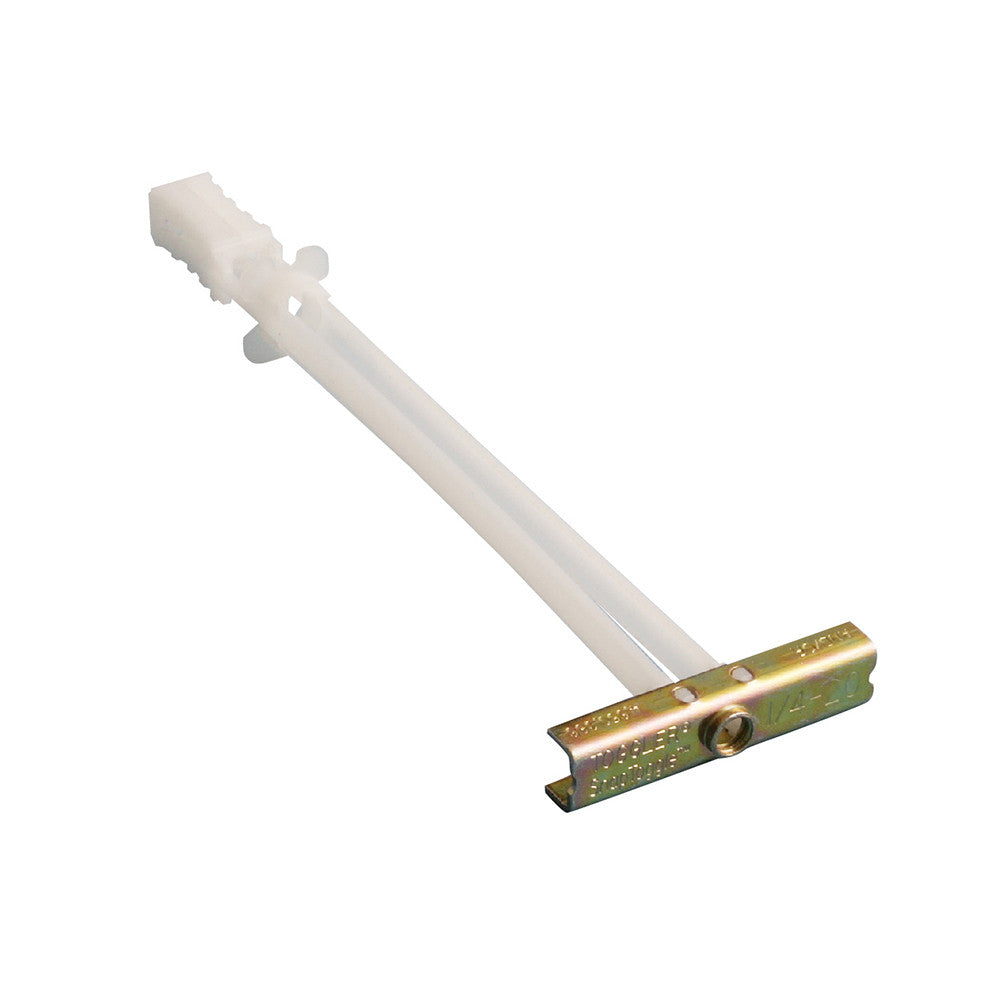
A toggle bolt has two main parts: the bolt and the toggle wings. The bolt is a long screw that passes through the material. The toggle wings are spring-loaded pieces attached to the bolt.
The wings fold to fit through a drilled hole. After passing through, they open wide behind the wall. This design creates a strong anchor inside hollow spaces.
How It Works
First, fold the wings and push the toggle bolt through the hole. Once inside, the wings open automatically due to the spring. Tightening the bolt pulls the wings firmly against the wall’s back side.
This pressure holds the bolt steady and supports heavy loads. The wider spread of the wings reduces stress on the wall. It makes toggle bolts ideal for drywall, plaster, and hollow blocks.

Credit: fastenerandfixing.com
Common Misconceptions
Many people misunderstand how toggle bolts work and their reusability. These fasteners are often seen as one-time use only. This section clears up common myths and explains real features of toggle bolts.
One-time Use Myth
Some believe toggle bolts can only be used once. This is not entirely true. The wings open inside the wall to hold the bolt firmly. Removing the bolt usually damages the wings. That damage makes reusing the same toggle bolt difficult.
Still, the bolt itself and wings can sometimes be reused if handled carefully. The main reason for the myth is the wings’ design. They fold to fit through holes, but unfolding can weaken them.
Reusable Features
Toggle bolts have parts that can last beyond a single use. The bolt can be reused with new wings if needed. Some toggle bolts come with detachable wings for easy replacement. This lets you reuse the bolt and only replace the wings.
Proper installation also helps toggle bolts last longer. Careful removal can keep the wings intact. This extends the toggle bolt’s life in certain projects.
Installation Tips
Installing a toggle bolt requires care for a secure and lasting hold. Follow these simple tips to ensure proper installation. Each step matters for safety and strength.
Preparing The Hole
Drill a hole that matches the toggle bolt size. Too small stops the wings from opening. Too large weakens the hold. Clean the hole of dust and debris. This helps the bolt sit firmly and work well.
Ensuring Wing Expansion
Fold the wings tightly against the bolt. Push the bolt fully through the hole. Feel for the wings as they open behind the wall. Tug slightly to confirm wings spread wide. Wings must open fully to hold strong.
Proper Tightening
Tighten the bolt slowly and evenly. Stop when resistance grows firm. Avoid over-tightening to prevent damage. The bolt should pull the wings flat against the wall back. This locks the bolt securely in place.
Load Capacity
Load capacity is a key factor when choosing a toggle bolt. This fastener supports heavy weights on hollow walls. Understanding its load limits helps ensure safety and durability. Toggle bolts spread the load over a large area behind the wall. This design provides strong support for heavy items.
Weight Limits
Toggle bolts have specific weight limits based on size and material. Smaller bolts hold about 30 to 50 pounds. Larger bolts can hold up to 100 pounds or more. Always check the packaging for exact weight ratings. Overloading a toggle bolt can cause it to fail. Proper installation also affects the bolt’s strength.
Applications For Heavy Items
Toggle bolts are ideal for hanging heavy items on drywall or plaster. Use them for shelves, mirrors, and cabinets. They work well for mounting curtain rods or towel bars. These bolts secure items where studs are not available. Heavy picture frames and lighting fixtures also benefit from toggle bolts.
Comparison With Other Anchors
Toggle bolts stand out among wall anchors for their unique design and strength. Comparing them with other anchors highlights their specific uses and limitations. This helps choose the right fastener for each job.
Understanding how toggle bolts differ from other anchors clarifies their role in construction and repair tasks.
Toggle Bolts Vs Molly Bolts
Toggle bolts use spring-loaded wings that open behind the wall. This spreads the load over a larger area. Molly bolts expand inside the wall cavity to grip the drywall. Toggle bolts often hold heavier items than molly bolts. Molly bolts stay flush against the wall surface after installation. Toggle bolts require a larger hole for insertion. Molly bolts provide a clean look and are easier to remove. Toggle bolts are better for hollow walls with thin drywall. Molly bolts suit medium-weight items and offer reusable support.
Single-use Vs Reusable Anchors
Many toggle bolts are reusable if removed carefully. Their wings can sometimes be folded back for reuse. Some types of toggle bolts may bend or weaken after removal. Molly bolts generally cannot be reused once expanded. Plastic anchors are often single-use and lose grip if removed. Screw-in anchors can sometimes be reused but lose strength over time. Choosing between single-use and reusable depends on the project needs. Reusable anchors offer flexibility for temporary fixtures. Single-use anchors provide strong, permanent holds.
Troubleshooting Common Issues
Troubleshooting common issues with toggle bolts helps maintain strong and safe fastenings. Understanding problems early stops damage and keeps your fixtures secure. This section covers two frequent concerns: loose fastening and wall damage prevention.
Loose Fastening
Loose fastening happens when the toggle wings do not open fully behind the wall. This reduces the bolt’s grip and causes wobbling. Make sure the hole is large enough for the wings to expand properly. Tighten the bolt slowly to allow the wings to catch firmly.
Using the correct bolt length is vital. Too short bolts fail to reach the wings, and too long bolts may not tighten well. Check the wall thickness before choosing the bolt size. If the bolt still feels loose, remove and reinstall it carefully.
Wall Damage Prevention
Avoid wall damage by drilling holes precisely where needed. Oversized holes weaken the wall and reduce holding power. Use a drill bit that matches the toggle bolt size exactly. Keep the drill steady to prevent cracks around the hole.
Do not overtighten the bolt. Excess force can break the wall surface or make the hole larger. Tighten only until the fixture feels solid and stable. Protect the wall surface by placing washers or protective pads under the bolt head if needed.
Alternative Products
Alternative fasteners provide options beyond traditional toggle bolts. These products often offer easier installation and reuse. They suit different wall types and weights. Choosing the right one depends on your specific needs and wall material.
Snap Toggle
Snap Toggle anchors feature a strong metal channel. They snap open behind the wall for a secure hold. Installation is quick and simple. Snap Toggles can be reused by unscrewing the bolt. They work well in drywall and hollow walls. Their design spreads the load evenly for better support.
Toggler And Kaptoggle Options
Toggler anchors come in various styles for many applications. Their wings lock behind the wall to hold heavy objects. KapToggle is a popular Toggler brand known for ease. KapToggle uses a plastic cap for quick installation. Both offer strong, reliable fastening in hollow walls. These anchors often require shorter screws than traditional toggle bolts.
Credit: www.fmwfasteners.com
Maintenance And Reuse
Toggle bolts are popular for securing heavy items to hollow walls. Understanding their maintenance and reuse helps in making better choices. Although often called one-time fasteners, toggle bolts can sometimes be reused carefully. Proper handling during removal is key to preserving their function.
Removing And Reinstalling
Removing a toggle bolt requires care to avoid damage. First, unscrew the bolt slowly while holding the wings. If wings fall inside the wall cavity, reuse becomes impossible. Sometimes, wings bend or lose tension after removal. This weakens the grip if reused. Always check the condition of wings before reinstalling. If wings are intact, you may reuse the bolt in a similar wall thickness. Avoid forcing the bolt back if it feels loose or damaged.
Longevity Factors
The lifespan of a toggle bolt depends on material quality and wall type. Corrosion can reduce strength over time, especially in humid areas. Frequent removal and reinstallation also wear out the wings. Heavy or shifting loads stress the fastener and reduce durability. Proper installation prevents damage and extends life. Using the right size for the wall thickness improves hold and longevity. Inspect toggle bolts regularly in critical applications to ensure safety.
Frequently Asked Questions
What Is A Toggle Bolt Considered?
A toggle bolt is a hollow wall anchor with spring-loaded wings that open behind the wall. It provides strong, reusable support for heavy objects.
Is A Wall Anchor A One Time Fastener?
Wall anchors vary; some are one-time use, while others like toggle or molly bolts can be removed and reused multiple times.
What Are Toggle Bolts Used To Fasten A Part To?
Toggle bolts fasten parts to hollow walls, ceilings, or drywall where studs are unavailable. They provide strong, secure support.
What Is Another Name For A Toggle Bolt?
Another name for a toggle bolt is a “toggle anchor. ” It is also called a “butterfly anchor” due to its spring-loaded wings.
Conclusion
Toggle bolts offer strong support in hollow walls. They work by expanding behind the surface, holding items firmly. Though not meant for repeated use, they provide reliable strength once installed. Choose the right size and install carefully for best results.
Keep in mind, toggle bolts are ideal when studs are not available. This simple fastener helps hang shelves, mirrors, and more with confidence. Understanding how toggle bolts function makes your projects easier. Use them wisely to secure your walls effectively.