Building a deck is an exciting project, but those visible screws and nails can quickly ruin its clean, polished look. You want your deck to stand out for its beauty and craftsmanship—not its fasteners.
What if you could make those fasteners disappear, giving your deck a smooth, seamless finish? You’ll discover simple and effective ways to hide fasteners that will transform your deck’s appearance. Keep reading, and you’ll learn the tricks that professionals use to create decks that look flawless and last longer.
Your dream deck is closer than you think!
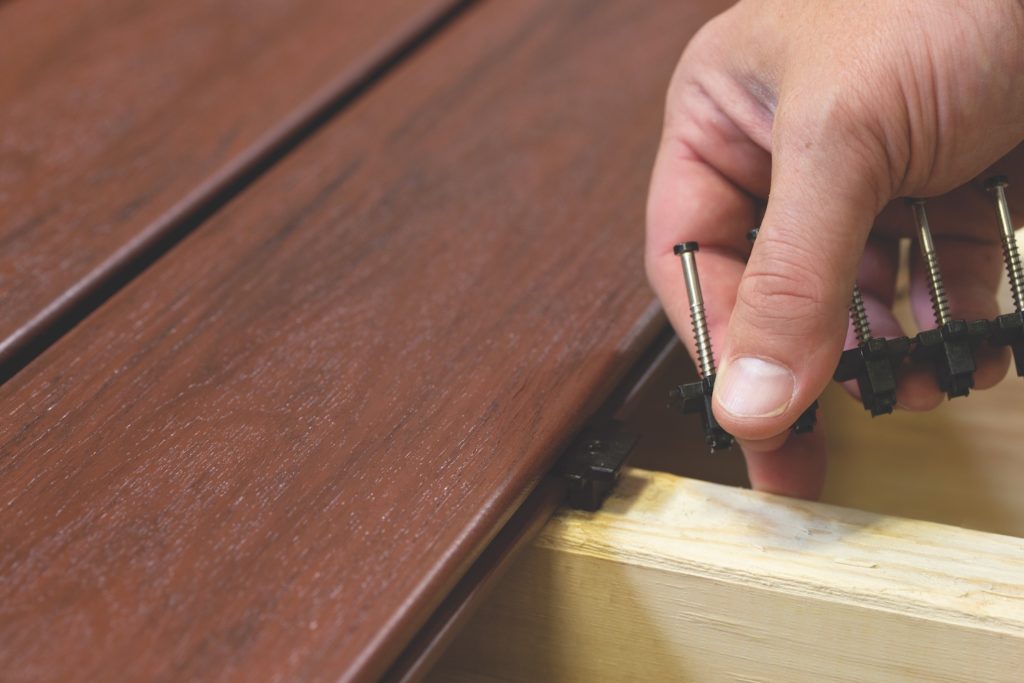
Credit: armadillodeck.com
Choosing Hidden Fastening Systems
Choosing hidden fastening systems is key for a clean, polished deck look. These systems keep screws and nails out of sight. This improves the deck’s appearance and prevents injuries from exposed fasteners. Many options suit different wood types and budgets. Understanding each system helps select the right one for your project.
Types Of Concealed Fasteners
There are several types of hidden fasteners. Some attach boards from the sides. Others clip boards to the joists underneath. Some use special screws that sit below the wood surface. Popular options include clip systems, spline fasteners, and secret screw fasteners. Each type fits different decking materials and installation styles.
Pros And Cons Of Each System
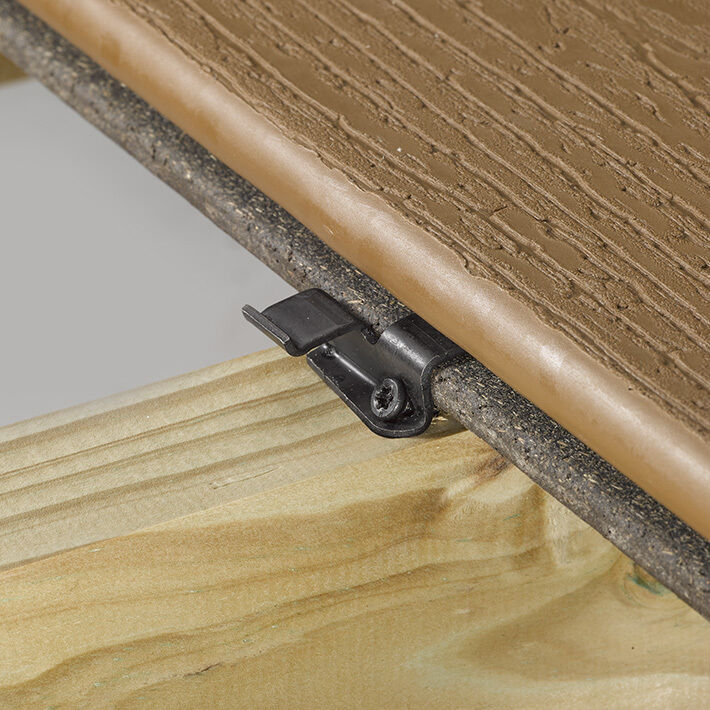
Clip systems are easy to install and work well with composite wood. They leave no visible screws on the deck surface. The downside is that clips can be costly and may not fit all wood types. Spline fasteners hold boards tightly but require precise cuts. They offer strong support but take more time to install. Secret screw fasteners hide screws below the surface. This protects them from weather but needs special tools. Choosing the right system depends on wood type, budget, and skill level.

Credit: www.fastenmaster.com
Preparing Deck Boards For Hidden Fasteners
Preparing deck boards for hidden fasteners is a key step in building a clean, smooth deck surface. This process helps keep screws and nails out of sight. It creates a safer and more attractive deck. Proper preparation also makes the deck last longer by reducing wood damage.
Careful selection and precise board preparation are essential. They ensure fasteners stay hidden while holding the deck securely. Follow these tips to prepare your deck boards for hidden fasteners.
Selecting The Right Decking Material
Choose decking material that works well with hidden fasteners. Wood like cedar and redwood are soft enough for easy slotting. Composite boards often have grooves designed for hidden clips. Avoid very hard woods that split easily when drilled. Check product details to confirm compatibility with hidden fasteners. Good material choice reduces installation problems and improves deck look.
Pre-drilling And Slotting Techniques
Pre-drilling holes prevents wood from splitting during fastener insertion. Use a drill bit slightly smaller than the fastener size. Drill holes at the correct angle for clip or screw placement. Slotting the edges of the boards allows clips to fit snugly. Use a router or saw to create clean slots. Keep slots straight and even for a smooth finish. Proper drilling and slotting protect the boards and hide the fasteners well.
Installing Clips And Brackets
Installing clips and brackets is a popular way to hide fasteners on a deck. These small pieces fit between deck boards and hold them in place. This method creates a clean, smooth surface without visible screws or nails. It also helps the deck last longer by reducing wood damage.
Clips and brackets come in many styles. Choose ones that match your deck material. Some work better with wood, while others fit composite boards. Proper installation is key to keep your deck strong and safe.
Step-by-step Installation Guide
Start by laying out the deck boards. Leave a small gap between each board for drainage. Place the clips or brackets in the gap at each joist. Secure them with screws or nails designed for outdoor use.
Next, slide the deck board into the clips. Make sure it fits tightly and evenly. Check the alignment of all boards before moving on. Continue this process until all boards are installed.
Trim any excess parts of the clips if needed. Clean the surface to remove any dirt or debris. This step helps the deck look neat and finished.
Ensuring Structural Integrity
Use high-quality clips and brackets made from rust-resistant materials. This prevents corrosion and extends the deck’s life. Check that fasteners are tight but not over-tightened. Over-tightening can damage the wood or clips.
Inspect the deck regularly for loose or damaged clips. Replace them promptly to maintain stability. Proper spacing between boards allows wood to expand and contract safely. This reduces warping and cracking over time.
Follow manufacturer instructions carefully for the best results. Proper installation protects your deck and keeps it safe for years.
Using Pocket Screws And Plugs
Using pocket screws and plugs is a smart way to hide fasteners in deck building. This method keeps the deck surface clean and smooth. It also protects screws from weather damage, which can cause rust or wood splitting. Pocket screws create angled holes that hold boards tightly. Plugs cover these holes, making the deck look seamless and neat.
Creating Pocket Holes
Start by marking where the pocket holes will go on the deck boards. Use a pocket hole jig to drill angled holes quickly and accurately. The jig guides the drill, so holes are at the right angle. Drill each hole deep enough to hold the screw securely. This technique pulls the boards tightly together without visible screws on top.
Camouflaging Screw Heads
After driving screws into pocket holes, cover the holes with wood plugs. Choose plugs made from the same wood type as your deck for a natural look. Glue each plug into the hole firmly. Cut the plugs flush with the deck surface using a saw or sander. Sand the area smooth to blend the plug with the deck wood. Stain or paint over the plugs to match the deck color perfectly.
Applying Surface Treatments
Applying surface treatments is a smart way to hide fasteners on your deck. These treatments cover the screws or nails and help create a smooth, clean look. They also protect the wood from weather damage and wear. Using the right surface treatment can make your deck look more polished and uniform.
Staining And Painting To Hide Fasteners
Staining and painting are popular methods to cover fasteners. A good stain soaks into the wood and blends the fasteners with the deck color. Paint forms a solid layer that hides the fastener heads completely. Choose a color that matches or complements your deck wood.
Use a small brush to carefully coat the fasteners. Multiple thin coats work better than one thick coat. This prevents peeling and keeps the finish smooth. Both stain and paint also protect your deck from sun and rain damage.
Maintaining A Seamless Appearance
To keep the deck looking seamless, inspect fasteners regularly. Touch up any chipped or faded spots with stain or paint. Clean the deck surface before applying treatments. Dirt and dust can stop the stain or paint from sticking well.
Use light sanding on rough spots to help the finish stick better. Maintain a steady hand while applying treatments near fasteners. A smooth finish makes fasteners less visible and the deck more inviting.
Common Mistakes To Avoid
Hiding fasteners on your deck improves its look and safety. Avoiding common mistakes helps the job go smoothly. These errors can cause visible gaps, weak structures, or damage. Know what to watch out for to keep your deck strong and neat.
Misalignment And Gaps
Fasteners that are not aligned create gaps between boards. These gaps let water in, causing wood to rot faster. Uneven boards can also make the deck unsafe to walk on. Use a guide or spacer to keep fasteners straight. Check alignment often during installation for best results.
Over-tightening And Material Damage
Fasteners tightened too much can split the wood. Over-tightening squeezes the deck boards, causing cracks or dents. This weakens the structure and ruins the deck’s appearance. Tighten screws just enough to hold boards firmly. Stop once the board no longer moves but avoid forcing it.
Maintenance Tips For Hidden Fasteners
Hidden fasteners keep your deck looking clean and smooth. They also protect the wood from damage. To keep them working well, regular care is important. This section gives simple tips on maintaining hidden fasteners. Follow these steps to extend your deck’s life and keep it safe.
Regular Inspections
Check your deck and fasteners at least twice a year. Look for loose boards or any movement. Make sure the fasteners are still holding tightly. Watch for signs of rust or corrosion on metal parts. Early checks help spot problems before they get worse. Use a flashlight to see hidden spots clearly.
Addressing Wear And Tear
Replace any fasteners that show signs of damage. Clean the area around the fasteners to remove dirt and debris. Sand down rough spots to prevent splinters. Treat wood with a sealant to protect it from moisture. Tighten any loose fasteners to keep the deck stable. Simple care helps your deck last longer and stay safe.
Credit: www.fastenmaster.com
Frequently Asked Questions
How Can I Hide Deck Fasteners Effectively?
You can hide deck fasteners using hidden fastener systems, face-screwing between boards, or color-matched plugs. These methods improve deck aesthetics and prevent tripping hazards. Choose a technique based on your deck material and tools for a clean, professional finish.
What Tools Are Needed To Conceal Deck Fasteners?
Essential tools include a drill, countersink bit, hidden fastener clips, and wood plugs. A screwdriver and finishing nails also help hide screws. Using the right tools ensures fasteners stay concealed and your deck looks seamless and polished.
Are Hidden Fasteners Better Than Visible Screws?
Yes, hidden fasteners offer a cleaner look and reduce surface damage. They prevent water penetration and wood splitting around screws. Hidden systems improve deck safety by minimizing tripping risks and enhance the deck’s longevity and appearance.
Can I Hide Fasteners On Composite Decking?
Absolutely, most composite decking supports hidden fastener systems. These clips secure boards without visible screws on the surface. Follow manufacturer guidelines for best results to maintain durability and keep your composite deck visually appealing.
Conclusion
Hiding fasteners keeps your deck looking clean and neat. Choose the right method for your wood type and tools. Use hidden screws, plugs, or specialized clips to avoid visible nails. This makes your deck safer and lasts longer. Careful work shows in the final result.
Enjoy a smooth, polished surface that feels good underfoot. Small details make a big difference in deck building. Take your time and follow simple steps. Your deck will look great for years to come.

